
As rhesus macaques grow, wider gapes come with lower jaw leverage
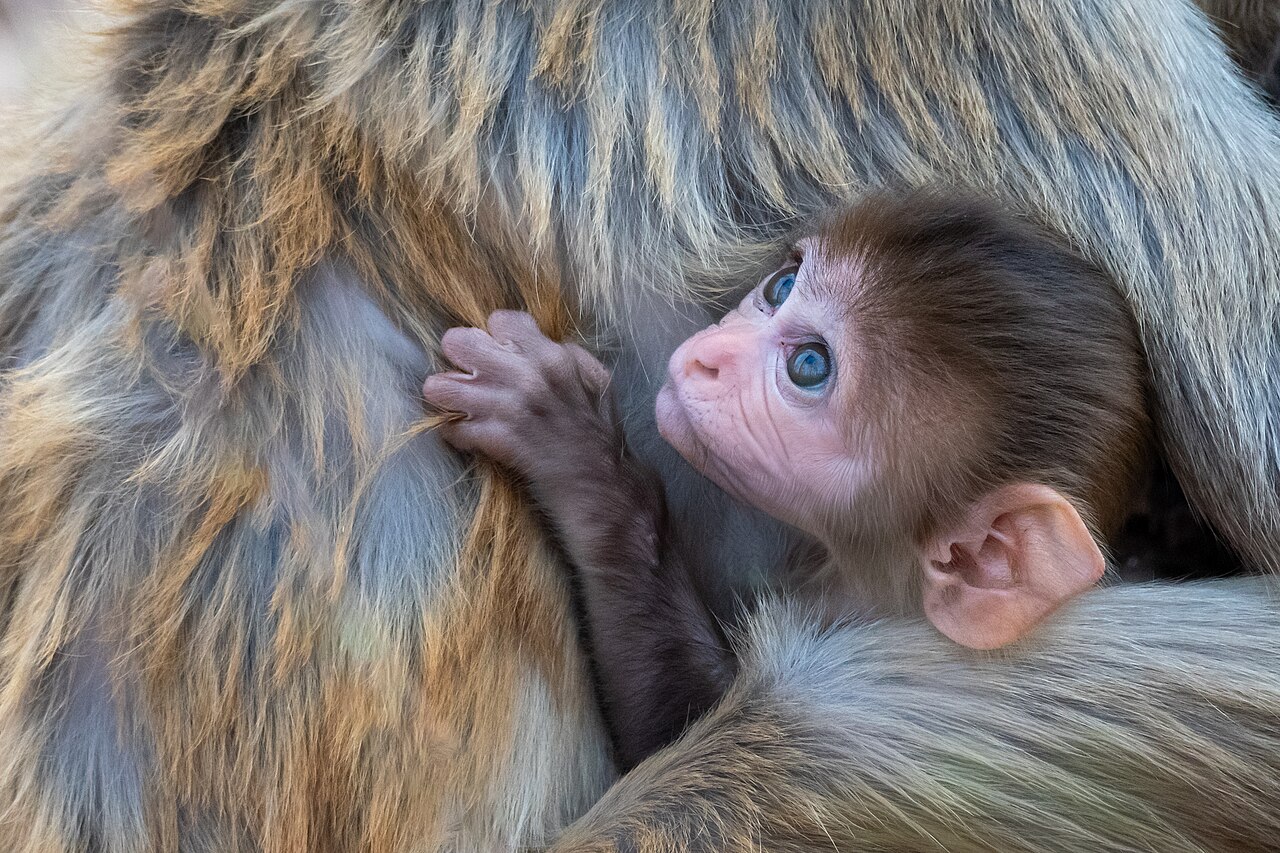
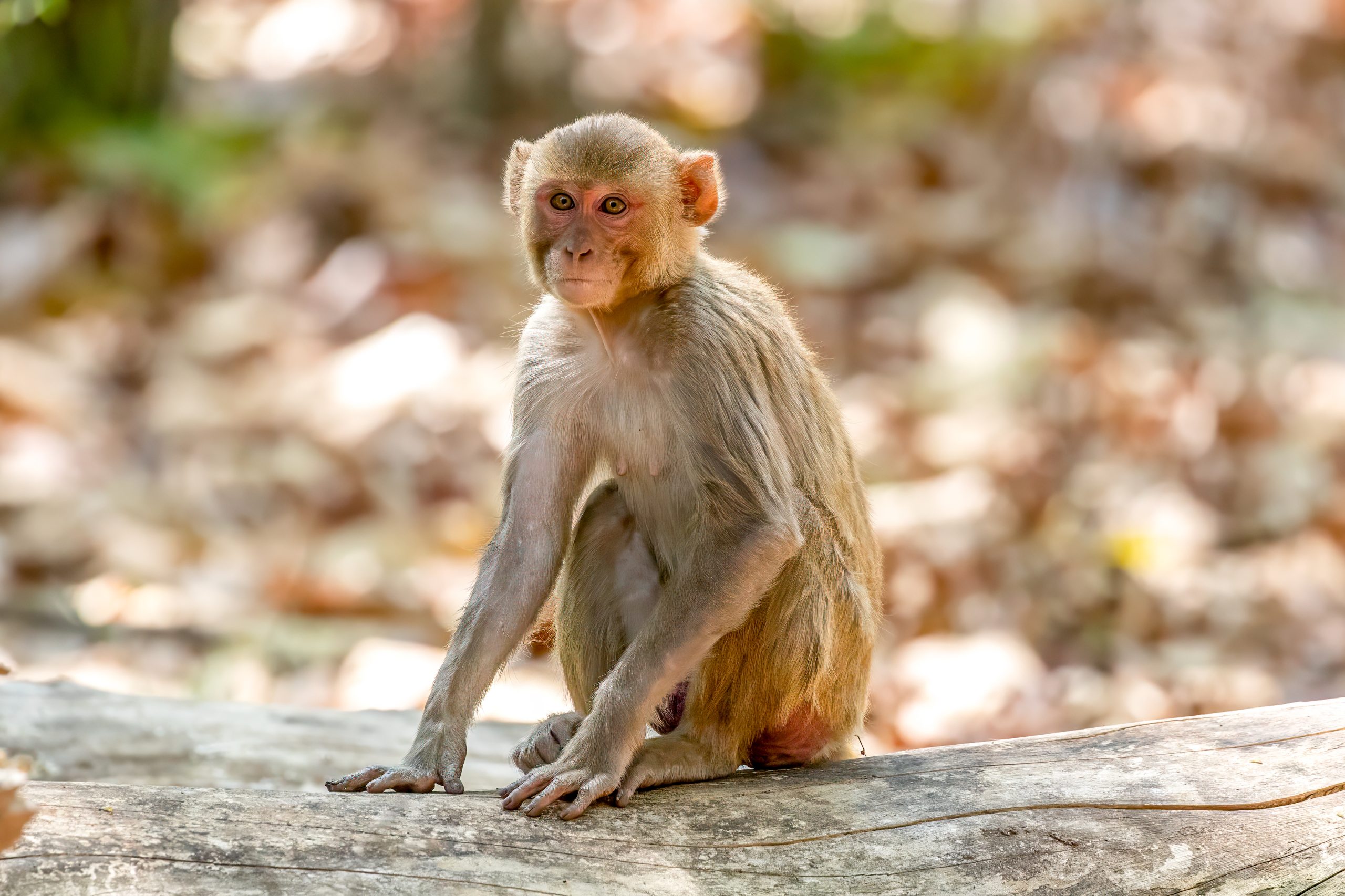
Opening the mouth wide and producing a strong bite place different demands on the jaw. In rhesus macaques (Macaca mulatta) on Cayo Santiago, Puerto Rico, researchers found that maximum gape—the greatest distance between the upper and lower incisors when the mouth was open—increased roughly in proportion to body mass and jaw length as the animals grew. But larger macaques had lower jaw leverage, a mechanical advantage that helps jaw muscles transmit force to the teeth.
The study included 211 macaques, 124 females and 87 males, from infancy to post-prime adulthood. Researchers measured maximum gape in living animals, then estimated jaw leverage from measurements of their skeletons after death. Leverage compares the muscles’ effective lever arms with the distance from the jaw joint to the bite point: greater leverage lets a given muscle force produce more force at the teeth. The researchers estimated this contributor to bite force; they did not directly measure bite force.
Gape scaled proportionally with body mass and jaw length in both sexes across development. The clearest developmental shift in jaw mechanics occurred between the pre-prime and prime stages, around the onset of sexual dimorphism. Before that transition, macaques had relatively greater jaw leverage; larger, adult animals maintained gape in proportion to body and jaw size but did so with less mechanical advantage.
The researchers also examined the large canine teeth that develop in male macaques. In males, canine length grew disproportionately relative to body mass and jaw length; females did not show the same pattern. Yet gape increased less rapidly than canine length in both sexes. The large male canines therefore did not make the jaws open wider than expected for an animal’s body and jaw size.
Anatomy & morphology
Related news
Older rhesus macaques show hundreds of gene-expression differences in blood
In a study at a research facility in Sochi, Russia, 741 genes differed in expression between young and…
Read story →
Oxytocin’s effect on macaques’ brain responses to sound depended on visual context
In two awake rhesus macaques, oxytocin dampened sound-evoked brain responses when sounds were presented alone. The dampening disappeared…
Read story →
Some rhesus macaques kept SIV in check after antibody treatment and ART interruption
Eight of 21 macaques given SIV-targeting antibodies met the study’s definition of post-treatment control. Their CD4+ T cells…
Read story →SPECIES IN THIS STORY
Species in this story
Independent research and conservation news archive
Did you find this information useful?
Wildlife Vagabond is independently built and maintained. Voluntary support helps cover source verification, hosting and continued work on research and conservation news.
Support Wildlife VagabondThe news archive will remain freely available.