
Asian Stonechats Showed Extensive Hybridization Across a Migratory Divide Around Lake Baikal
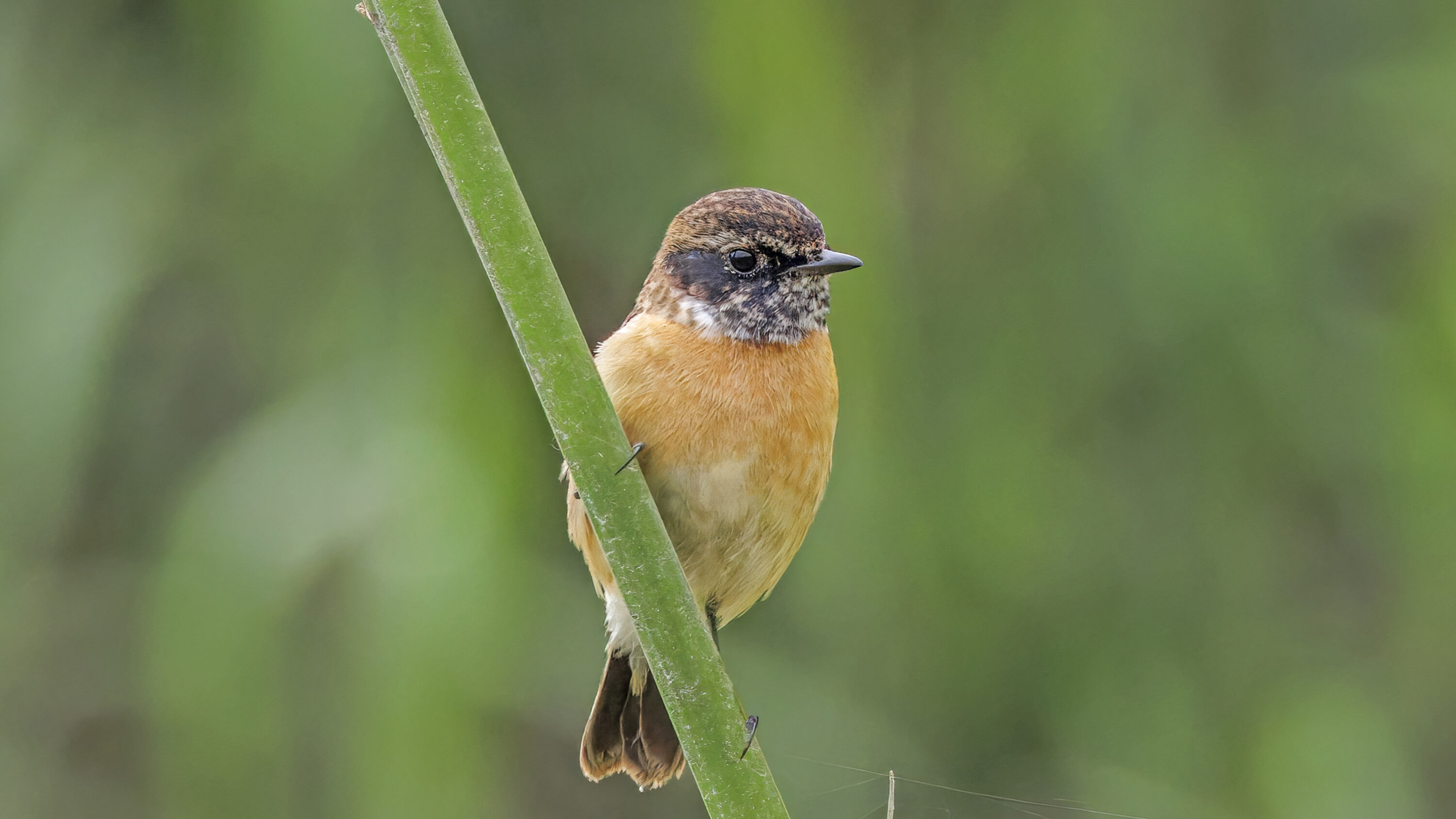
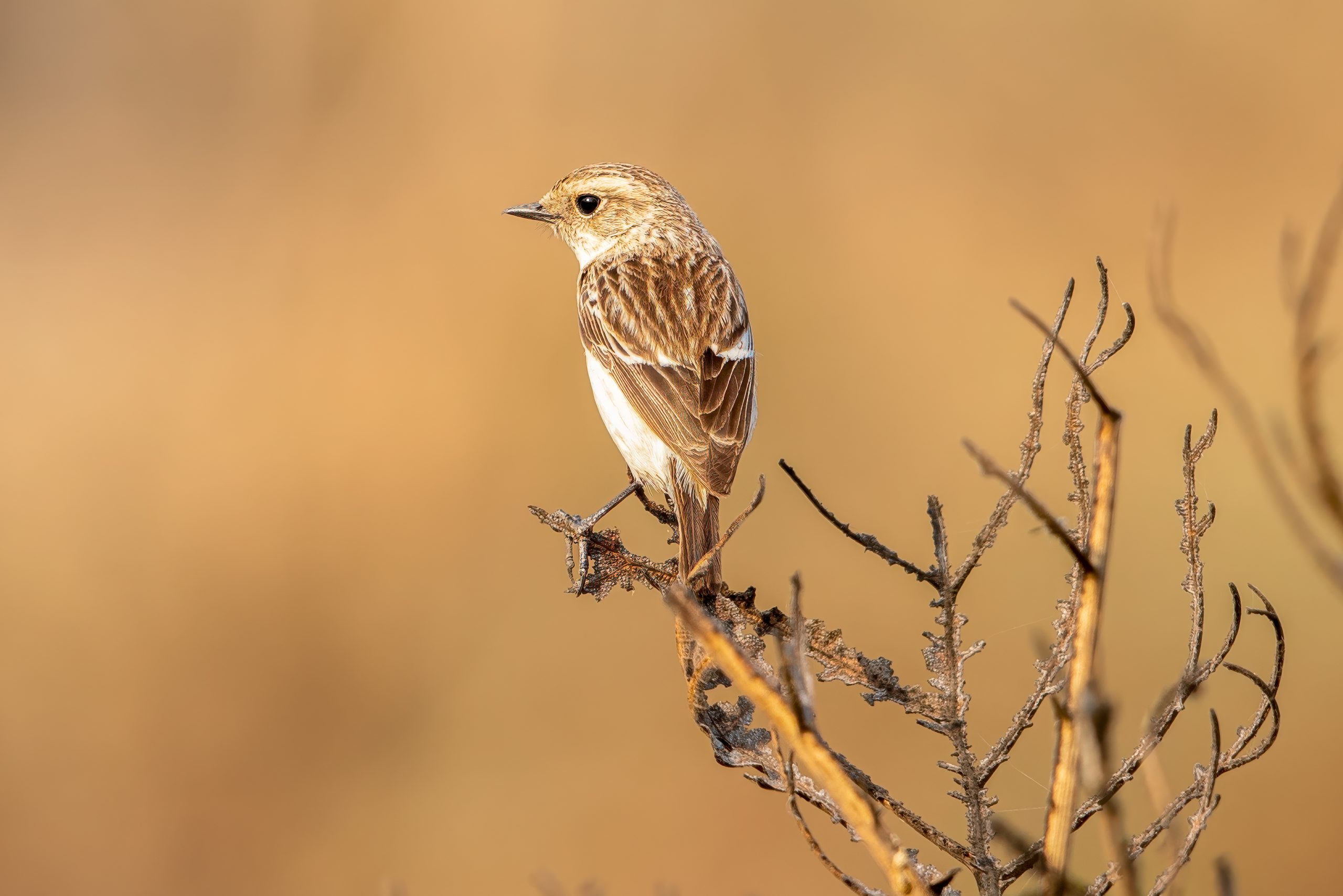
A study first published in Evolution Letters on 5 May 2026 combined light-level geolocator tracking with genome-wide DNA data to investigate migration and hybridization in the Asian stonechat complex. Light-level geolocators are small tags that record changes in daylight; after the bird is recaptured, the timing of sunrise and sunset can be used to estimate its approximate positions and migration route. A migratory divide is a region where breeding populations using different migration routes meet or overlap; here, the divide involves populations responding differently to the Qinghai–Tibet Plateau. The focal taxa were Saxicola maurus maurus, Saxicola stejnegeri and Saxicola maurus przewalskii.
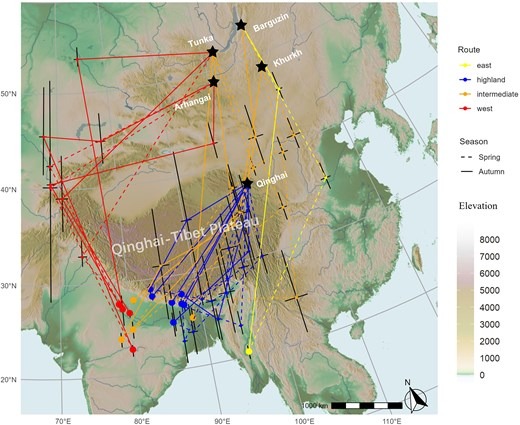
Migration routes split around and across the plateau
Sixteen birds yielded 17 autumn and 16 spring migration tracks. Birds from Russian and Mongolian populations around the migratory divide used western, eastern or intermediate routes around and across the Qinghai–Tibet Plateau, while all seven tracked birds from Qinghai used a highland-crossing route. Western-route birds wintered in northern India, one eastern-route bird wintered in central Myanmar, and several intermediate-route birds wintered in India or south of the Himalayas. A stopover area near the Chirchiq River Valley in Uzbekistan was used repeatedly.
Genomes revealed a broad hybrid zone around Lake Baikal
Whole-genome data showed extensive genetic mixing between maurus and stejnegeri in the Lake Baikal contact region. In the authors’ analysis of genetic ancestry, 19 of 20 birds from Ilchir and Tunka west of Lake Baikal and 9 of 17 birds from Barguzin east of the lake carried ancestry from both taxa. The authors therefore describe the region as a hybrid zone rather than a simple contact zone. Many birds also had ancestry proportions close to 25:75 between the two taxa. That pattern is expected when hybrids reproduce with each other or mate back into one of the parental populations, showing that hybridization had continued for more than a single generation. Two of the three tracked birds with both genomic data and intermediate migration routes were clear hybrids, but the sample was too small to establish a general relationship between hybrid ancestry and route choice.
The highland-breeding population crossed the plateau directly
The przewalskii population from Qinghai was genetically differentiated and consistently crossed the highlands rather than detouring around the plateau. Across the broader genomic dataset, reference and study samples came from Kazakhstan, China, Russia and Mongolia, while the tracking data also documented migration through Uzbekistan and wintering in India and Myanmar. The study concludes that migration routes and genomic differentiation are partly associated with responses to major geographical barriers, while prolonged hybridization maintains substantial gene flow across the migratory divide and may have weakened the development of reproductive isolation between maurus and stejnegeri.
Evolution & taxonomy
Related news
Egg Rejection Did Not Clearly Increase After Cuckoo Arrival in Two Host Species
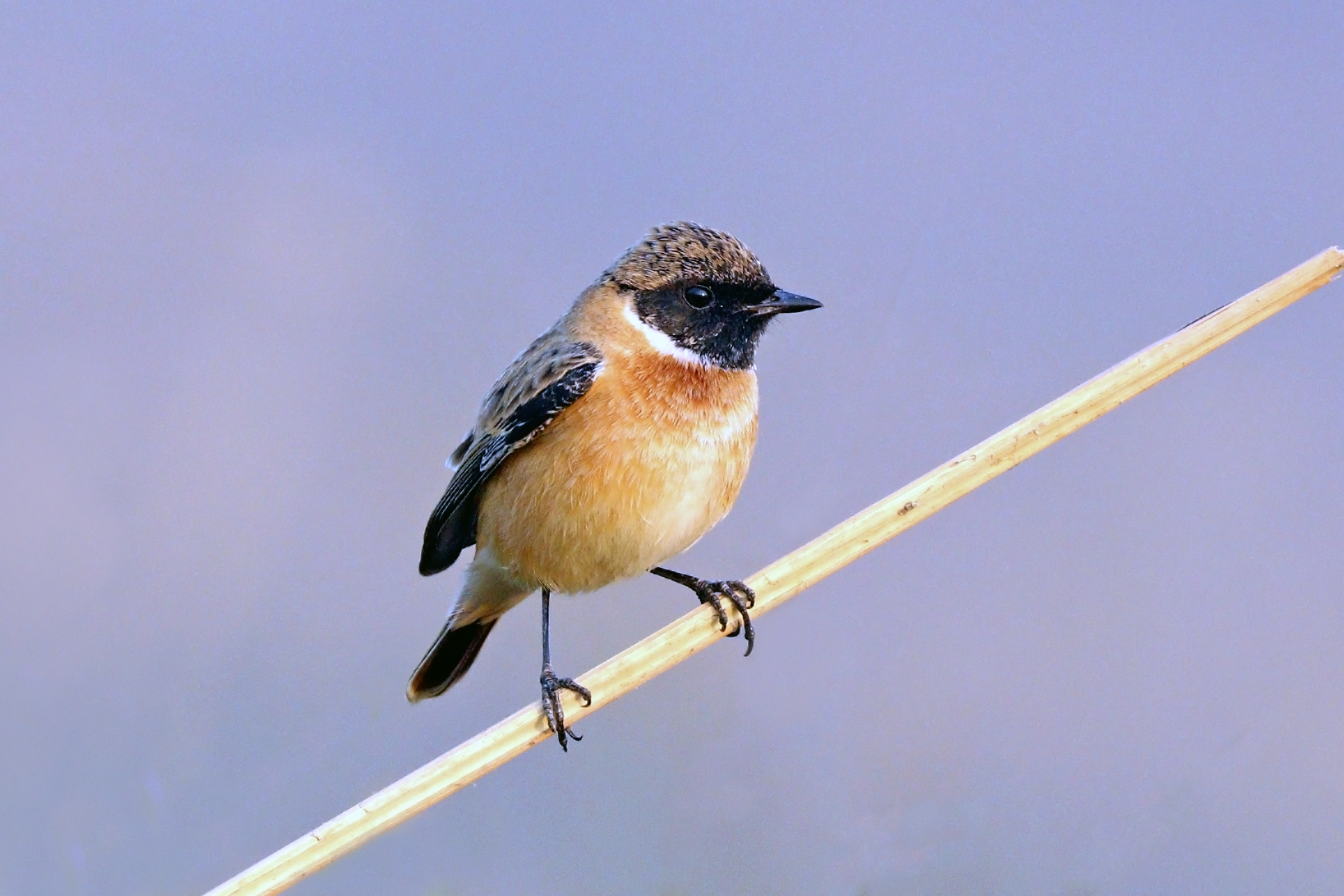
Grey bushchats and Siberian stonechats showed no clear increase in foreign-egg rejection after common cuckoos arrived. The result…
Read story →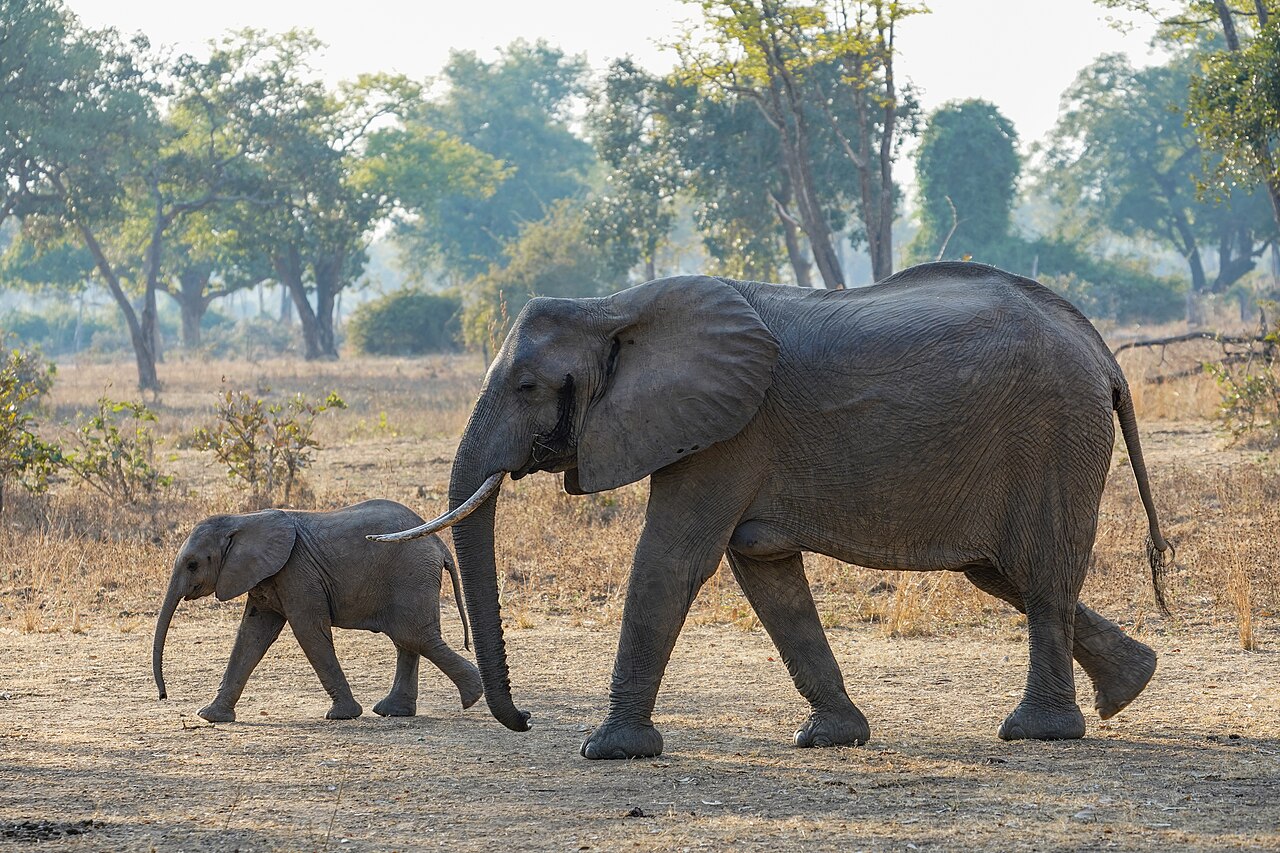
An ancient viral gene may have been repurposed in elephant placenta
An ancient viral gene that appears to have been inherited for at least 79 million years is strongly…
Read story →
Immigration Could Both Change and Stabilise Great Tits’ Clutch Sizes
On the Dutch island of Vlieland, incoming great tits could both counter a trend towards fewer eggs and…
Read story →SPECIES IN THIS STORY
Species in this story
Independent research and conservation news archive
Did you find this information useful?
Wildlife Vagabond is independently built and maintained. Voluntary support helps cover source verification, hosting and continued work on research and conservation news.
Support Wildlife VagabondThe news archive will remain freely available.