
Barn Swallow Nestling Diets Differed Between Rural and Urban Himalayan Settlements
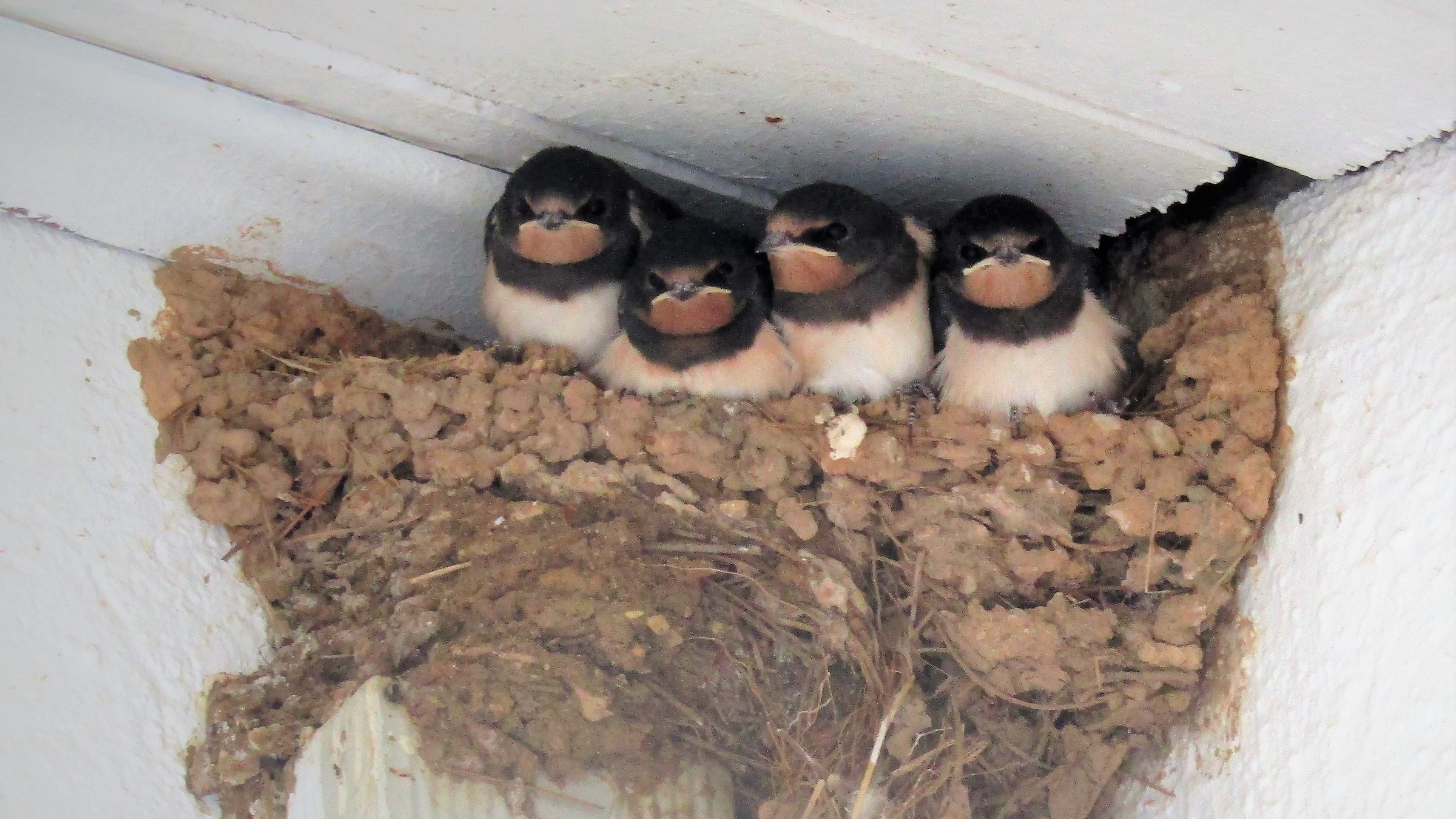
Barn swallow (Hirundo rustica) nestlings in the Uttarakhand Himalaya received a varied insect diet that differed between rural and urban settlements. Beetle remains occurred in almost every faecal sample, while hymenopterans such as bees, wasps and ants were the second most frequently detected group.
Researchers collected 240 faecal samples from nestlings between March and May 2023 at four breeding sites in northern India: two rural villages and two towns. Prey remains were identified to insect order under a microscope. To compare diet with local prey availability, the team also sampled flying insects along 62 transects at one rural and one urban site. These transects were 50–100 m survey routes that researchers walked at a constant pace while continuously sweeping a net through the air.
Nestling diets differed between rural and urban sites
Beetles occurred in 96.7% of the faecal samples and hymenopterans in 75%. Hemipterans, flies, termites and dragonflies were detected less often. The overall prey composition differed significantly between rural and urban settlements, while there was no significant change across the breeding season when all four sites were analysed together.
Available insects did not fully match the diet
Flies were the most frequently encountered insects in the sweep-net samples, but their remains occurred in only 13% of the faecal samples. The insect community detected in the nestling diet differed significantly from the insects sampled in the surroundings. The authors regard this as evidence of some prey selection, particularly for larger insects, although digestion can also bias the comparison: soft-bodied insects such as flies leave fewer recognisable remains in faeces than chitin-rich prey such as beetles.
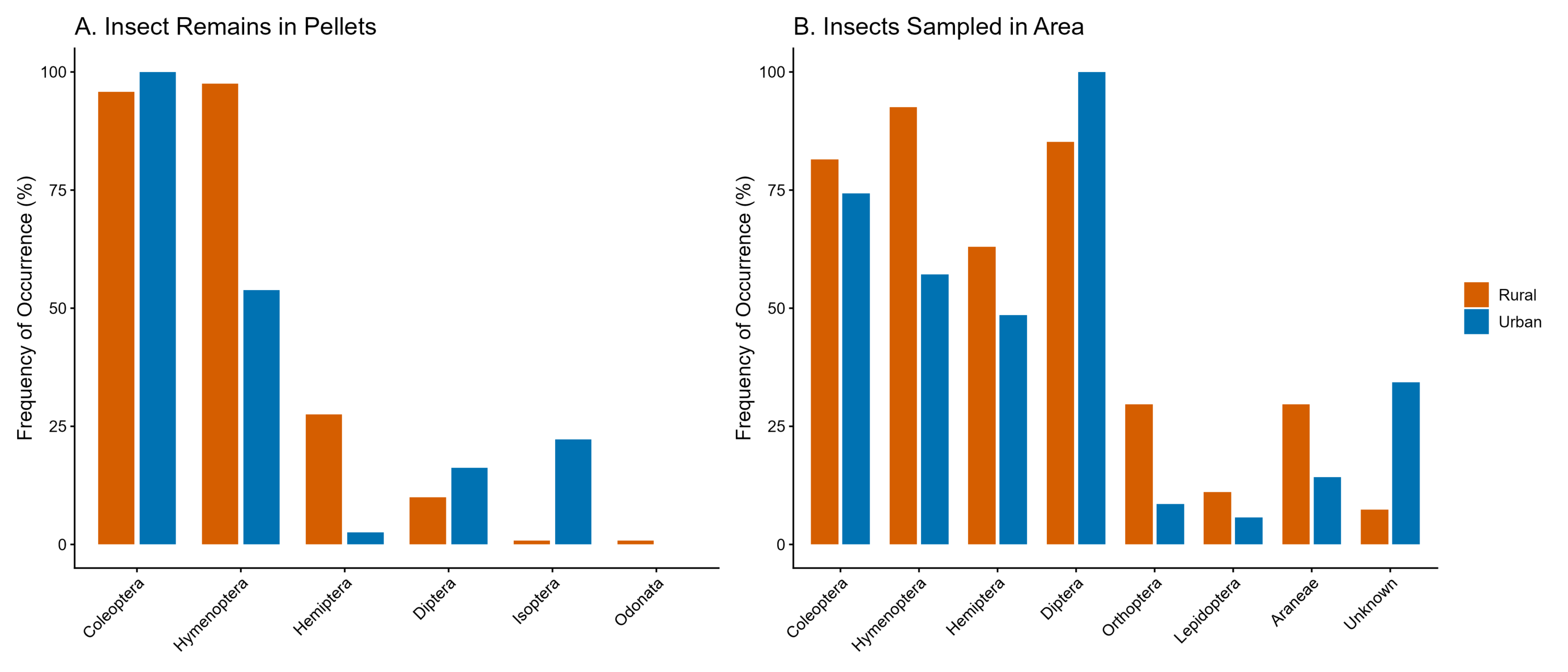
Prey availability was measured at only two of the four diet sites, and the work covered a single breeding season. The authors propose comparisons across several seasons, combining diet and insect availability with measurements of breeding success.
Ecology
Related news
Usutu Virus RNA Was Found Nearly Three Times as Often as West Nile Virus RNA in Southern France
Among 2,533 wild birds from 69 species in southern France, Usutu virus RNA was detected in 12.0% and…
Read story →
Larger Broods and Older Social Fathers Were Linked to Shorter Telomeres in Male Barn Swallow Nestlings
A long-term study near Milan found shorter telomeres in male barn swallow nestlings from larger broods or with…
Read story →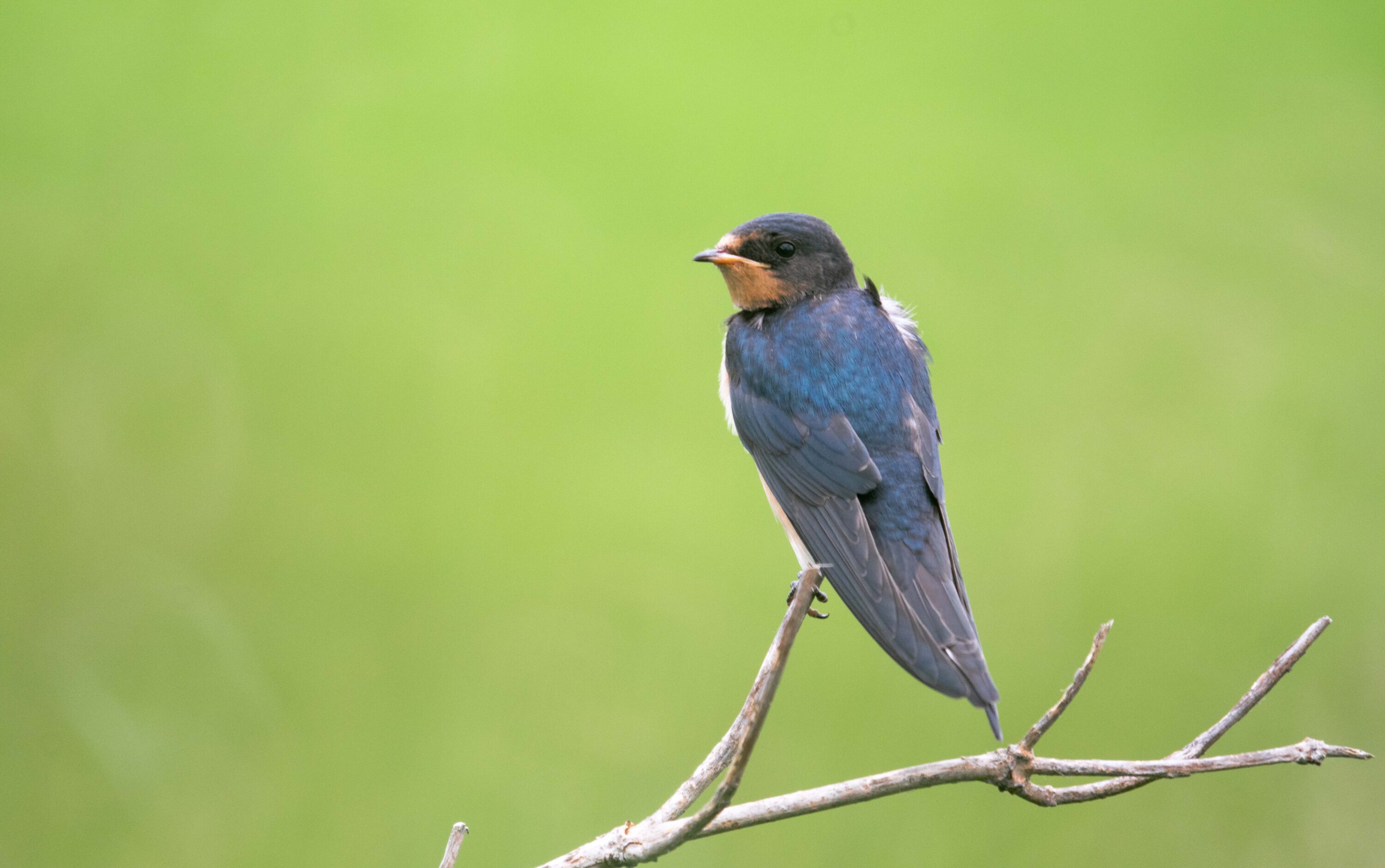
Mitochondrial DNA Reveals a More Complex Evolutionary History of Barn Swallows
A study of 580 complete barn swallow mitochondrial genomes found five major maternal lineages, including a newly recognised…
Read story →SPECIES IN THIS STORY
Species in this story
Independent research and conservation news archive
Did you find this information useful?
Wildlife Vagabond is independently built and maintained. Voluntary support helps cover source verification, hosting and continued work on research and conservation news.
Support Wildlife VagabondThe news archive will remain freely available.