
Bearded Reedlings Bred at Oxwich Marsh Again After Decades
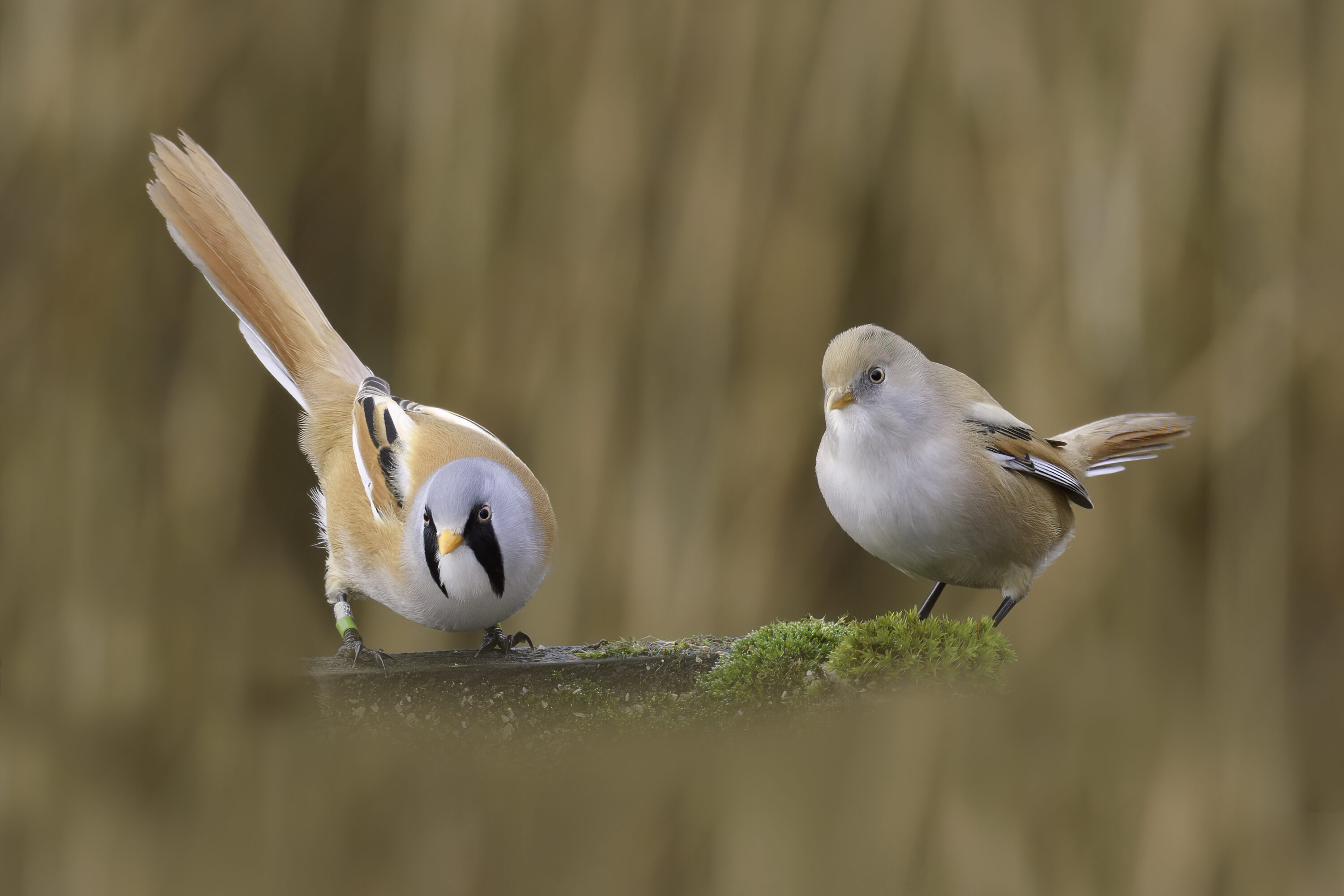
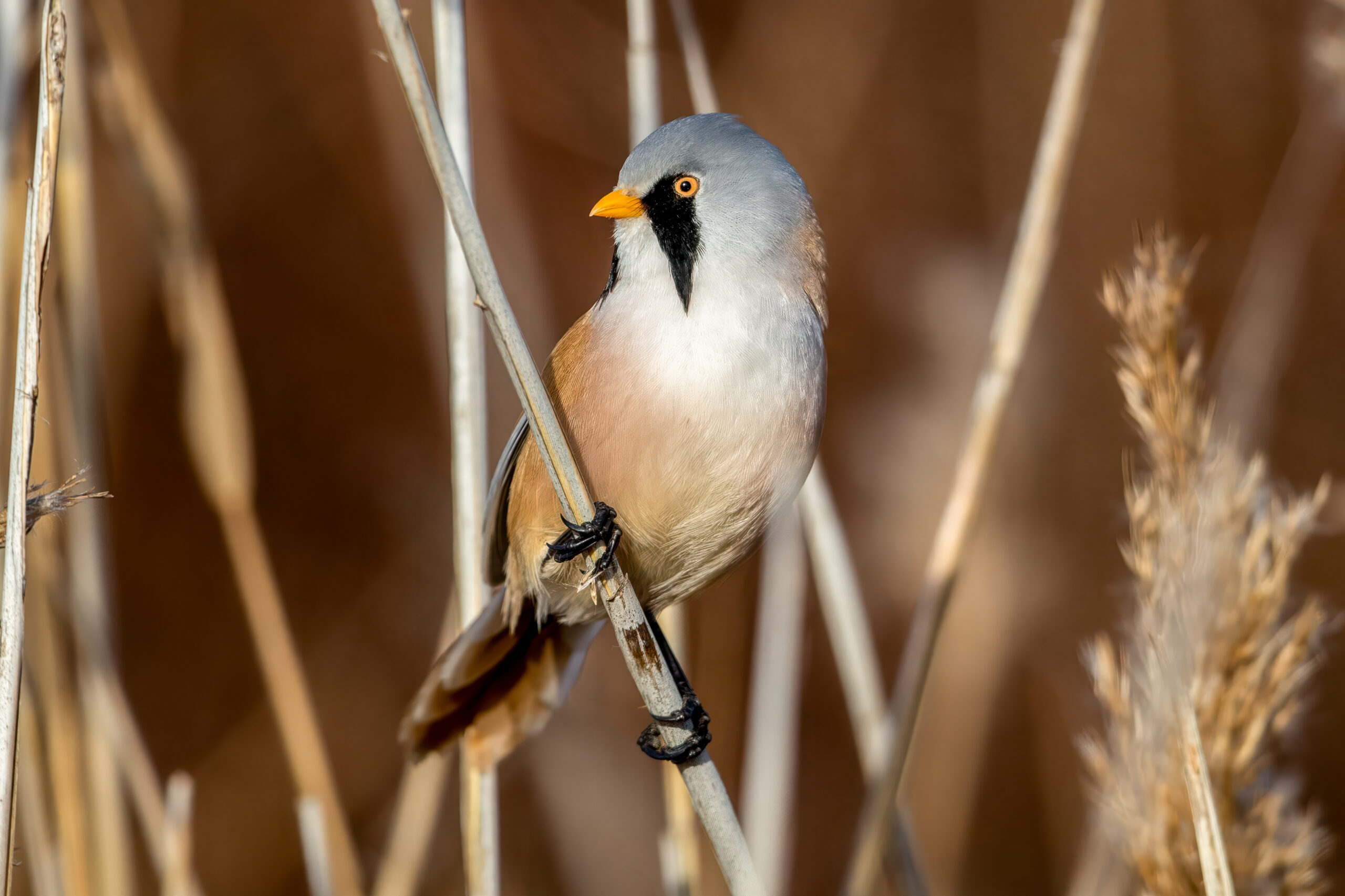
Bearded reedlings (Panurus biarmicus) bred at Oxwich Marsh in South Wales in 2026, providing the first confirmed local breeding record in several decades. Gower Ringing Group reported the return on 8 July after adults and juveniles had been caught and observed in the reedbed.
The first evidence came on 14 June, when two juvenile males in full juvenile plumage were caught and ringed. Three more fledglings were caught on 20 June, and an adult male and female were caught on 4 July. By then seven bearded reedlings had been ringed at Oxwich, with one recapture.
Both adults had brood patches—bare, well-supplied skin areas that transfer body heat to the eggs—and the female’s brood patch showed stretched skin consistent with recent incubation. Together with the five juveniles, this left little doubt that breeding had taken place locally.
How long breeding had been absent is uncertain. A local checklist records bearded reedlings at Oxwich until April 1989 and notes confirmed breeding, while Gower Ringing Group says breeding status had become unclear by the end of the 1980s; the last local records were in 1992. The 2026 birds therefore confirm a return to breeding after several decades, but the evidence does not support fixing the gap at a full 40 years.
The nearest established breeding population in Wales is at Newport Wetlands, more than 65 miles east of Oxwich. Gower Ringing Group plans to place grit trays in the marsh to help support the birds through winter. Bearded reedlings switch from an insect-rich summer diet to reed seeds in autumn and winter and swallow grit that helps break down the seeds. Natural Resources Wales also carries out habitat management in the marsh.
The ringing group said it hoped the birds would produce another brood in 2026 and that a local population could become established again at Oxwich.
Population & status
Related news
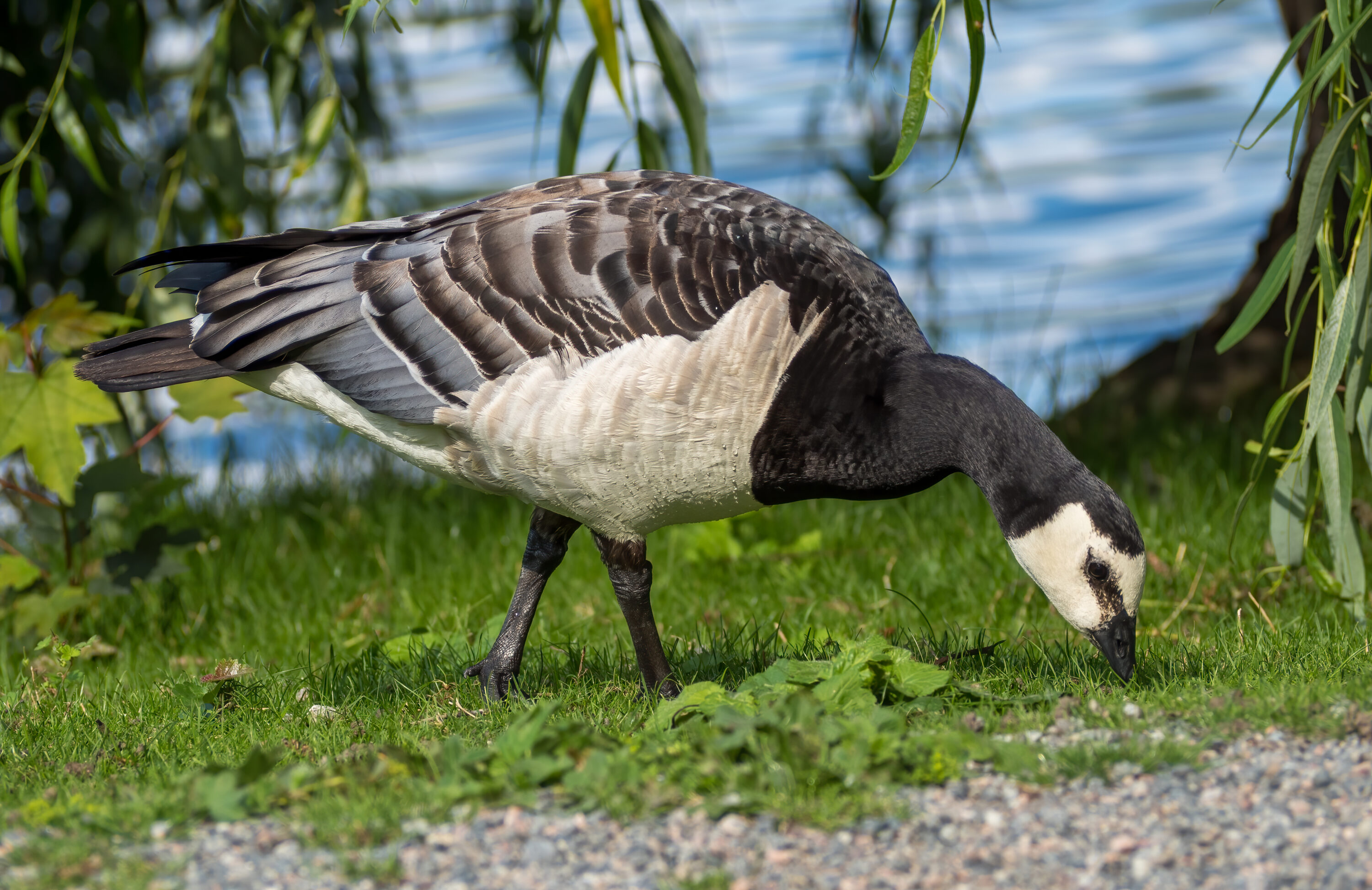
Barnacle Goose Breeding Population Fell 98% on Gotland and Öland – Eagle Predation a Likely Factor
Breeding pairs of Barnacle Geese on Gotland and Öland fell from about 5,290 in 2002 to roughly 100…
Read story →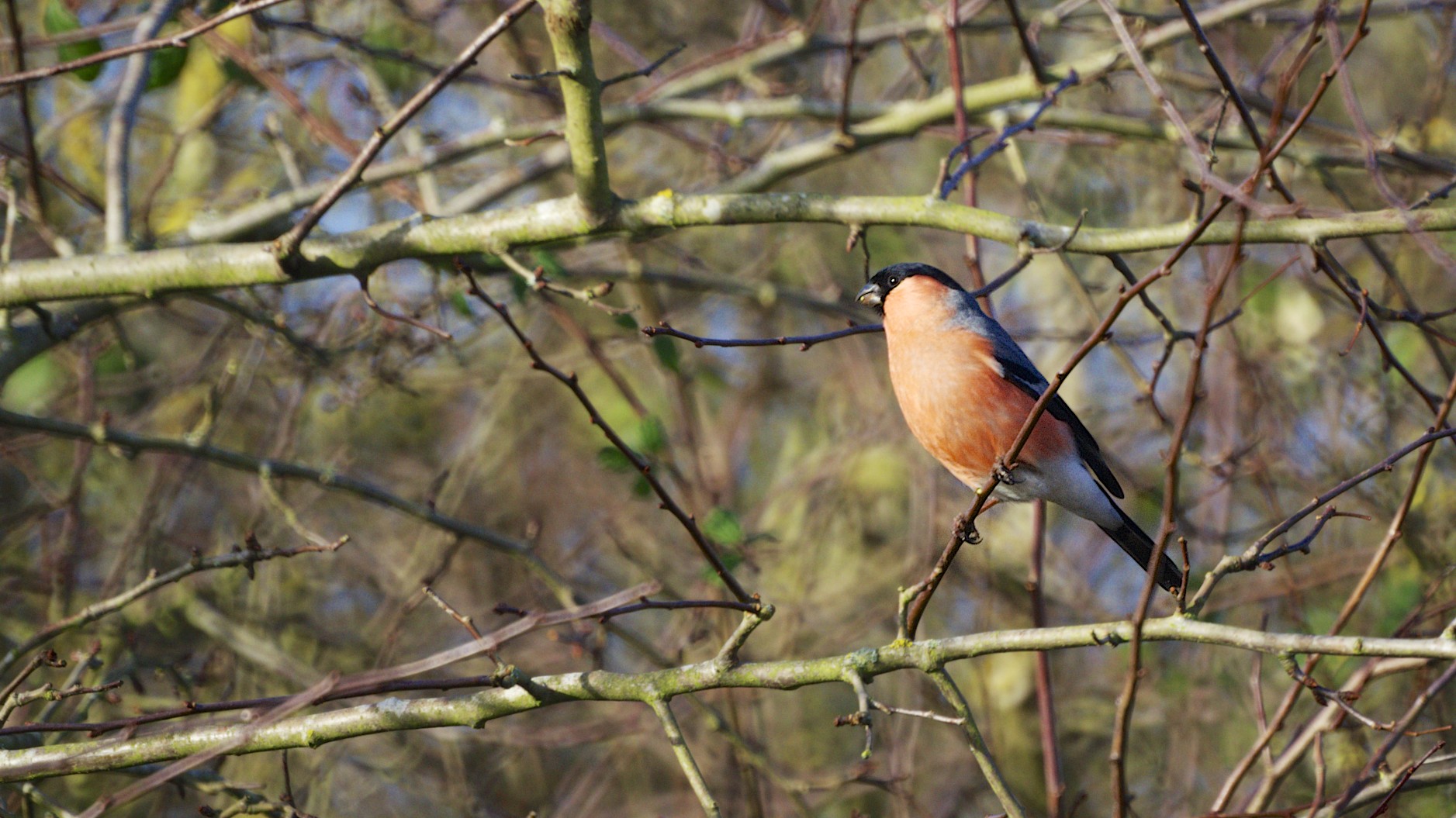
51 Years of Bullfinch Monitoring Revealed Decline, Male Bias and Age-Matched Pairs
A 51-year study in Treswell Wood, England, recorded a strong Eurasian Bullfinch decline. Among 2,065 ringed birds, males…
Read story →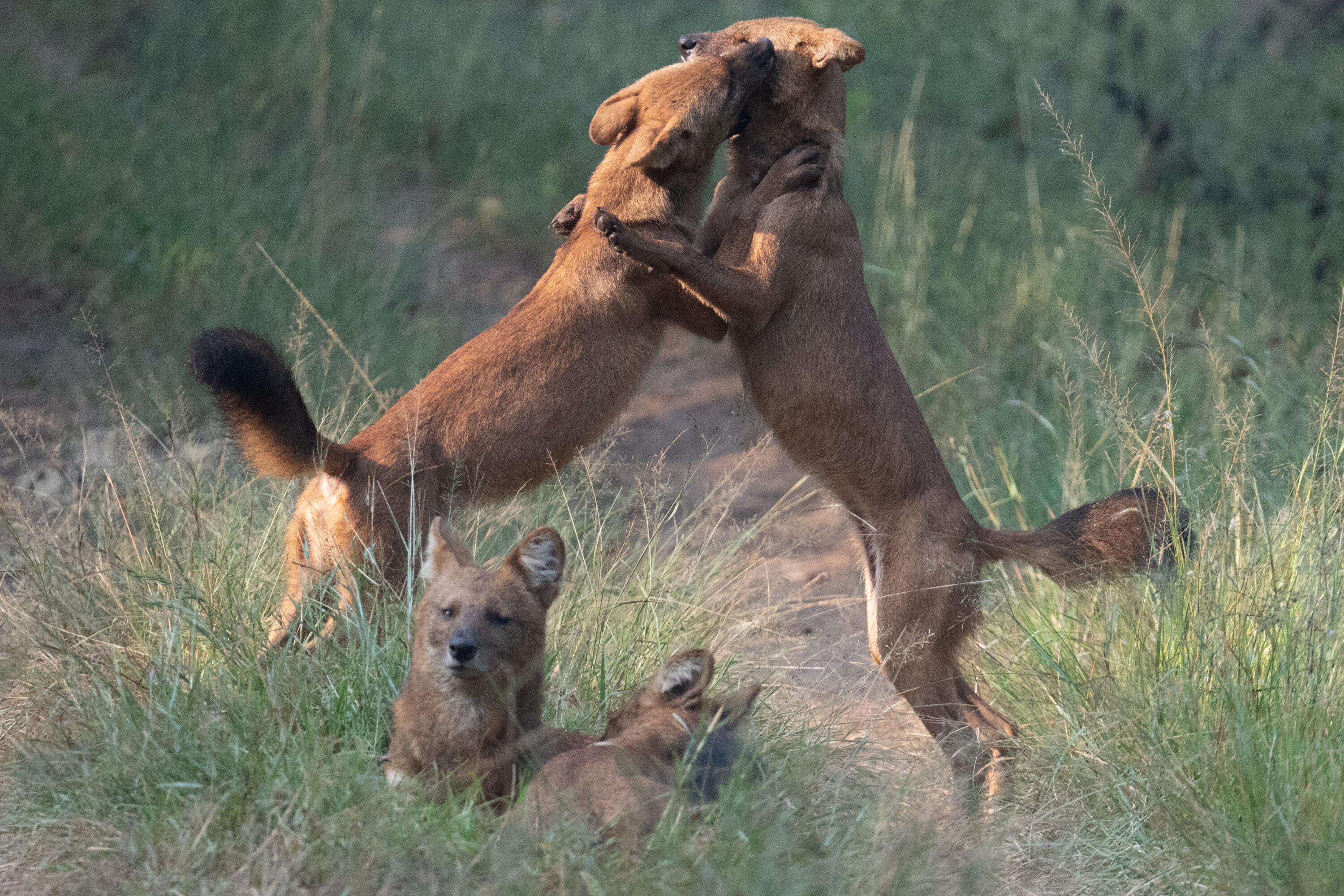
DNA in Droppings Revealed Big Differences in Dhole Density
Researchers used DNA from droppings to monitor dholes in six forest sites in India’s Western Ghats. They estimated…
Read story →SPECIES IN THIS STORY
Species in this story
Independent research and conservation news archive
Did you find this information useful?
Wildlife Vagabond is independently built and maintained. Voluntary support helps cover source verification, hosting and continued work on research and conservation news.
Support Wildlife VagabondThe news archive will remain freely available.