
More Than 80% of Belarus’s Urban Magpie Pairs Were Concentrated in Minsk

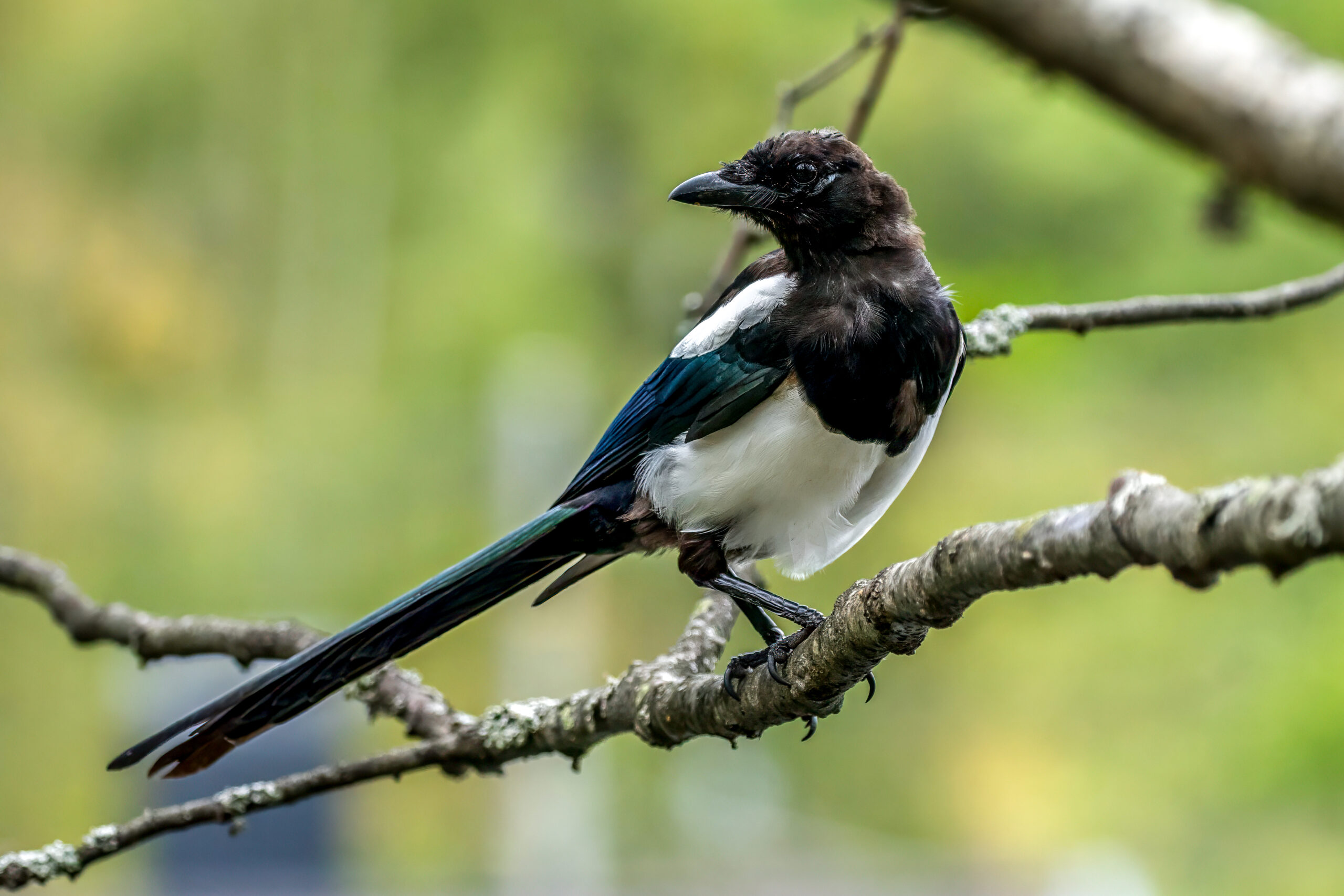
A national-scale assessment of urban eurasian magpies (Pica pica) in Belarus found a highly uneven distribution among cities. Researchers estimated 6,000–6,300 urban breeding pairs across the country, with 5,000–5,400 pairs — more than 80% — concentrated in Minsk. The study was published on 14 April 2026 in Contemporary Problems of Ecology.
The researchers carried out quantitative censuses in 2024 and 2025 across suitable habitats in 19 large and 12 small cities. They also used long-term observations from Minsk from 2015 to 2025 to examine changes in breeding density and habitat use.
Minsk held more than 80% of Belarus’s urban breeding pairs
Outside Minsk, urban populations were much smaller. Baranovichi, which ranked second in the number of breeding pairs, had no more than 130 pairs. In 13 of the largest cities, magpies were either absent or represented by isolated breeding pairs, with no more than ten pairs. The authors interpret this pattern as evidence that urban magpie populations developed independently in different parts of Belarus.
Low-rise residential areas held the highest breeding density
In Minsk, average breeding density was 27 pairs per km², and the population had increased compared with 2015–2016. Breeding density was highest in low-rise residential areas and small patches of trees and shrubs, while lower densities were recorded in multi-storey housing areas and larger tree or shrub stands.
Despite the overall positive population trend in Minsk, the authors report pronounced year-to-year fluctuations and continued redistribution of breeding pairs across the city. They also note that suitable urban habitat remains unoccupied in parts of Minsk and suggest that, together with the species’ ecological flexibility, this could allow the urban population to continue increasing.
Population & status
Related news
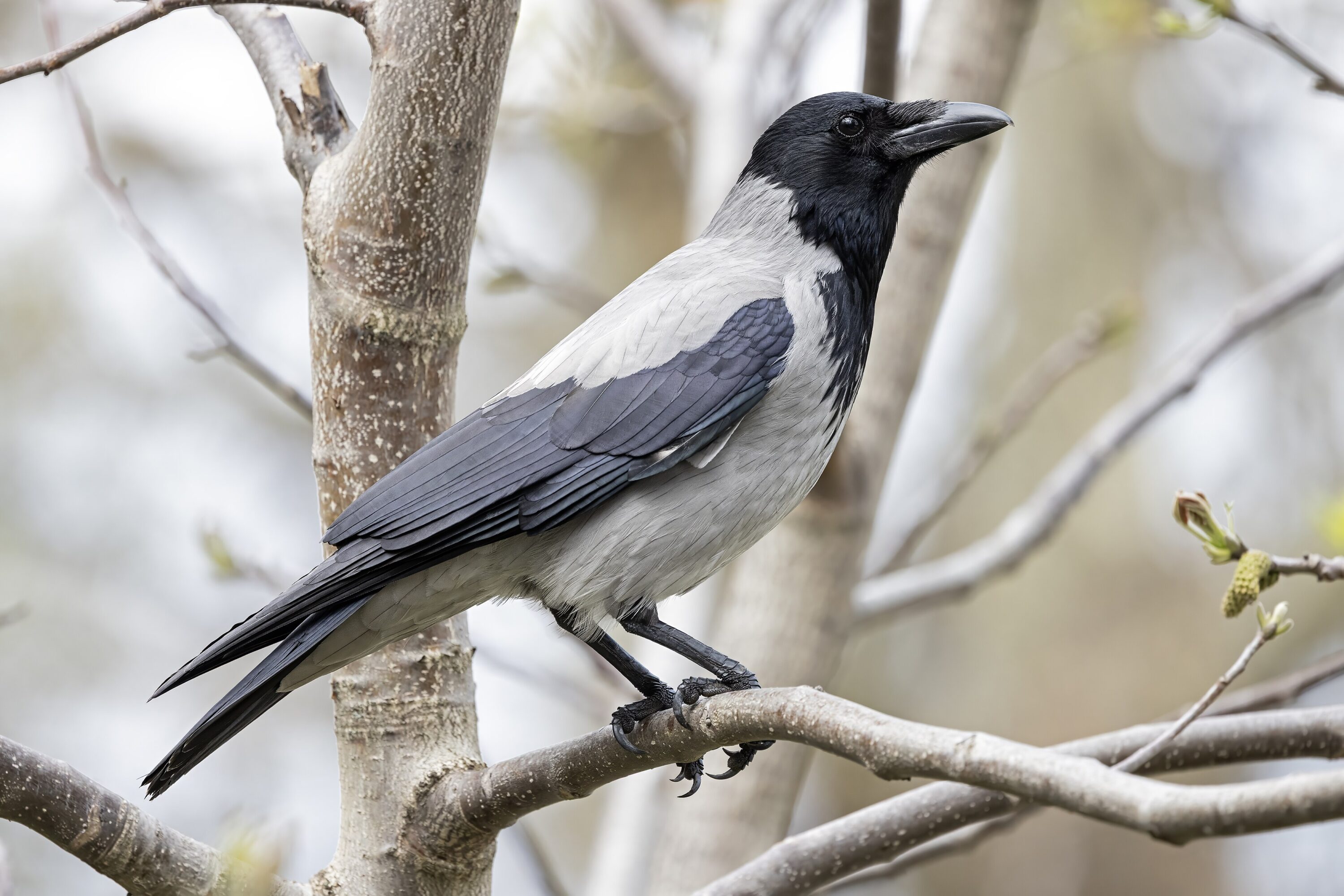
Hooded Crows Were Linked to 87 Reported West Nile Virus Bird Outbreaks in Europe
The September ECDC–EFSA report linked hooded crows to 87 reported West Nile virus bird outbreaks, Eurasian magpies to…
Read story →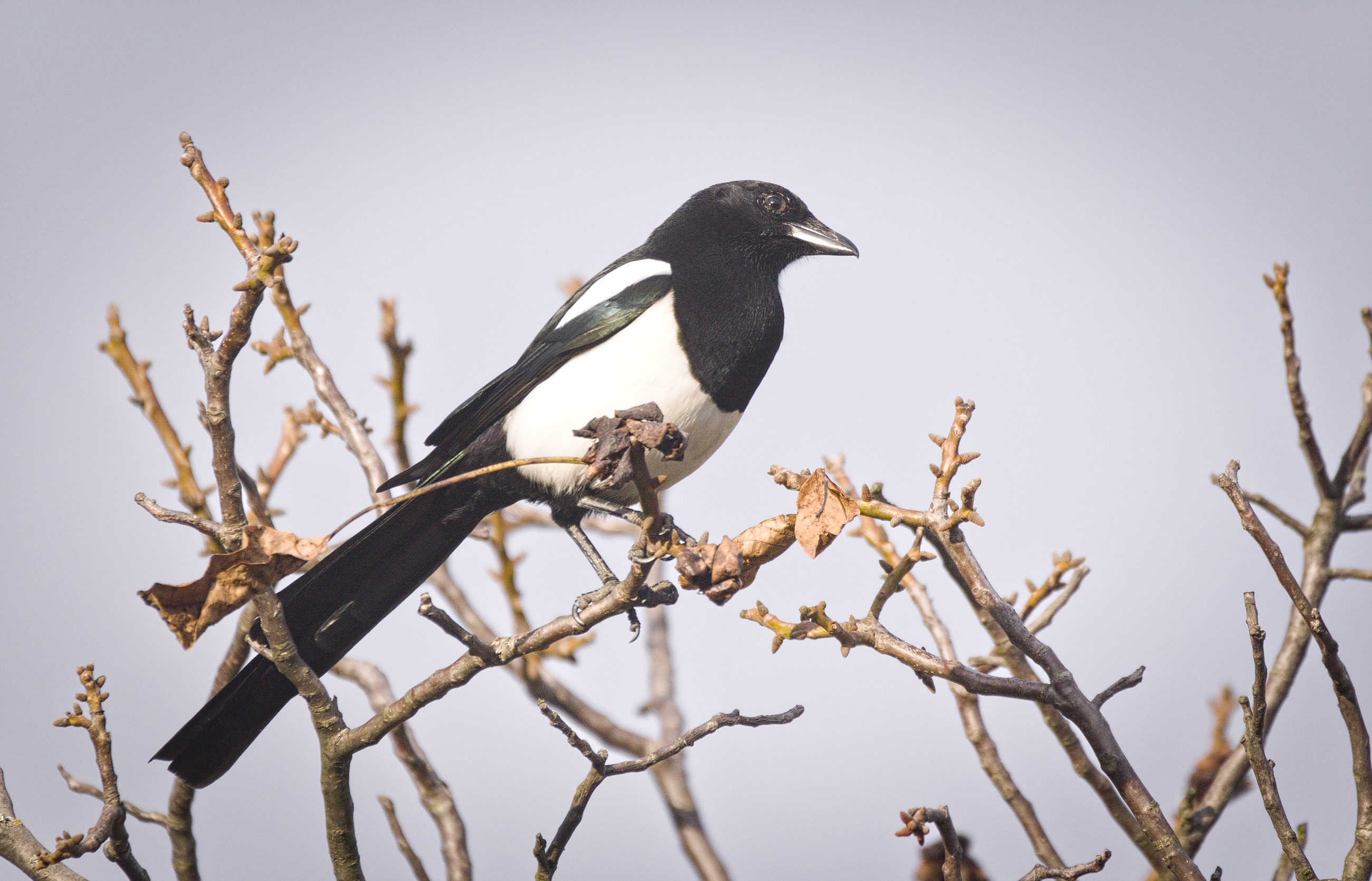
Magpies Dominated Predation on Artificial Pheasant Nests in Polish Urban Sites, Red Foxes in Farmland
Eurasian magpies were the main predator at destroyed artificial pheasant nests in Polish urban sites, while red foxes…
Read story →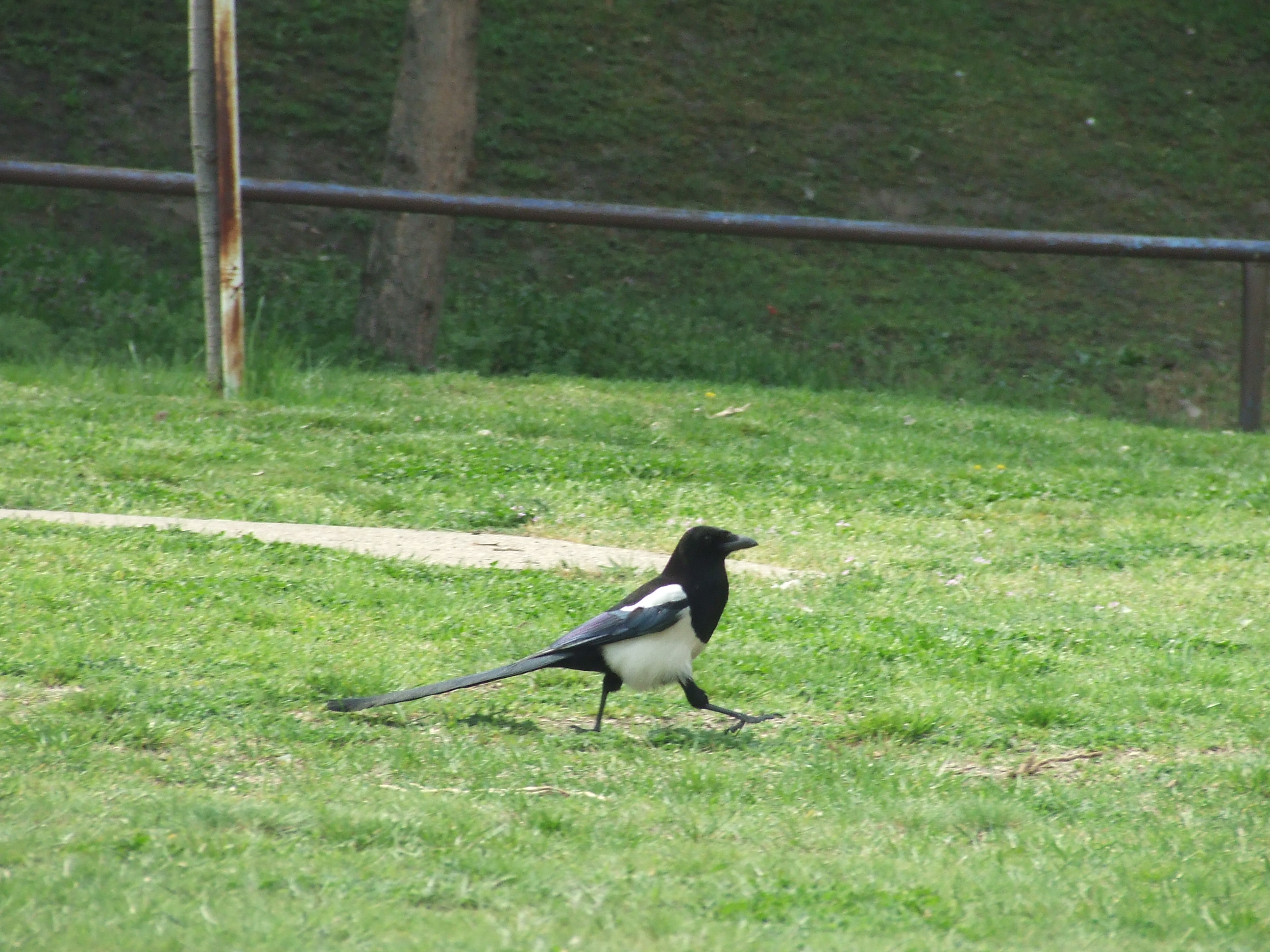
Parasite DNA Was Found in 7% of Eurasian Magpie Brain Samples in Hungary
Brain samples from 273 Eurasian magpies at two sites near urban areas in Hungary contained parasite DNA in…
Read story →SPECIES IN THIS STORY
Species in this story
Independent research and conservation news archive
Did you find this information useful?
Wildlife Vagabond is independently built and maintained. Voluntary support helps cover source verification, hosting and continued work on research and conservation news.
Support Wildlife VagabondThe news archive will remain freely available.