
Black-backed jackals in Namibian livestock areas rely mostly on wild prey
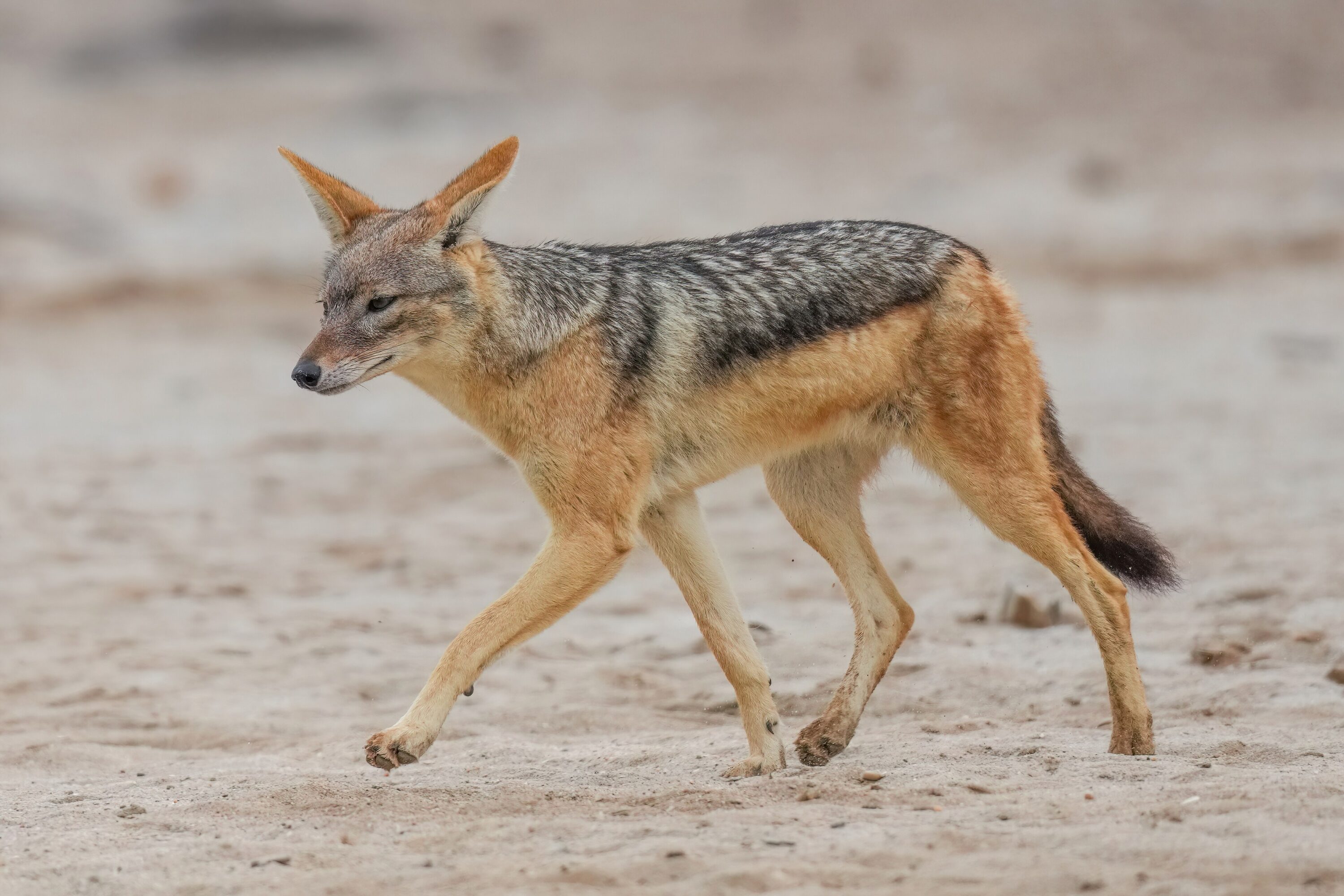
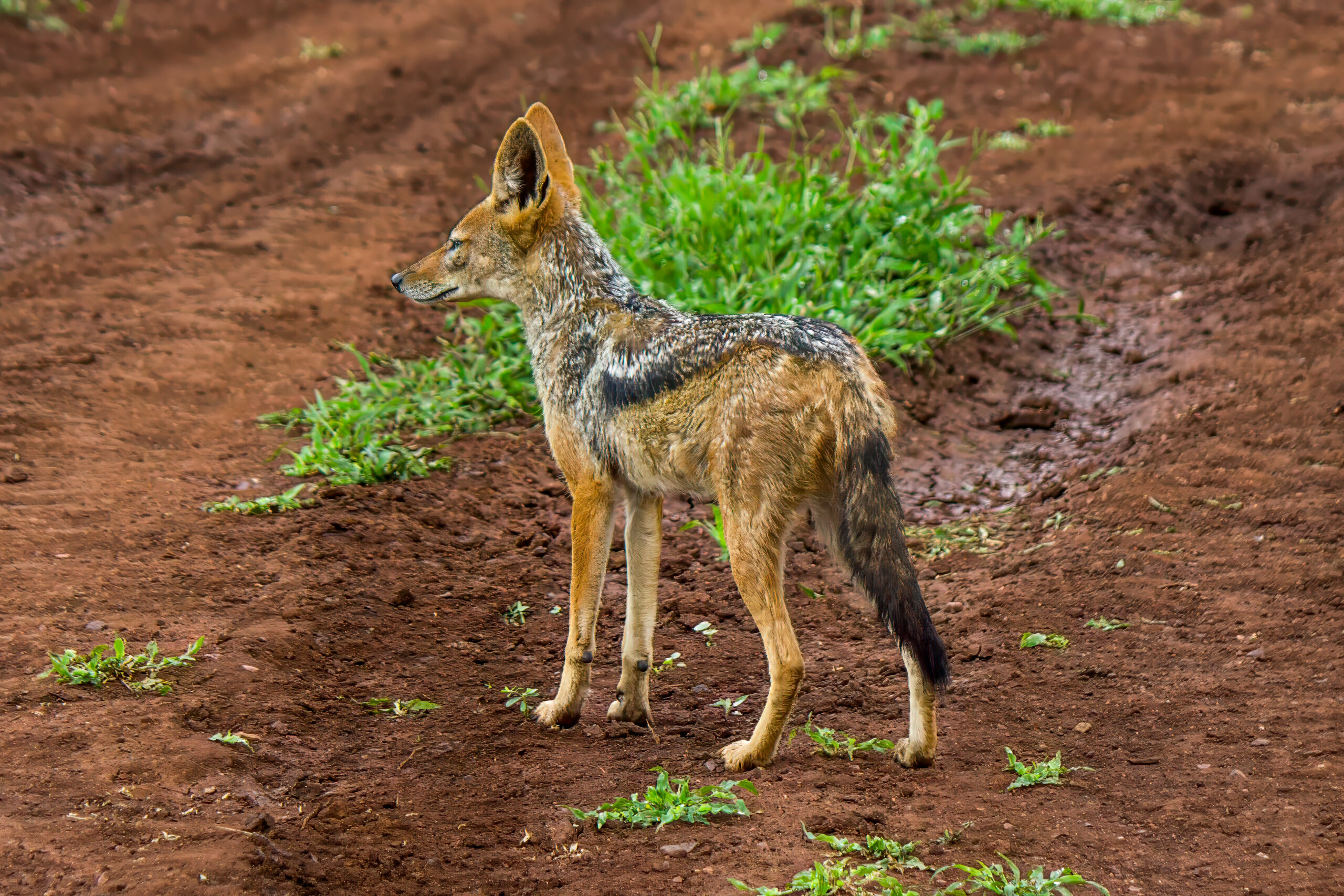
Black-backed jackals (Lupulella mesomelas) are frequently blamed for losses of sheep and goats in southern Africa. A study published in July 2026 tested how closely that perception matches what jackals actually eat in a livestock-dominated landscape in central-eastern Namibia.
Researchers collected suspected jackal scats between 2019 and 2022 in four communal conservancies in the Okakarara District. The samples were genetically confirmed as black-backed jackal before their contents were analysed. The team also compared jackal diet close to and farther than 10 kilometres from known African wild dog denning areas to test whether the larger carnivore changed the food available to jackals.
Wild ungulates supplied 48.8% of estimated food biomass
Small mammals and beetles were among the food items found most frequently, but they contributed relatively little biomass. Biomass estimates are useful here because a small prey item can appear frequently in scat while still contributing much less food mass than a large ungulate. Wild ungulates made up the largest share of the estimated food biomass at 48.8 percent. Livestock, mainly smallstock such as sheep and goats, contributed 15.9 percent.
When the researchers compared the diet with spatial estimates of how widely different potential food sources used the landscape, smallstock appeared to be consumed less than expected from those availability proxies. African wild dog den proximity had no detectable effect on jackal diet.
The authors conclude that black-backed jackals in these Namibian communal conservancies obtained most of their dietary biomass from wild ungulates, while livestock contributed a smaller share. They suggest that maintaining abundant wild prey could help reduce livestock depredation and support coexistence with carnivores in livestock-producing landscapes.
Human–wildlife conflict
Related news
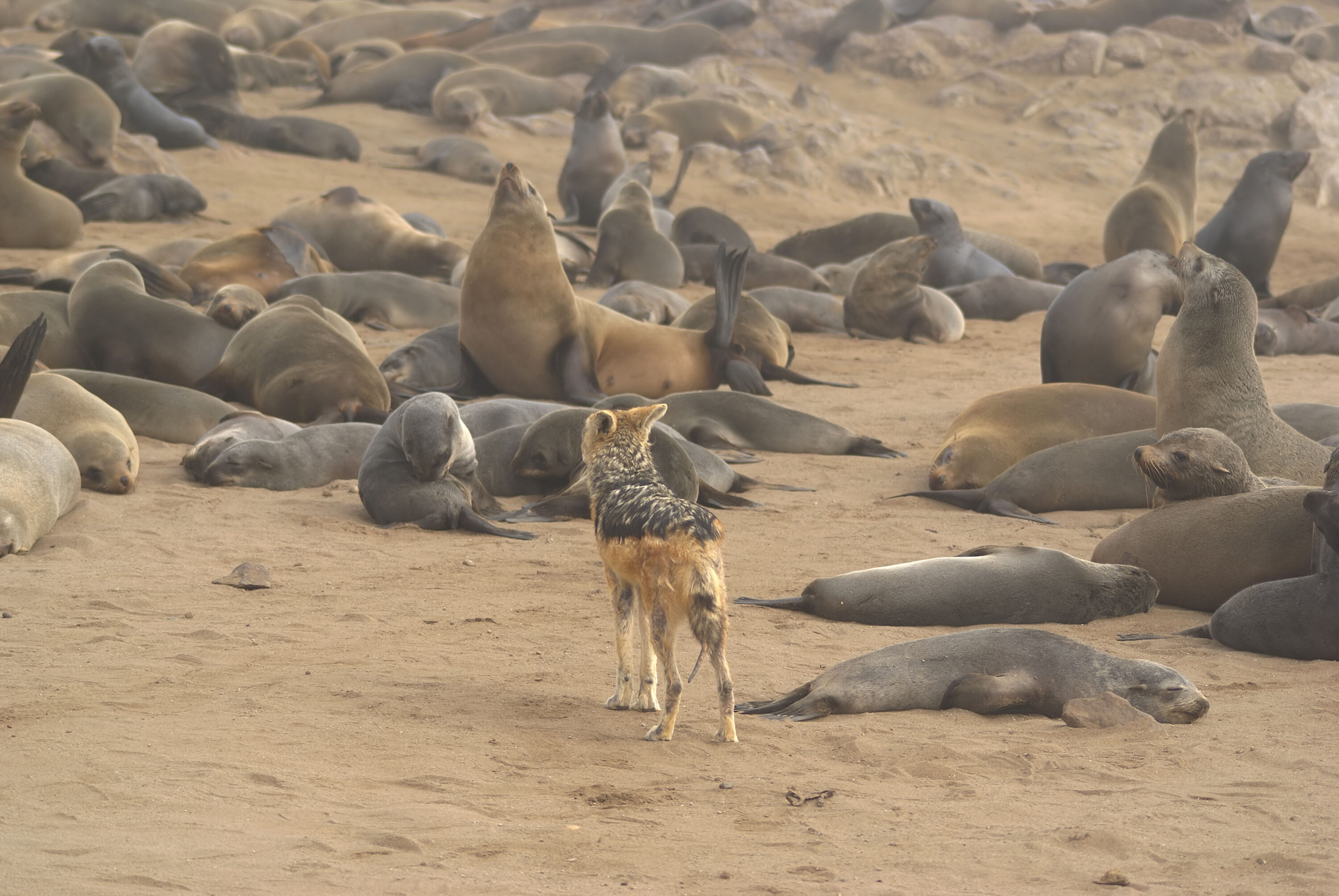
Rabies Likely Jumped From Black-backed Jackals to Cape Fur Seals and Then Spread Among Seals
Viral sequences from 51 South African fur seals point to a single rabies introduction, most likely from black-backed…
Read story →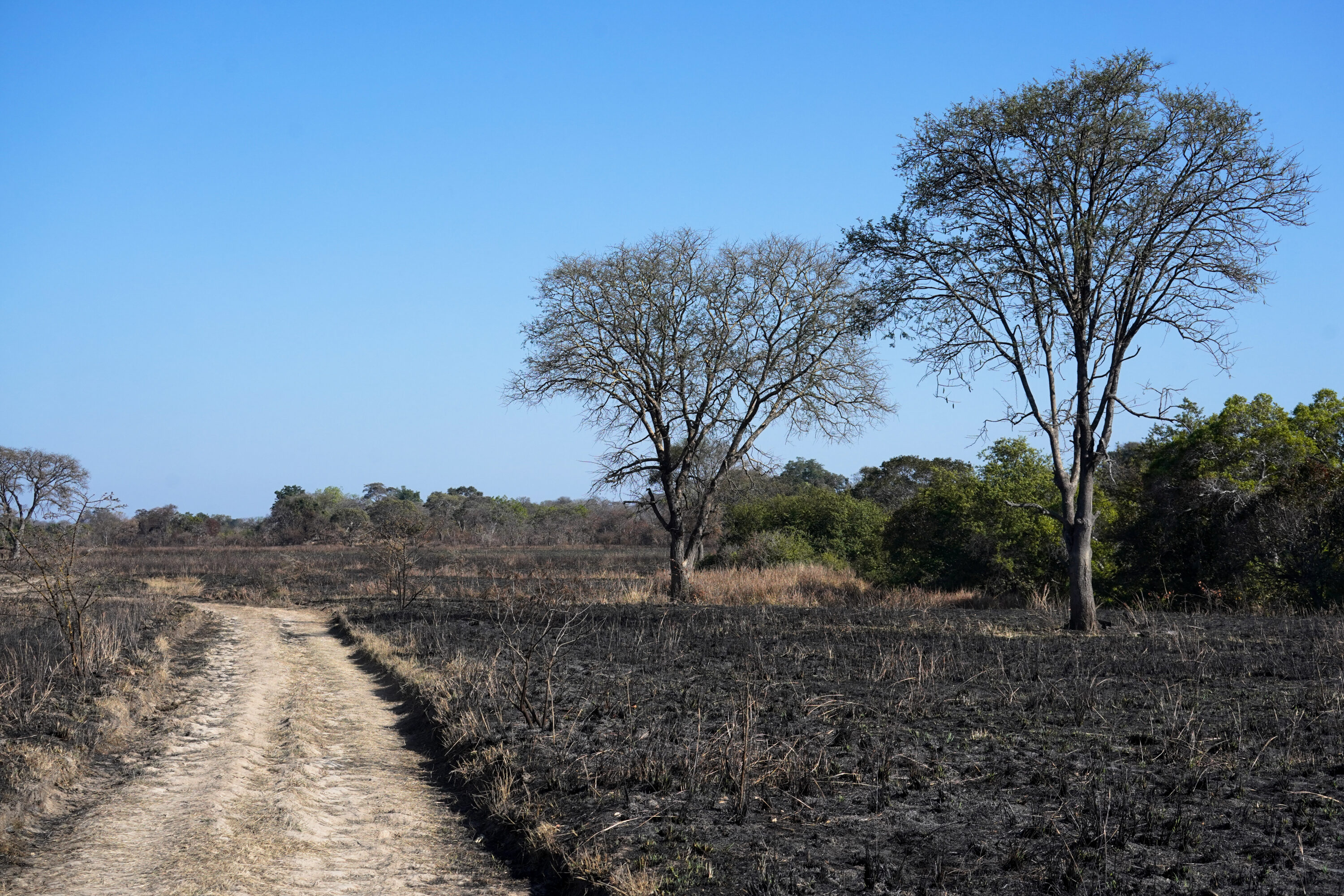
Local Mammal Site Use Fell in Burned Namibian Savanna During the First Five Months After Wildfire
Camera traps following 31 medium- and large-sized mammal species in eastern Namibia found that local site use in…
Read story →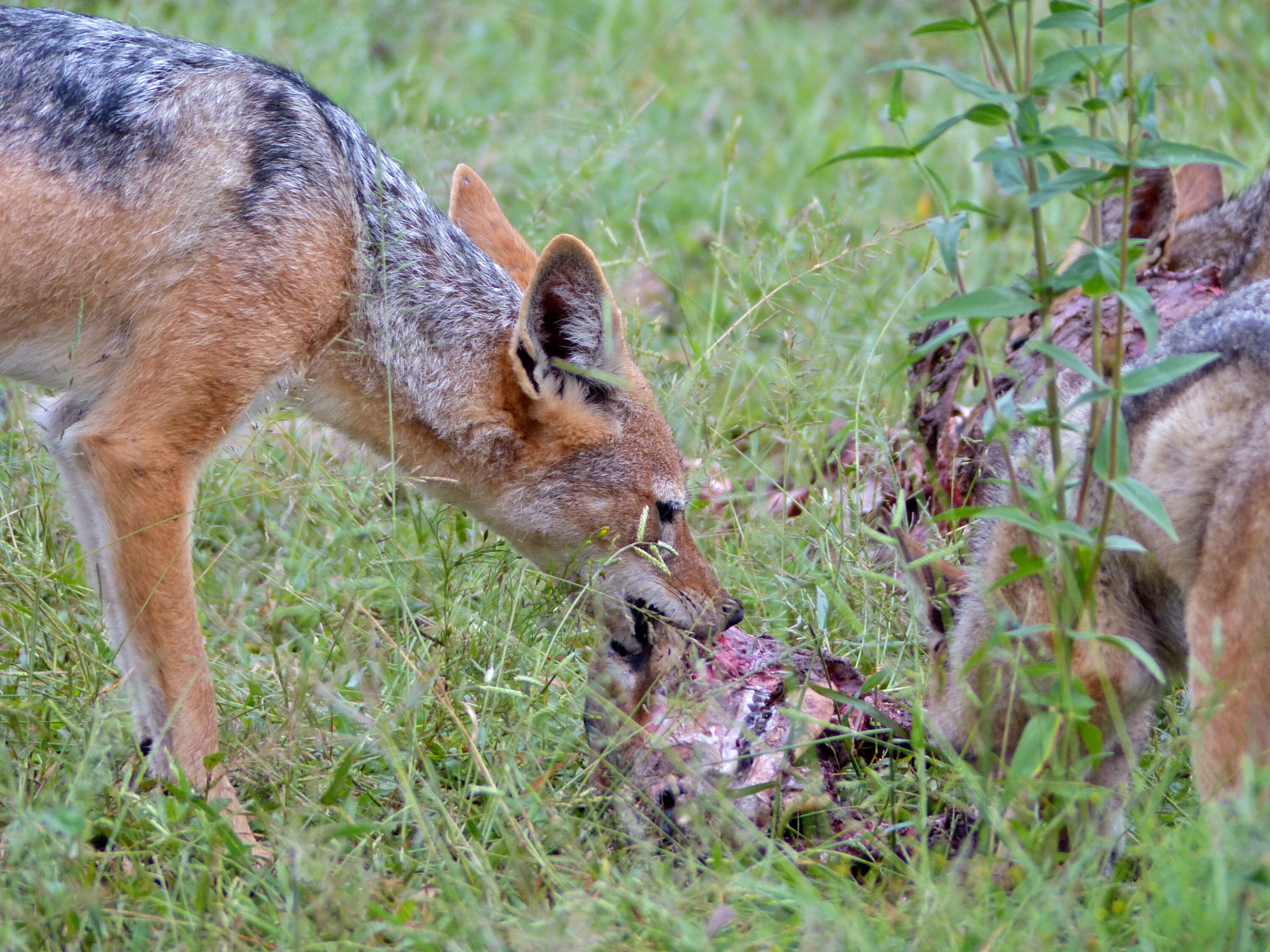
Small Mammal Activity Rose Around Carcasses Even as Black-Backed Jackal Activity Increased
At a South African nature reserve, small-mammal captures increased around carcasses even as black-backed jackal activity rose, suggesting…
Read story →SPECIES IN THIS STORY
Species in this story
Independent research and conservation news archive
Did you find this information useful?
Wildlife Vagabond is independently built and maintained. Voluntary support helps cover source verification, hosting and continued work on research and conservation news.
Support Wildlife VagabondThe news archive will remain freely available.