
Rabies Likely Jumped From Black-backed Jackals to Cape Fur Seals and Then Spread Among Seals
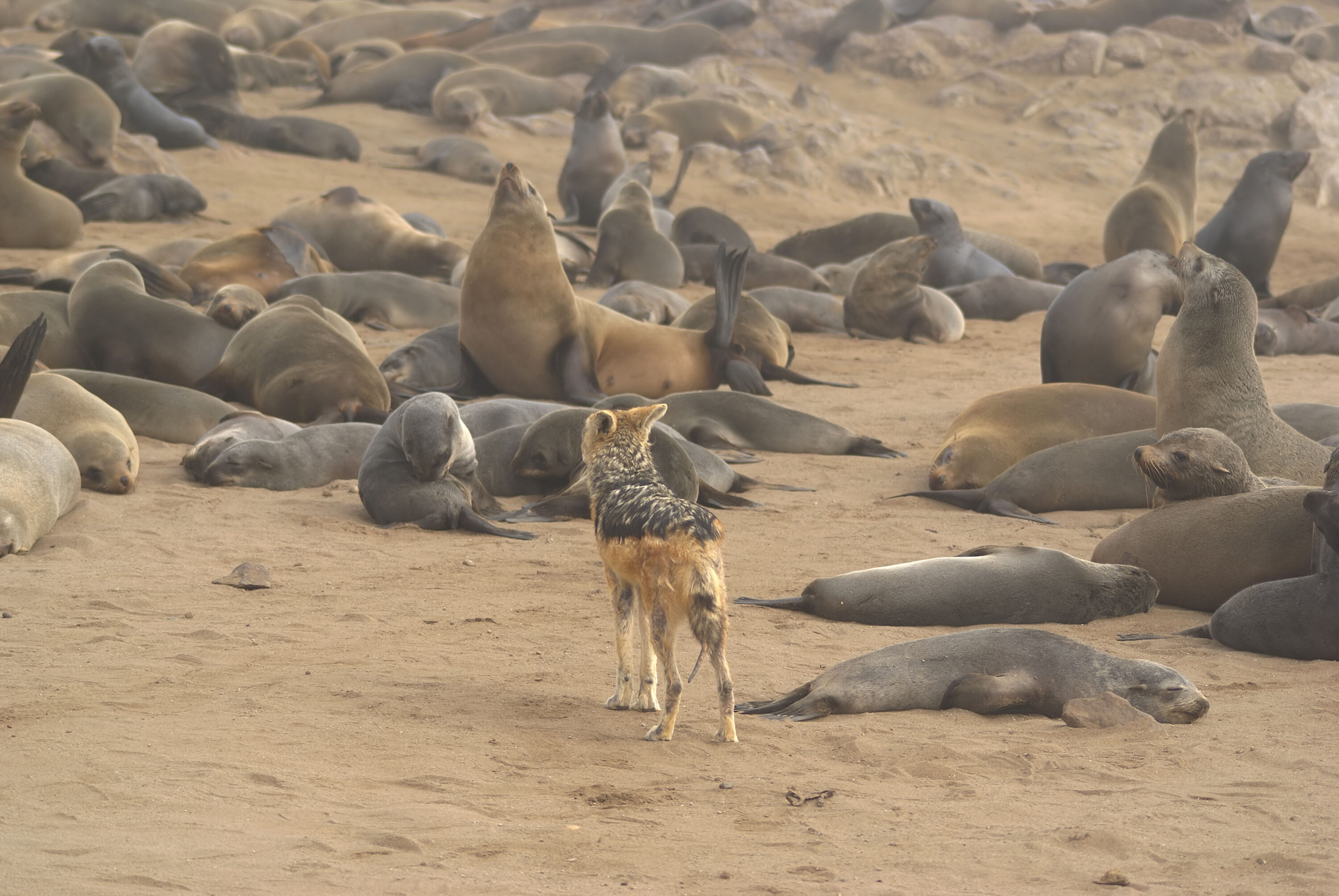
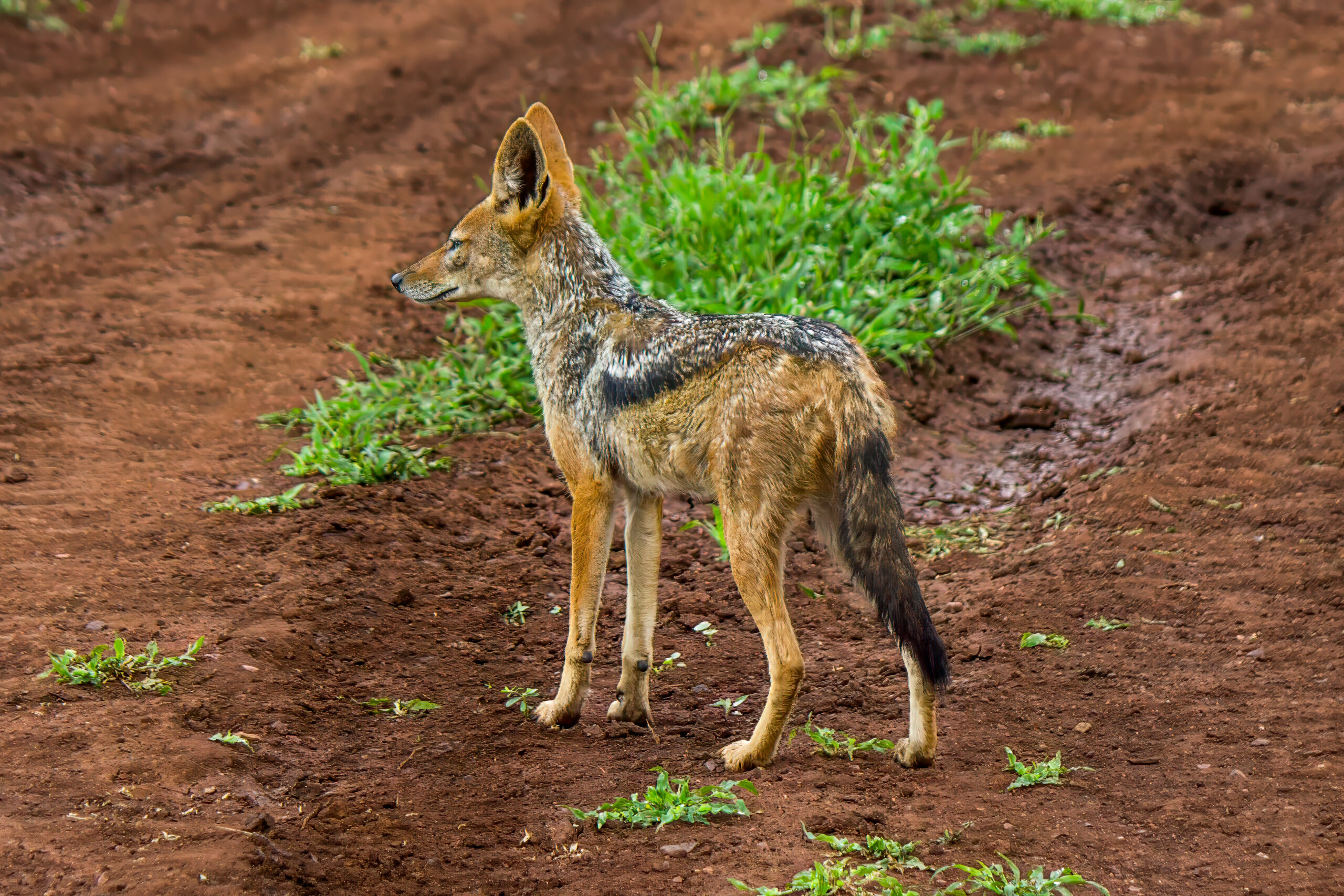
Rabies most likely jumped from black-backed jackals (Lupulella mesomelas) into South African fur seals (Arctocephalus pusillus pusillus) and then began spreading among the seals themselves, according to a 2026 genetic study of the outbreak in South Africa. The same seal virus lineage also appears to have spilled over into a domestic dog.
Researchers tested 216 fur seal brain samples collected along the South African coast between March 2023 and November 2025. Eighty-five were positive for lyssavirus antigen. The earliest confirmed positive sample was a retrospectively tested seal from Cape Town in September 2023.
The seal viruses point to one introduction followed by seal-to-seal spread
The team obtained viral sequences from 51 seals and one domestic dog. Viruses from the seals were extremely similar, sharing 99.8% of their nucleotide sequence. Their close genetic relationship supports a single introduction into the seal population followed by sustained seal-to-seal transmission, rather than repeated introductions from land animals.
Black-backed jackal is the most likely source, not an observed donor
The seal viruses were most closely related to a virus group that included samples from black-backed jackals. Based on the available sequences and the reconstructed history of the virus lineages, the researchers identify the black-backed jackal as the most likely source of the original host shift. Their analysis also suggests that the seal lineage had been circulating for years before the outbreak was recognised through laboratory confirmation in 2024.
The virus from the domestic dog fell within the seal virus group. The dog had sustained a bite wound during an off-leash beach walk shortly before developing rabies, and its owner suspected contact with a seal. Together with the viral clustering, this supports the conclusion that infection had moved from the newly established seal cycle back into a terrestrial mammal.
The positive sample count is not population prevalence
The 85 positive samples are not an estimate of how common rabies was in the entire fur seal population. Sampling relied largely on passive surveillance of seals that were dead or showed neurological signs, so prevalence cannot be calculated from these data. The study nevertheless documents an unusual host shift from a terrestrial carnivore into a marine mammal followed by sustained transmission in the new host population.
Disease, parasites & microbiology
Related news
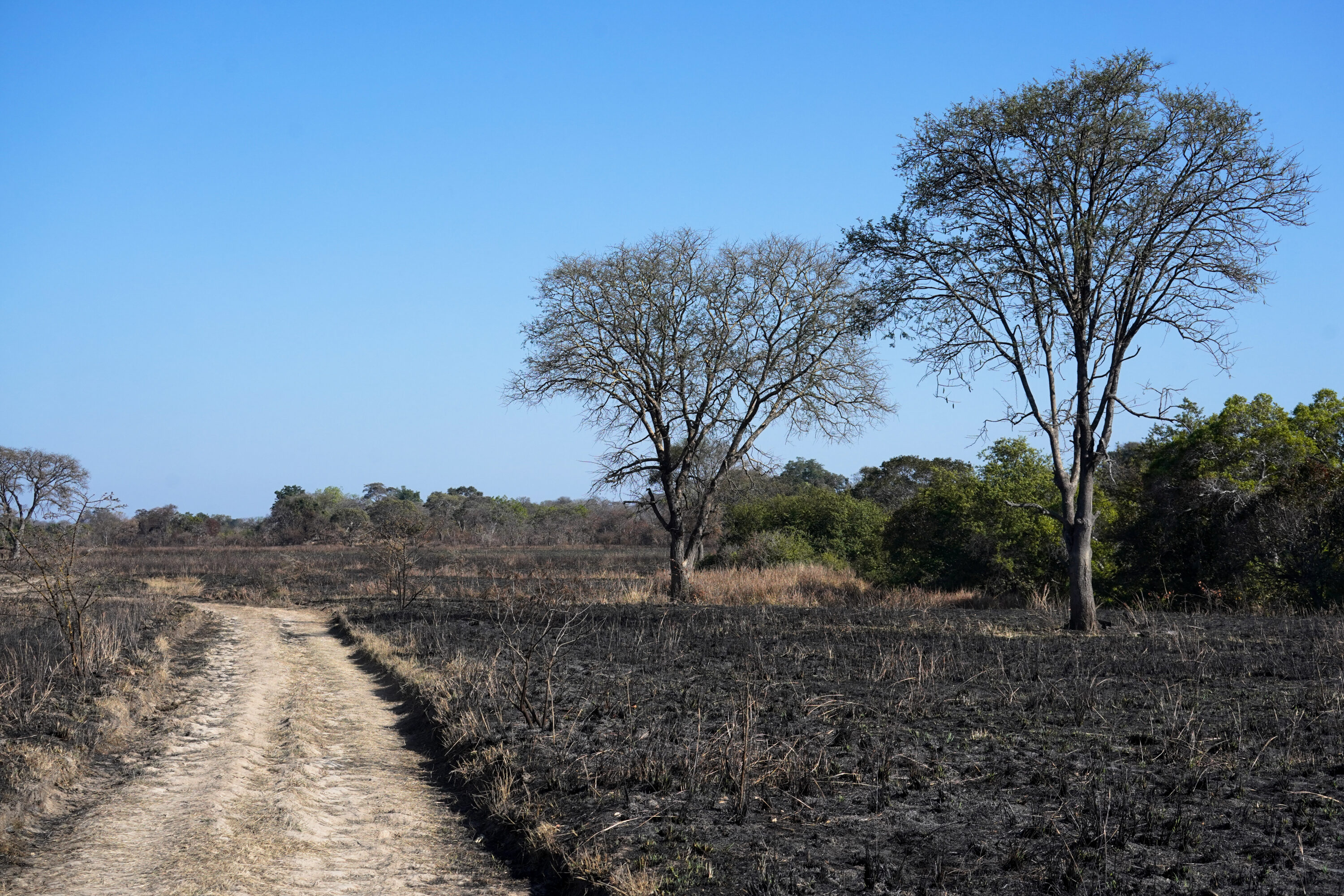
Local Mammal Site Use Fell in Burned Namibian Savanna During the First Five Months After Wildfire
Camera traps following 31 medium- and large-sized mammal species in eastern Namibia found that local site use in…
Read story →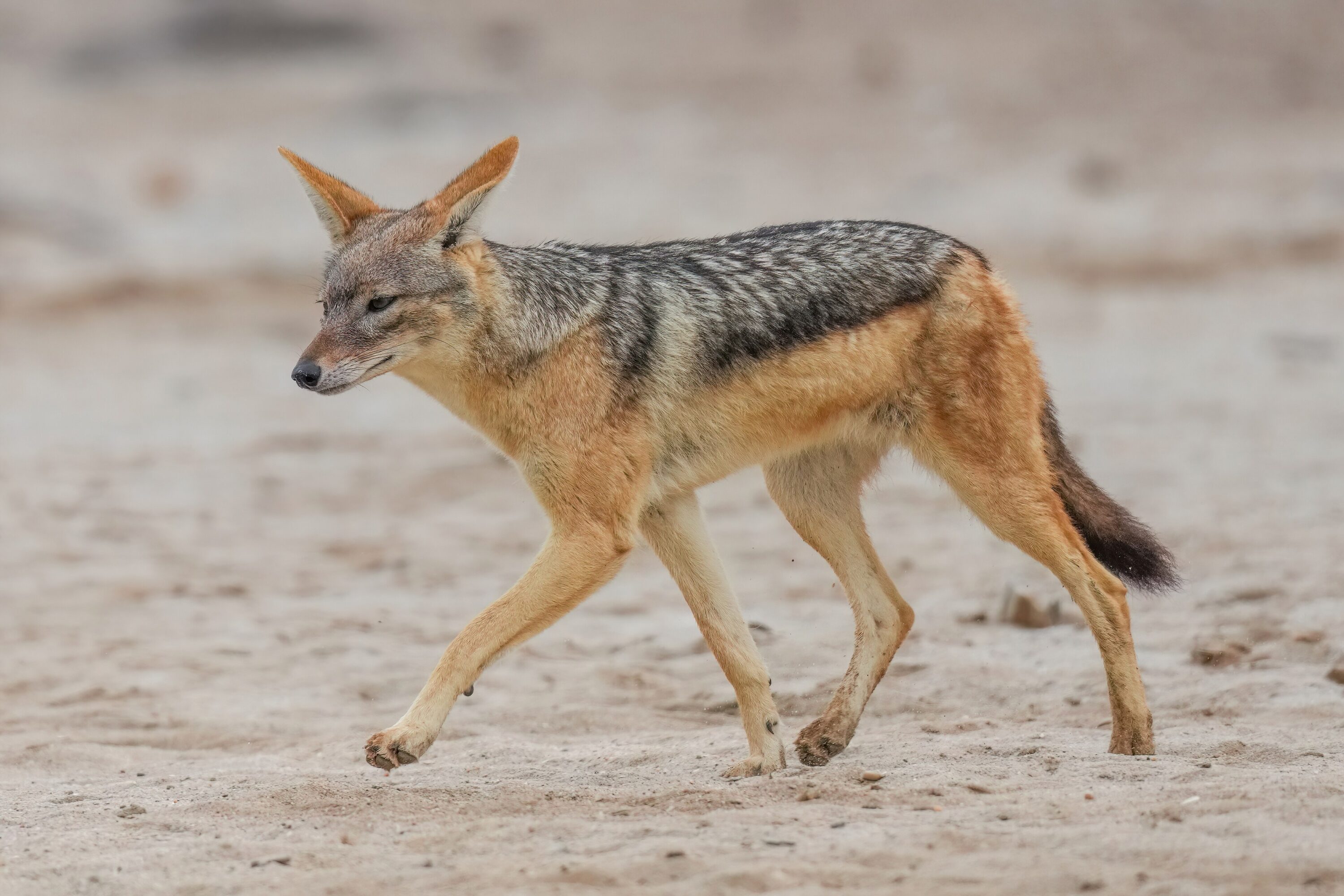
Black-backed jackals in Namibian livestock areas rely mostly on wild prey
Genetically confirmed scat from four communal conservancies in Namibia showed that wild ungulates contributed far more biomass to…
Read story →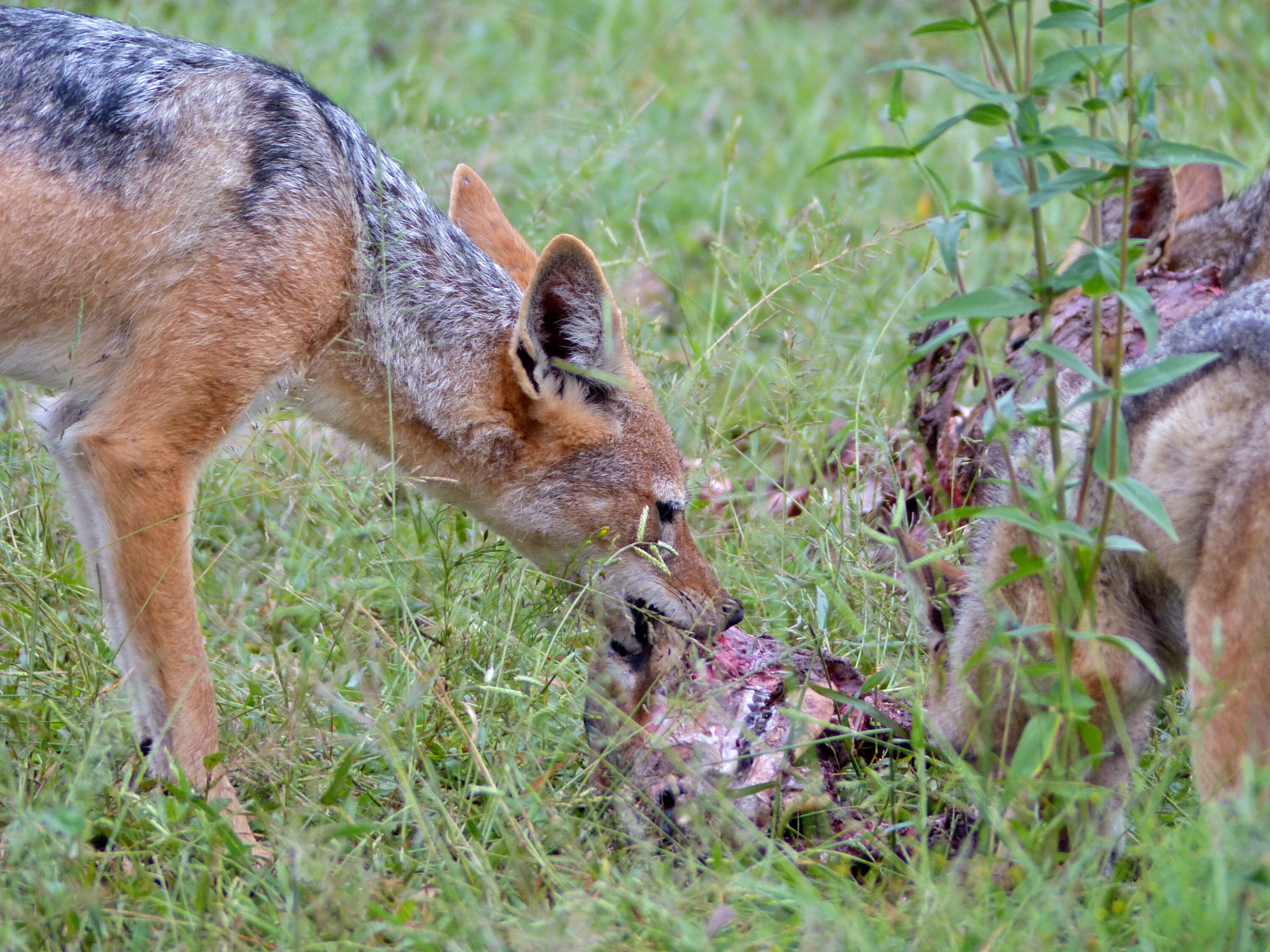
Small Mammal Activity Rose Around Carcasses Even as Black-Backed Jackal Activity Increased
At a South African nature reserve, small-mammal captures increased around carcasses even as black-backed jackal activity rose, suggesting…
Read story →SPECIES IN THIS STORY
Species in this story
Independent research and conservation news archive
Did you find this information useful?
Wildlife Vagabond is independently built and maintained. Voluntary support helps cover source verification, hosting and continued work on research and conservation news.
Support Wildlife VagabondThe news archive will remain freely available.