
Black Woodpecker Cavity-Tree Plots Had Greater Microhabitat Richness Than Controls
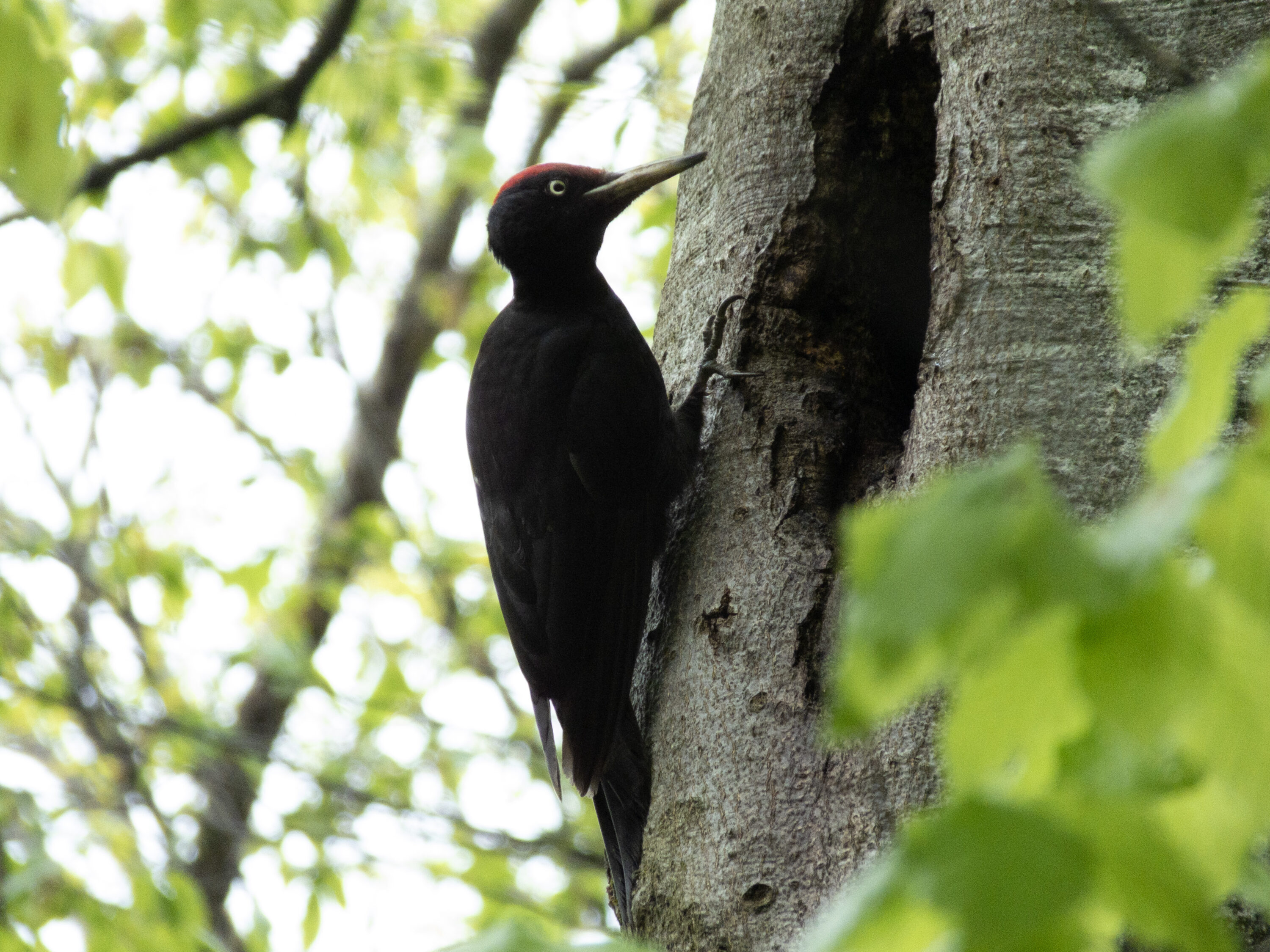
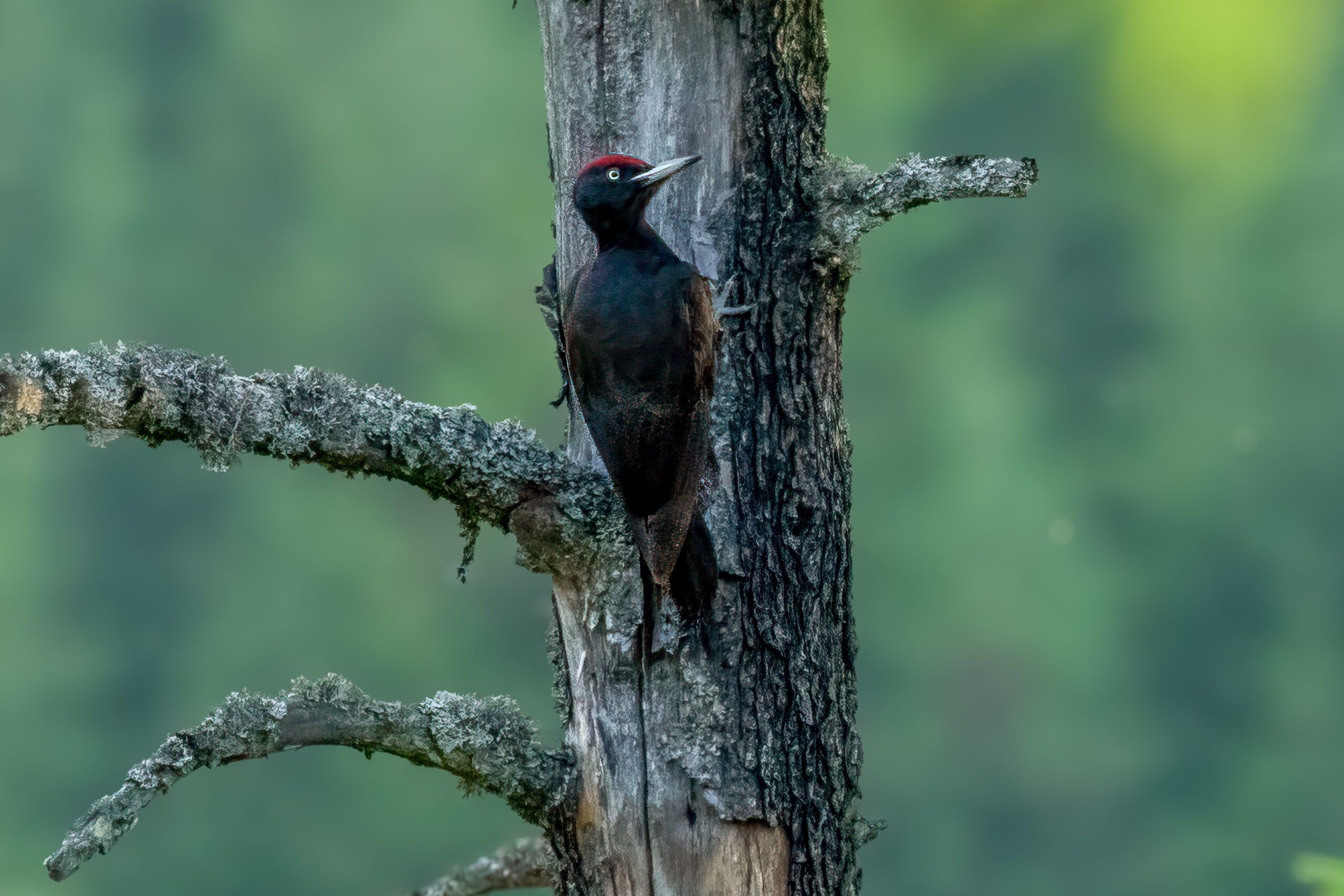
Trees containing black woodpecker (Dryocopus martius) cavities contributed unusually strongly to the variety of small habitat structures found in French forests. A preprint posted on 26 February 2026 found that plots centred on black-woodpecker cavity trees contained a richer set of tree-related microhabitats than paired control plots.
Tree-related microhabitats are distinct structures such as cavities, cracks, exposed wood, dead branches, fungal fruiting bodies and other features that provide resources for forest organisms. The researchers compared black-woodpecker cavity trees and their surroundings with paired forest plots across a broad range of lowland and mountain forests in France.
Removing the cavity tree reduced habitat diversity
The team also constructed four counterfactual scenarios in which the black-woodpecker cavity tree was either removed from the dataset or replaced by other trees that themselves carried microhabitats. This allowed them to estimate how much of the plot-level diversity was specifically associated with the original cavity tree.
Plots with black-woodpecker cavity trees had higher local and overall microhabitat richness than control plots. In every simulated removal or replacement scenario, measures of microhabitat diversity declined, and none of the alternative trees restored the observed richness and composition of the original cavity-tree plots.
Decay and excavation created additional structures
The analysis showed that much of the cavity trees’ contribution came from microhabitats associated with dead or decaying wood. These included features linked to decay processes, excavation scars and secondary structures that develop on the same trees over time.
The authors therefore describe black-woodpecker cavity trees as habitat structures whose value extends beyond the cavity itself. They argue that forest biodiversity indicators and retention guidelines should explicitly recognise these trees rather than treating individual microhabitats as interchangeable.
Ecology
Related news
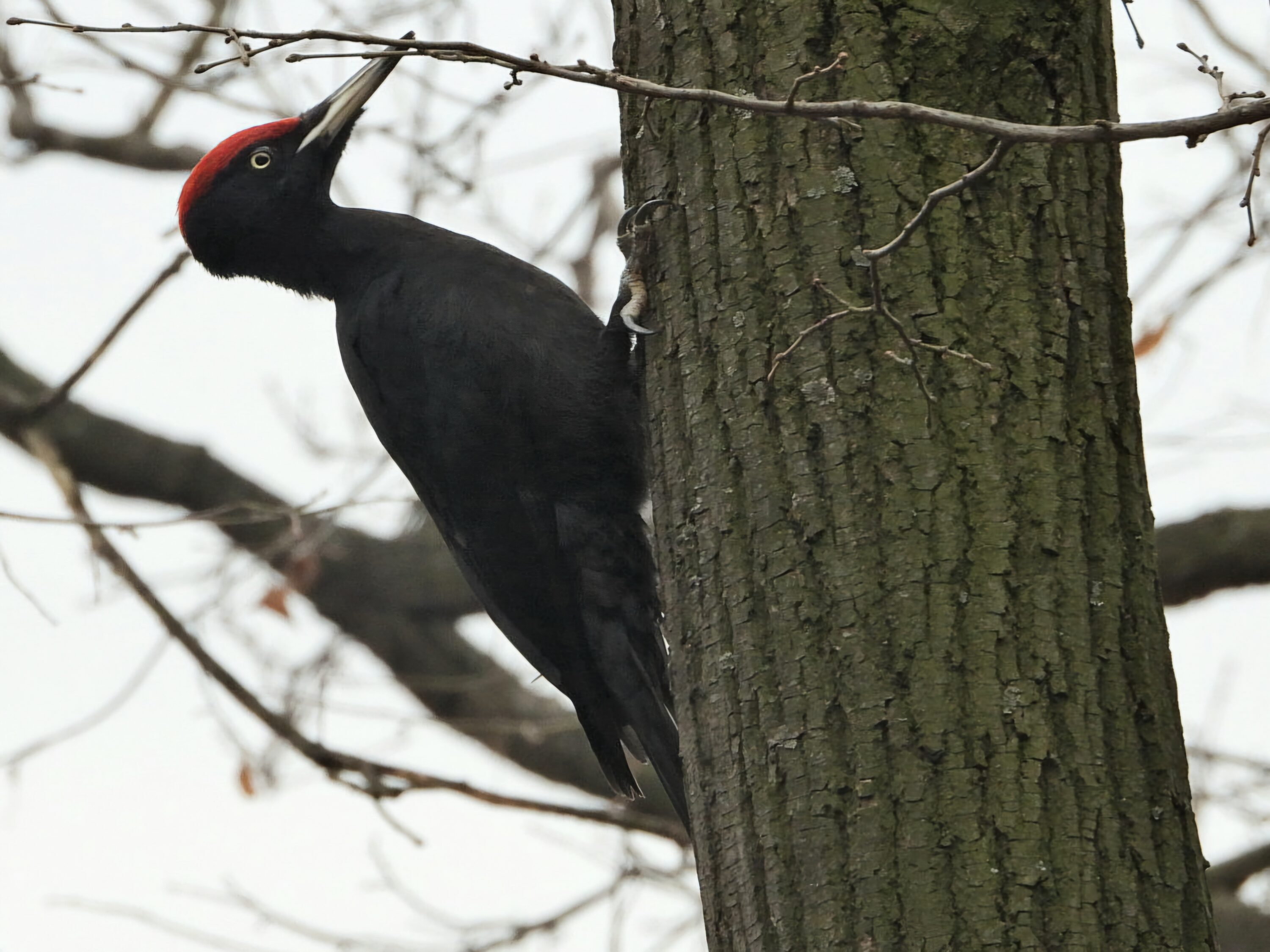
Inside inspections reveal animals missed at Black Woodpecker cavities
In Poland’s Augustów Forest, researchers recorded 50 animal taxa associated with Black Woodpecker cavities. Entrance cameras mostly recorded…
Read story →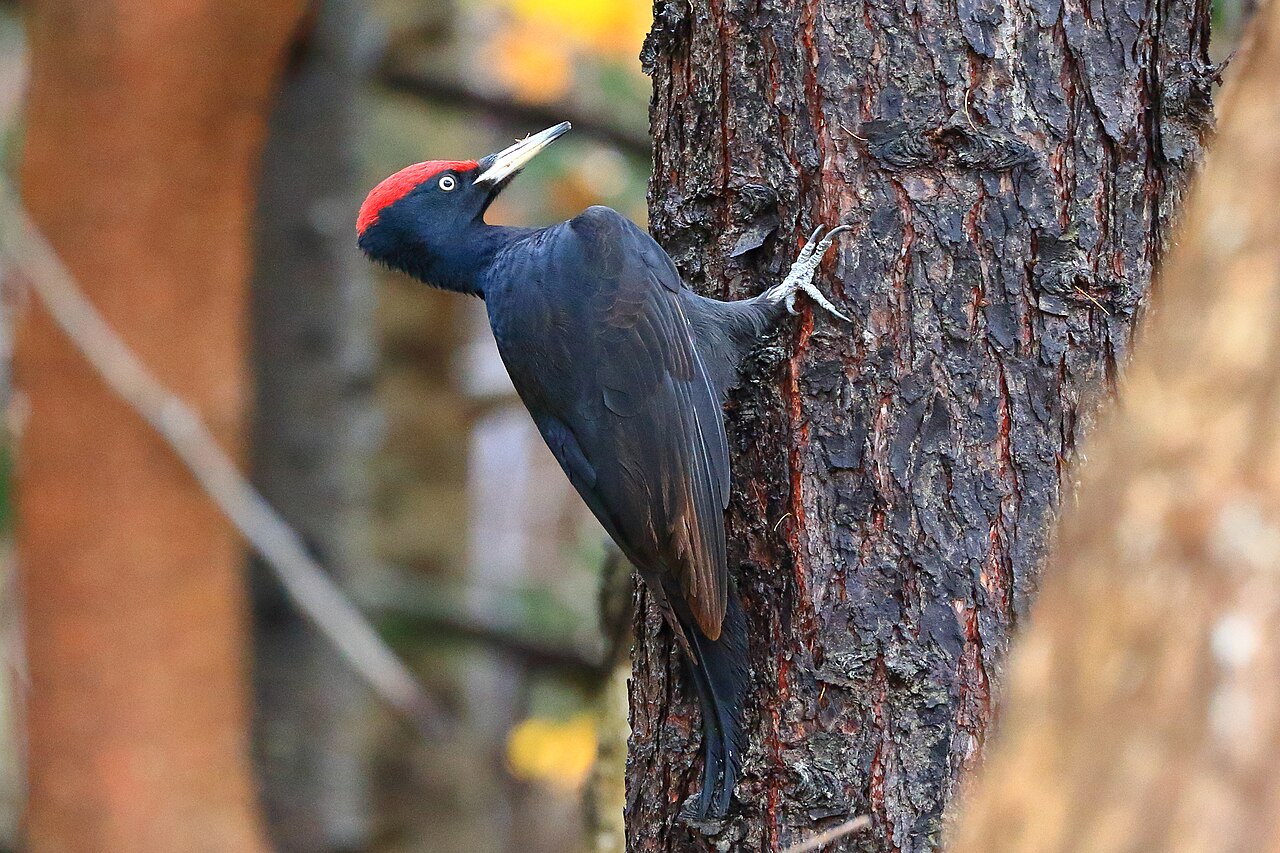
Fresh Black Woodpecker Evidence Found at Mount Moriyoshi, but No Detections in Iwate or Shirakami
A 2026 survey found fresh black-woodpecker evidence at Mount Moriyoshi in Akita, while 169 hours of acoustic monitoring…
Read story →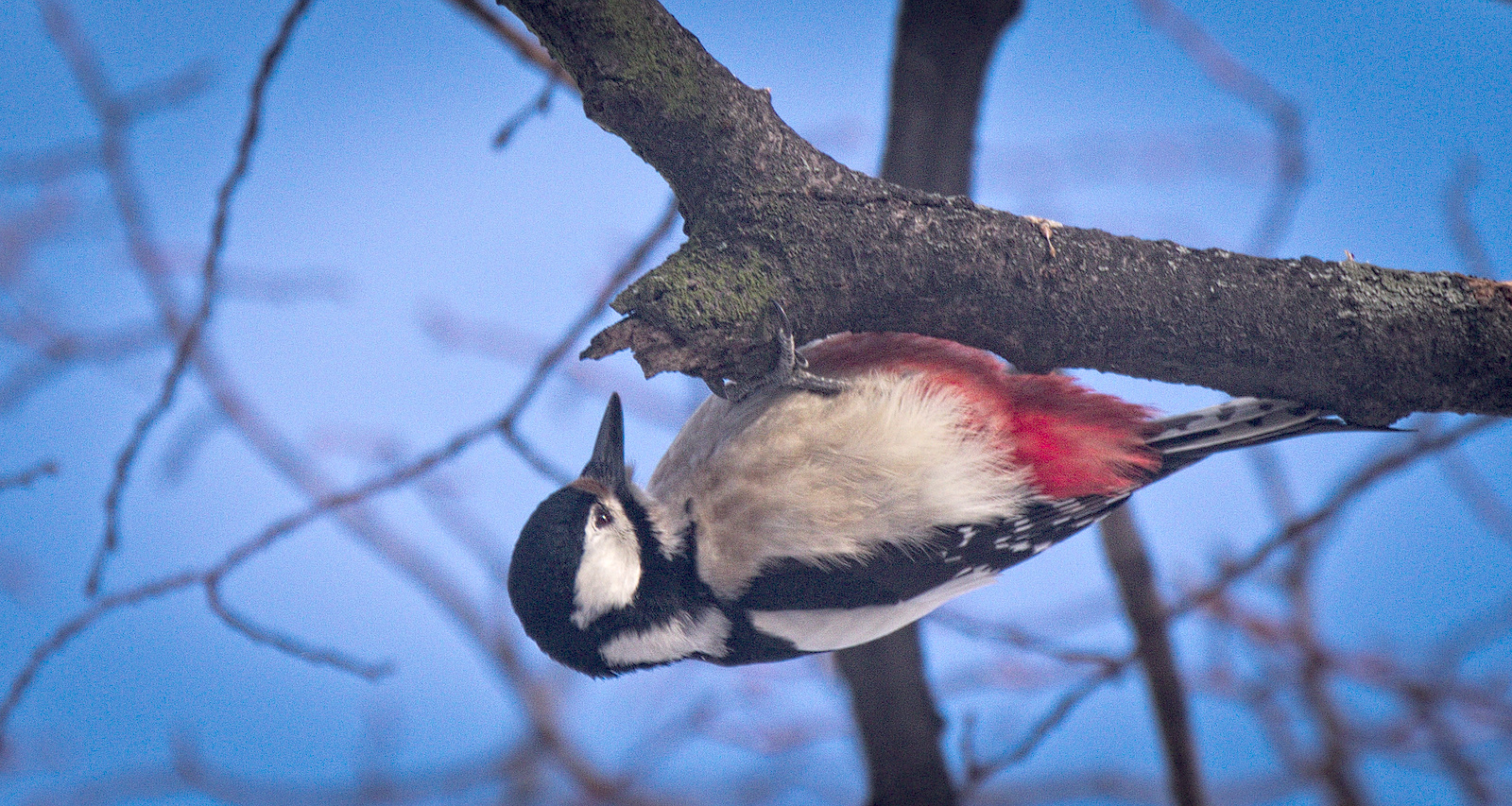
Six European Woodpeckers Shared a Common Eyelid Plan but Showed Microscopic Variation
Microscopic study of 40 woodpeckers from six European species found the same basic eyelid plan, including a fibrous…
Read story →SPECIES IN THIS STORY
Species in this story
Independent research and conservation news archive
Did you find this information useful?
Wildlife Vagabond is independently built and maintained. Voluntary support helps cover source verification, hosting and continued work on research and conservation news.
Support Wildlife VagabondThe news archive will remain freely available.