
Brief caregiver interactions may encourage positive contact between macaques
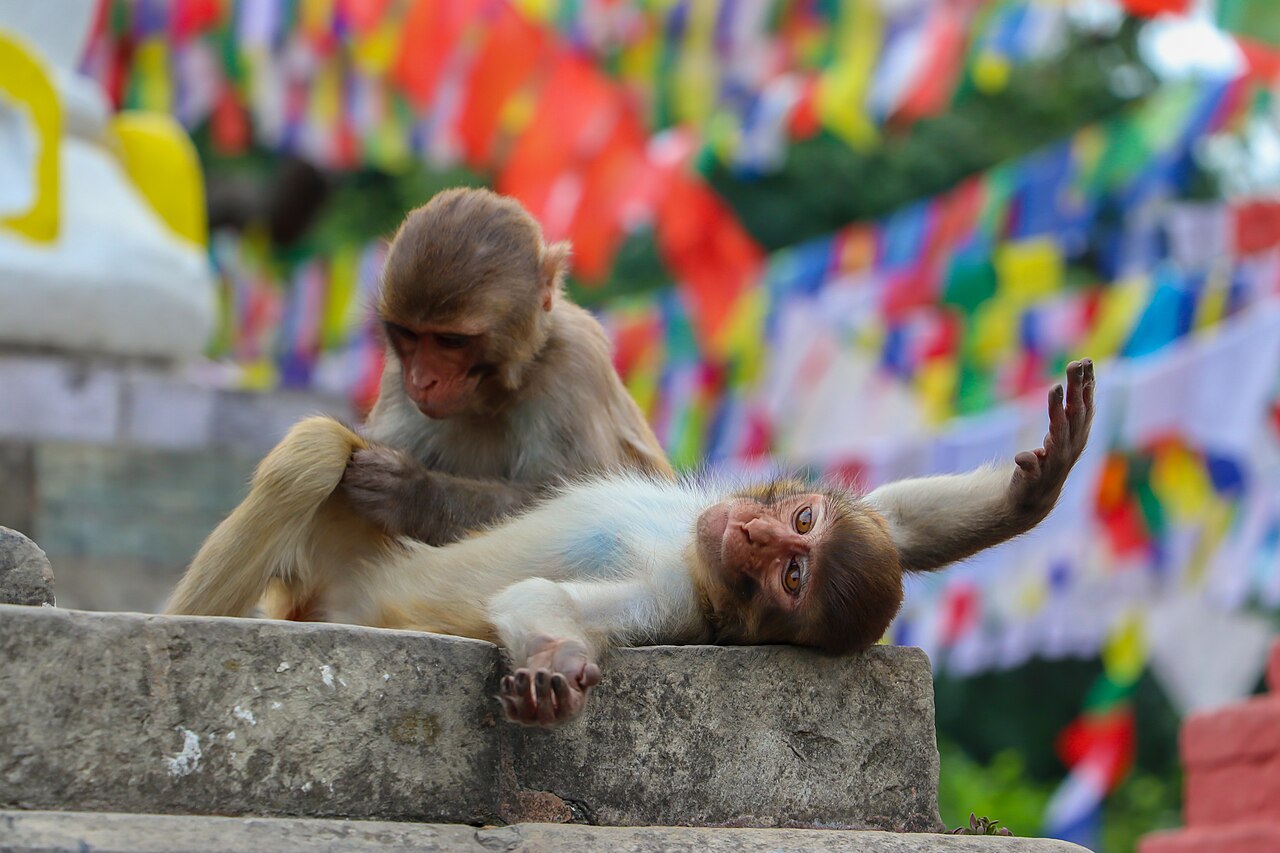
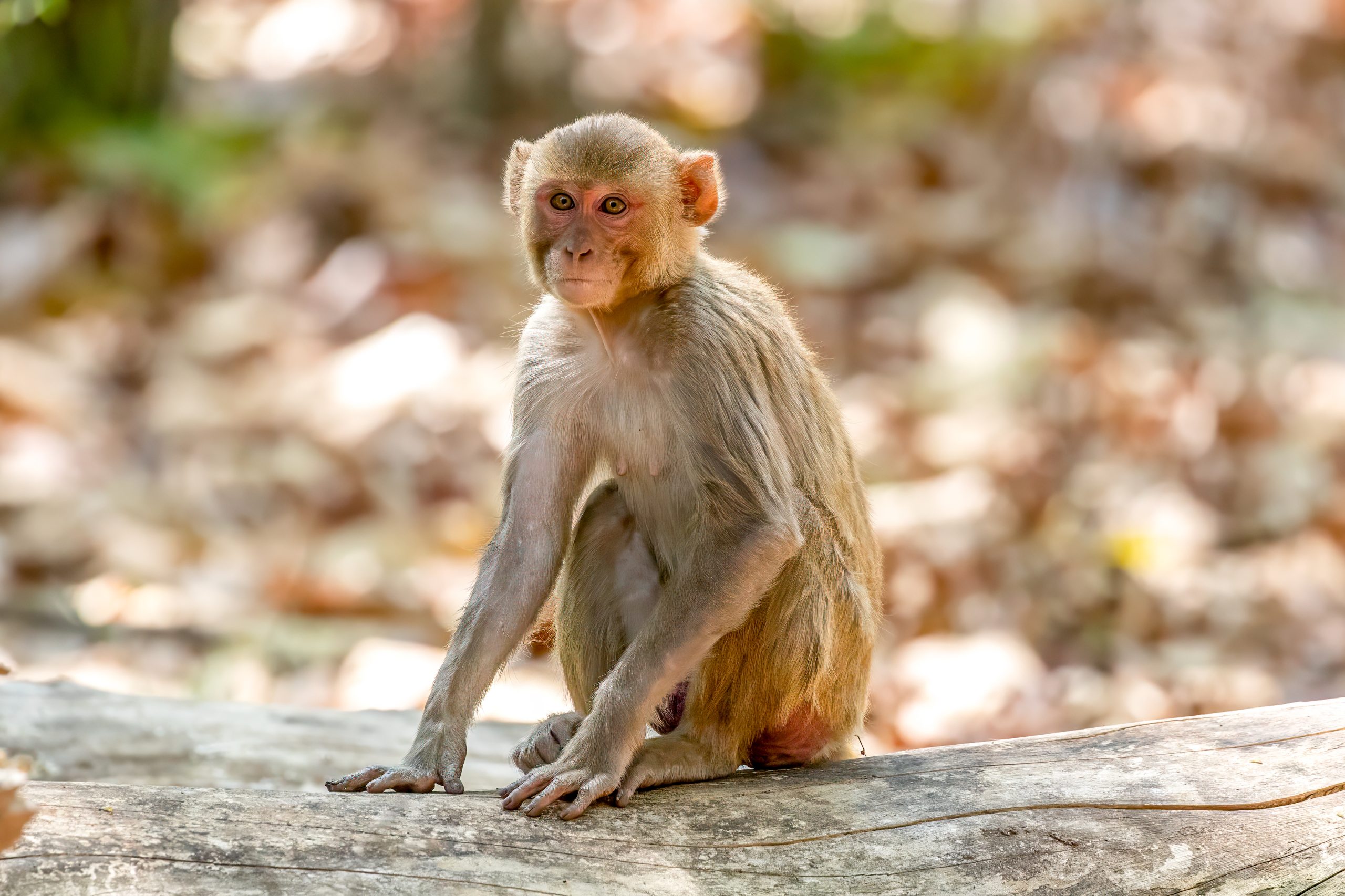
Can brief interactions with animal caregivers encourage macaques to interact more positively with one another? A preprint study tested this with five rhesus macaques (Macaca mulatta) and three cynomolgus macaques (Macaca fascicularis) housed in pairs. For three weeks, caregivers spent six minutes with the animals each afternoon during feeding.
Could the caregiver become part of the animals’ social environment?
For species that normally form complex social groups, living in a laboratory pair may provide less social variety than interactions in larger groups. Enrichment means adding opportunities for meaningful behaviour, and the researchers tested whether ordinary husbandry interactions could offer some of that variety. A gentle human-style approach and a silent, monkey-like approach were compared, but the study’s main reported outcomes combined the two groups rather than establishing which approach was preferable.
The caregivers used one of two approaches: a human-style interaction, with soft speech and human body language, or a monkey-like approach that imitated the animals and avoided speech and eye contact. Across the groups, the macaques were more likely to engage with caregivers before feeding. Positive interactions with cage-mates also increased, by an average of 12.9 percentage points. Grooming rose by 10.6 percentage points, but that change was not statistically clear.
Measures of abnormal behaviour directed at the cage and stereotypic abnormal behaviour—repetitive actions without an obvious function—went down, but those changes were also statistically inconclusive. The reported results combine the two interaction styles, so they do not show whether one worked better than the other. With only eight animals and three weeks of intervention, the findings offer an initial indication, rather than evidence that the approach will work more broadly.
Small behavioural shifts do not yet establish lasting welfare benefits
The most noteworthy change was not just that the animals approached their caregivers: they also spent a greater share of their time interacting positively with their companions. That suggests a possible effect beyond the direct interaction with a person, although a change recorded during an enrichment programme is not proof of a particular psychological mechanism. Grooming is a characteristic way macaques maintain social relationships, but its increase was not statistically clear in this small study.
Eight pair-housed animals, observed over three weeks, cannot establish whether an intervention would produce the same results in larger colonies, different housing conditions or over many months. The work also did not test free-ranging macaques. The findings are relevant to care of captive social primates and raise a practical question about how everyday caregiver behaviour can support animal welfare. The results remain preliminary because they are reported in a bioRxiv preprint rather than a peer-reviewed journal article.
Behaviour
Related news
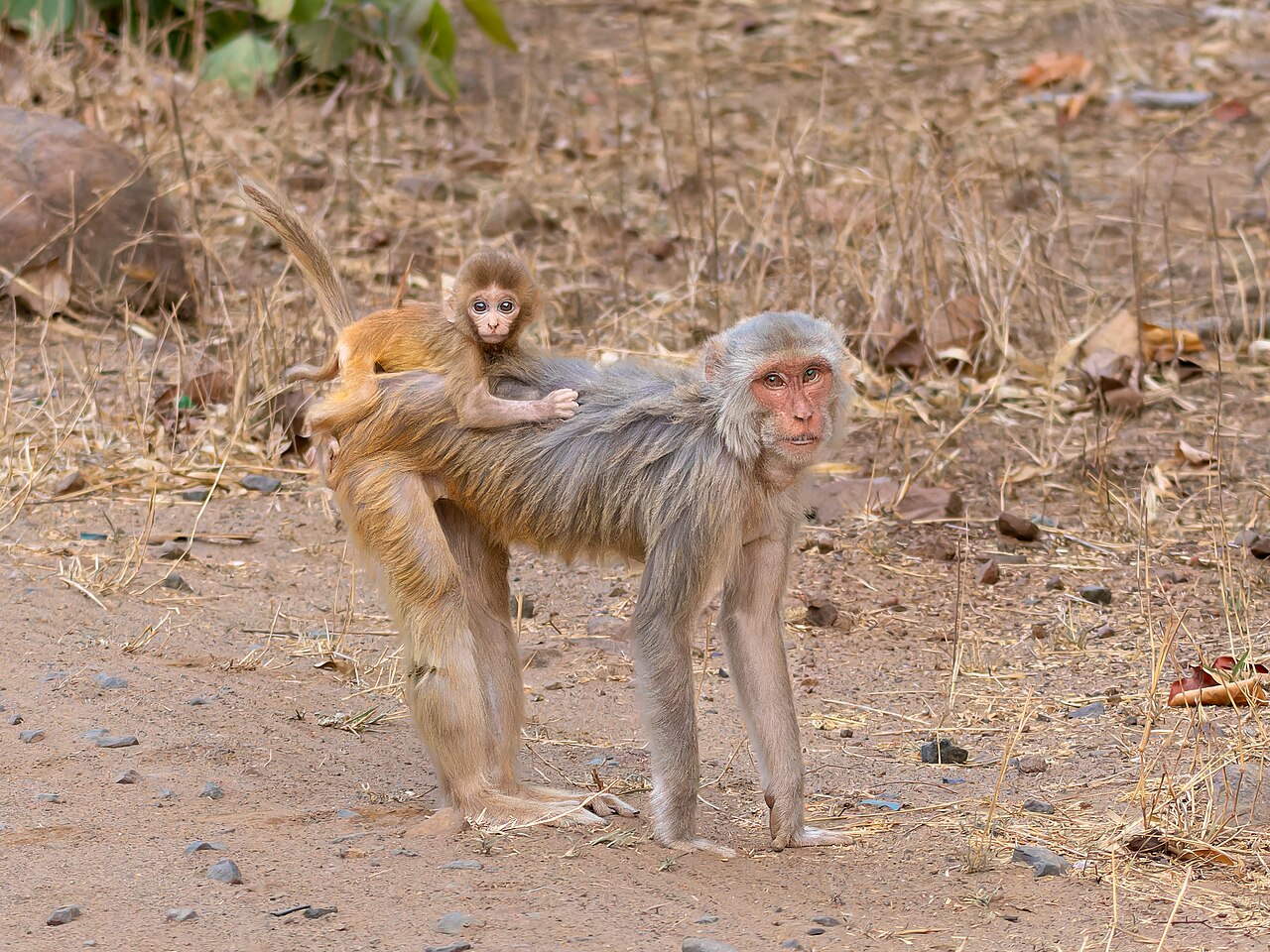
Older rhesus macaques show hundreds of gene-expression differences in blood
In a study at a research facility in Sochi, Russia, 741 genes differed in expression between young and…
Read story →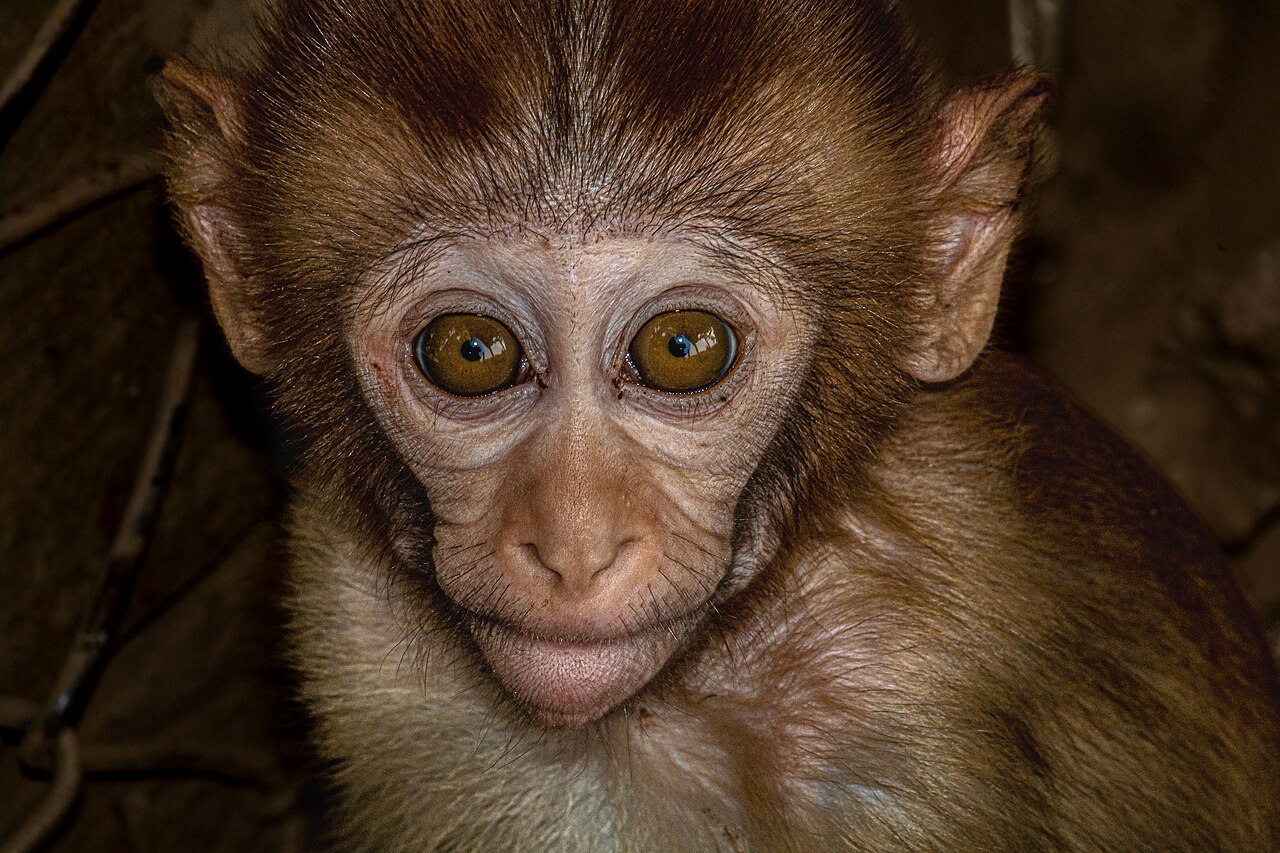
Oxytocin’s effect on macaques’ brain responses to sound depended on visual context
In two awake rhesus macaques, oxytocin dampened sound-evoked brain responses when sounds were presented alone. The dampening disappeared…
Read story →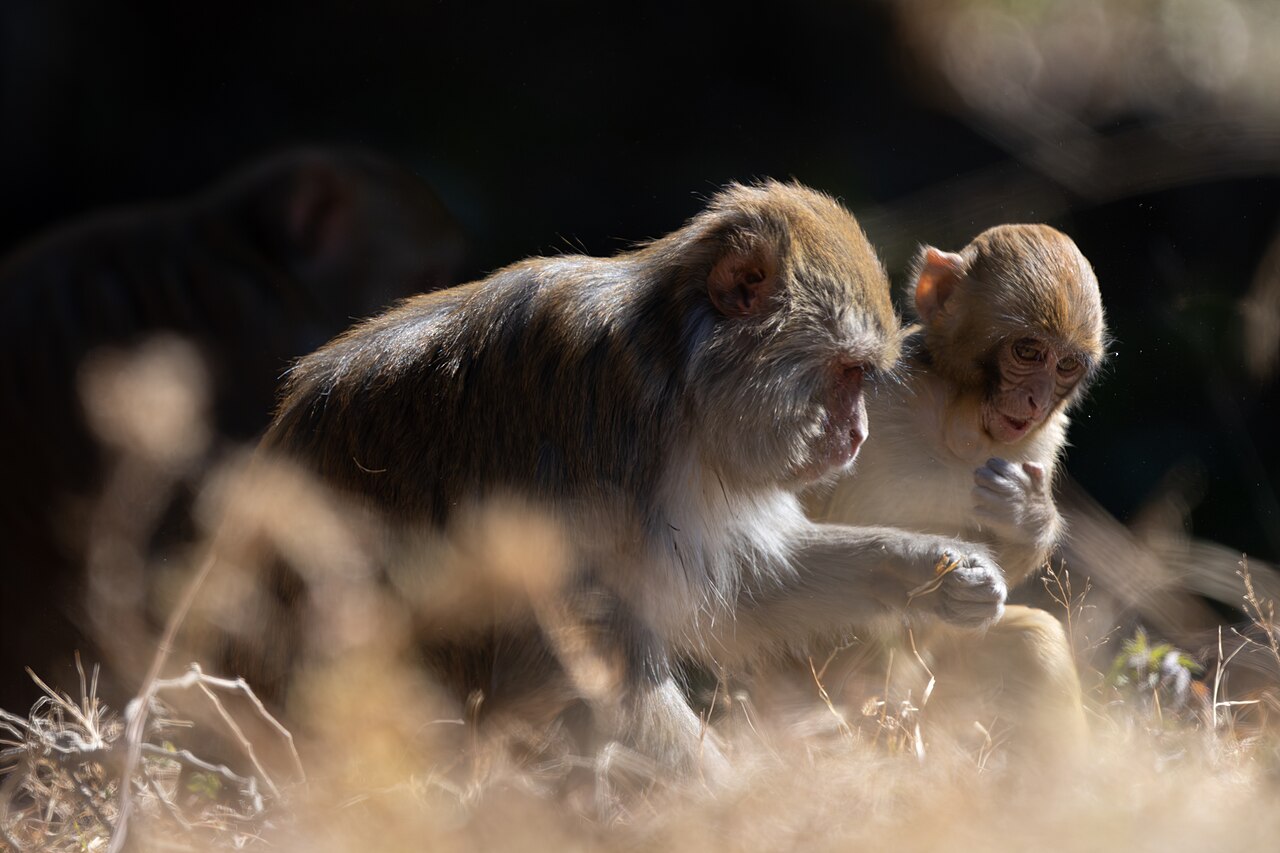
Some rhesus macaques kept SIV in check after antibody treatment and ART interruption
Eight of 21 macaques given SIV-targeting antibodies met the study’s definition of post-treatment control. Their CD4+ T cells…
Read story →SPECIES IN THIS STORY
Species in this story
Independent research and conservation news archive
Did you find this information useful?
Wildlife Vagabond is independently built and maintained. Voluntary support helps cover source verification, hosting and continued work on research and conservation news.
Support Wildlife VagabondThe news archive will remain freely available.