
African Hoopoe Occupancy Showed No Clear Environmental Pattern While Fork-tailed Drongos Were More Common on Rocky Soils
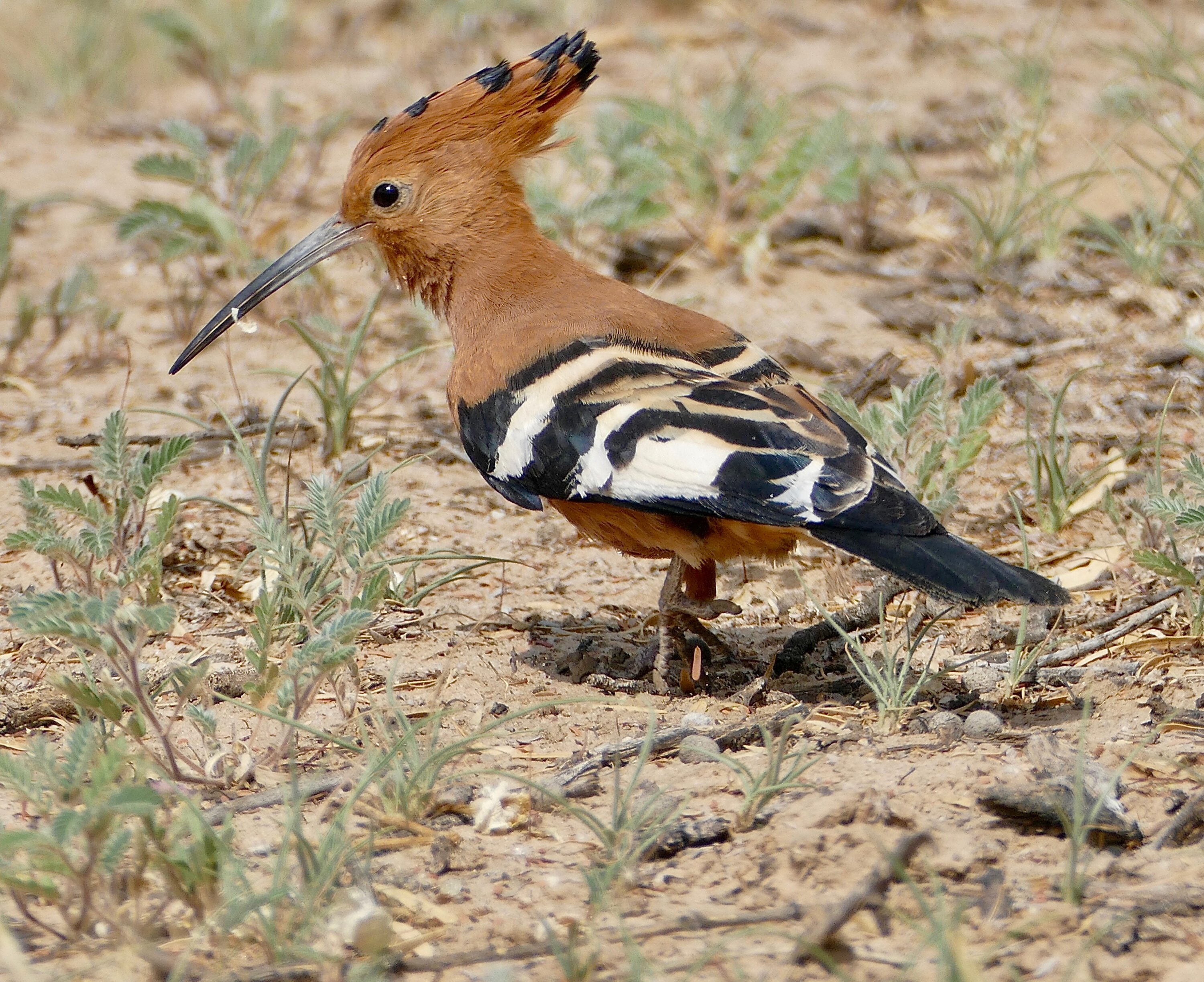
A passive-acoustic study in north-central Namibia found no clear relationship between African hoopoe (Upupa africana) occupancy and the land-management, soil or vegetation variables tested, while fork-tailed drongo (Dicrurus adsimilis) occupancy was strongly associated with soil type. The study used eight functionally different bird species to test whether automated sound monitoring could reveal ecological variation across a dryland landscape.
Researchers placed autonomous recorders at 60 locations across mixed-use farmland, an established game reserve and farmland being converted to a game reserve. BirdNET detections were manually checked before the researchers modelled species occupancy against land management, vegetation, soil and remotely sensed vegetation greenness.
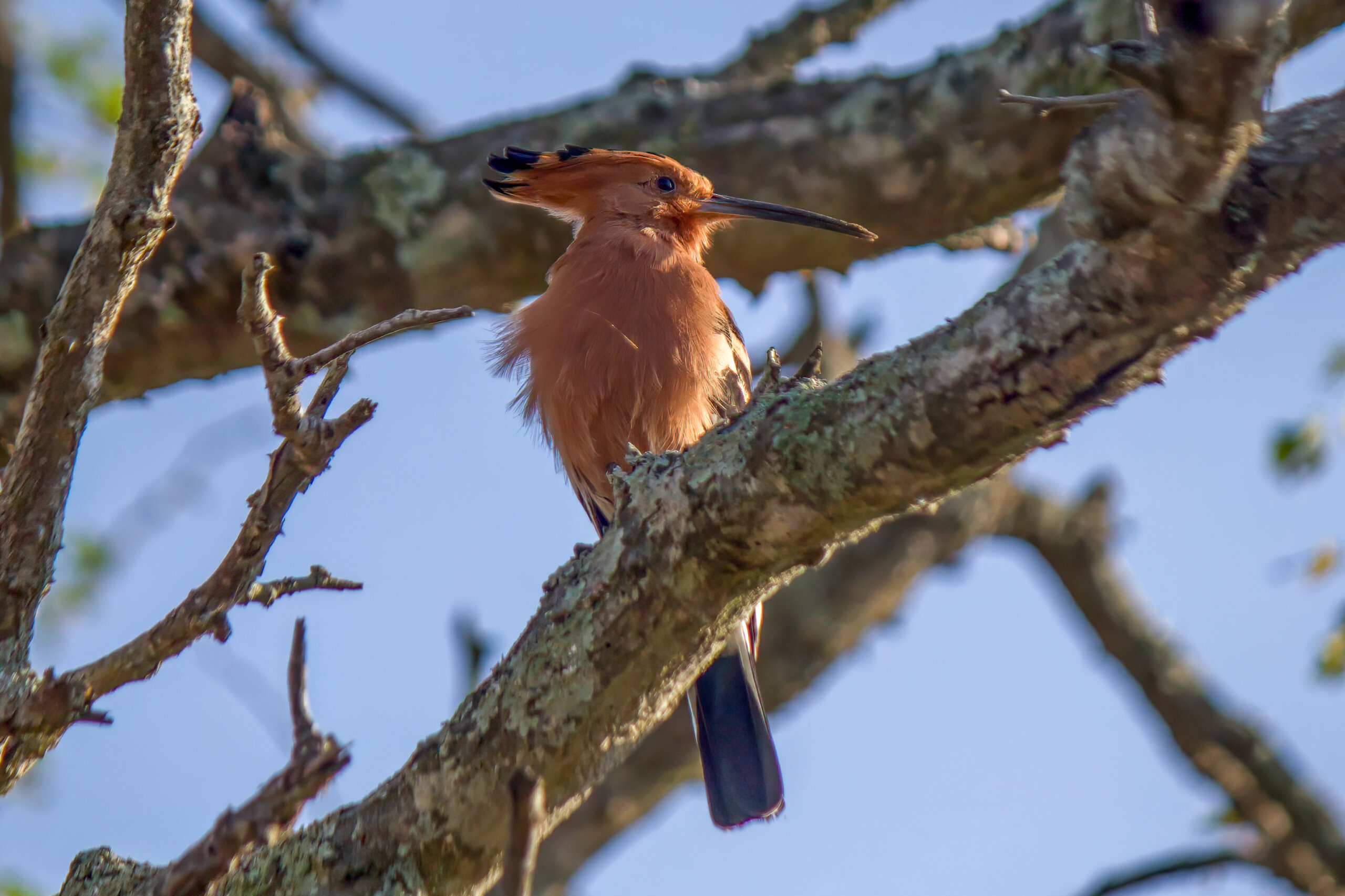
No clear environmental pattern in African hoopoes
African hoopoes were detected at 45% of sites. For this species, the null model was best supported, meaning none of the measured environmental variables clearly improved the explanation of where hoopoes occurred. This does not show that the birds were literally evenly distributed; rather, the study did not identify a strong occupancy response to the variables it tested.
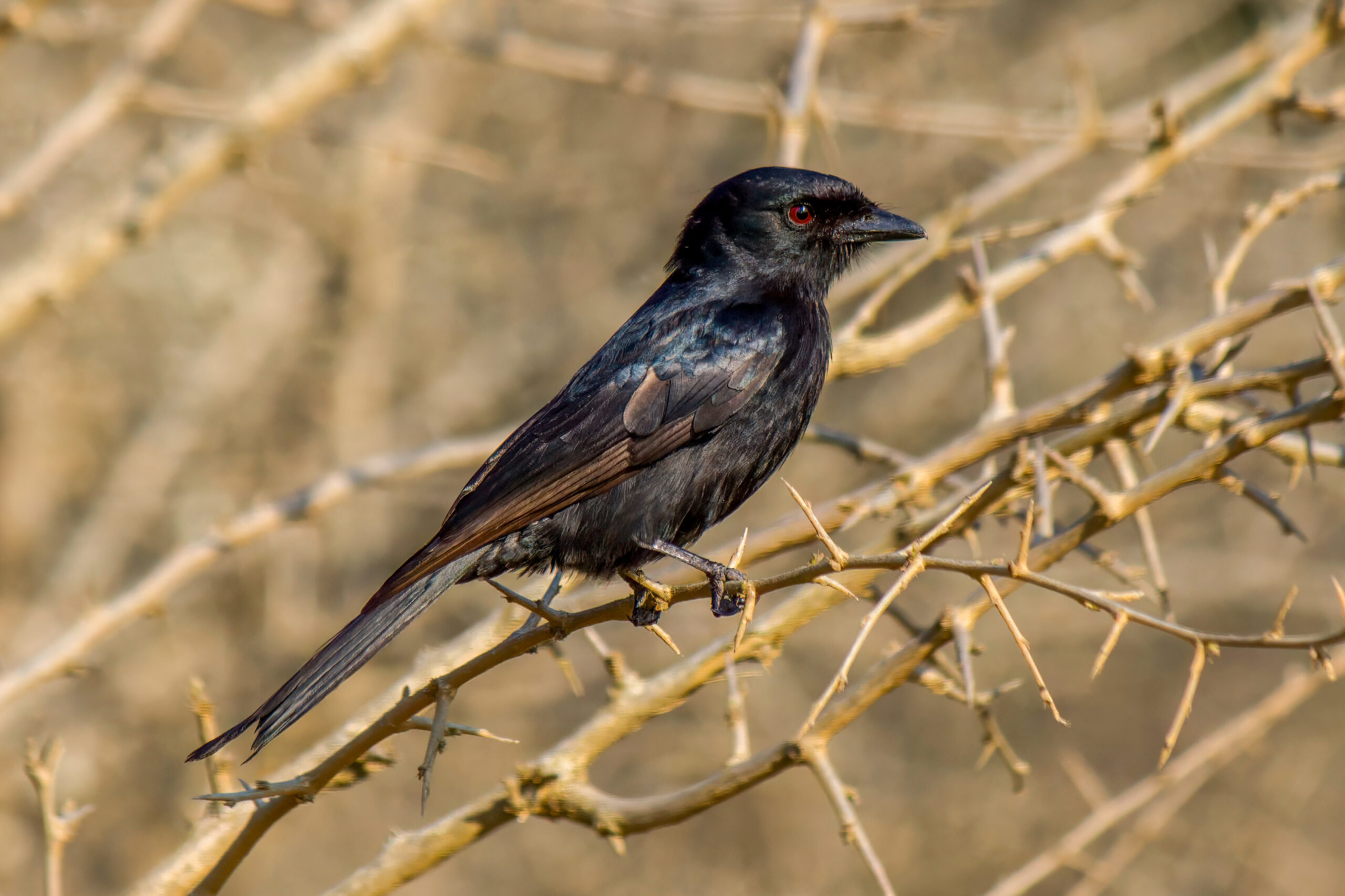
Fork-tailed drongos were associated with rocky soils
Fork-tailed drongos were detected at 26% of sites and showed a different pattern. Their occupancy was higher in areas dominated by Leptosols and Regosols — generally shallow, weakly developed soils over rocky substrates. The authors note that this may reflect the woodland structure associated with those soils rather than a direct response to the soil itself.
Acoustic monitoring captured species-specific responses
For five of the eight focal species, occupancy was clearly related to environmental variables. The authors therefore argue that functionally selected bird species, passive acoustic monitoring and automated call recognition can help reveal ecological differences across dryland landscapes, while also emphasizing that the approach still depends on which species can be detected reliably by acoustic classifiers.
Ecology
Related news
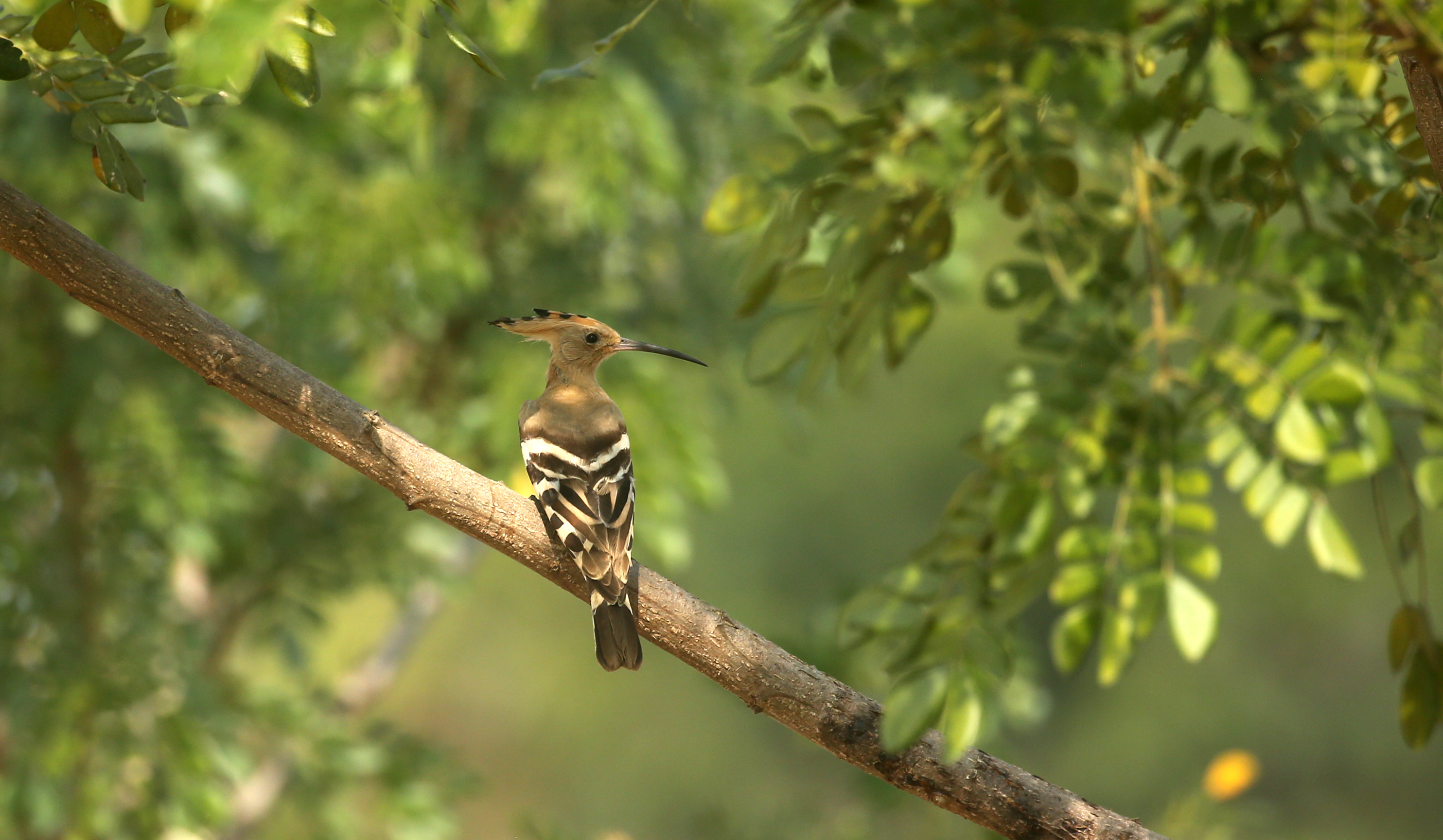
Closer Relatives Among Hoopoes, Woodhoopoes and Hornbills Had More Similar Preen-Gland Microbiomes
Across eight taxa of hoopoes, woodhoopoes and hornbills, more closely related birds had more similar bacterial communities in…
Read story →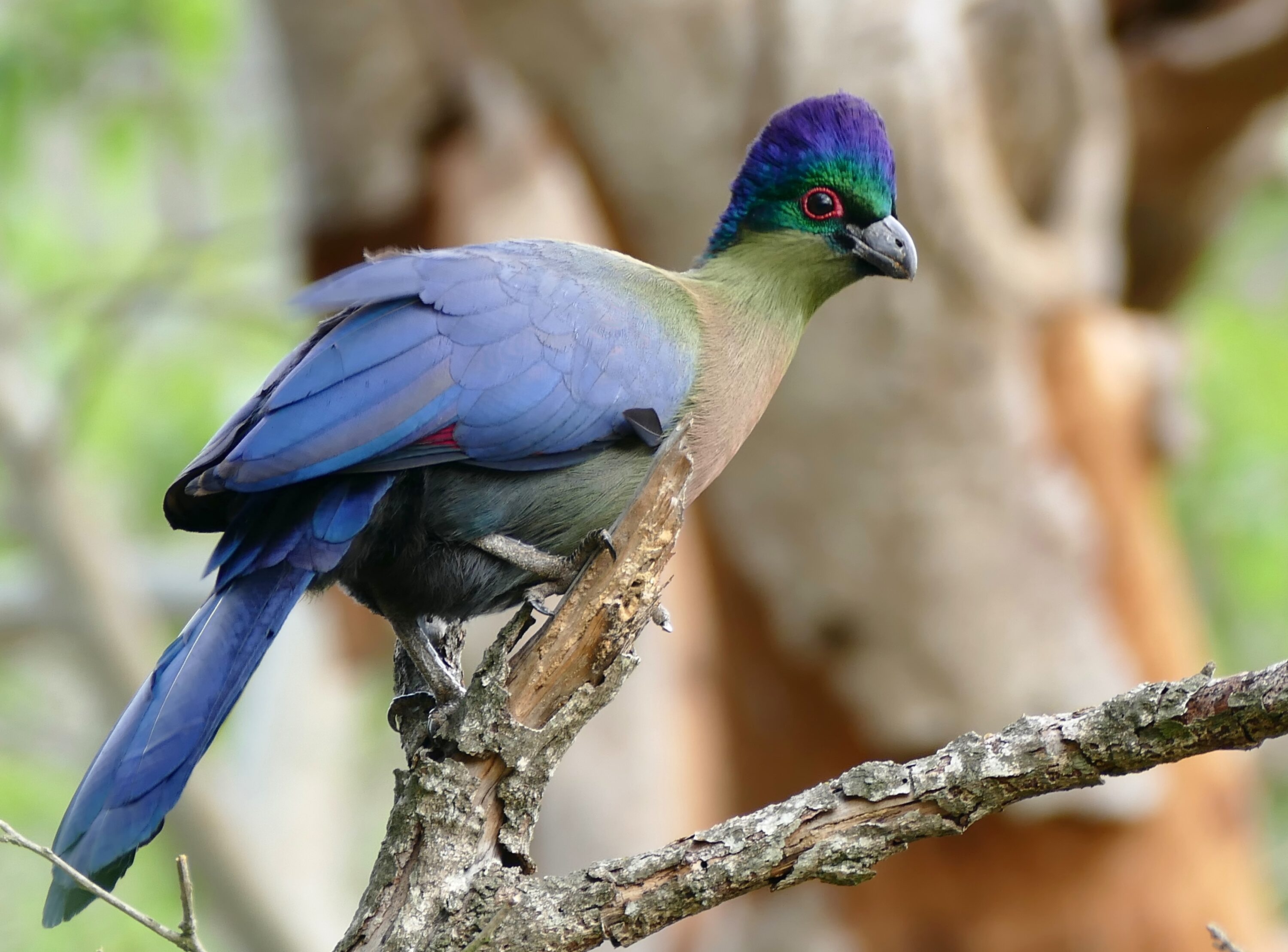
One Durban Tree Recorded 636 Visits by 47 Bird Species Across a Year
Structured observations of a single suburban tree in Westville, Durban, recorded 636 visits by 47 bird species during…
Read story →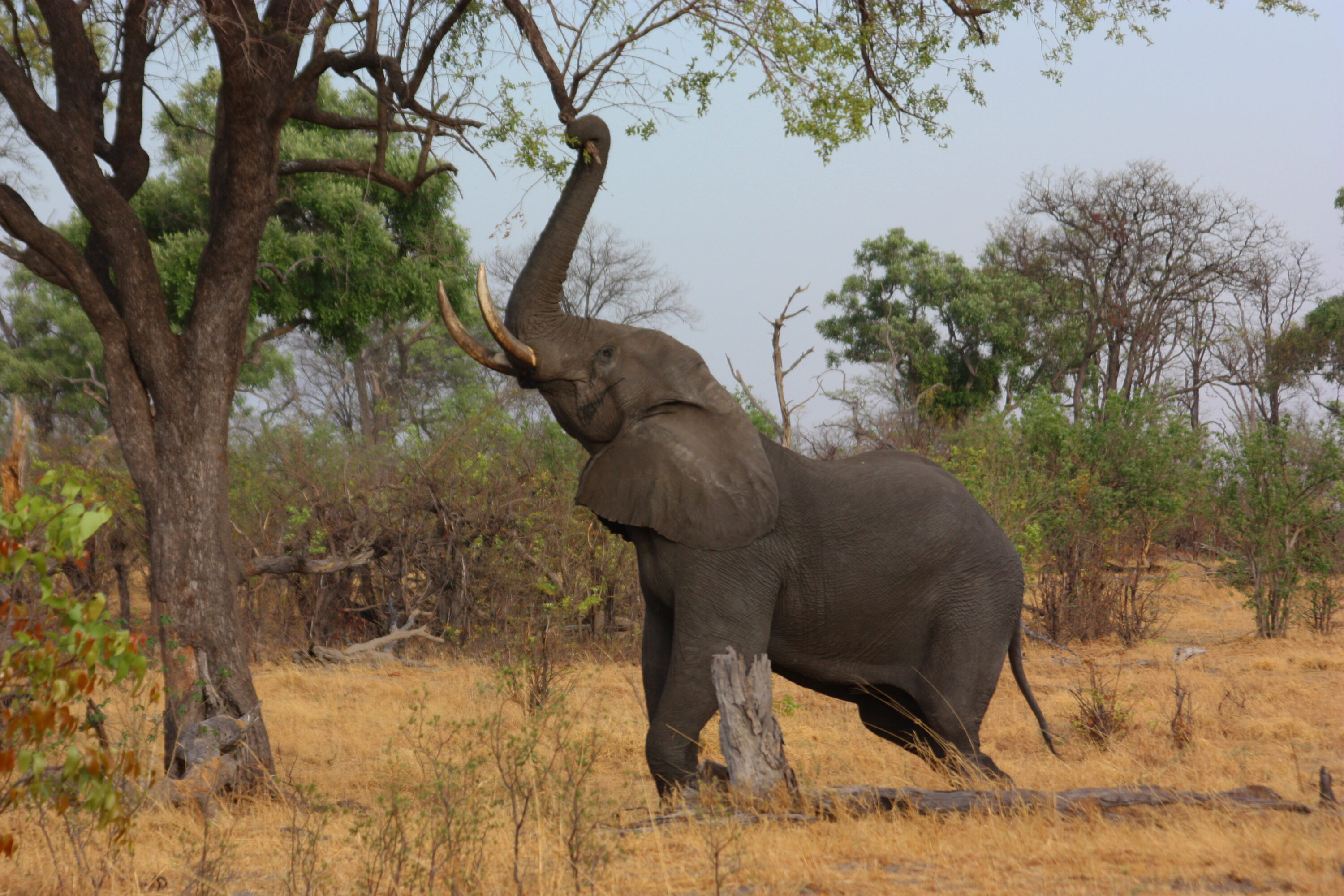
African Bush Elephants Distinguished Artificial Food-Quantity Patterns at Close Range
In experiments in South Africa, four semi-tame elephants chose between visual patterns representing canopy size and leaf density.…
Read story →SPECIES IN THIS STORY
Species in this story
Independent research and conservation news archive
Did you find this information useful?
Wildlife Vagabond is independently built and maintained. Voluntary support helps cover source verification, hosting and continued work on research and conservation news.
Support Wildlife VagabondThe news archive will remain freely available.