
Can scat DNA reveal whether a fox or stone marten is male or female?
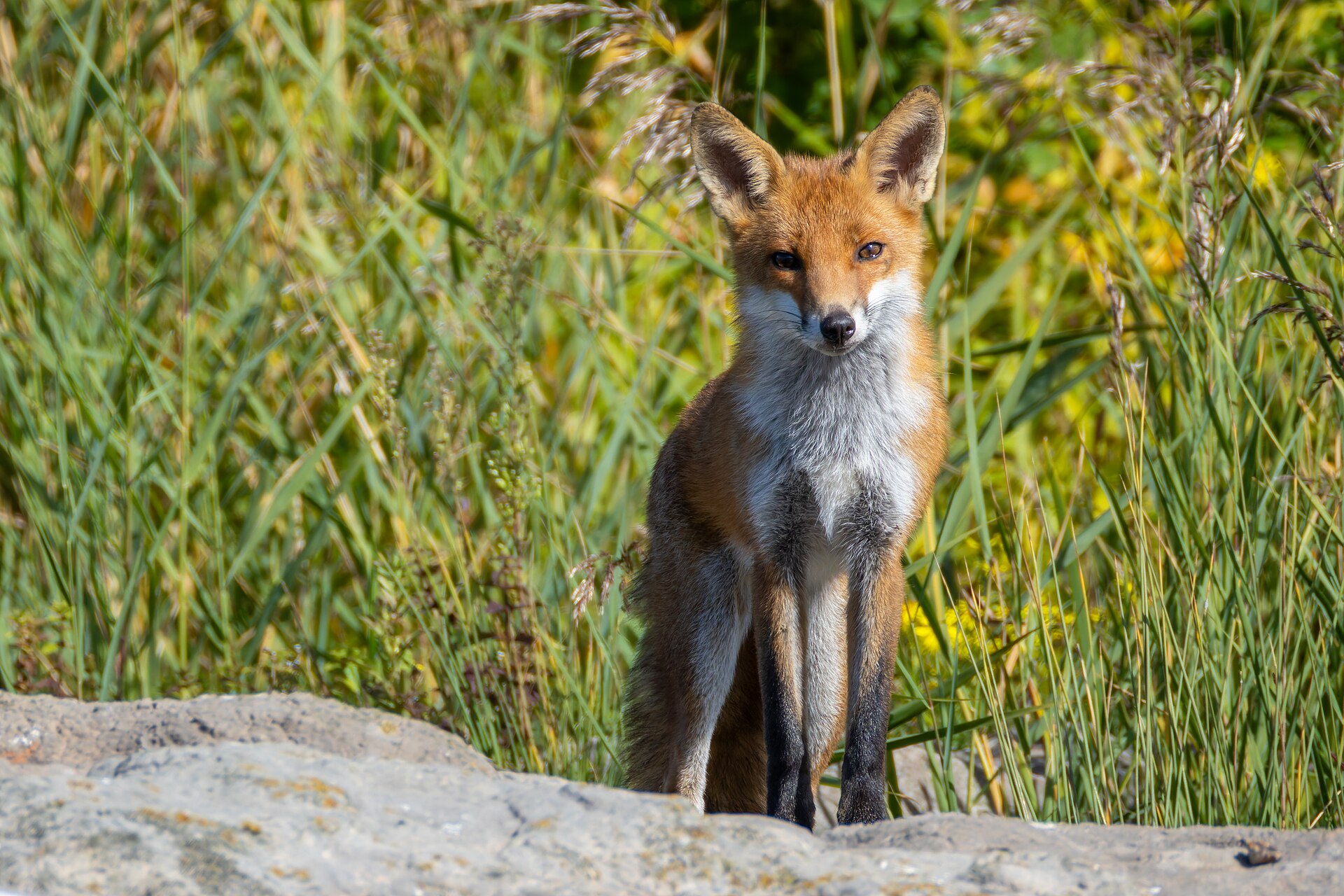
Knowing the sex of an animal that left a scat can add useful information to wildlife monitoring without capturing the animal. But scat contains DNA from the animal itself and potentially other sources, making sex harder to determine than it would be from a clean tissue sample. A preprint posted on bioRxiv on 6 November 2026 tested whether DNA sequences from scat could reveal the sex of red foxes (Vulpes vulpes) and stone martens (Martes foina).
Across seven scat samples from the two species, the researchers assigned sex to six: four were classified as female and two as male. One sample, with just 596 sequencing reads assigned to the host animal, could not be classified.
The researchers compared two ways of inferring sex from sequencing reads. The Rx method compares reads mapped to the X chromosome with reads mapped to autosomes—the chromosomes other than the sex chromosomes. In these mammals, females have two X chromosomes while males have one; both sexes have two copies of each autosome. That difference means the X-to-autosome read ratio is expected to be higher in females. The Ry method instead relies on reads mapped to the Y chromosome.
In the marten samples, Ry produced only 0–25 Y-mapping reads per sample and failed to identify either of the two animals that Rx placed firmly in the male range.
More reads reduced errors in simulations
The researchers also tested Rx on simulated female and male genomes from both species. They drew 200 replicate subsamples at each of 14 read depths, from 1,000 to 100,000 reads, for 11,200 simulated tests in total. Nine received an incorrect sex assignment; all nine had fewer than 2,000 reads mapped to the host. Above that depth, the reported failures were non-assignments rather than incorrect assignments. Non-assignments occurred in fewer than 5% of replicates above 7,500 mapped reads and fewer than 1% above 15,000.
Human DNA was present in every scat library. Before applying Rx, the researchers competitively mapped reads against human and host references to remove the human DNA. They concluded that Rx, with its original thresholds, worked on the tested fox and marten samples after this step. The findings support the method in these two species, but the small sample does not establish that the same thresholds work for carnivores generally. The study is a preprint and has not yet been peer-reviewed.
Genetics & genomics
Related news
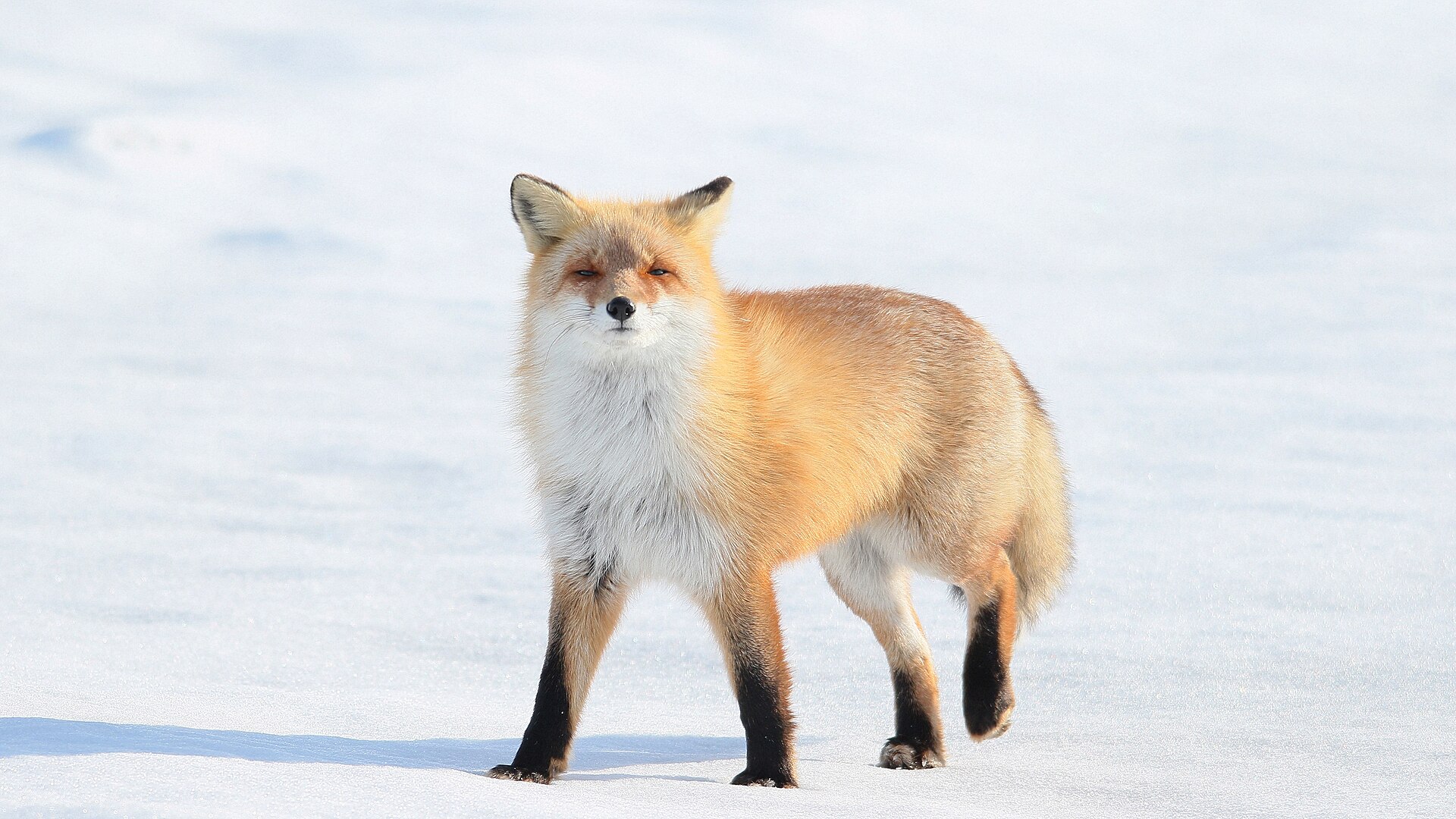
Freshwater and Rice Fields Linked to Spirometra Infection in Hokkaido Foxes
Among 251 red foxes surveyed in Hokkaido, 6.4% were infected with the zoonotic parasite Spirometra mansoni. Infection was…
Read story →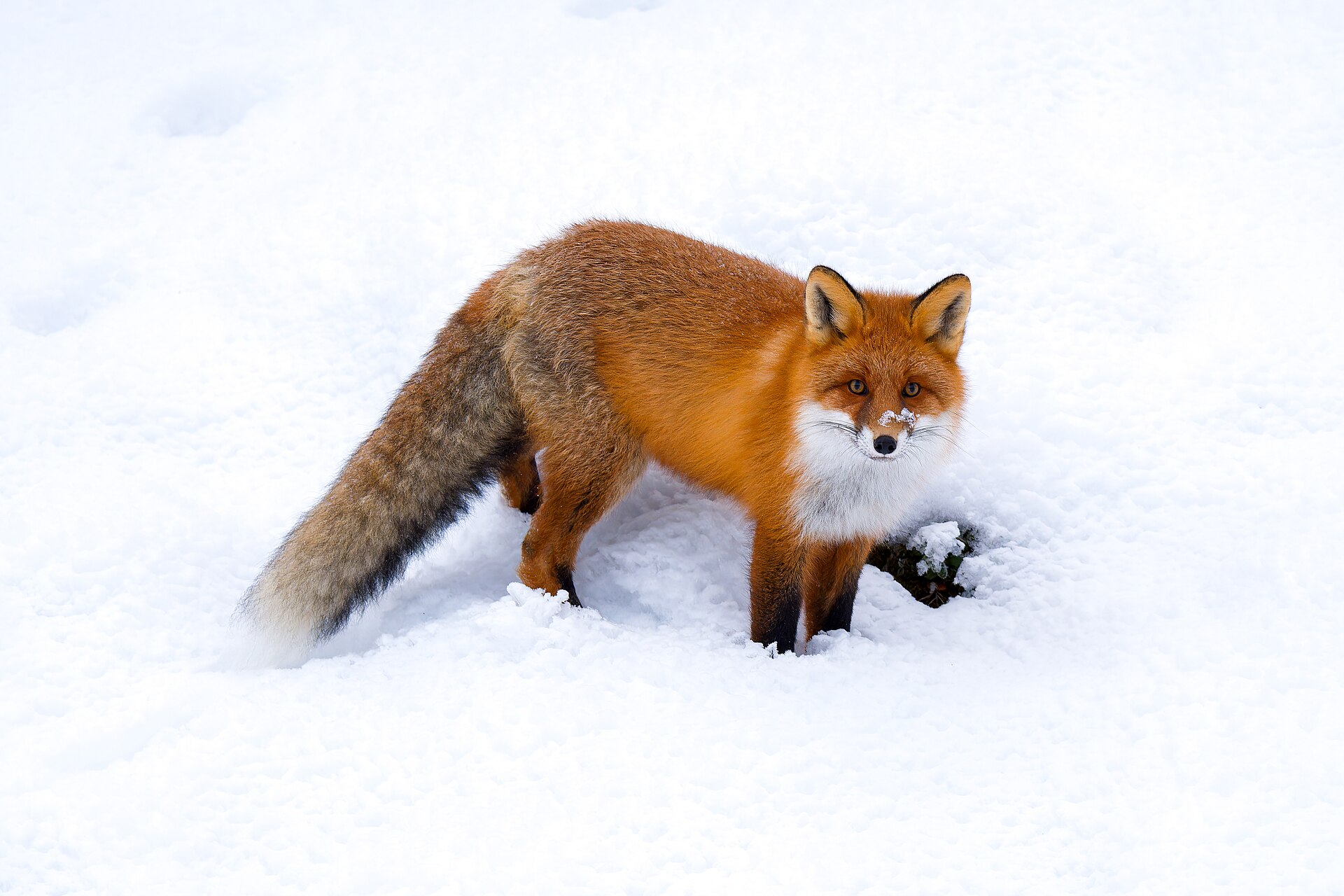
Juvenile foxes were reported earlier in built-up Switzerland—but elevation erased the gap
Across 4,295 reports from Switzerland, the estimated probability that a spring report contained juvenile foxes reached 30% about…
Read story →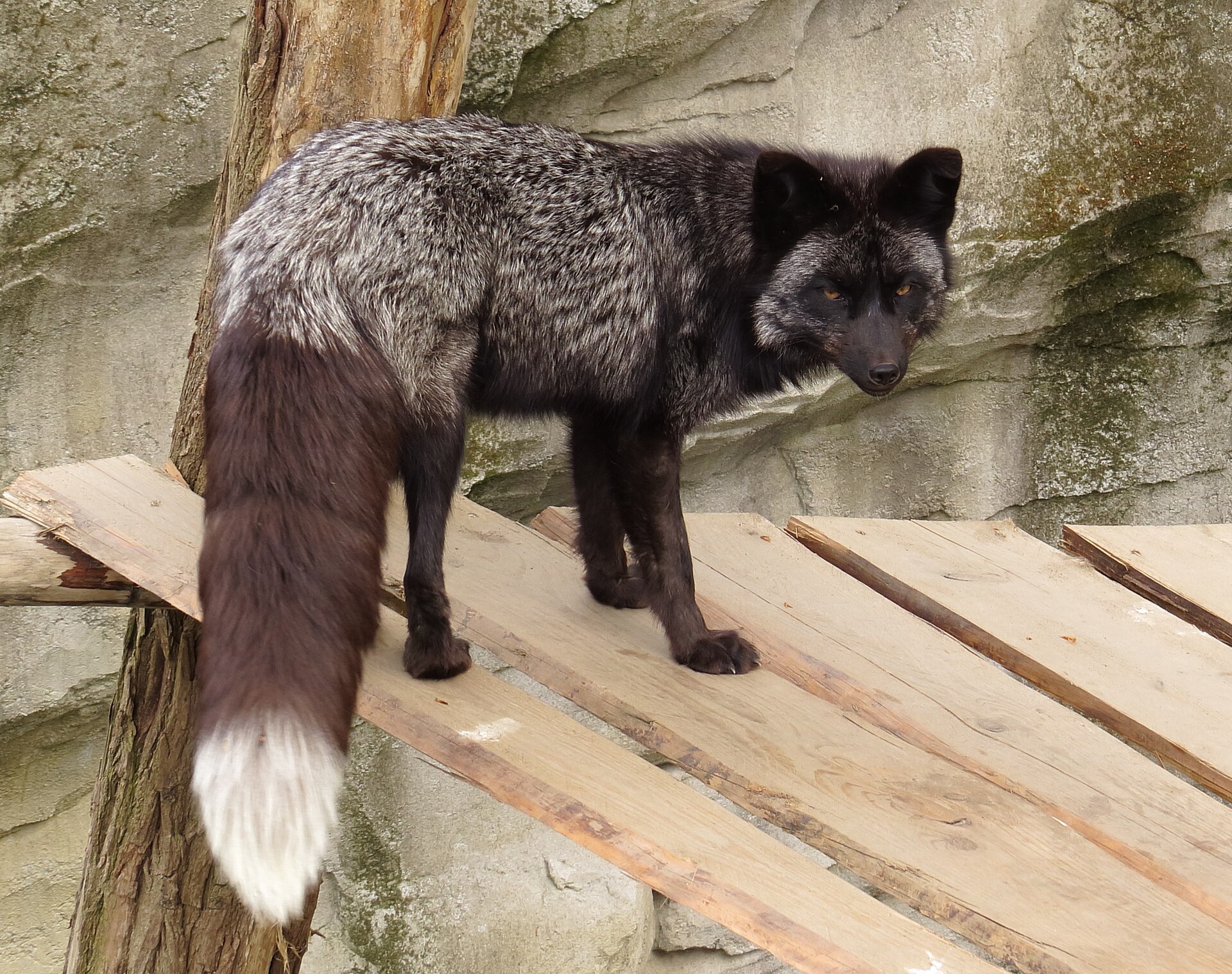
Foxes bred for tameness had fewer estrogen-receptor neurons in a hypothalamic region
A study of silver foxes in Russia found fewer estrogen-receptor-expressing neurons in one hypothalamic subdivision in foxes bred…
Read story →SPECIES IN THIS STORY
Species in this story
Independent research and conservation news archive
Did you find this information useful?
Wildlife Vagabond is independently built and maintained. Voluntary support helps cover source verification, hosting and continued work on research and conservation news.
Support Wildlife VagabondThe news archive will remain freely available.