
Canine distemper virus found in foxes and badgers in northern Italy

Canine distemper virus (CDV), which causes a highly contagious disease in dogs and wild carnivores, was detected in red foxes and European badgers in Piacenza Province, northern Italy. The study covered 2021 to June 2026. Of 43 wild carnivores examined, 12 tested positive: six foxes (Vulpes vulpes) and six badgers.
The animals had been found dead or were alive with signs or lesions that raised suspicion of distemper. No samples from 2021–2023 tested positive; detections came from 2024 onward. Because the animals were selected for examination based on these concerns, the results do not show how common infection was among foxes or badgers in the wider area.
Eight positive animals came from Val Tidone and four from neighbouring Val Trebbia. These are counts among the animals examined, not estimates of infection rates in the two valleys.
Genetic similarities to viruses in the Alps
Researchers obtained complete sequences of the H gene from four positive animals. The gene encodes hemagglutinin, a viral protein; comparing its sequence helps show how closely related different viruses are. All four sequences clustered in clade A within the Europe/South America 1 lineage, a group of related CDV strains. Their closest matches were previously reported viruses from Switzerland and the Italian Alps.
The similarity suggests a possible regional epidemiological connection, but cannot establish where the virus originated or in which direction it spread. The comparison was based on four complete sequences.
Reported lesions in positive animals included intestinal bleeding and inflammation, pneumonia, and thickened footpad skin in one badger. These signs alone are not specific to distemper; the animals were confirmed positive by molecular testing.
The findings show that CDV was circulating among foxes and badgers in this part of northern Italy in recent years. The authors recommend continued molecular monitoring to follow the virus and clarify its spread. The study does not establish whether the virus is maintained in the local wild populations.
Disease, parasites & microbiology
Related news
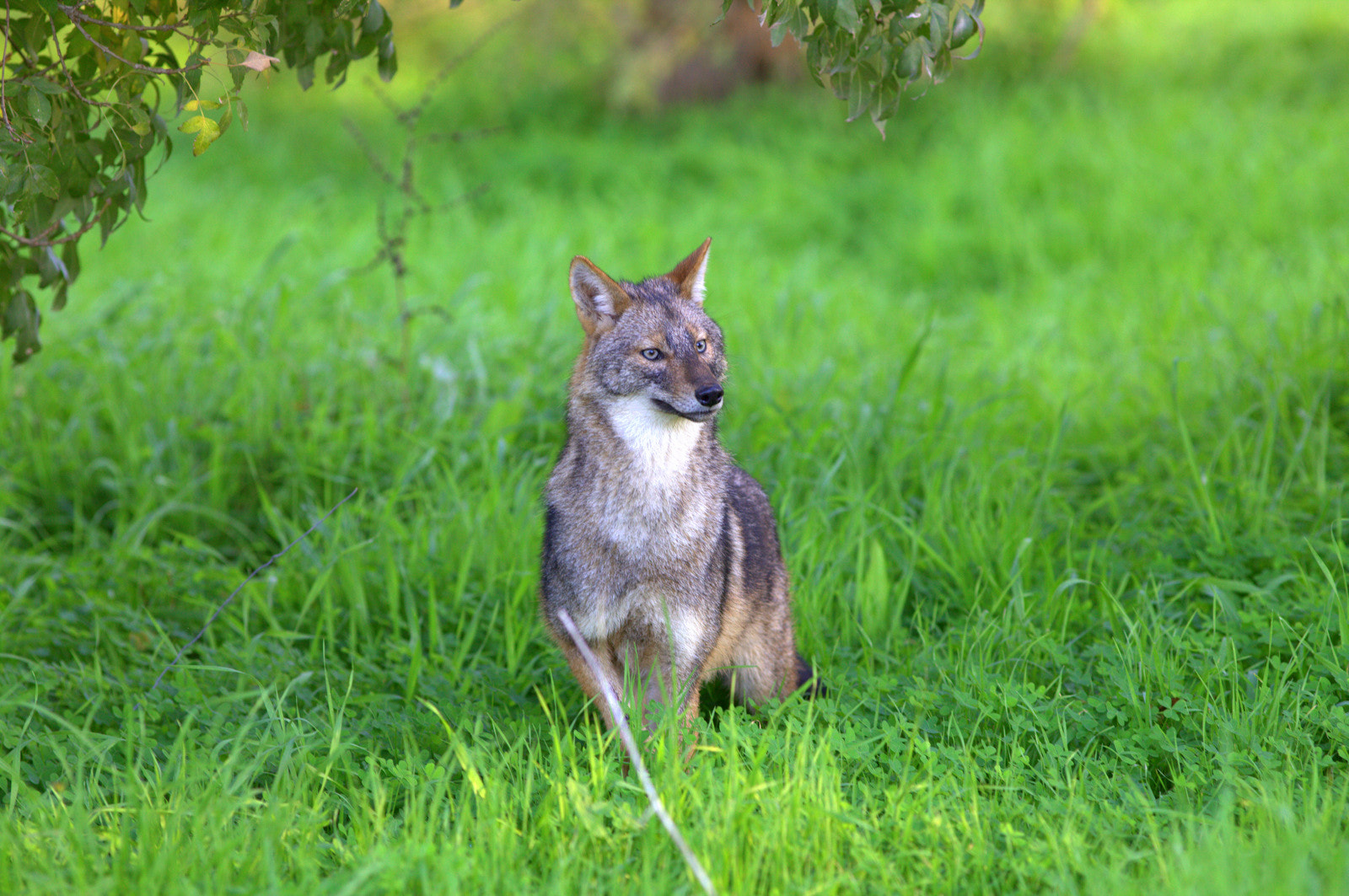
Similar Mammal Diversity, Different Activity Patterns in Grazed and Ungrazed Areas
Camera traps in four northern Israeli reserves found similar numbers of mammal species with and without livestock grazing.…
Read story →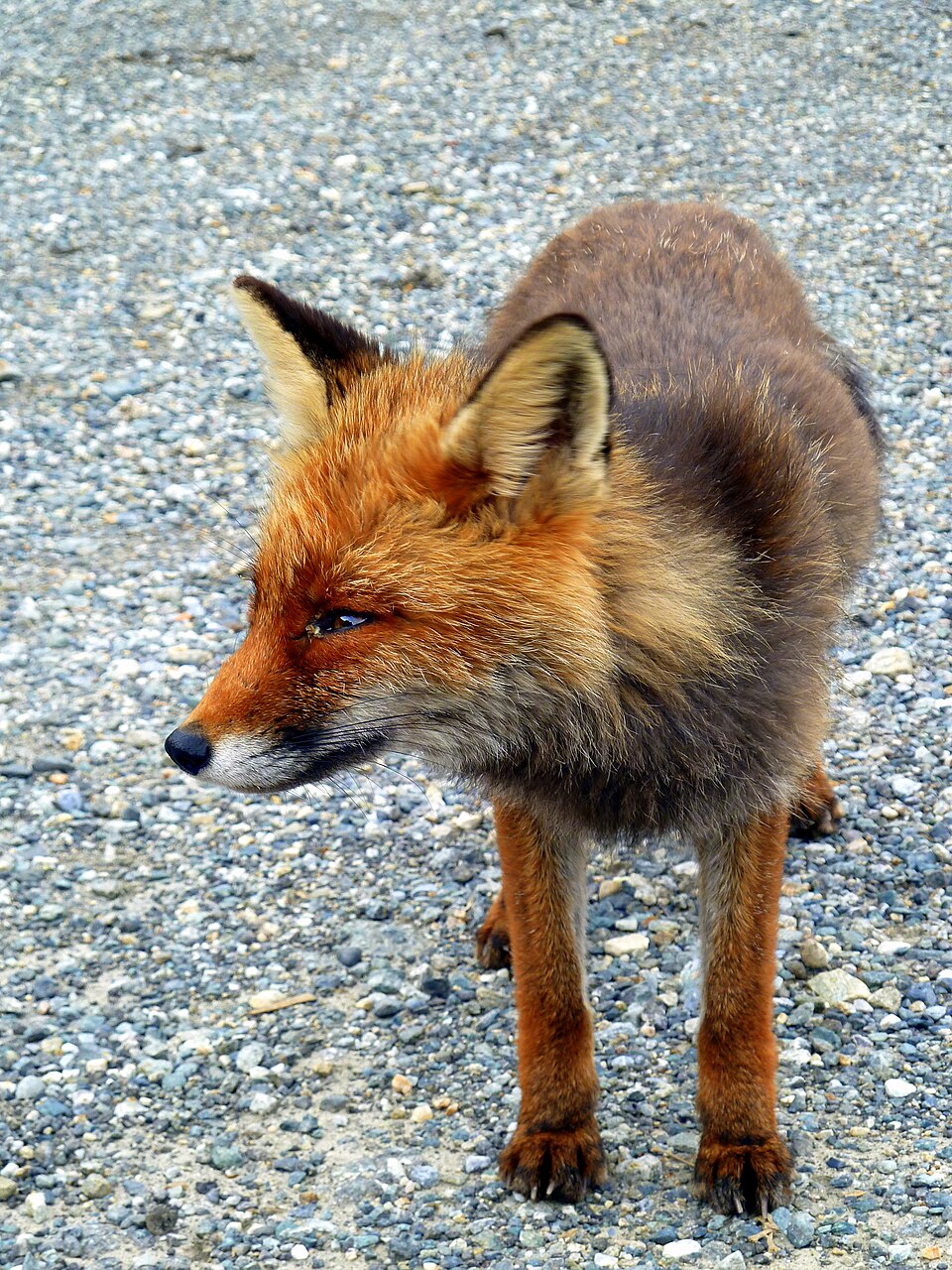
Wolf Kills Provided Plenty of Food for Red Foxes
Red foxes visited all 26 wolf-killed red deer monitored in Stelvio National Park. The amount of meat left…
Read story →
Red Foxes and Stone Martens Share Places at Different Times
Red foxes and stone martens often used the same sites in central Spain. Their daily activity differed more…
Read story →SPECIES IN THIS STORY
Species in this story

Independent research and conservation news archive
Did you find this information useful?
Wildlife Vagabond is independently built and maintained. Voluntary support helps cover source verification, hosting and continued work on research and conservation news.
Support Wildlife VagabondThe news archive will remain freely available.