
High Plateaus and Alluvial Fans Stood Out as Important Cape Bushbuck Habitat in Baviaanskloof
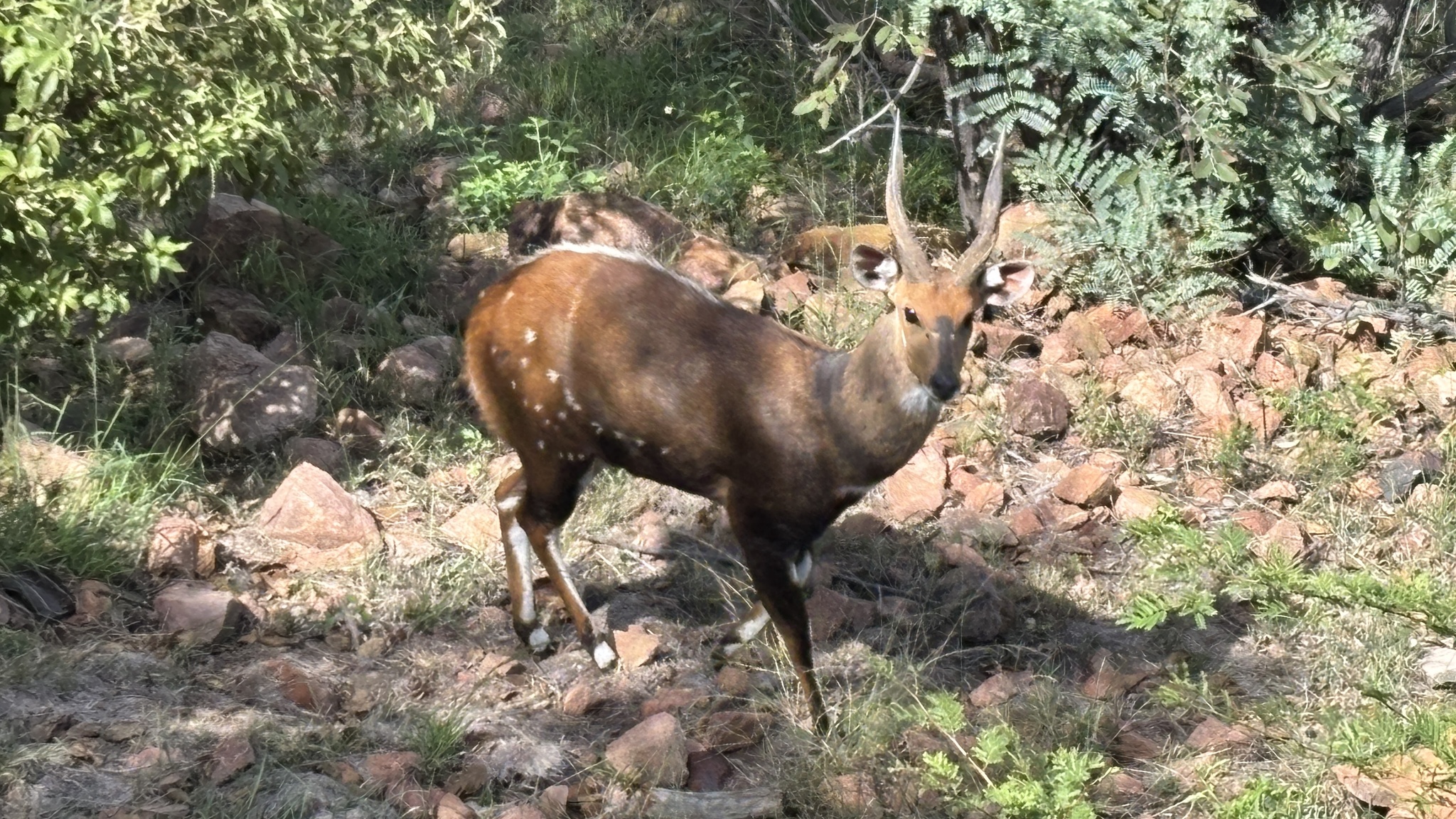
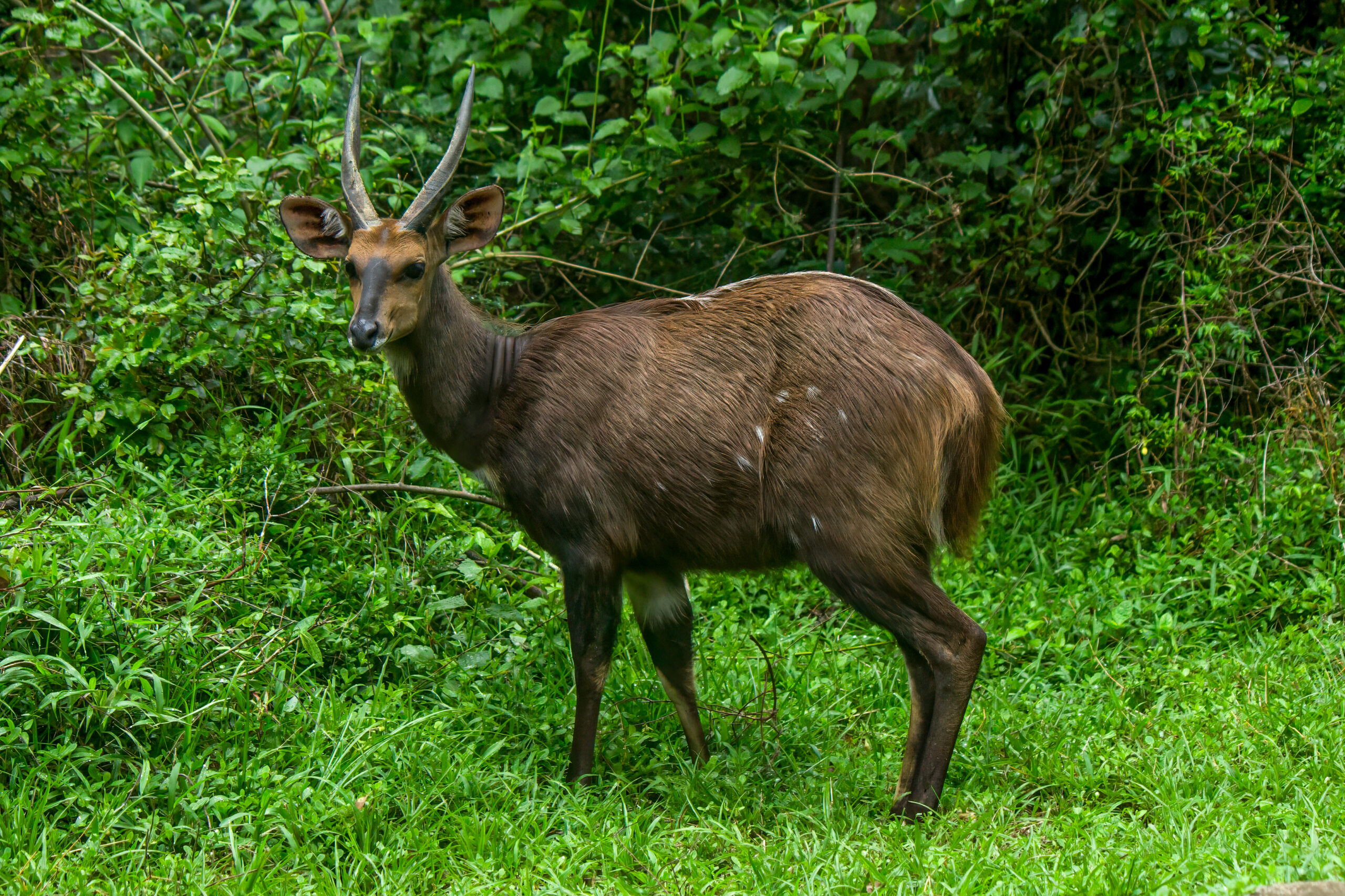
A 2026 camera-trap study in South Africa’s Baviaanskloof found especially high habitat-use probabilities for cape bushbuck (Tragelaphus sylvaticus) on high plateaus and alluvial fans. The study examined how fine-scale topography shapes mammal distributions in a semi-arid mountain landscape where steep slopes, valleys, plateaus, floodplains and fans create sharply different local conditions.
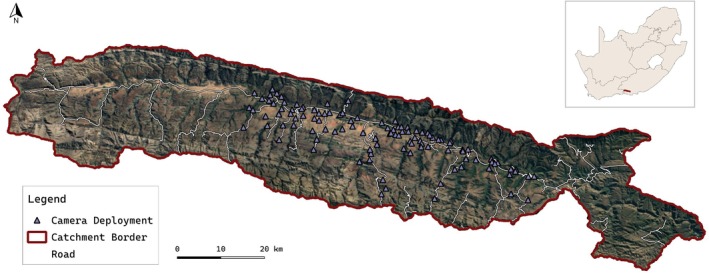
Researchers deployed 131 camera traps across the 1,234 km² Baviaanskloof catchment in the Eastern Cape. Across 21,020 camera-trap nights they recorded 6,099 independent detections representing 34 mammal species. Multispecies models were then used to estimate habitat-use probabilities in relation to landscape unit, slope, ruggedness, aspect and solar gain — the amount of solar energy received by the ground. The authors explicitly interpret these estimates as habitat-use probabilities rather than true occupancy because some species’ ranges can extend beyond the sampling units.
High plateaus and alluvial fans stood out for bushbuck
The broad mammal community was most diverse in relatively accessible, resource-rich terrain such as floodplains and valleys. Bushbuck, however, showed a more distinctive pattern. The modelled habitat-use probability on high plateaus reached 0.93, one of the strongest species-level associations in that landscape type. Alluvial fans also had a high estimated habitat-use probability for bushbuck of 0.75.
These landscape units represent very different parts of the mountain system. Alluvial fans form where steep tributary valleys open onto the main floodplain and combine gentle terrain with structural complexity and high resource availability. High plateaus, by contrast, supported fewer species and accounted for only a small share of all camera detections, yet they were particularly important for a smaller set of mammals including bushbuck and common duiker.
Cape bushbuck showed no clear preference for slope, ruggedness or solar exposure
Not every topographic variable produced a clear bushbuck response. The study found no significant bushbuck association with a particular slope class, level of ruggedness or solar-gain category. This illustrates one of the authors’ main conclusions: broad community averages can hide strong species-specific responses to particular landscape features.
The researchers argue that conservation in mountainous areas should therefore preserve a mosaic of landscape types rather than focus only on the places with the highest overall species richness. In Baviaanskloof, lower valleys and floodplains support diverse mammal communities, while less species-rich uplands can provide particularly important habitat for species such as cape bushbuck.
Ecology
Related news
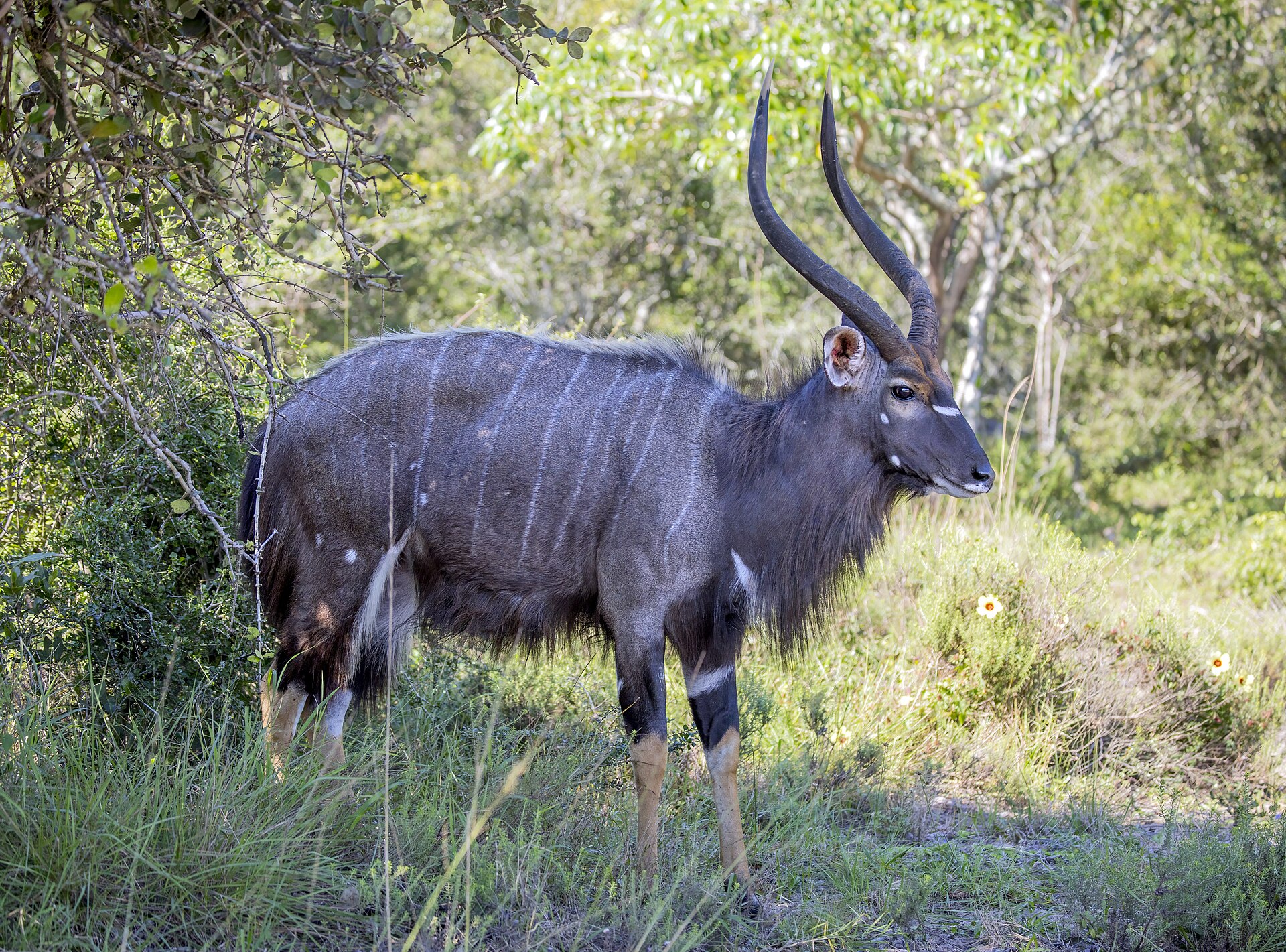
Gorongosa Dataset Tracks 37 Nyalas Through a Decade of Ecosystem Recovery
A 2026 data paper brings together long-term Gorongosa records for 37 GPS-collared nyalas, alongside body-condition and diet data…
Read story →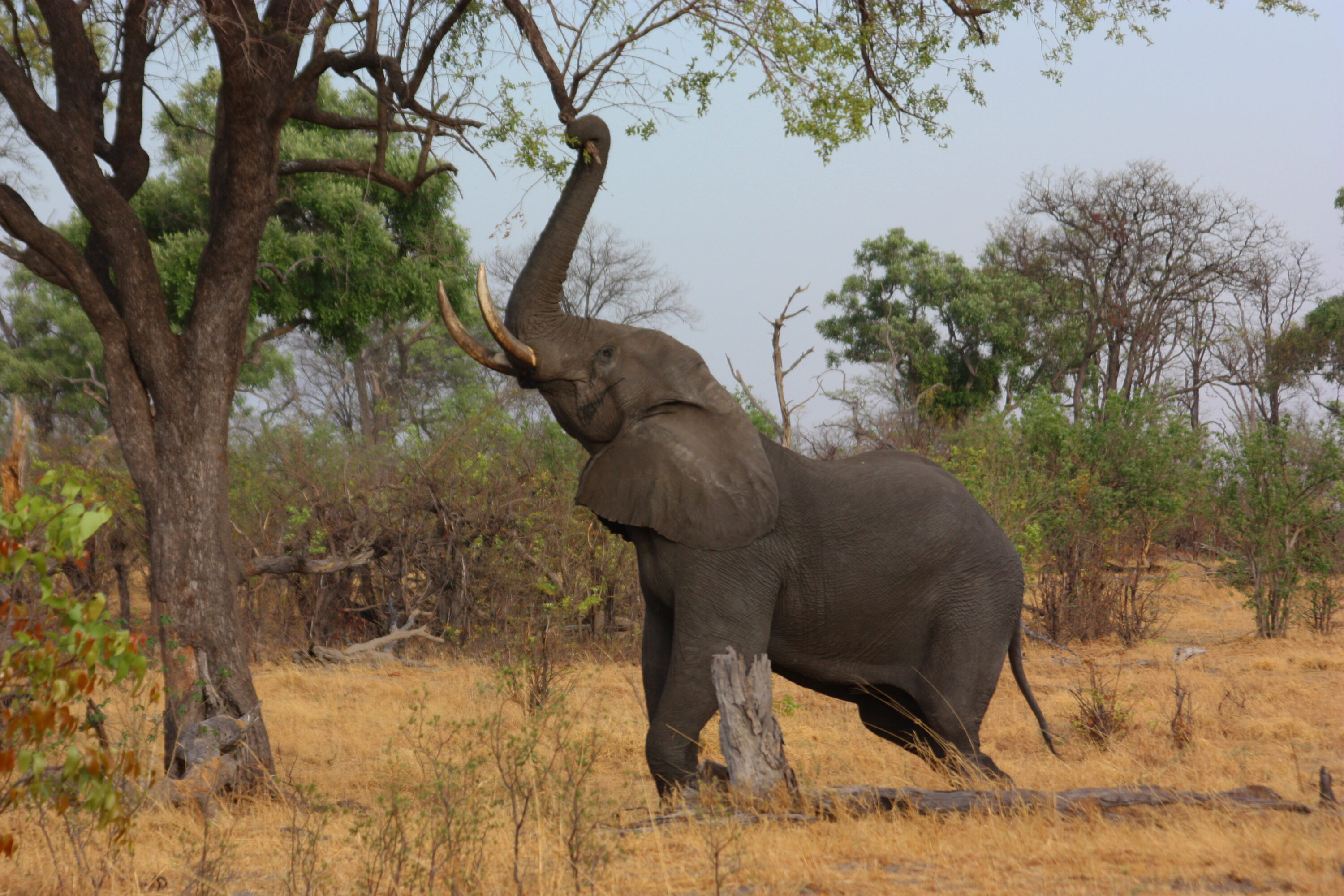
African Bush Elephants Distinguished Artificial Food-Quantity Patterns at Close Range
In experiments in South Africa, four semi-tame elephants chose between visual patterns representing canopy size and leaf density.…
Read story →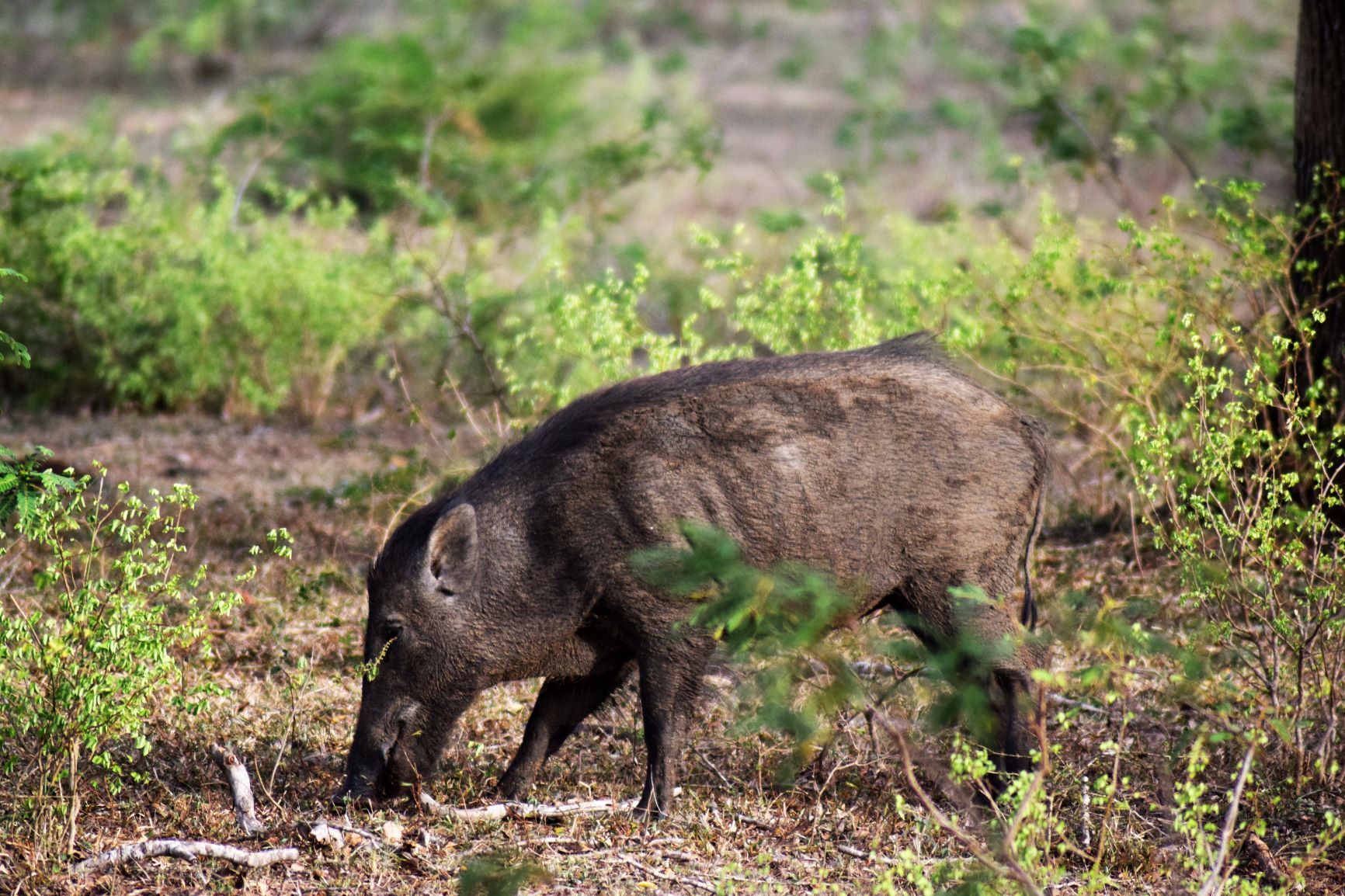
Maps Show Where Wild Boar Could Thrive and Spread on Jeju Island
Researchers mapped potentially suitable wild-boar habitat across roughly 36% of Jeju Island and identified eight possible corridors linking…
Read story →SPECIES IN THIS STORY
Species in this story
Independent research and conservation news archive
Did you find this information useful?
Wildlife Vagabond is independently built and maintained. Voluntary support helps cover source verification, hosting and continued work on research and conservation news.
Support Wildlife VagabondThe news archive will remain freely available.