
Gorongosa Dataset Tracks 37 Nyalas Through a Decade of Ecosystem Recovery
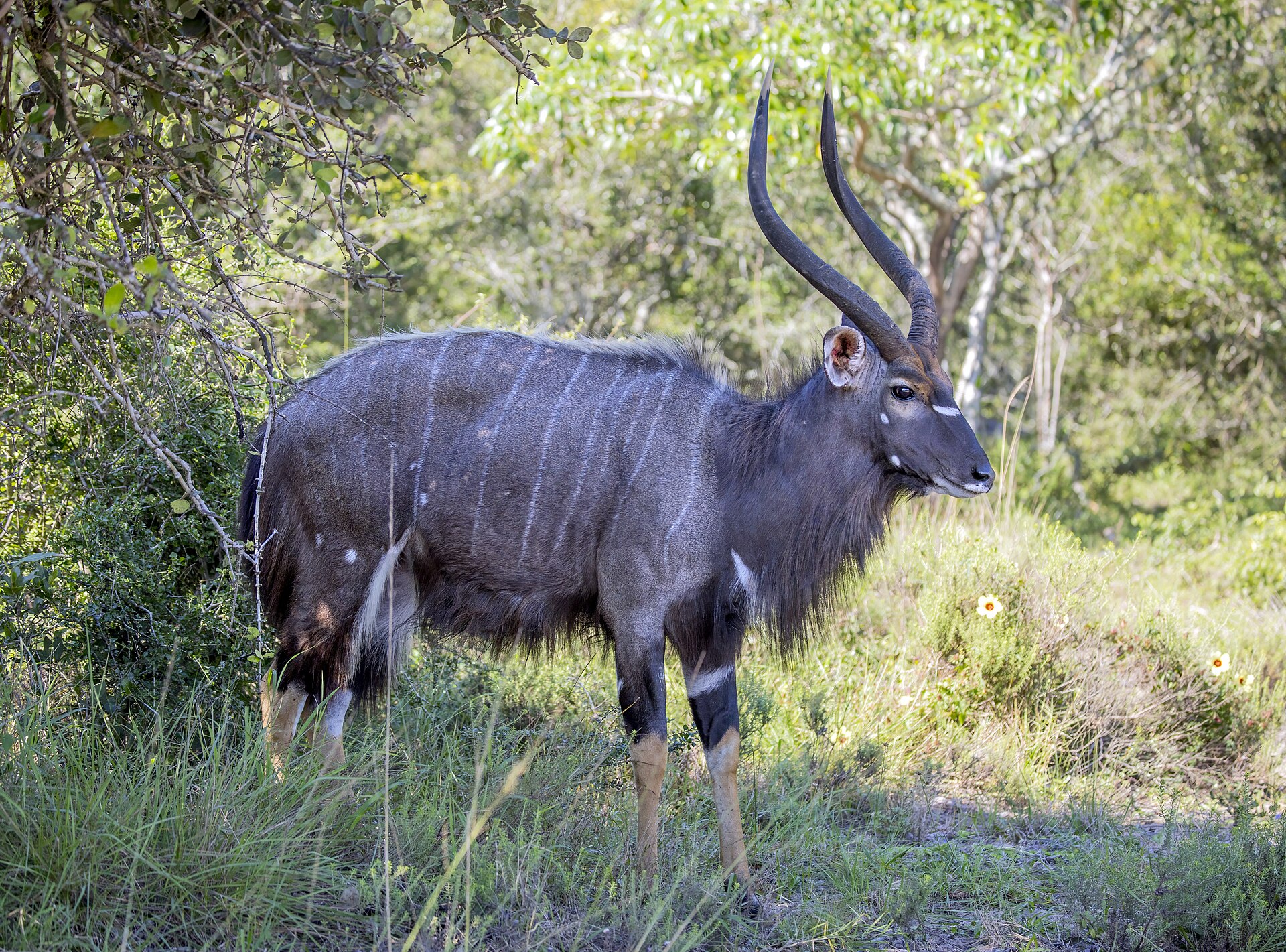
A peer-reviewed data paper published in 2026 has brought together more than a decade of movement and diet records from large herbivores in Gorongosa National Park, Mozambique. Nyala (Tragelaphus angasii) had the third-largest collar sample among the seven telemetry species: 37 individuals, after Cape bushbuck with 103 and greater kudu with 80. The nyalas were tracked for a median of 306 days, with a median of 6,789 recorded locations per animal.
The wider telemetry dataset covers 277 herbivores from seven species and spans work conducted between 2013 and 2025. In addition to Cape bushbuck, greater kudu and nyala, it includes 22 waterbuck, 18 African savanna elephants, 10 common eland and seven plains zebra. This period coincided with the continuing restoration of Gorongosa’s large-mammal community after severe losses during Mozambique’s civil war, as well as years with very different rainfall conditions and the return of several locally extinct predators from 2018 onwards.
Movement records were paired with body and diet data
The researchers combined movement records with additional biological information. For 295 animals handled during the project, the dataset includes measurements such as body length, chest girth and weight, together with reproductive status, indicators of nutritional condition and information on the animals’ fate when known.
Diet was documented on an even broader scale. DNA metabarcoding was used to identify plants in 3,785 faecal samples from 27 mammal species. Across those samples, the team recorded 516 food-plant taxa belonging to at least 87 plant families. The resulting material can therefore be used to study not only where herbivores moved, but also what they ate and how those patterns changed while the ecosystem was being rebuilt.
A data resource rather than a single-effect study
The paper is primarily a data publication rather than a study centred on one single ecological effect. The long-term records are available in a structured form for future analyses of movement, diet, habitat selection, species interactions and community recovery. The filtered data are openly available through the article’s supplementary material and Dryad, while movement data are also deposited in Movebank.
For nyala, the unusually detailed tracking series provides a substantial record of how individuals used a recovering savanna ecosystem during a period of major ecological change. The authors present the wider dataset as a resource for studying how large-herbivore communities reassemble when populations, predators and environmental conditions change over time.
Ecology
Related news
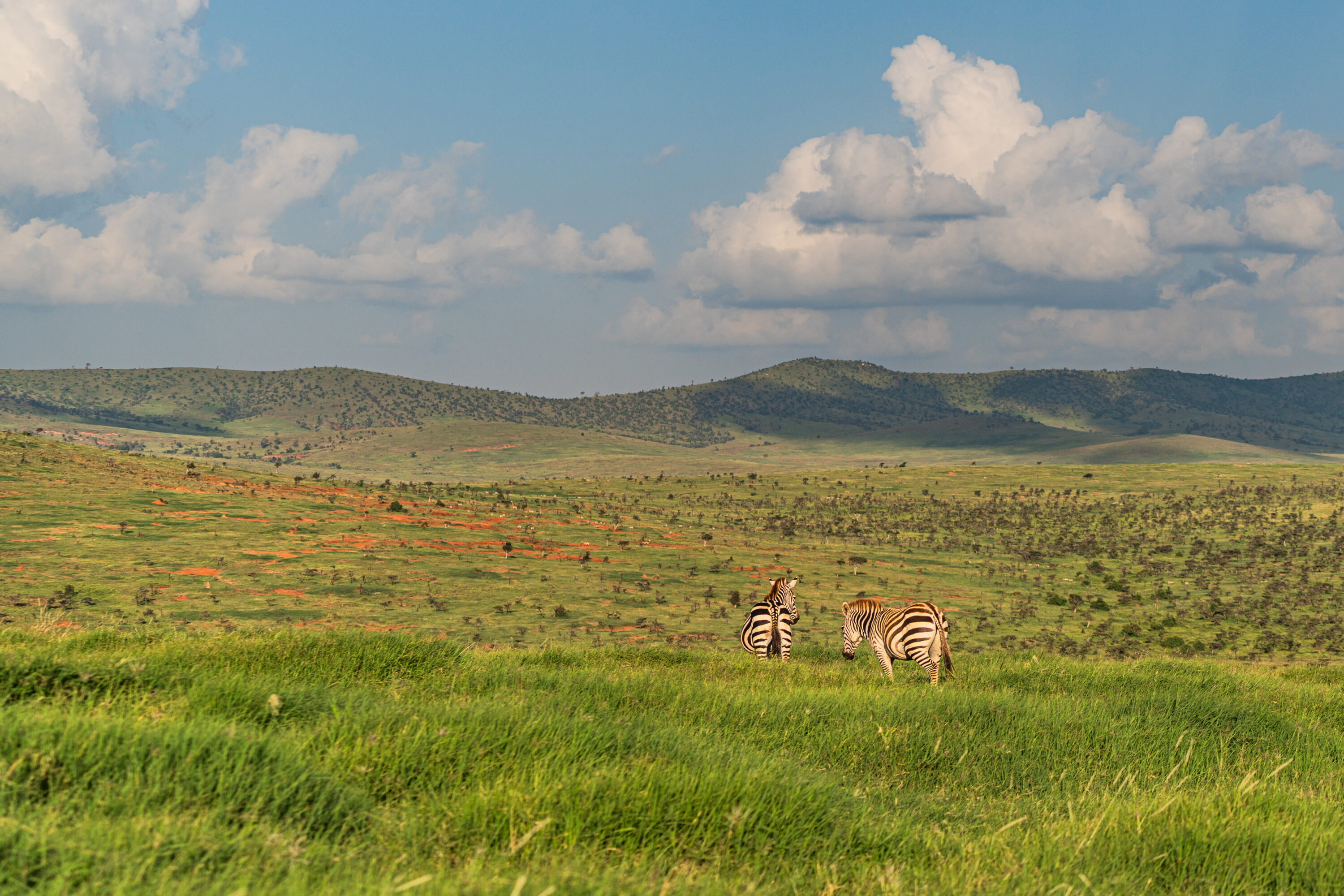
First Reported Giardia Detections in Four Wild Herbivore Species in Kenya
Molecular screening of wildlife and livestock in Laikipia produced the first reported Giardia detections in African buffalo, plains…
Read story →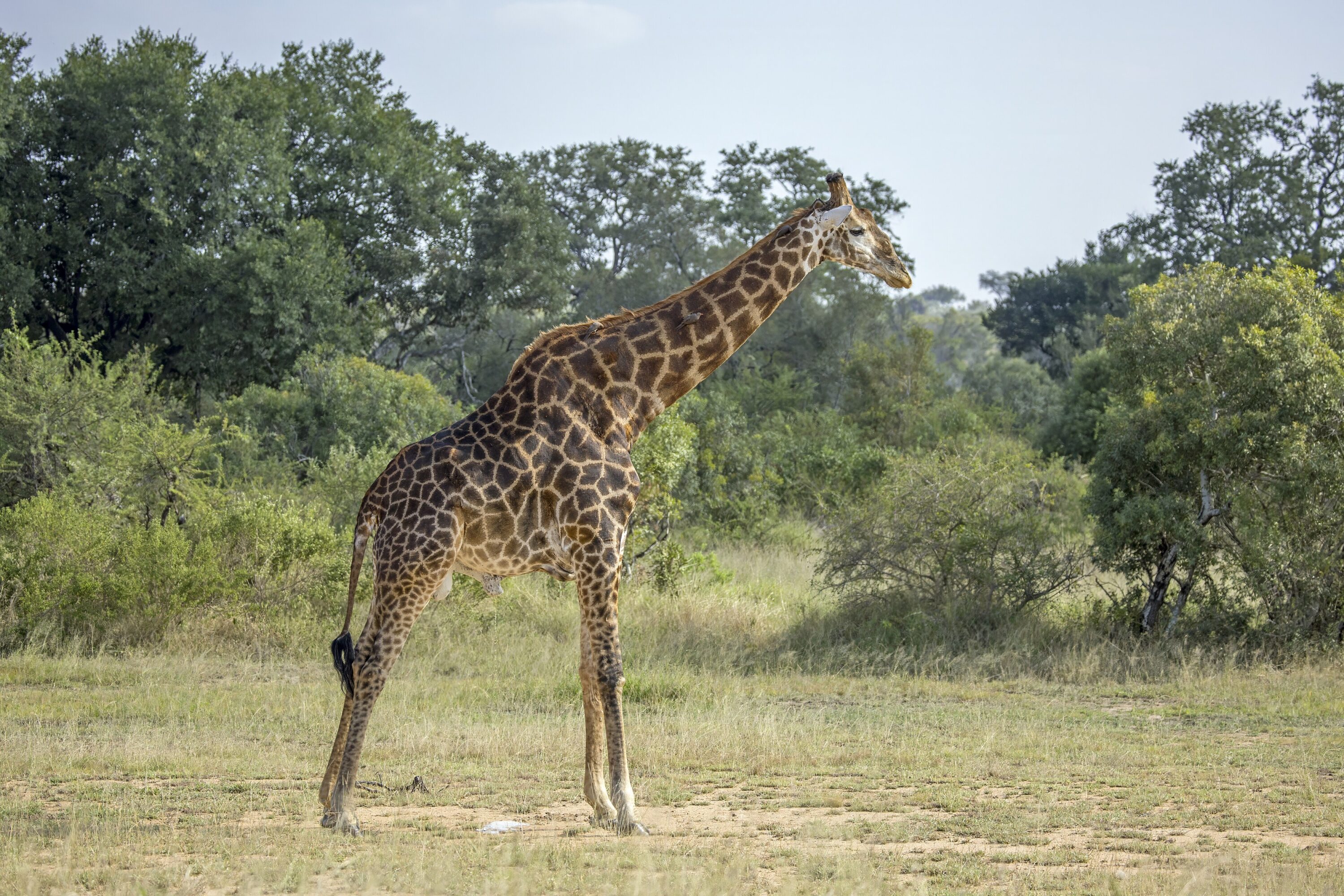
Kruger Herbivores Concentrated Around Reservoirs, but Three Species Favoured Undammed Drainages
Camera traps around 11 reservoirs and 11 undammed drainages in Kruger found higher modelled metabolic biomass around reservoirs…
Read story →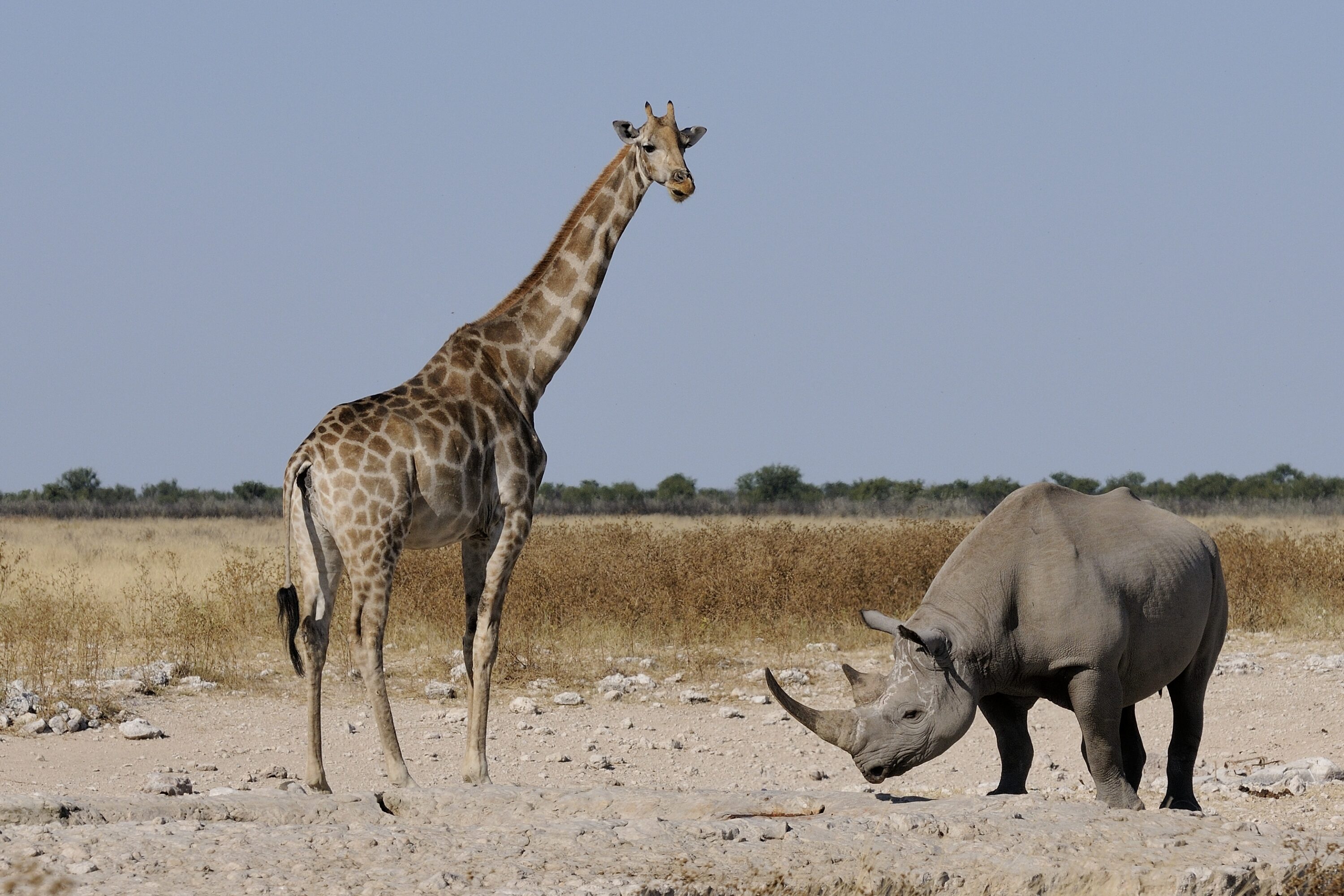
Environmental Conditions Shaped Large-Herbivore Space Use More Than Predators in Northwestern Namibia
Camera traps across northwestern Namibia showed that environmental conditions generally shaped space use in seven large-herbivore species more…
Read story →SPECIES IN THIS STORY
Species in this story
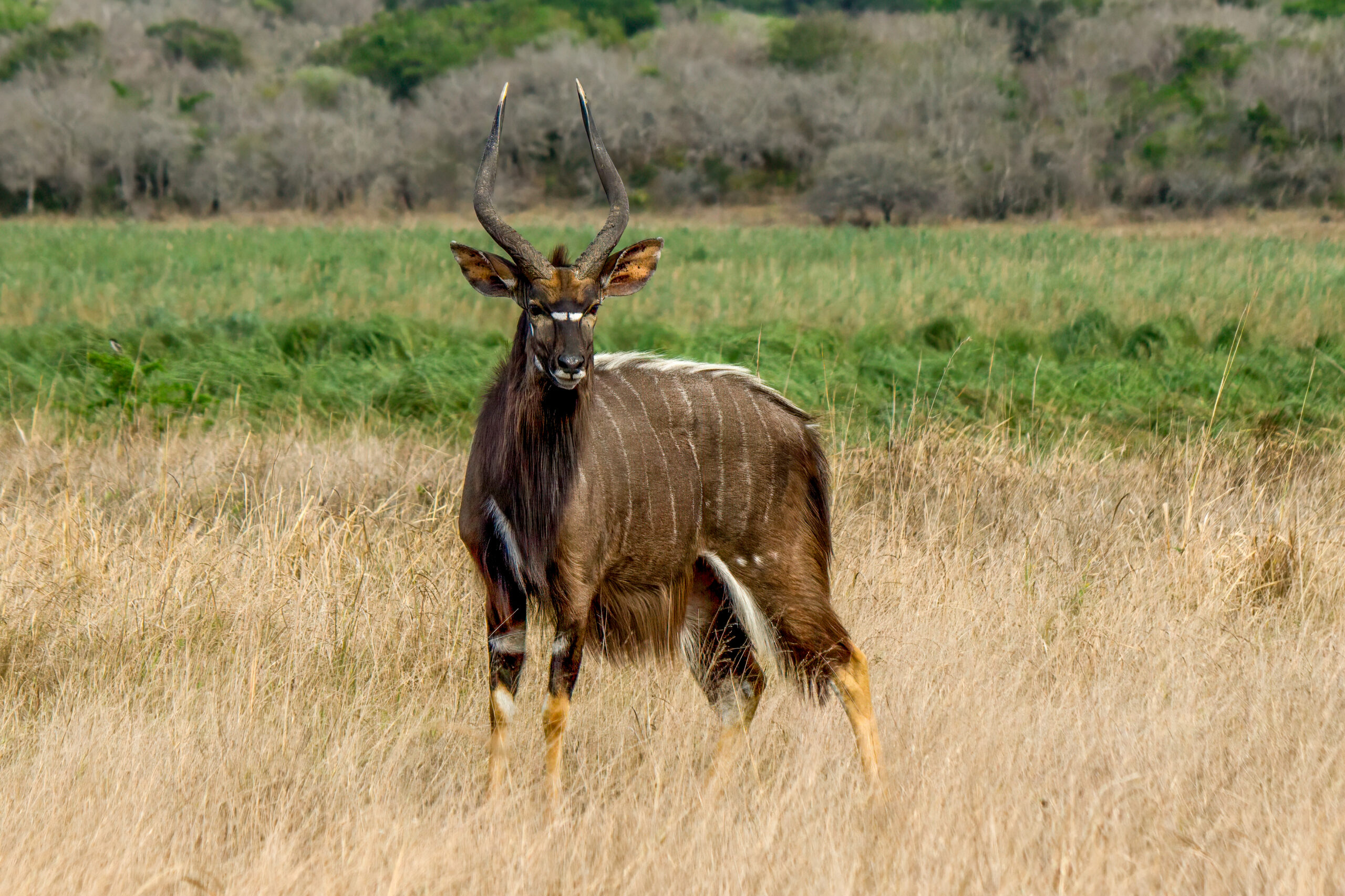 Nyala
Tragelaphus angasii Explore species →
Nyala
Tragelaphus angasii Explore species →
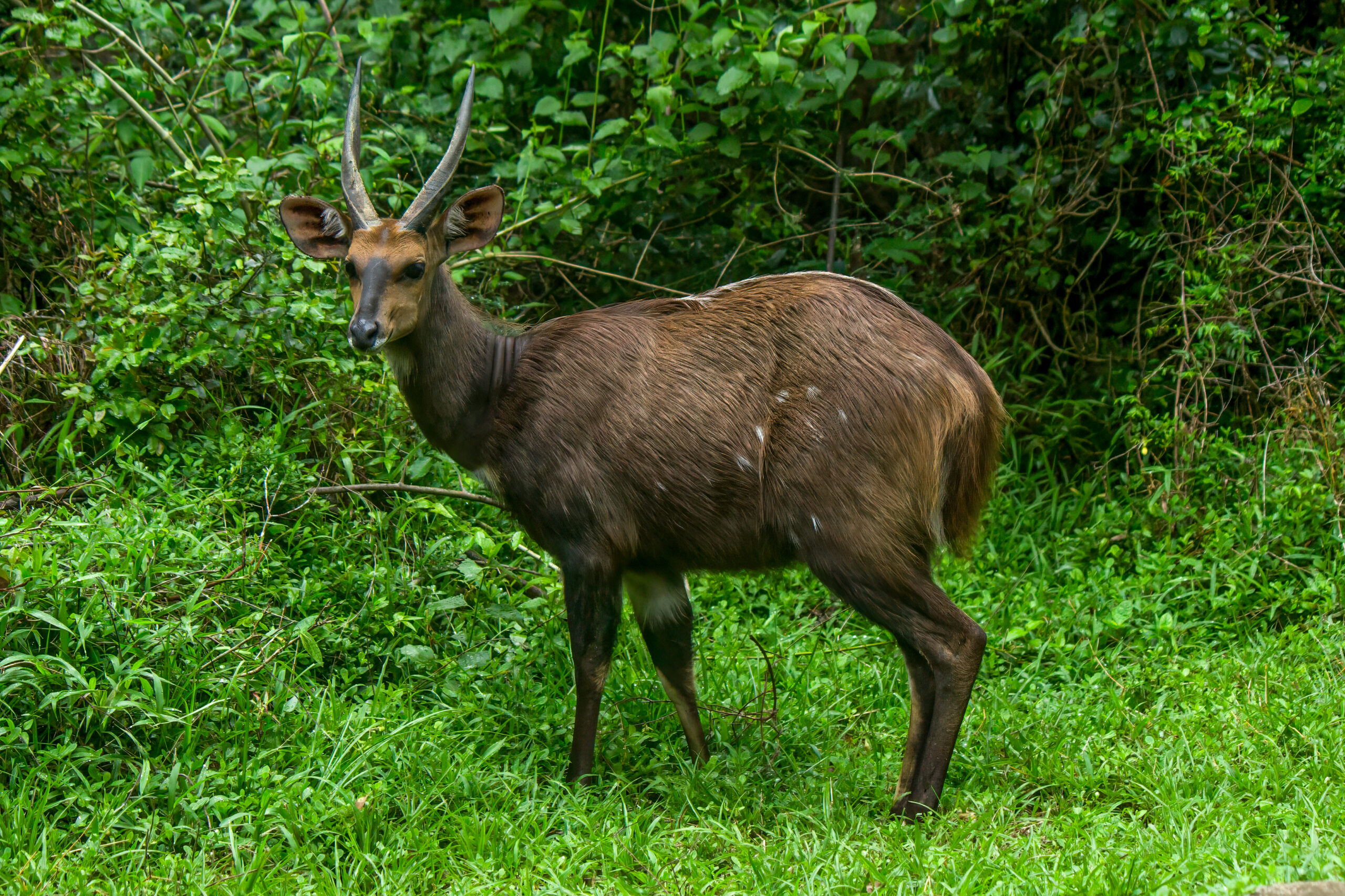 Cape Bushbuck
Tragelaphus sylvaticus Explore species →
Cape Bushbuck
Tragelaphus sylvaticus Explore species →
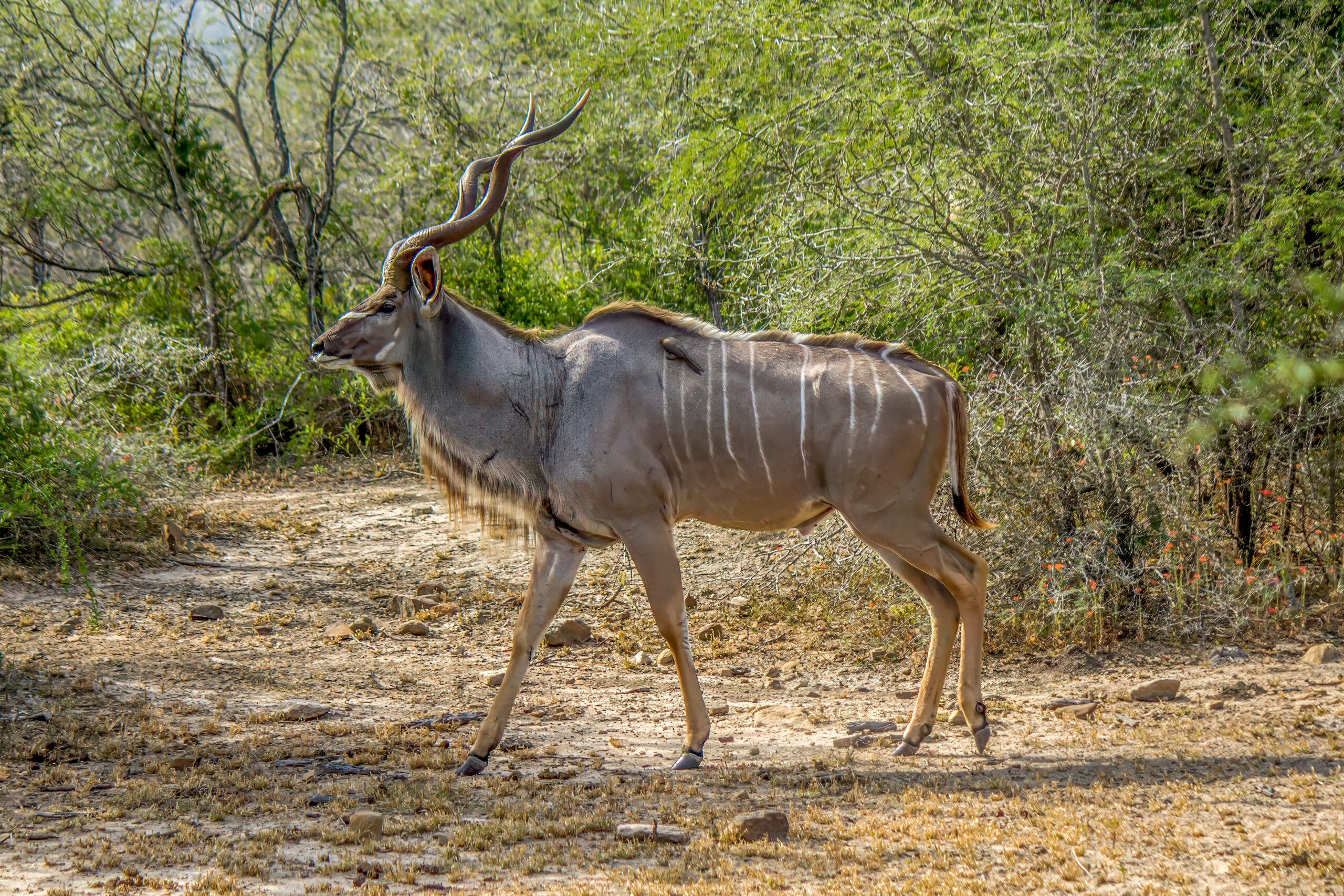 Greater Kudu
Tragelaphus strepsiceros Explore species →
Greater Kudu
Tragelaphus strepsiceros Explore species →
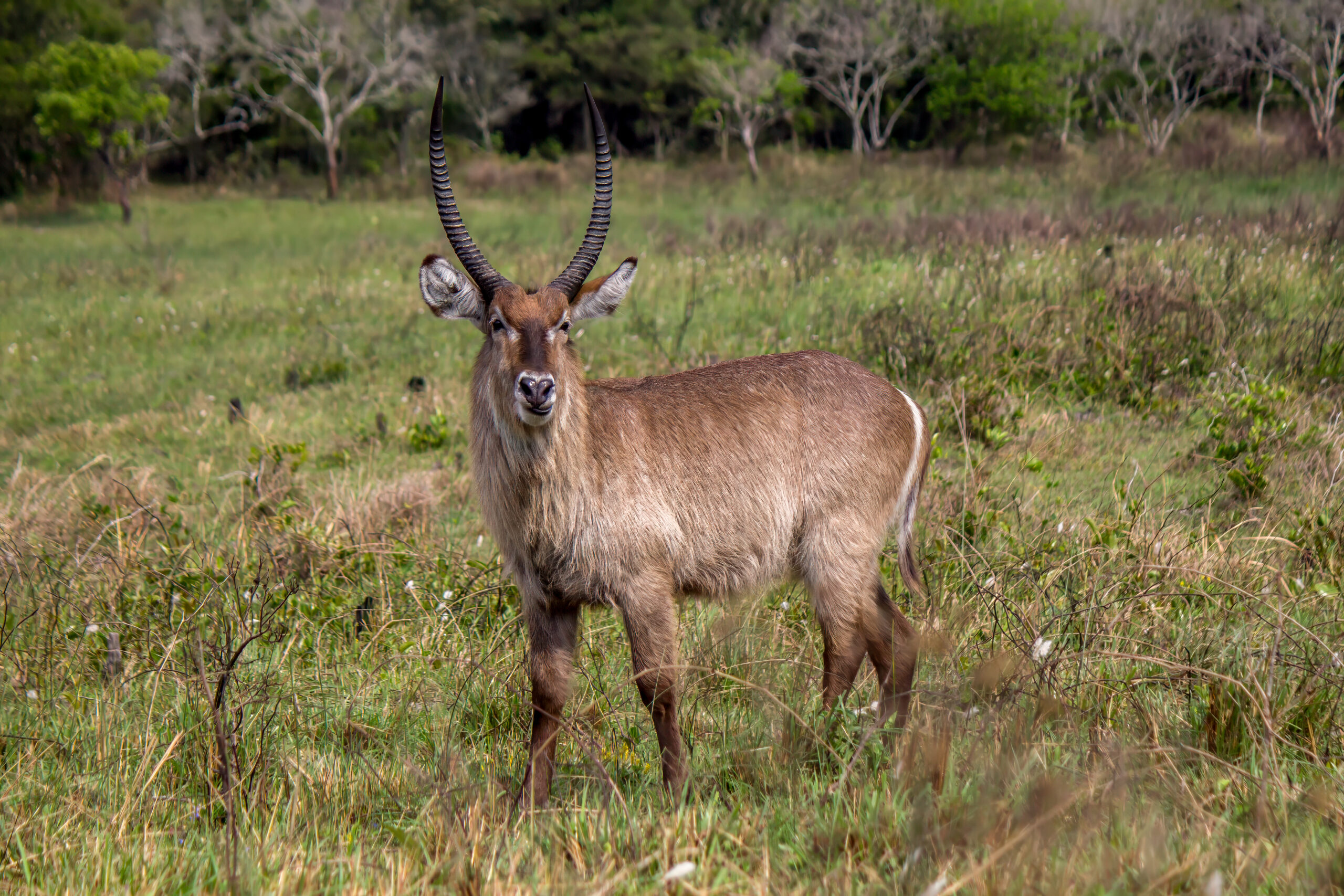 Waterbuck
Kobus ellipsiprymnus Explore species →
Waterbuck
Kobus ellipsiprymnus Explore species →
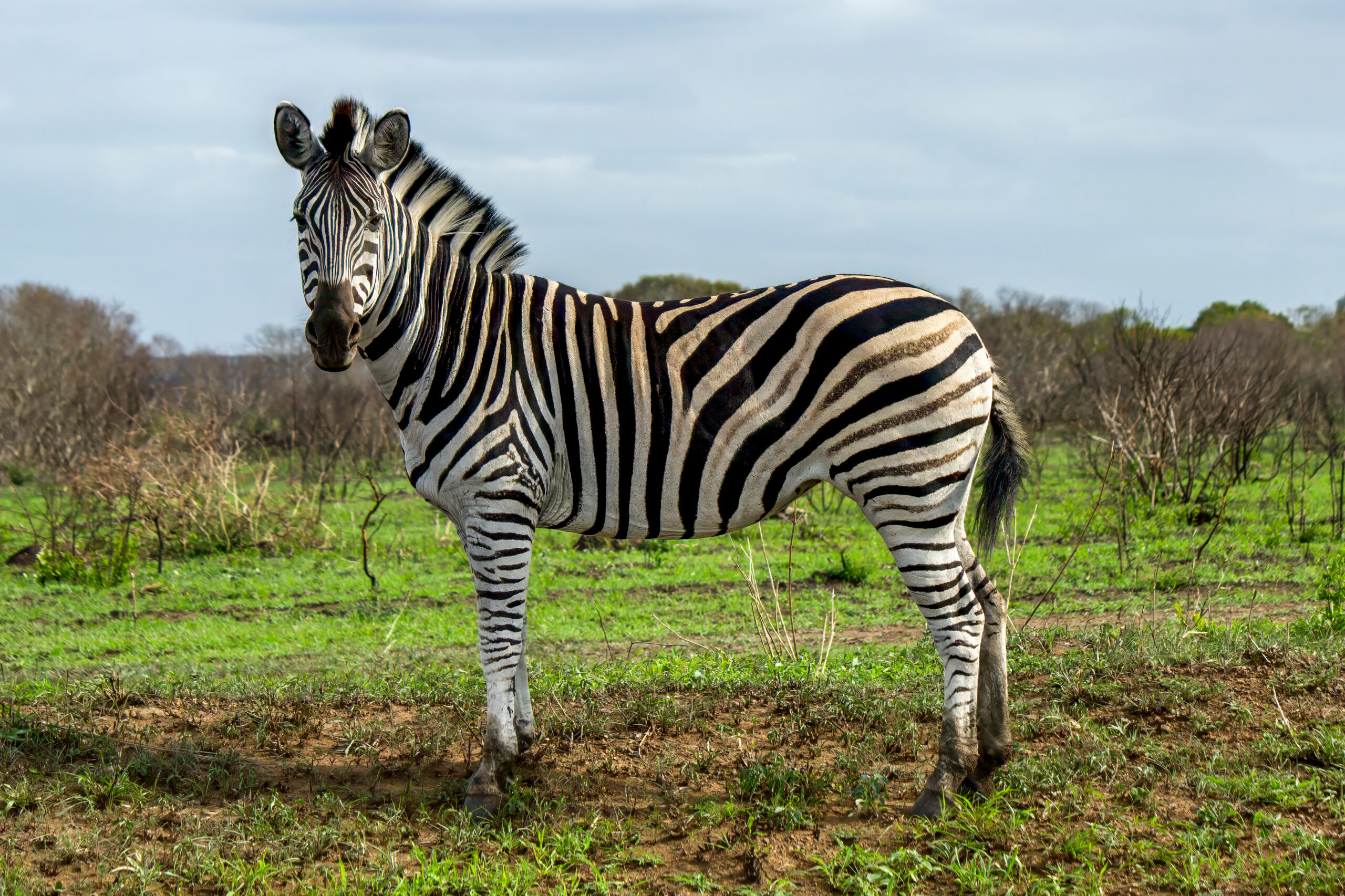 Plains Zebra
Equus quagga Explore species →
Plains Zebra
Equus quagga Explore species →
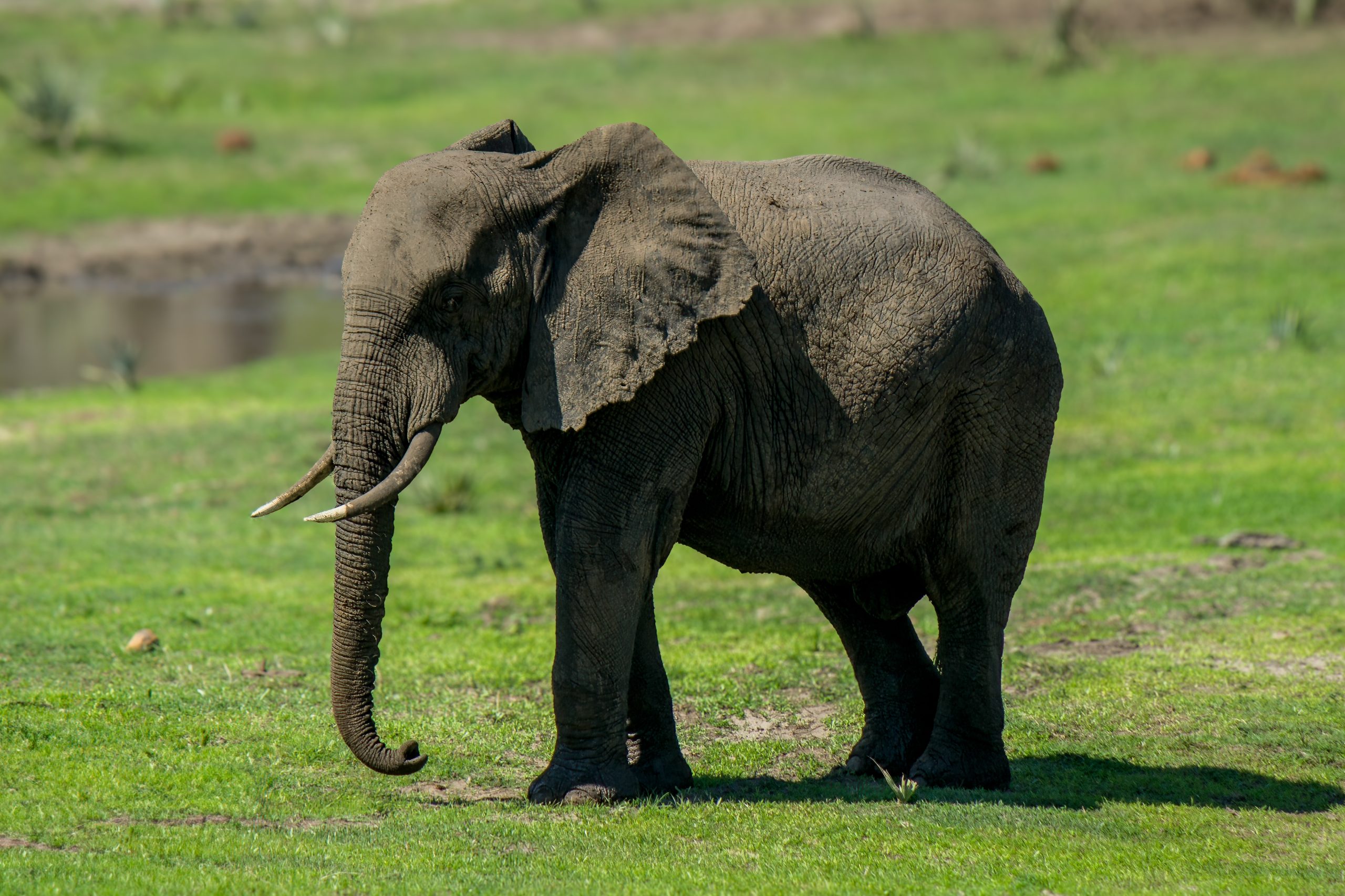 African Bush Elephant
Loxodonta africana Explore species →
African Bush Elephant
Loxodonta africana Explore species →
Independent research and conservation news archive
Did you find this information useful?
Wildlife Vagabond is independently built and maintained. Voluntary support helps cover source verification, hosting and continued work on research and conservation news.
Support Wildlife VagabondThe news archive will remain freely available.