
Cape Peninsula Caracals Used Urban Edges but Kept to Darker Routes at Night
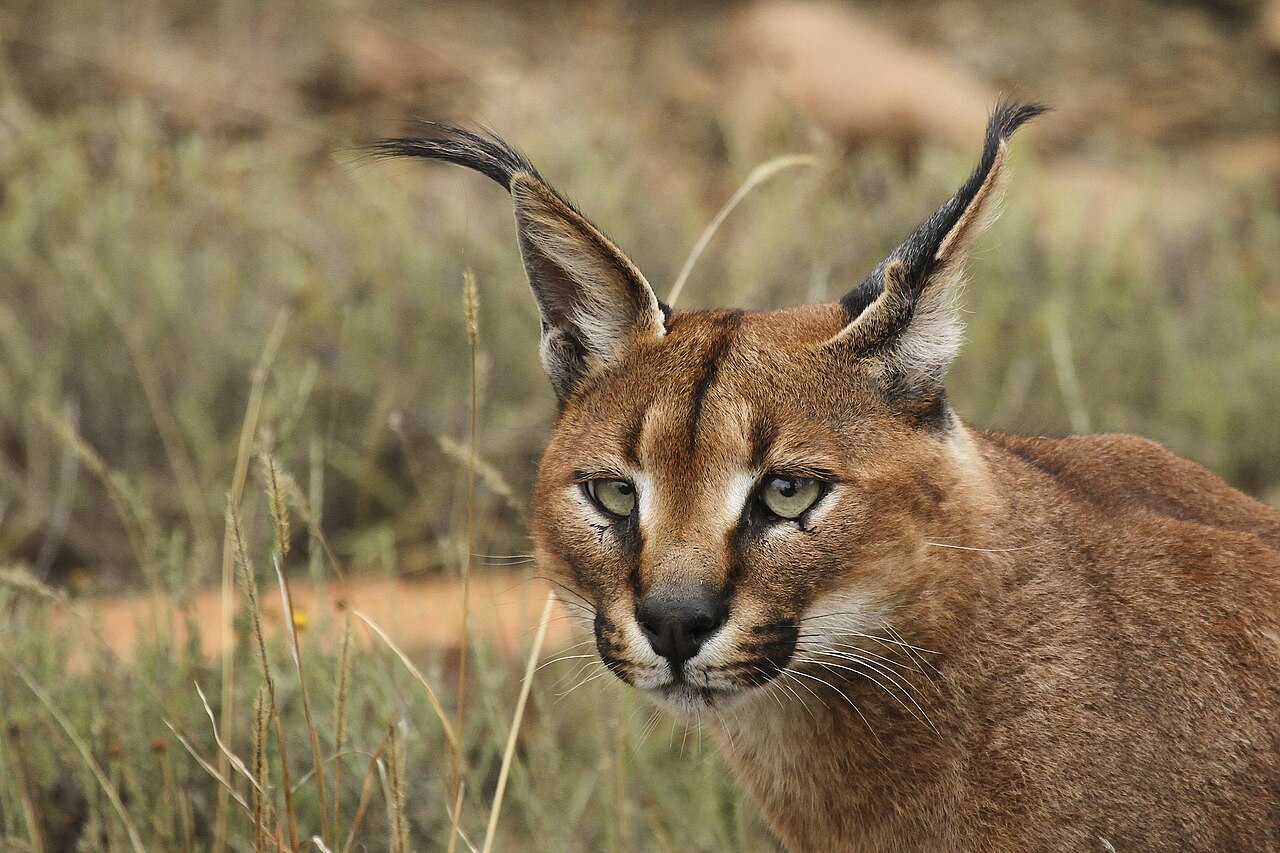
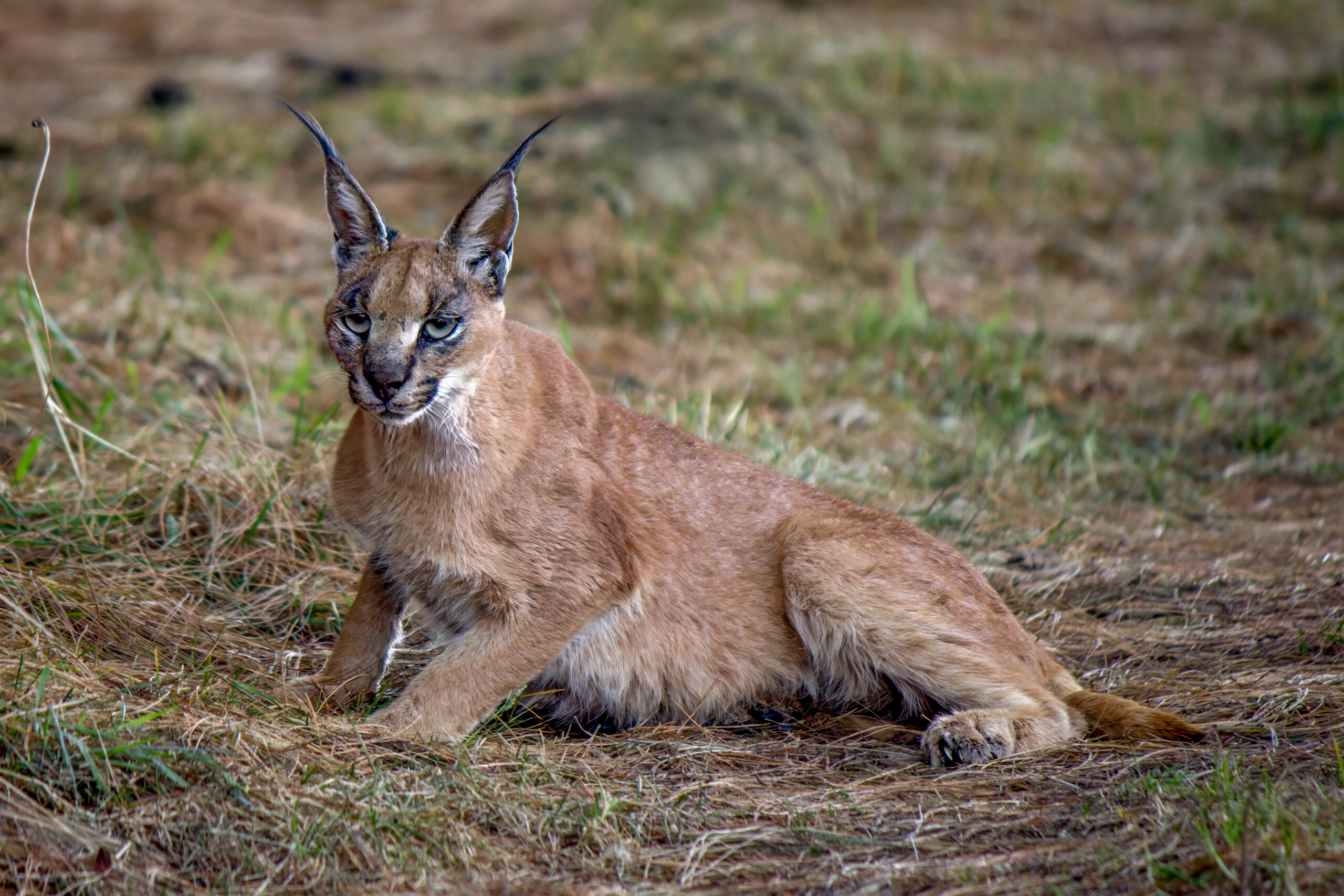
Caracals (Caracal caracal) on the Cape Peninsula, South Africa did not simply avoid urban areas at night. GPS tracking showed that the cats often selected areas closer to urban development while simultaneously avoiding the brightest direct artificial light. Their kill sites also tended to occur where public street lighting was lower. The study was first available online on 28 January 2026 in Science of the Total Environment.
The researchers analysed nighttime and low-light GPS data from 24 caracals tracked between 2014 and 2017. The movement analysis contained 5,266 observed steps and compared them with three measures of artificial light at night: upward radiance emitted from the ground, the density of public city lights and diffuse urban skyglow. The models also accounted for distance to urban development, natural illumination, vegetation cover, age class and sex.
Caracals chose darker movement routes
Upward radiance gave the clearest movement result. Caracals selected movement paths with less of this direct artificial light while also tending to move closer to urbanisation. Subadults used areas with higher upward radiance than adults, indicating greater tolerance of artificial light among younger animals. The influence of light was comparatively similar between males and females and across the two studied subpopulations.
Foraging followed a different pattern
Foraging was analysed separately for 19 of the tracked caracals. Researchers identified 195 foraging or resting clusters under dark or low-light conditions and compared confirmed kill sites with other available locations within each animal’s home range. Kill-site selection fell as public street lighting increased, while upward radiance and skyglow did not show the same clear relationship.
The study therefore separates two aspects of urban life that often occur together. The caracals used the urban edge, but at night they still selected darker routes and darker places for kills. The authors suggest that proximity to urban areas can offer opportunities such as prey while strong direct illumination may increase perceived risk or reduce the concealment that darkness provides. They also discuss why diffuse skyglow may differ from direct lighting: low levels could resemble moonlight and potentially help visual activity, but this mechanism was not tested directly.
Light variables were difficult to separate
Upward radiance, public lighting and skyglow overlapped strongly across the landscape, so the study could not cleanly separate their independent effects. The broader conclusion is therefore not that all artificial light affects caracals in the same way, but that direct and diffuse night lighting can shape movement and foraging differently.
Ecology
Related news
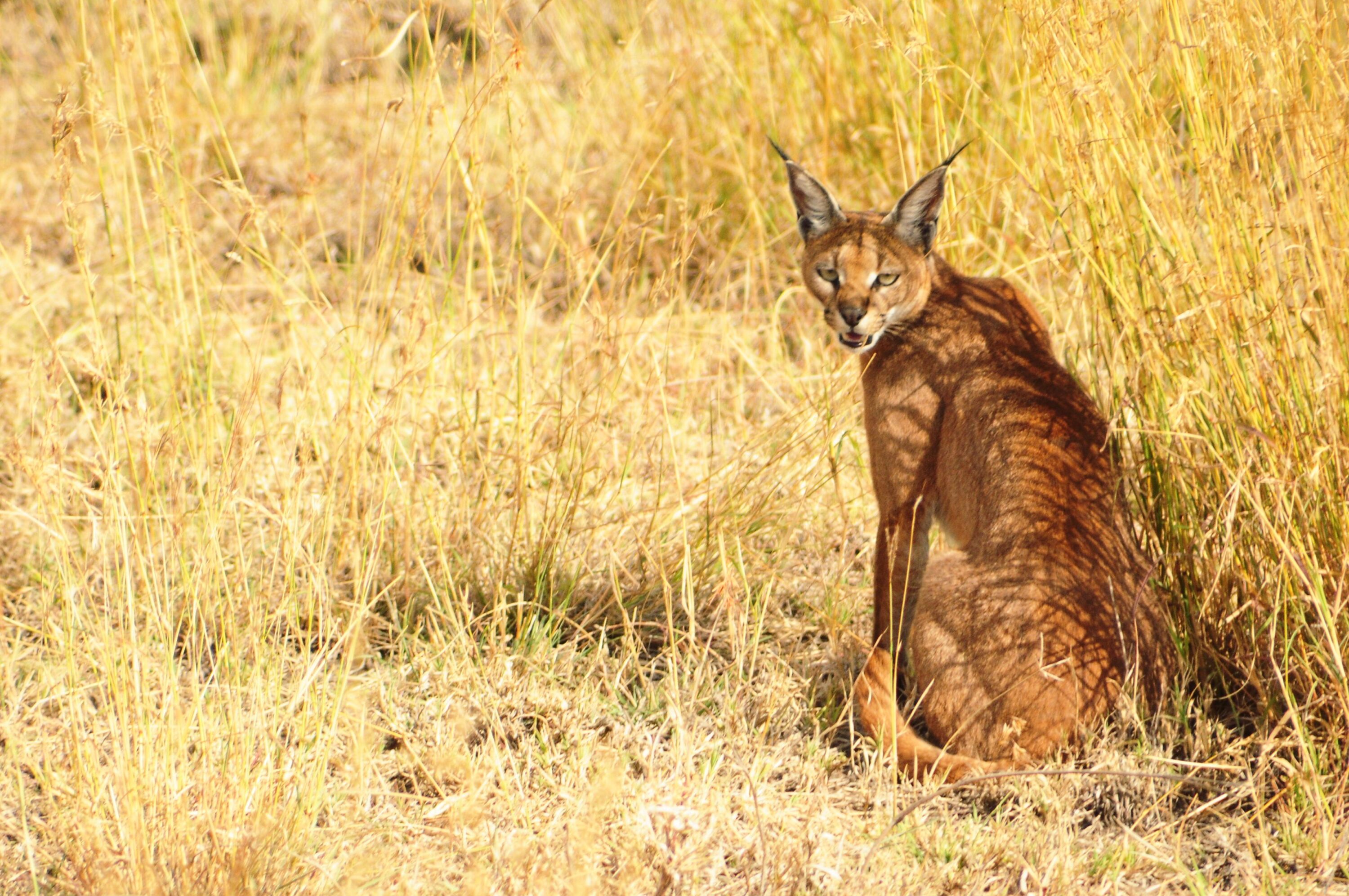
India Released Its First Comprehensive National Conservation Framework for the Caracal, Fishing Cat and Clouded Leopard
The Wildlife Institute of India released a 220-page national action plan on 4 August 2026 for caracals, fishing…
Read story →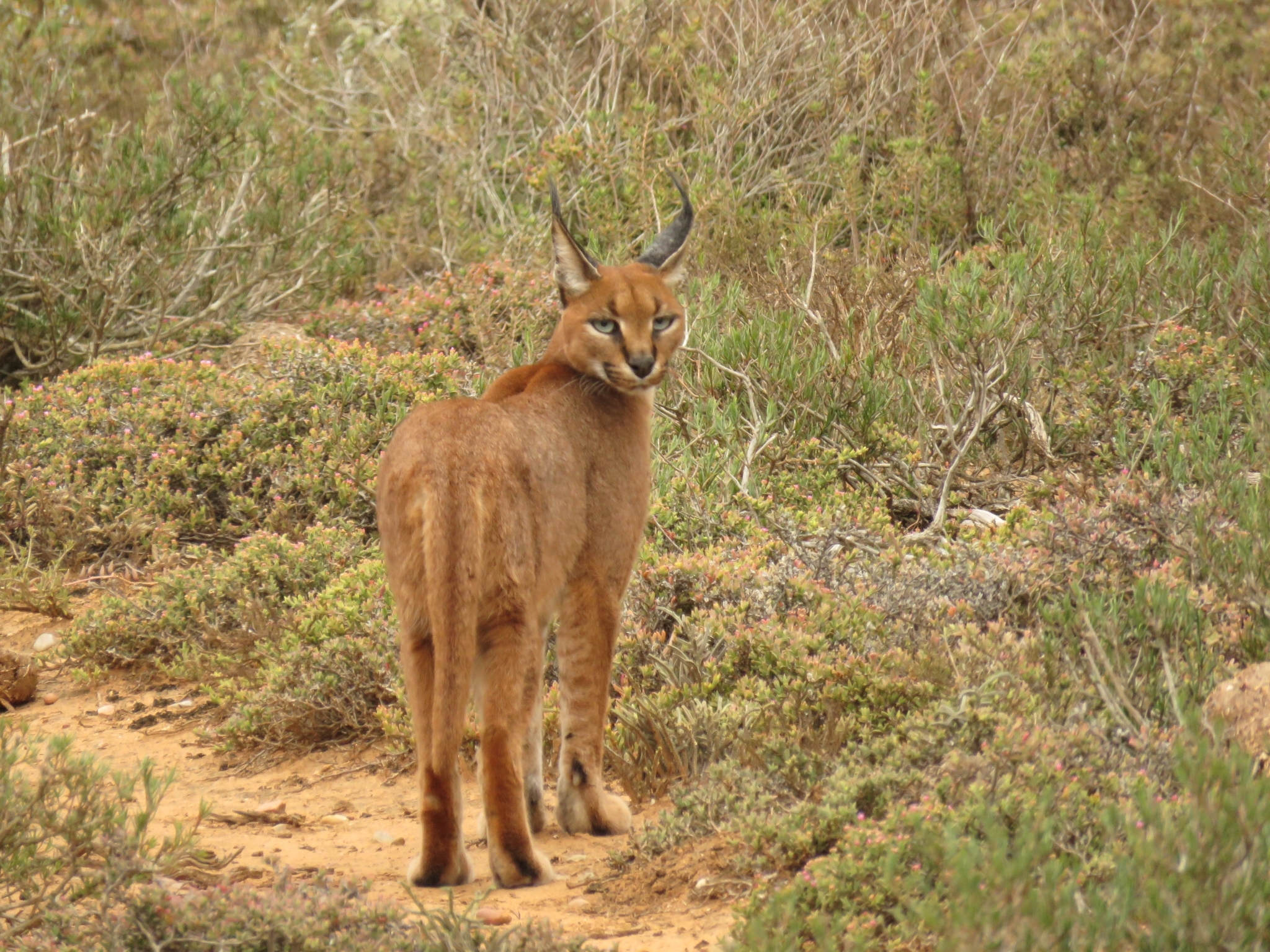
Anticoagulant Rat Poisons Were Detected in 78% of Sampled Cape Town Caracals
A ten-year Cape Town study found anticoagulant rodenticides in 78% of analysed caracal liver samples, with higher exposure…
Read story →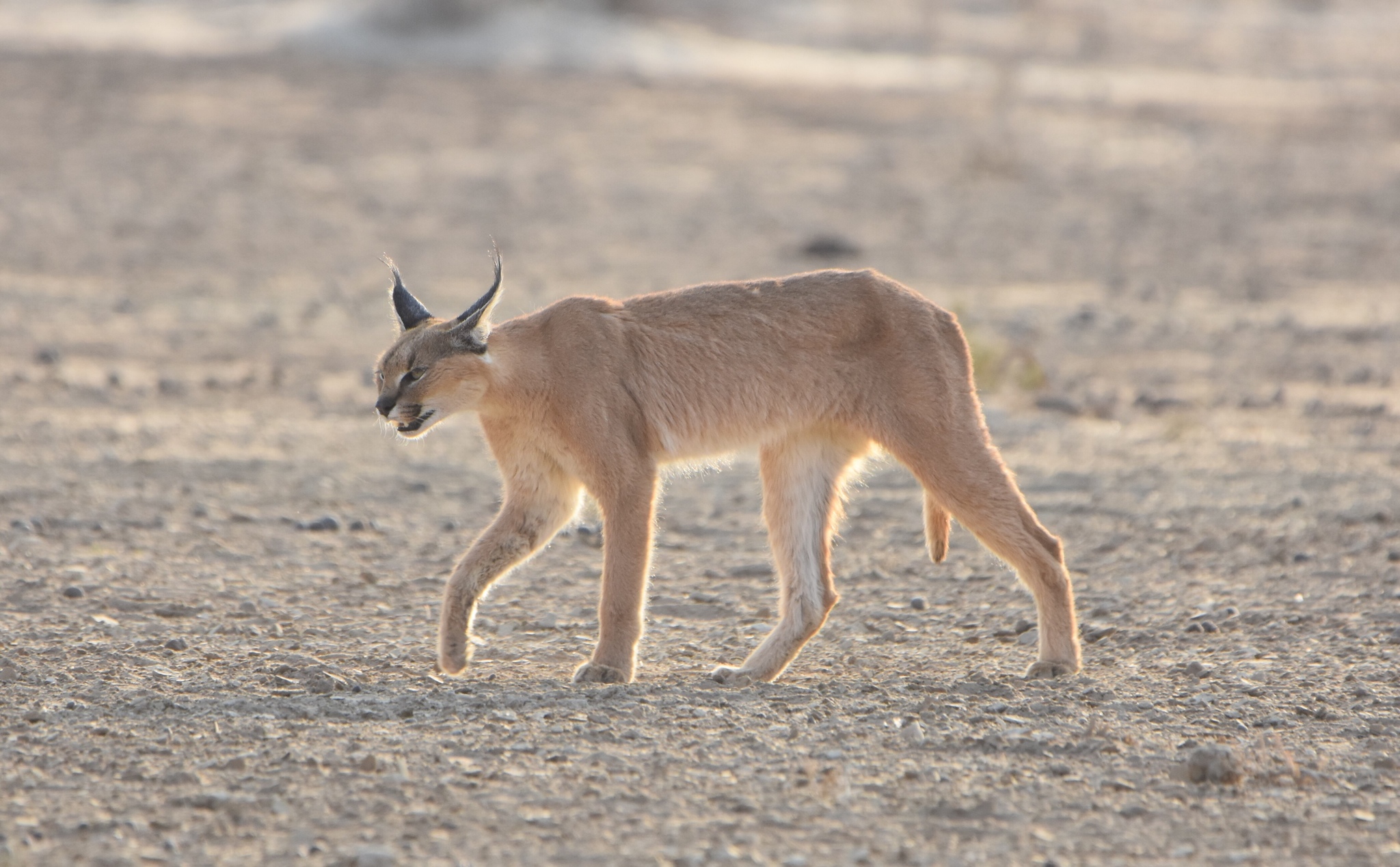
Camera Trap Confirmed Caracal Presence in Kuno National Park
A camera trap recorded a caracal in Kuno National Park in June 2026, providing a rare confirmed recent…
Read story →SPECIES IN THIS STORY
Species in this story
Independent research and conservation news archive
Did you find this information useful?
Wildlife Vagabond is independently built and maintained. Voluntary support helps cover source verification, hosting and continued work on research and conservation news.
Support Wildlife VagabondThe news archive will remain freely available.