
Macrolide Resistance Was Found in 27% of Wild Boar Streptococcal Isolates in Catalonia
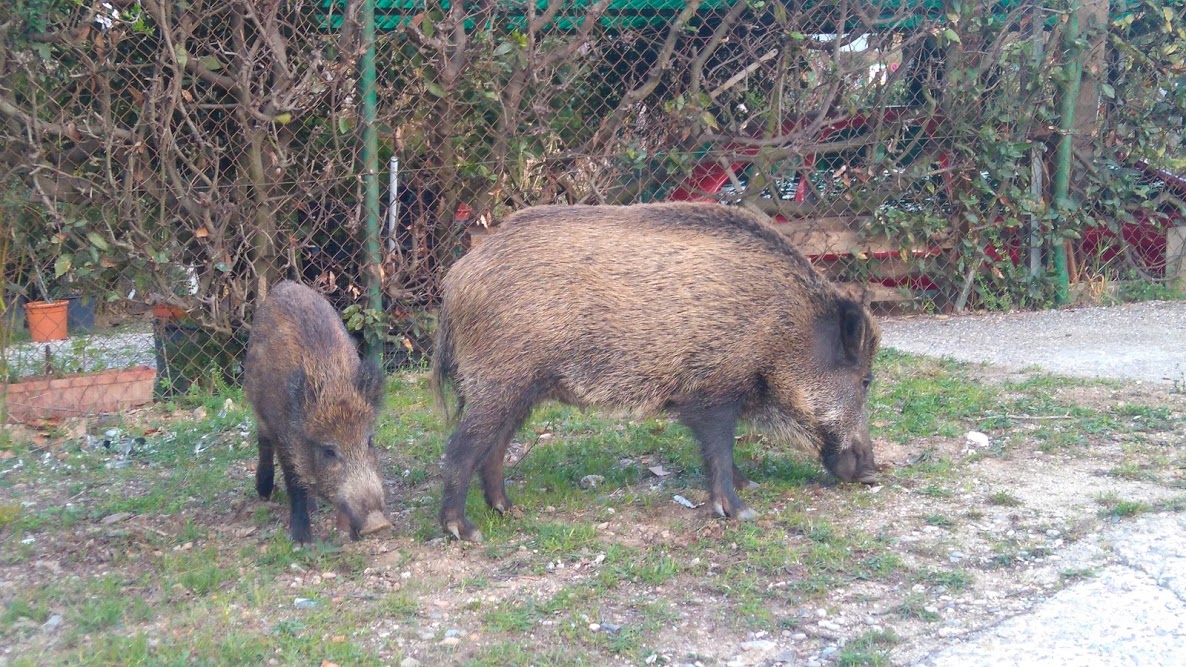
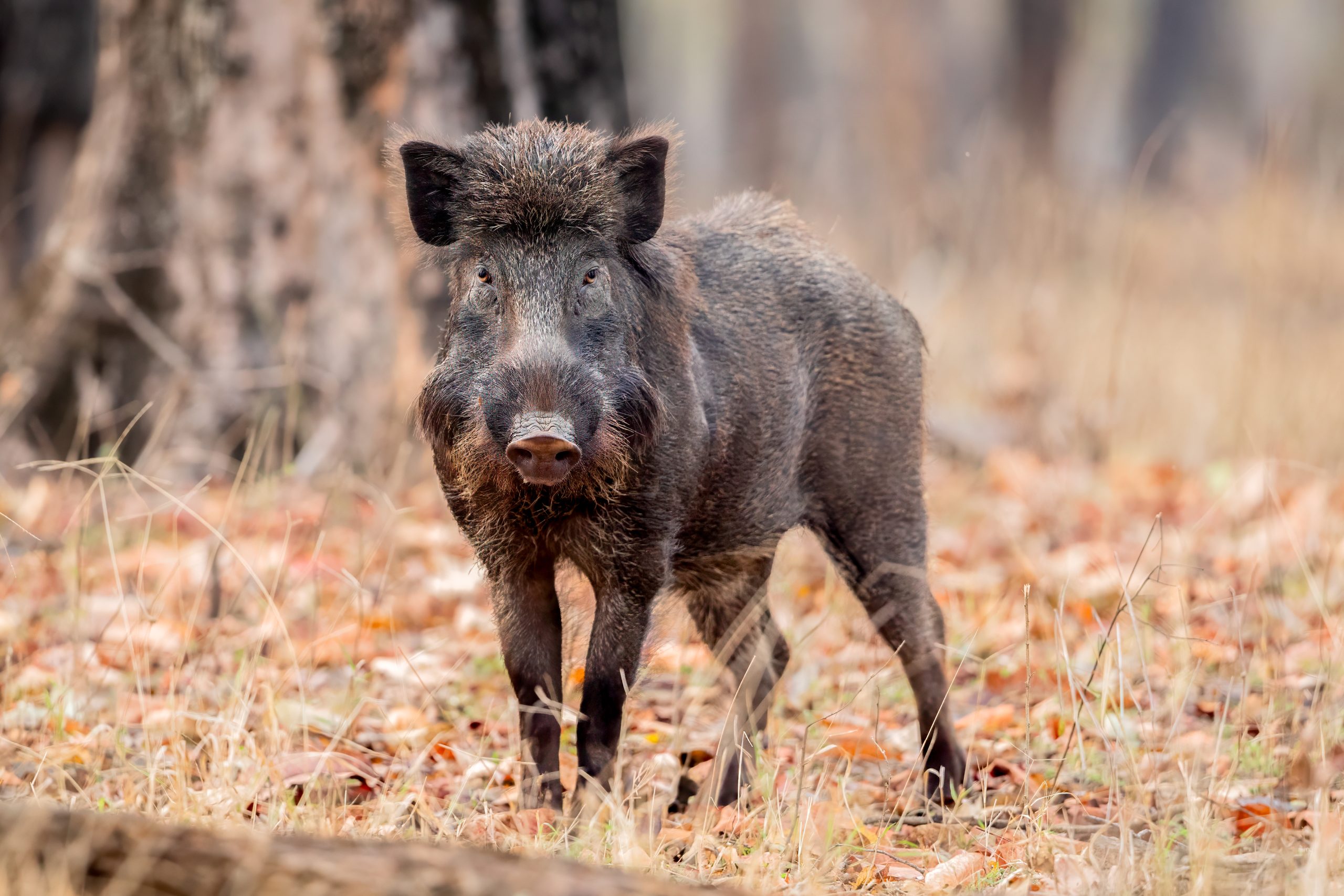
A study of streptococci from livestock, wildlife and companion animals in Catalonia, Spain found macrolide resistance in 16 of 59 isolates from wild boar (Sus scrofa), corresponding to 27.1%. Wild boar provided the second-largest sample in the study after domestic pigs.
Macrolides are an important group of antibiotics, and resistance means that bacteria are less susceptible to drugs intended to inhibit them. Detecting resistance in wild-boar streptococci matters because resistance genes carried on mobile genetic elements can spread between bacteria across livestock, wildlife and shared environments.
The researchers analysed 307 streptococcal isolates collected between 2003 and 2020. Domestic pigs accounted for 155 isolates, wild boar for 59 and Pyrenean chamois for 44, with smaller numbers from cattle, sheep, dogs, cats, rabbits, dolphins, a house sparrow and a griffon vulture. Samples from wild boar and chamois came from legally hunted animals. All isolates were tested for susceptibility to erythromycin, a macrolide, and clindamycin, a lincosamide.
Resistance was much more common in domestic pigs
Resistance was much more common in domestic-pig isolates: 84.5% were resistant to macrolides and 94.8% to lincosamides, compared with 13.2% and 18.4%, respectively, when all other animal sources were pooled. Among wild animals, macrolide resistance was detected mainly in wild-boar isolates. The authors reported macrolide and/or lincosamide-resistant streptococci in 17 of 59 wild-boar isolates overall, with Streptococcus suis the main resistant species found in wild boar. They suggest that contact between wild boar, livestock and urban environments may help explain why resistance was more evident in this wildlife host than in the other wild species examined.
Resistance genes were linked to mobile elements
Whole-genome sequencing of 50 selected resistant isolates showed that several important resistance genes, including erm(B), tet(O), vga(F) and lnu(B)-lsa(E), were associated with mobile genetic elements. The erm genes encode methylases that modify the antibiotic target site and can produce the MLSB phenotype: combined resistance to macrolides, lincosamides and streptogramin B. In S. suis, erm(B) and the tetracycline-resistance gene tet(O) were especially common, while vga(F) was associated with isolates showing lincosamide resistance alone. The predominant mobile elements belonged to the Tn5252 family. These integrative elements can carry several resistance genes together and contribute to horizontal spread between streptococci. The authors conclude that mobile genetic elements are major carriers of resistance determinants and document resistant strains not only in farm animals but also in wildlife such as wild boar.
Disease, parasites & microbiology
Related news
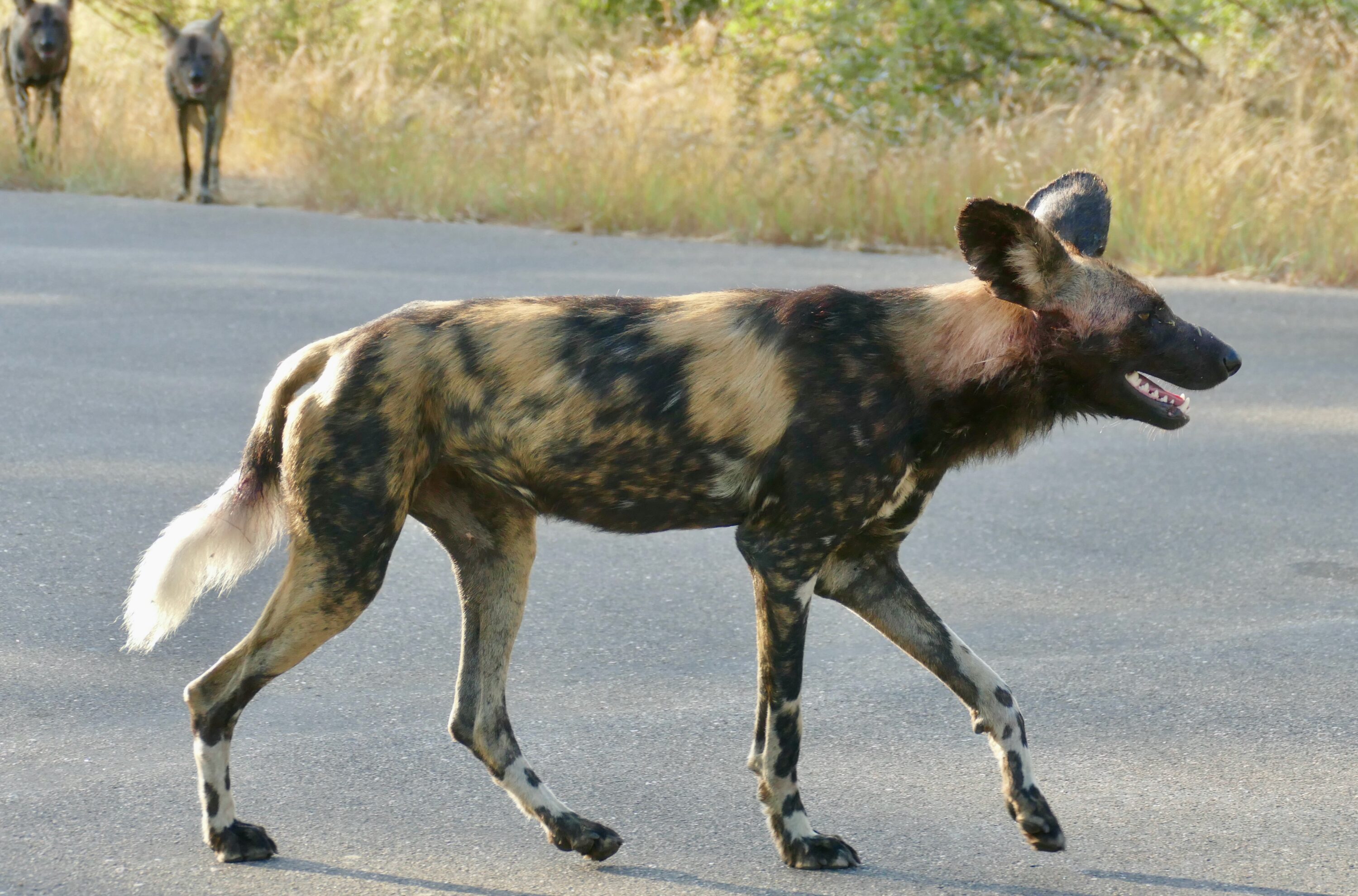
Gut Microbiomes Across Nine Kruger Mammals Clustered More Strongly by Dietary Group Than Species
A study of 89 quality-filtered faecal samples from nine wild mammals in Kruger National Park found that carnivores,…
Read story →
Nearly Three-quarters of Migrating Redwings Carried Ticks During Two Mild Belgian Autumns
Ticks were found on 72.9% of 284 redwings sampled during late-autumn migration in Belgium; 12.9% of 698 screened…
Read story →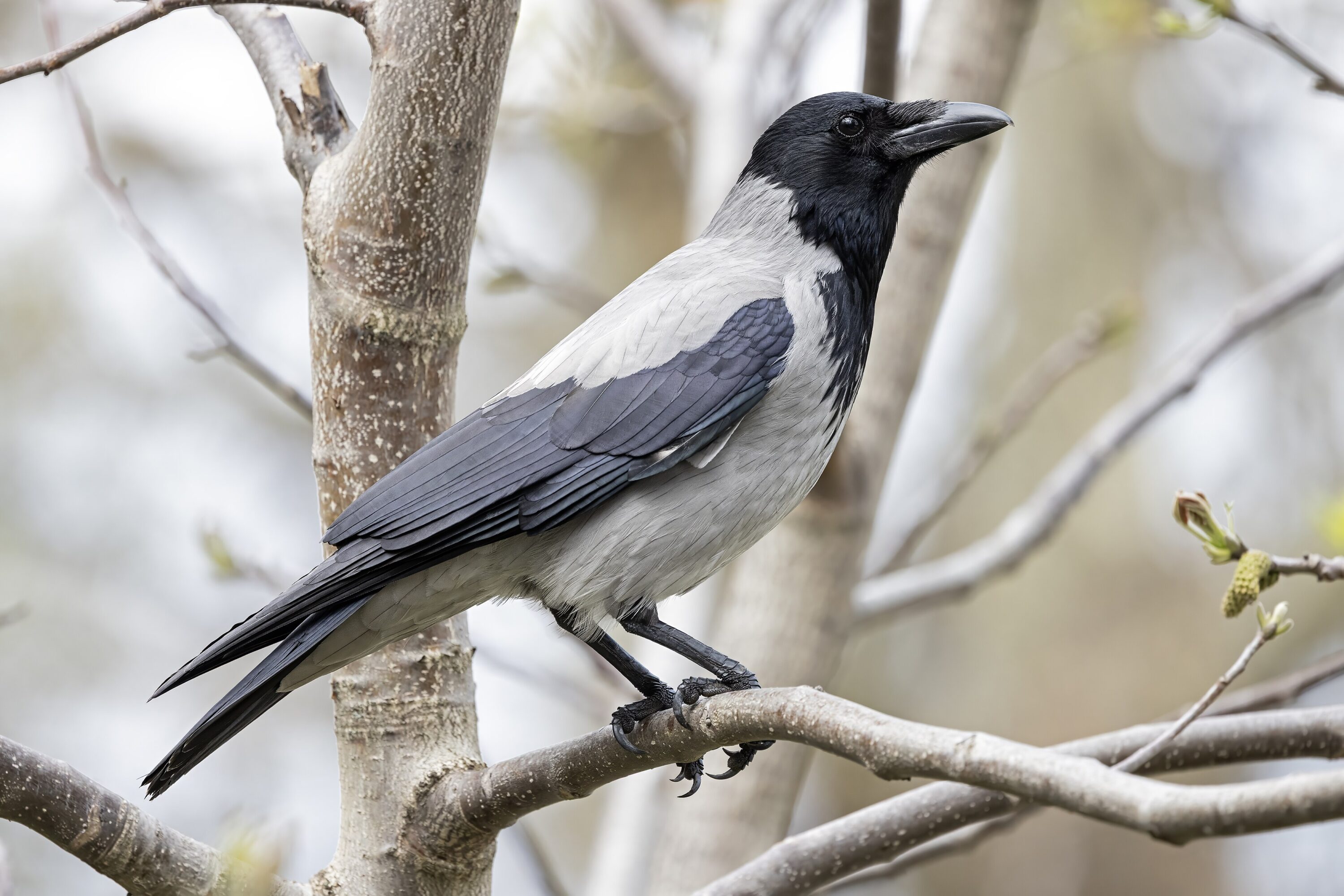
Hooded Crows Were Linked to 87 Reported West Nile Virus Bird Outbreaks in Europe
The September ECDC–EFSA report linked hooded crows to 87 reported West Nile virus bird outbreaks, Eurasian magpies to…
Read story →SPECIES IN THIS STORY
Species in this story
Independent research and conservation news archive
Did you find this information useful?
Wildlife Vagabond is independently built and maintained. Voluntary support helps cover source verification, hosting and continued work on research and conservation news.
Support Wildlife VagabondThe news archive will remain freely available.