
Later Cayo Santiago Cohorts Had Smaller Rhesus Macaque Vertebrae
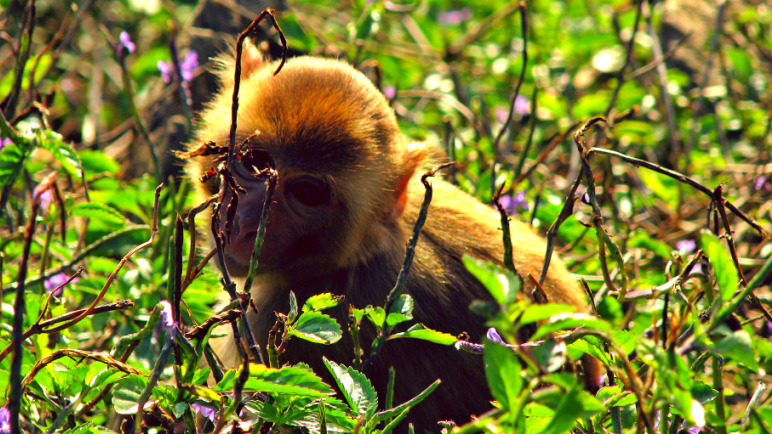
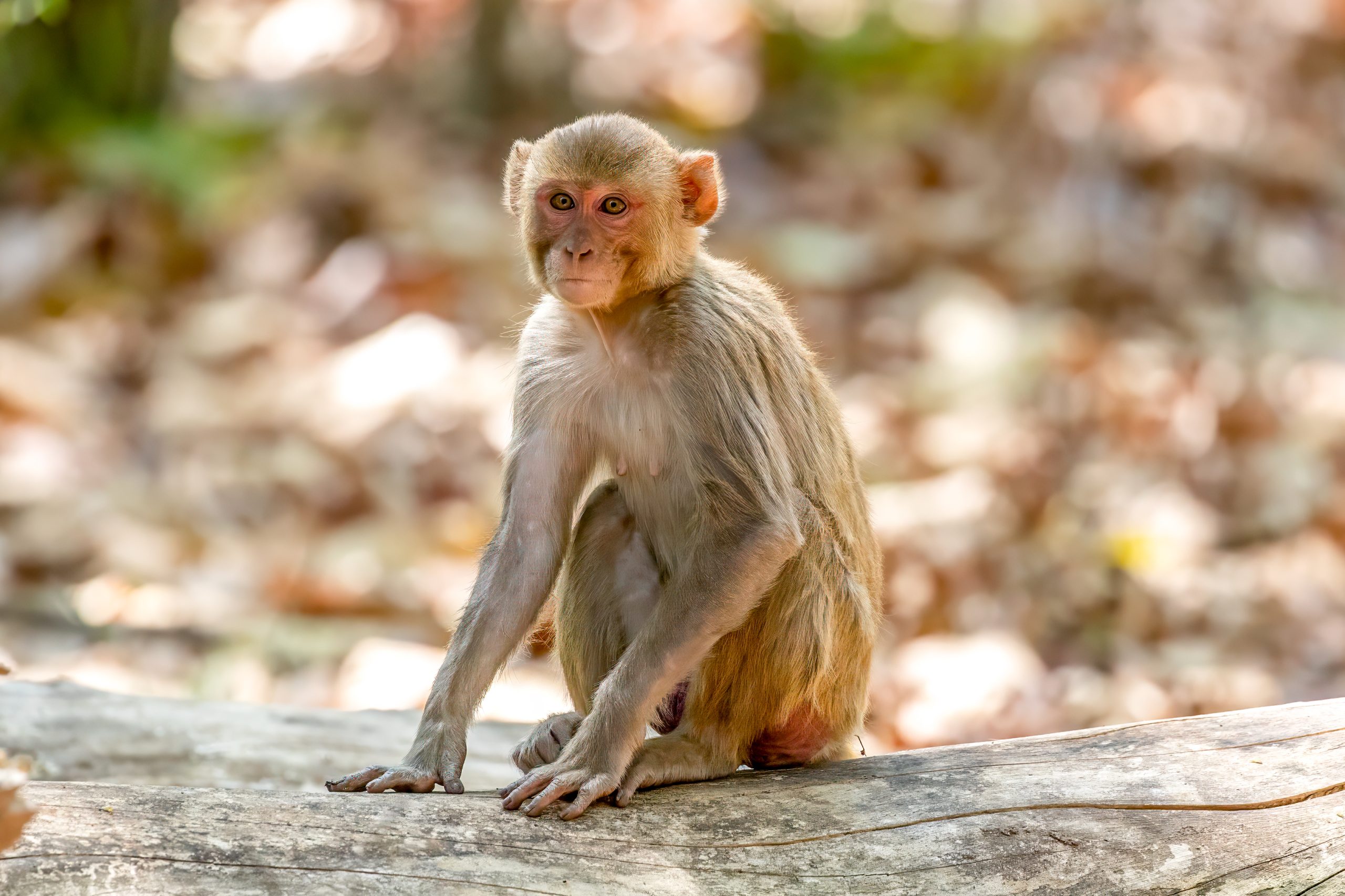
A study of free-ranging rhesus macaques (Macaca mulatta) from Cayo Santiago, Puerto Rico, found that vertebrae became smaller across animals born between 1951 and 2002, a span representing roughly 10–12 generations in the population. The analysis used three-dimensional landmark data from six vertebrae in 210 known individuals — 132 females and 78 males.
The researchers assessed overall vertebral size, vertebral body height and shape while accounting for age at death. Overall size and vertebral body height declined with year of birth across the vertebral column. Comparisons between an early cohort born from 1950–1965 and a late cohort born from 1985–2002 showed significant size differences in both sexes.
Vertebral reductions were stronger in females
The reductions were stronger in females than in males. Male vertebrae were generally about 10–15% larger than female vertebrae. Sexual dimorphism increased only modestly in overall vertebral size — by about 1% between the early and late cohorts — but increased by about 8% in vertebral body height. The decline in vertebral body height was most pronounced in females, leading the authors to interpret the pattern as females becoming shorter over time while males largely maintained overall body length. In contrast, the study found no consistent evidence that vertebral shape changed over time.
The authors place the findings alongside earlier work showing temporal reductions in body mass, skull size and limb-bone dimensions in the Cayo Santiago population. They interpret the vertebral results as part of a broader reduction in skeletal size rather than a change restricted to one body region. Because the monkeys receive provisioned food, the authors consider simple resource shortage an unlikely explanation and instead discuss increasing population density and climatic stress as possible contributors. The population rose to nearly 2,000 animals during the period represented by the sample, far above an estimated optimum of about 300. Females may be especially sensitive because pregnancy and lactation are energetically costly, and Cayo Santiago females begin reproducing at about four years of age while full skeletal maturation is reached only around seven. The study did not directly test these mechanisms, so they remain hypotheses for the stronger female change.
Anatomy & morphology
Related news
Female Rhesus Macaques That Watched Unfamiliar Female Faces Longer Were More Likely to Have Offspring the Following Year
At a semi-free-ranging population in Puerto Rico, females that spent longer looking at an unfamiliar female’s neutral face…
Read story →
Human Activity and Large Wildlife Overlapped Most in Chitwan’s Buffer Zone
Camera traps across Chitwan National Park and surrounding forests showed the greatest overlap of human activity with large…
Read story →
Aging rhesus macaques show broader protein changes in blood than in brain fluid
A study of 66 rhesus macaques found age-related differences in many more measured proteins in plasma than in…
Read story →SPECIES IN THIS STORY
Species in this story
Independent research and conservation news archive
Did you find this information useful?
Wildlife Vagabond is independently built and maintained. Voluntary support helps cover source verification, hosting and continued work on research and conservation news.
Support Wildlife VagabondThe news archive will remain freely available.