
Chacma Baboons Ate 13 Different Fungi Across All Seasons in Nature’s Valley
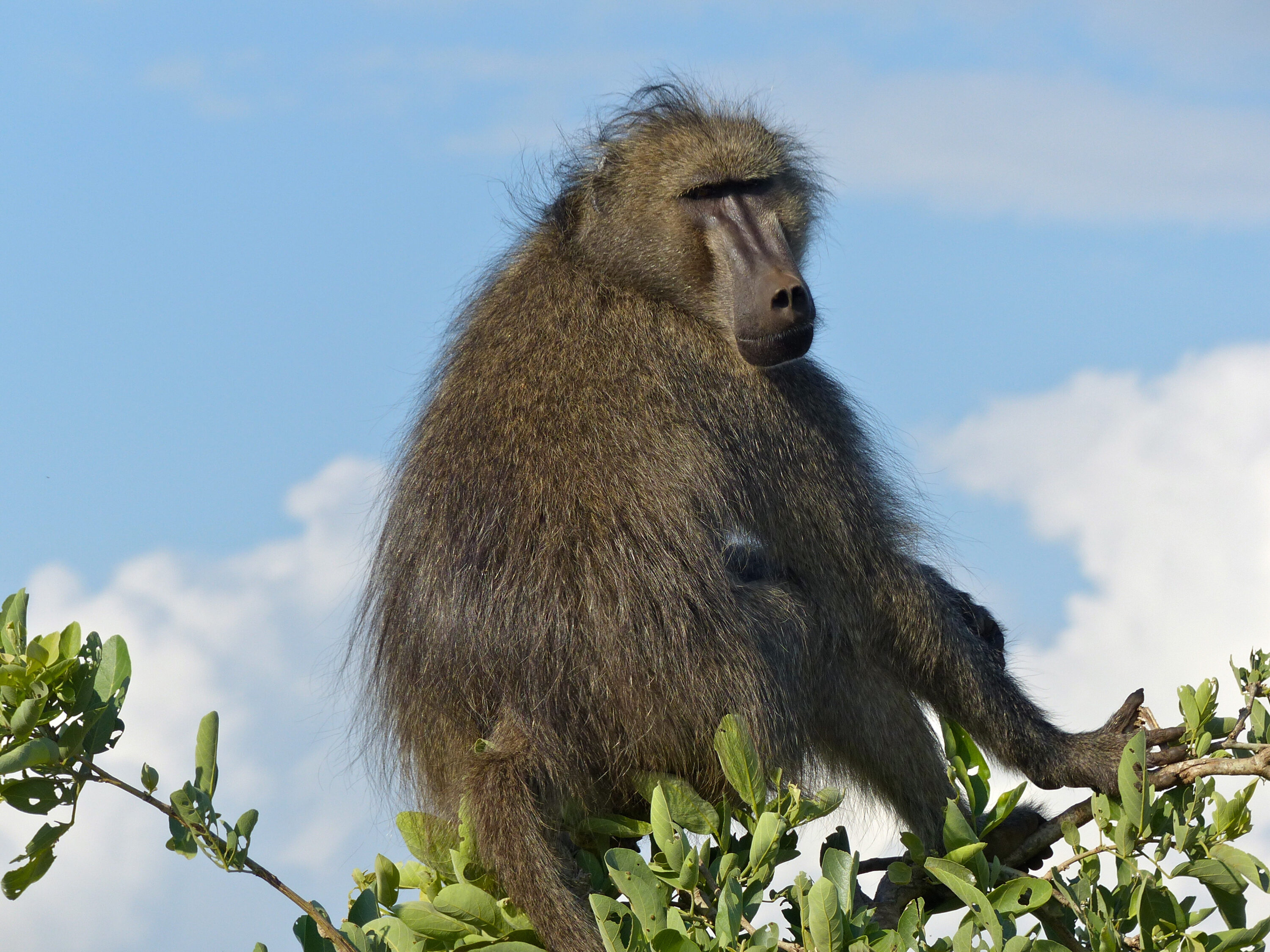
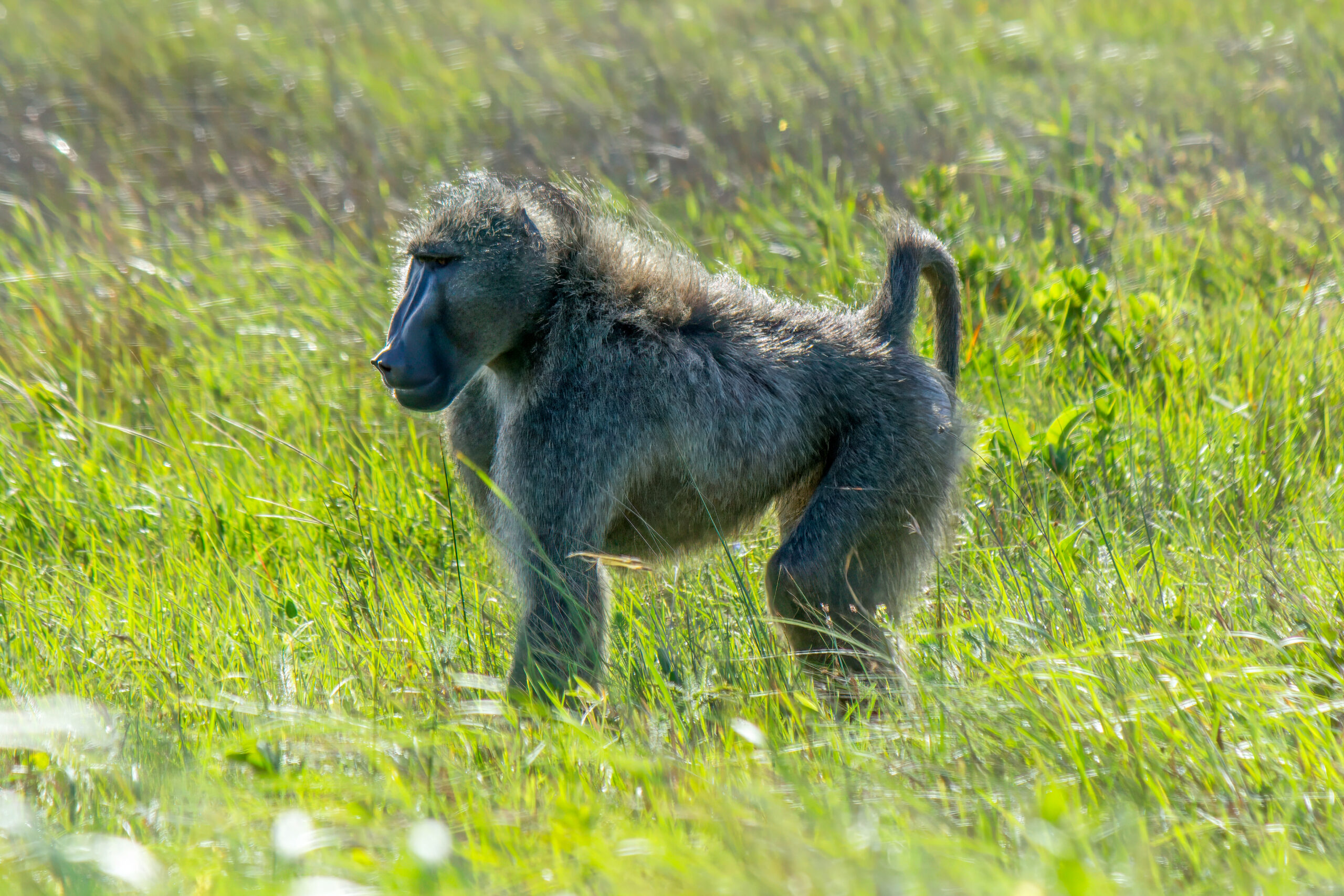
A 23-month field study in South Africa has documented an unusually detailed diversity of fungi in the diet of free-ranging chacma baboons (Papio ursinus). Researchers working in Nature’s Valley recorded the baboons eating 13 different fungi, ten of which they were able to identify to species level.
The observations were collected from August 2023 to July 2025 as part of the Nature’s Valley Baboon Project. The study group ranged from 8 to 21 animals during this period. Across the full study, 19 unique weaned individuals were observed eating fungi at least once, representing every weaned individual that was part of the group during the observation period.
Fungi were eaten in every season
Fungal feeding was not restricted to one season. The researchers recorded it in summer, autumn, winter and spring. The species consumed included deer mushroom (Pluteus cervinus), Cape russula (Russula capensis), splitgill mushroom (Schizophyllum commune) and porcini (Boletus edulis), as well as several bracket and jelly fungi.
Participation differed strongly among fungi. Several species were recorded from only one or two baboons, while false turkey-tail (Stereum ostrea) was eaten by nine individuals and Cape russula by five. Porcini showed the broadest participation: in July 2025, all 18 non-neonatal members of the group at that time fed on it in a pine plantation for more than an hour. Several individuals filled their cheek pouches while continuing to search through the pine-needle litter. Porcini is not indigenous to South Africa and grows there in association with introduced pines, showing how an introduced fungus can become part of a wild primate’s diet.
Ten percent of identified food types does not mean ten percent of the diet
The researchers recorded 134 identified food items in total during the study, including plant parts from 88 plant species, insects, soil and fungi. Fungi that could be identified to genus or species accounted for about 10% of this list of identified food items. The authors stress that this does not mean fungi made up 10% of the baboons’ diet or feeding time; the study was designed to document which fungi were eaten rather than to quantify their overall dietary contribution.
Several of the fungi are eaten by people or have been studied for compounds and properties with potential nutritional or medicinal relevance. The study discusses these as possible avenues for future research, but it did not measure nutritional or medicinal effects of fungal consumption in the baboons themselves. The authors also point to a possible ecological role in fungal spore dispersal that remains to be tested.
Detailed records of fungal feeding are still rare in wild primates. Identifying most of the consumed fungi to species gives a clearer picture of a component of chacma-baboon feeding ecology that has often previously been recorded simply as “mushrooms” or grouped with other minor foods.
Ecology
Related news
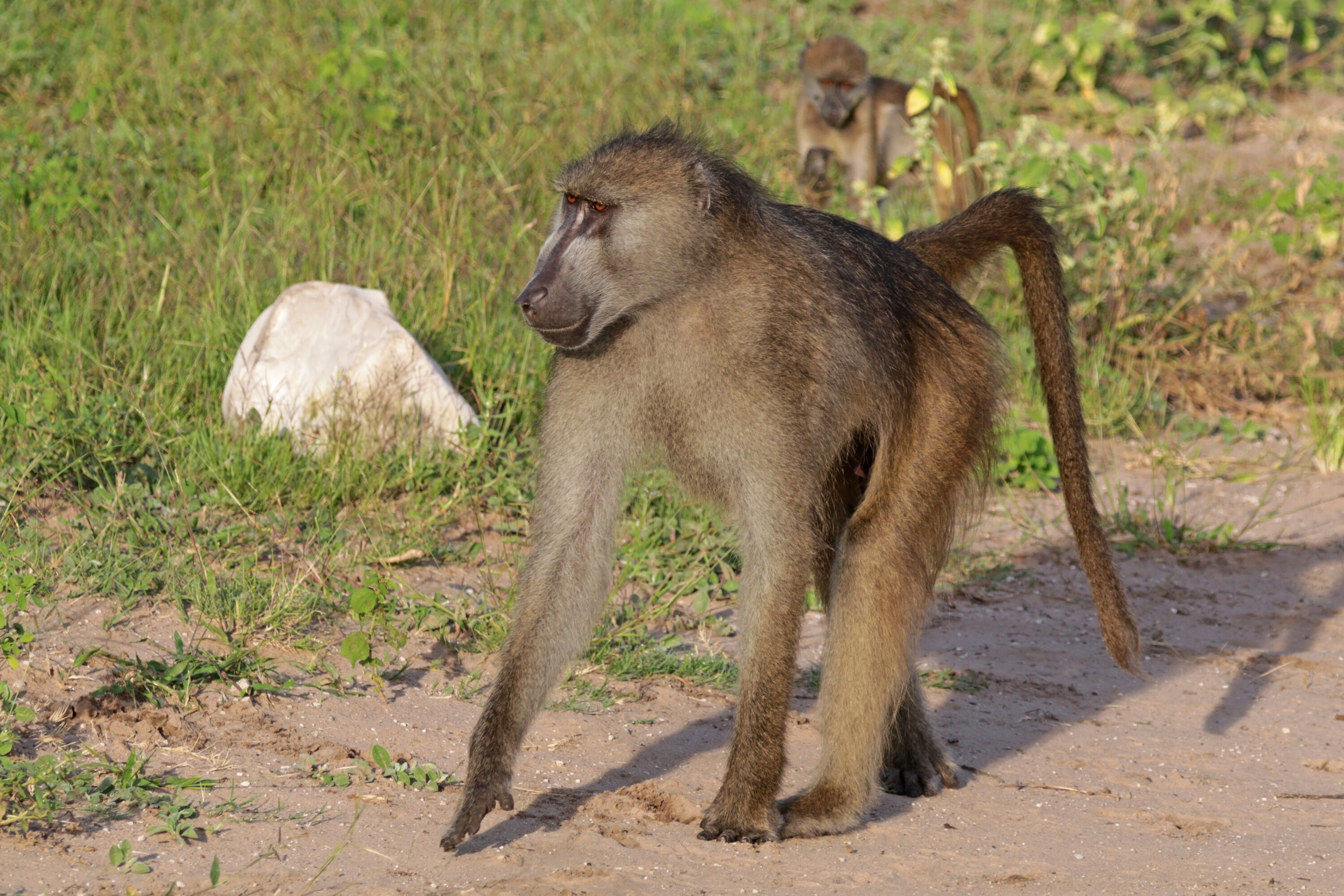
Vigilance was the most common context for bipedal behaviour in chacma baboons
Researchers recorded 231 bipedal bouts in wild chacma baboons in Gorongosa. Vigilance was the most common context, while…
Read story →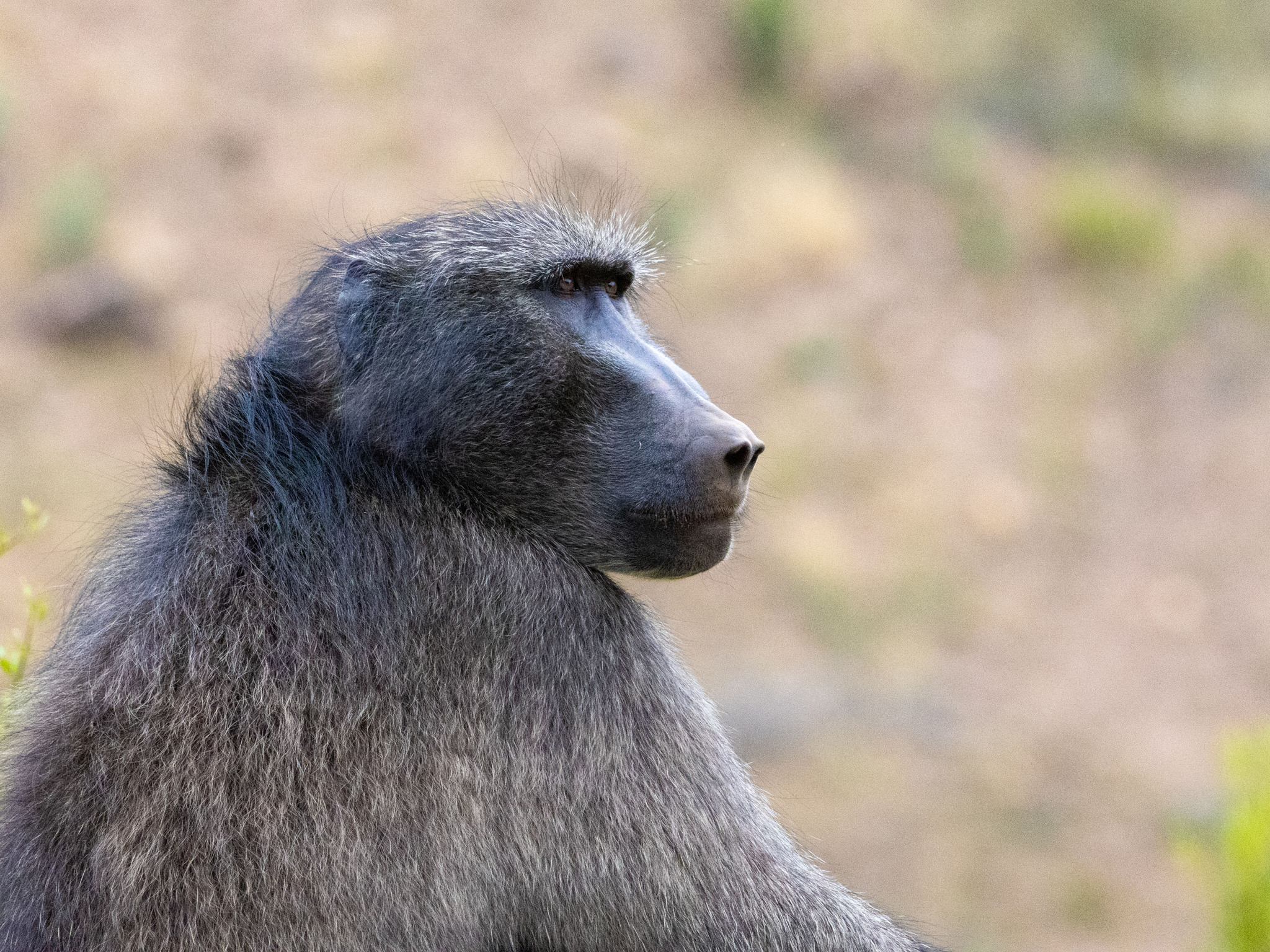
Intense vigilance was the behavioural response most closely linked to human disturbance in Garden Route baboons
Three Cape chacma baboon troops showed similar overall activity budgets across a human-disturbance gradient, but intense vigilance was…
Read story →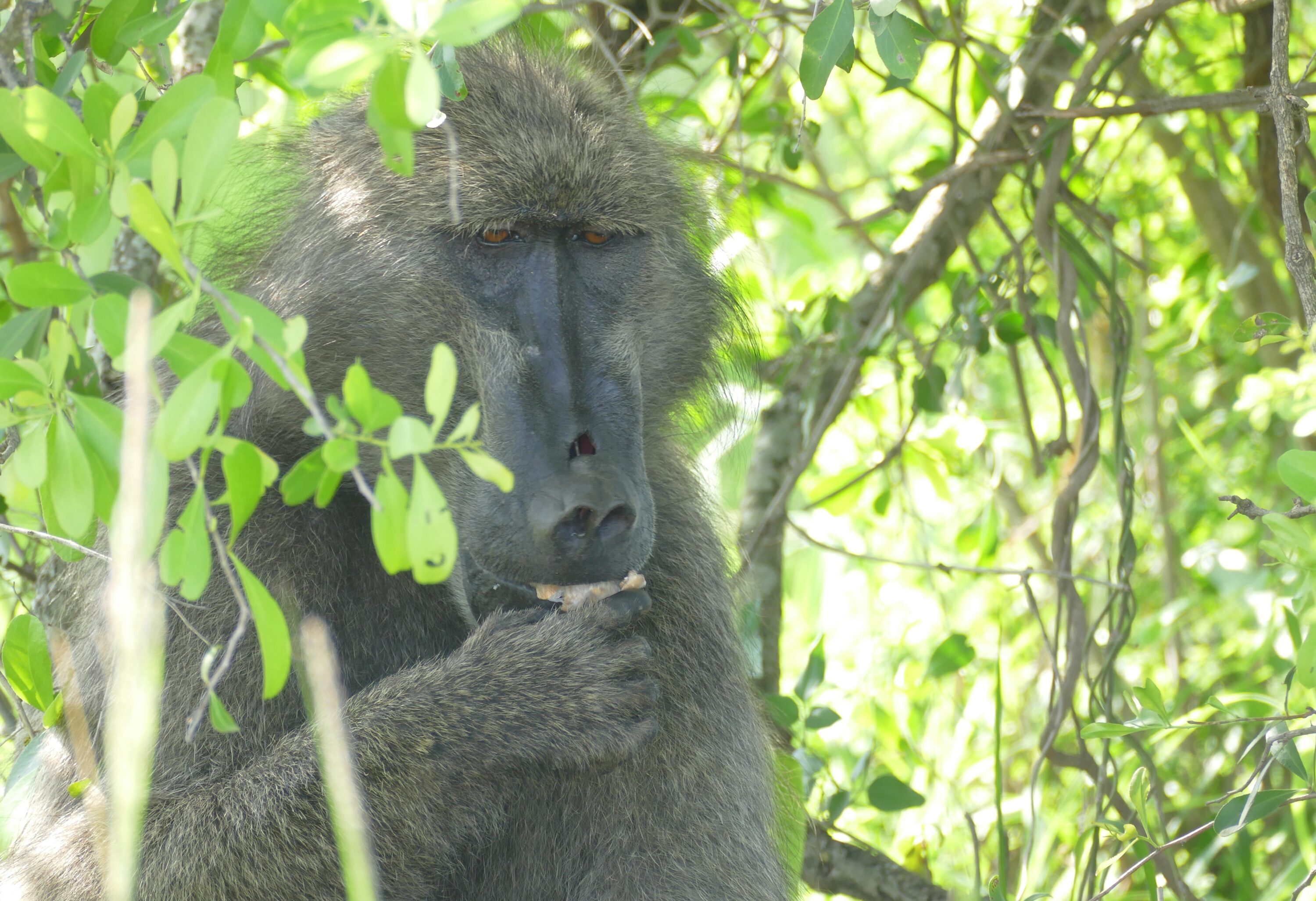
Chacma baboons deposited more seeds in the dry season, and seedlings emerged from defecated seeds
Researchers recovered 23,132 seeds from 240 chacma-baboon scats in Suikerbosrand, with more seeds deposited in the dry season…
Read story →SPECIES IN THIS STORY
Species in this story
Independent research and conservation news archive
Did you find this information useful?
Wildlife Vagabond is independently built and maintained. Voluntary support helps cover source verification, hosting and continued work on research and conservation news.
Support Wildlife VagabondThe news archive will remain freely available.