
Spotted Flycatcher Migration Varied From Year to Year With Climate in Europe and Africa

The southward migration of spotted flycatchers (Muscicapa striata) varied from year to year with climate conditions in both Europe and Africa in a preprint posted on 10 February 2026. The manuscript has not yet been peer-reviewed.
The researchers combined two long-term monitoring datasets from different parts of the flyway. At Bukowo-Kopań on the Polish Baltic coast, ringing data covered autumn passage from 1967 to 2025. In northeastern South Africa, records from the Second Southern African Bird Atlas Project covered arrival and abundance from 2007 to 2025.
The same large-scale climate pattern appeared at both ends of the route
A large-scale atmospheric circulation pattern known as the East Atlantic/Western Russia pattern, measured for May–July, was related to migration measures at both Bukowo-Kopań and the South African study area. The authors interpret this as evidence that conditions linked to the breeding season can carry over into later stages of the annual cycle.
Temperatures around the Baltic from May to September also contributed to explaining annual variation in passage at the Polish station. Farther south, October–November temperatures south of the Sahel were strongly related to variation in arrival in South Africa.
The South African series was shorter
The authors explicitly describe the South African results as less robust because only 18 years of data were available there, compared with the much longer Baltic ringing series. The two datasets also do not follow the same individual birds, although ringing recoveries indicate that at least part of the population passing the southern Baltic can migrate to southern Africa.
Ecology
Related news
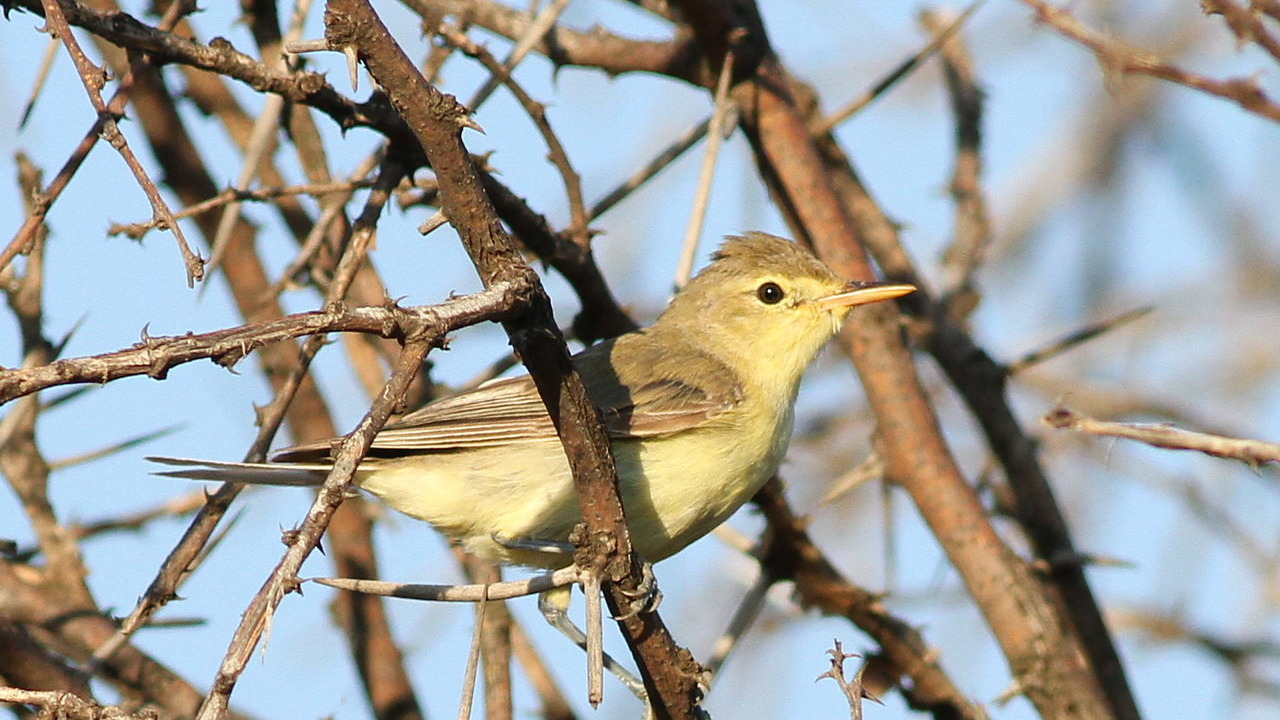
Ten Migrants Followed Early-slow and Late-fast Passage Strategies Through Nigeria
Twenty-four years of ringing data from Jos showed striking species differences in migration timing: Icterine Warblers were among…
Read story →
New Darwin Tree of Life Genome Assembly Available for the Spotted Flycatcher
A Darwin Tree of Life BioProject registered on 20 August 2026 provides a new haplotype-1 genome assembly for…
Read story →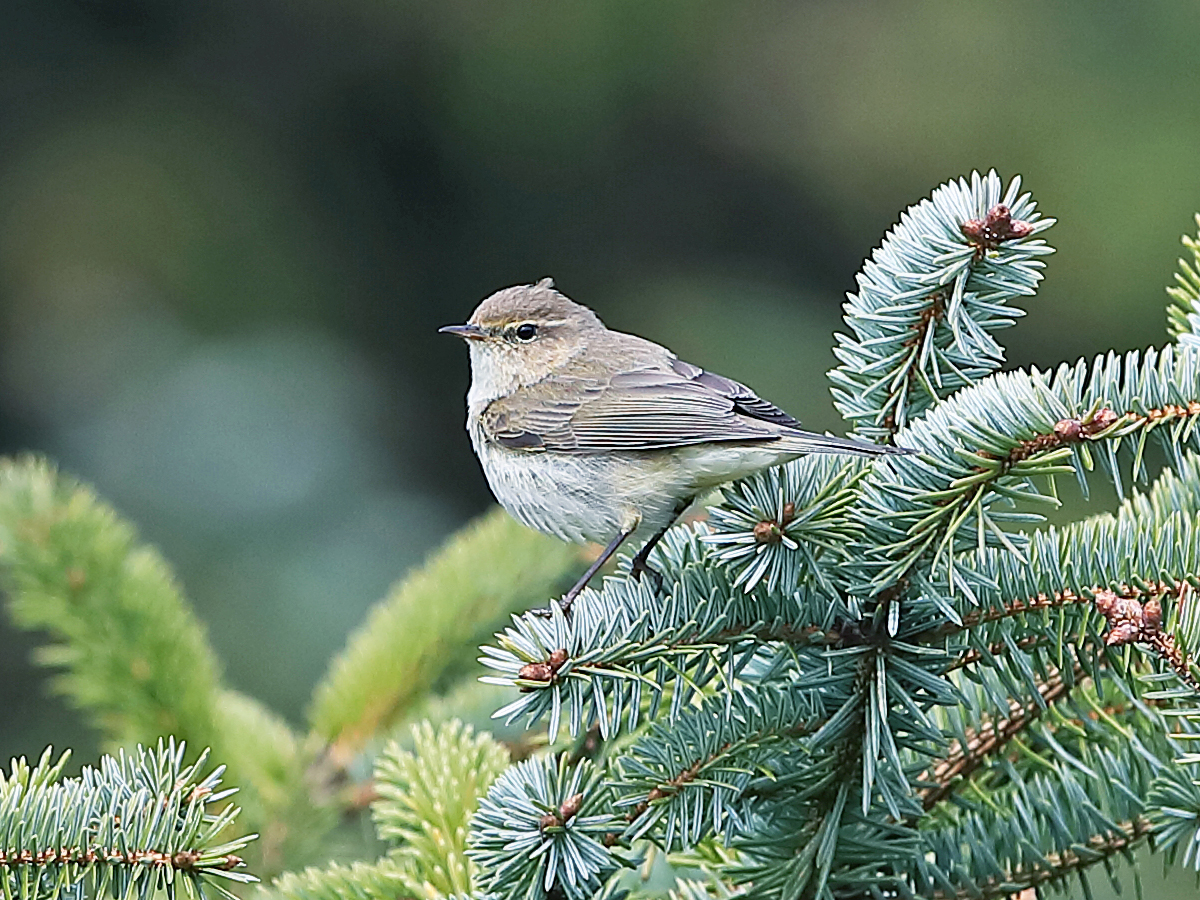
28 Acoustic Stations Tracked Spring Arrival of Three Migratory Songbirds Across Norway
A nationwide passive acoustic network collected 37,429 hours of audio and mapped the spring arrival of common chiffchaffs,…
Read story →SPECIES IN THIS STORY
Species in this story

Independent research and conservation news archive
Did you find this information useful?
Wildlife Vagabond is independently built and maintained. Voluntary support helps cover source verification, hosting and continued work on research and conservation news.
Support Wildlife VagabondThe news archive will remain freely available.