
28 Acoustic Stations Tracked Spring Arrival of Three Migratory Songbirds Across Norway
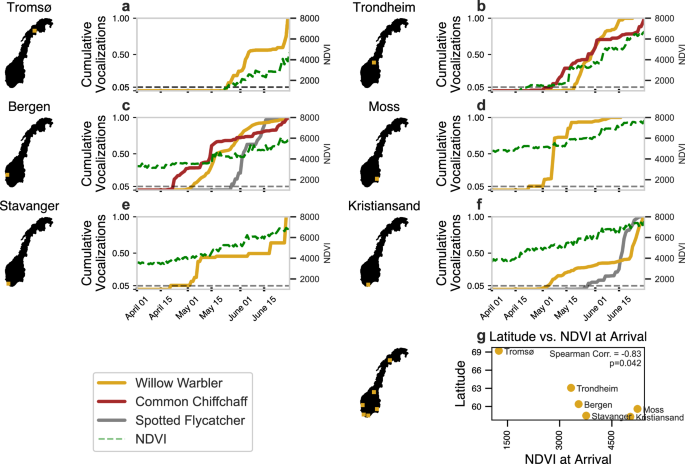
A network of 28 autonomous acoustic recorders at forested sites across eight Norwegian regions collected 37,429 hours of audio between 1 April and 30 June 2022. The stations stretched from Kristiansand to Finnmark and were used to track spring migration through bird vocalizations.
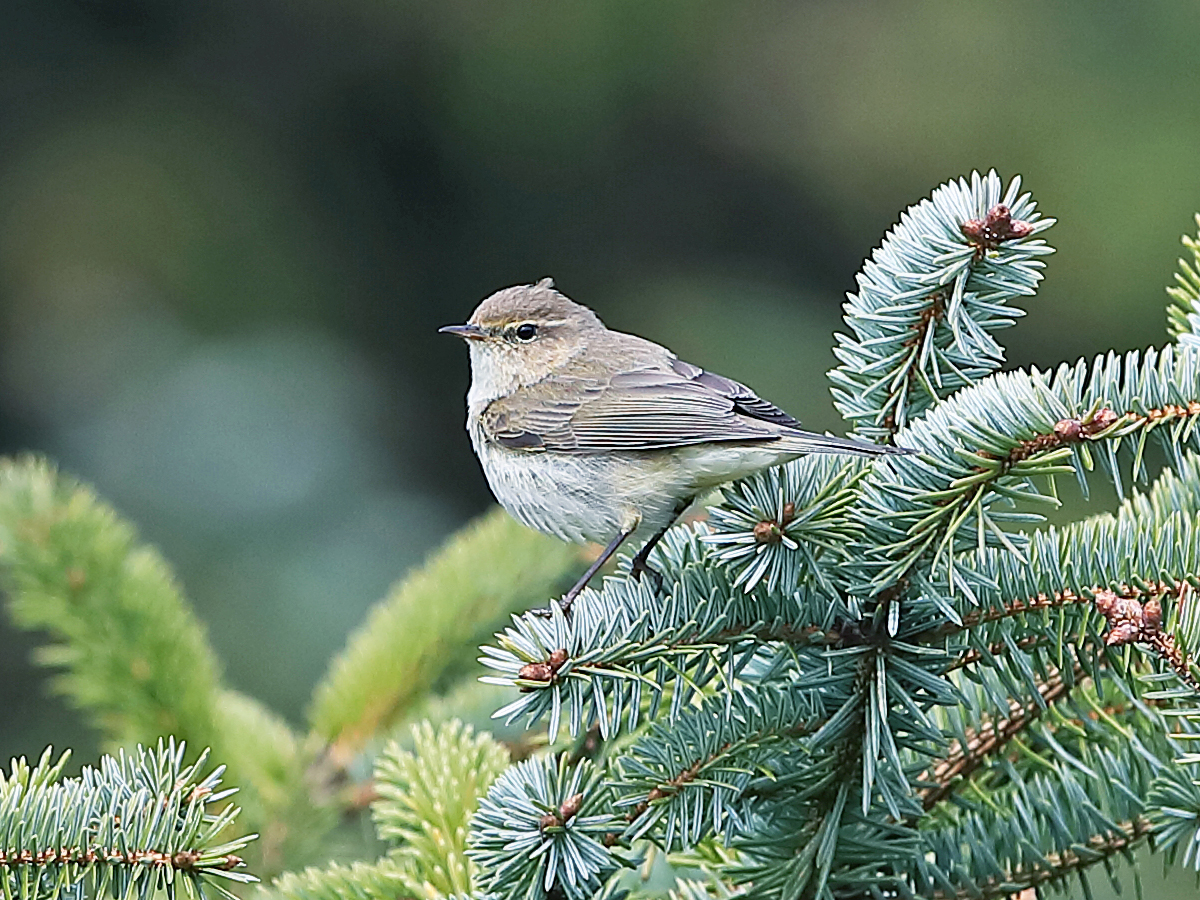
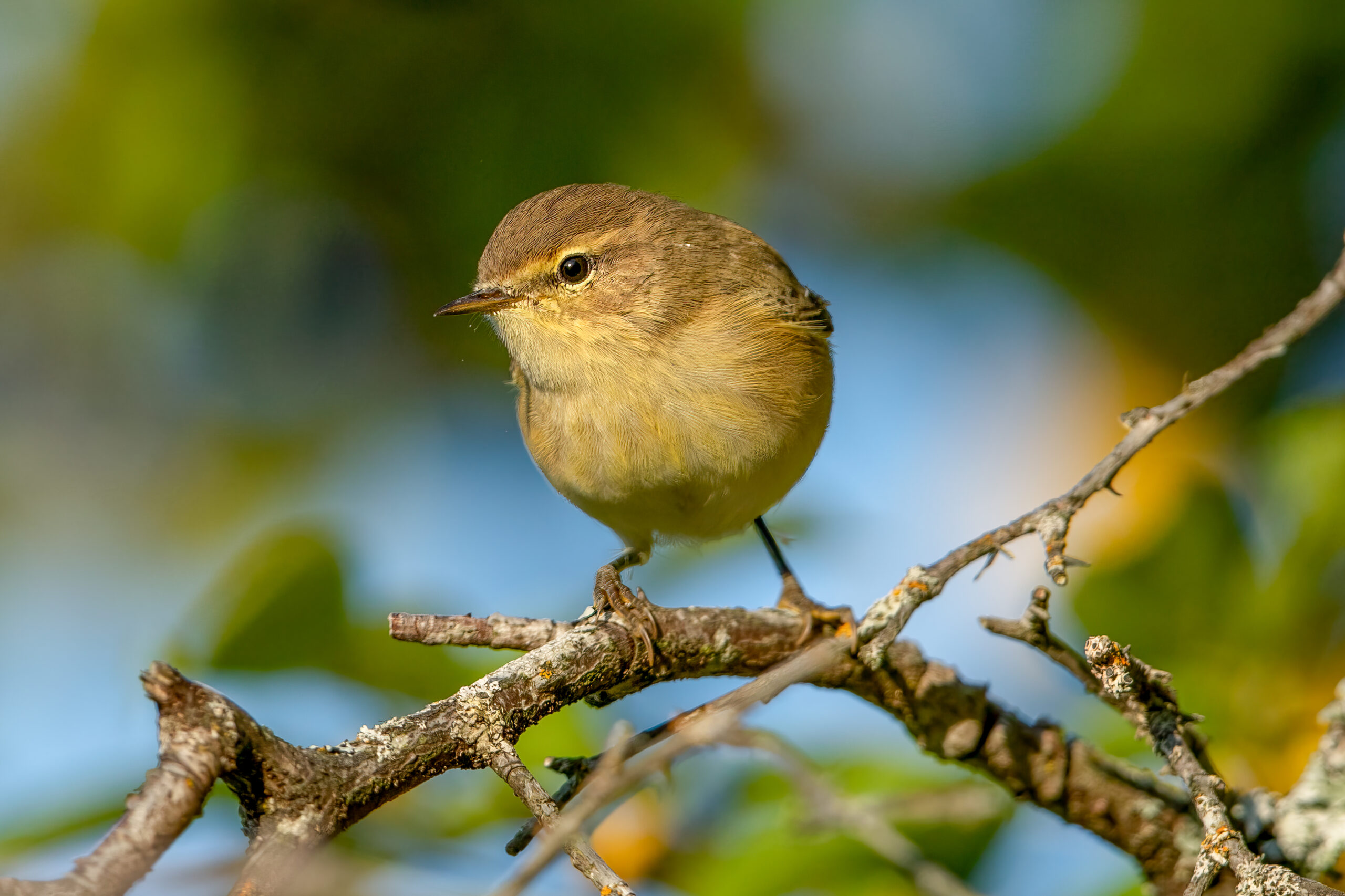
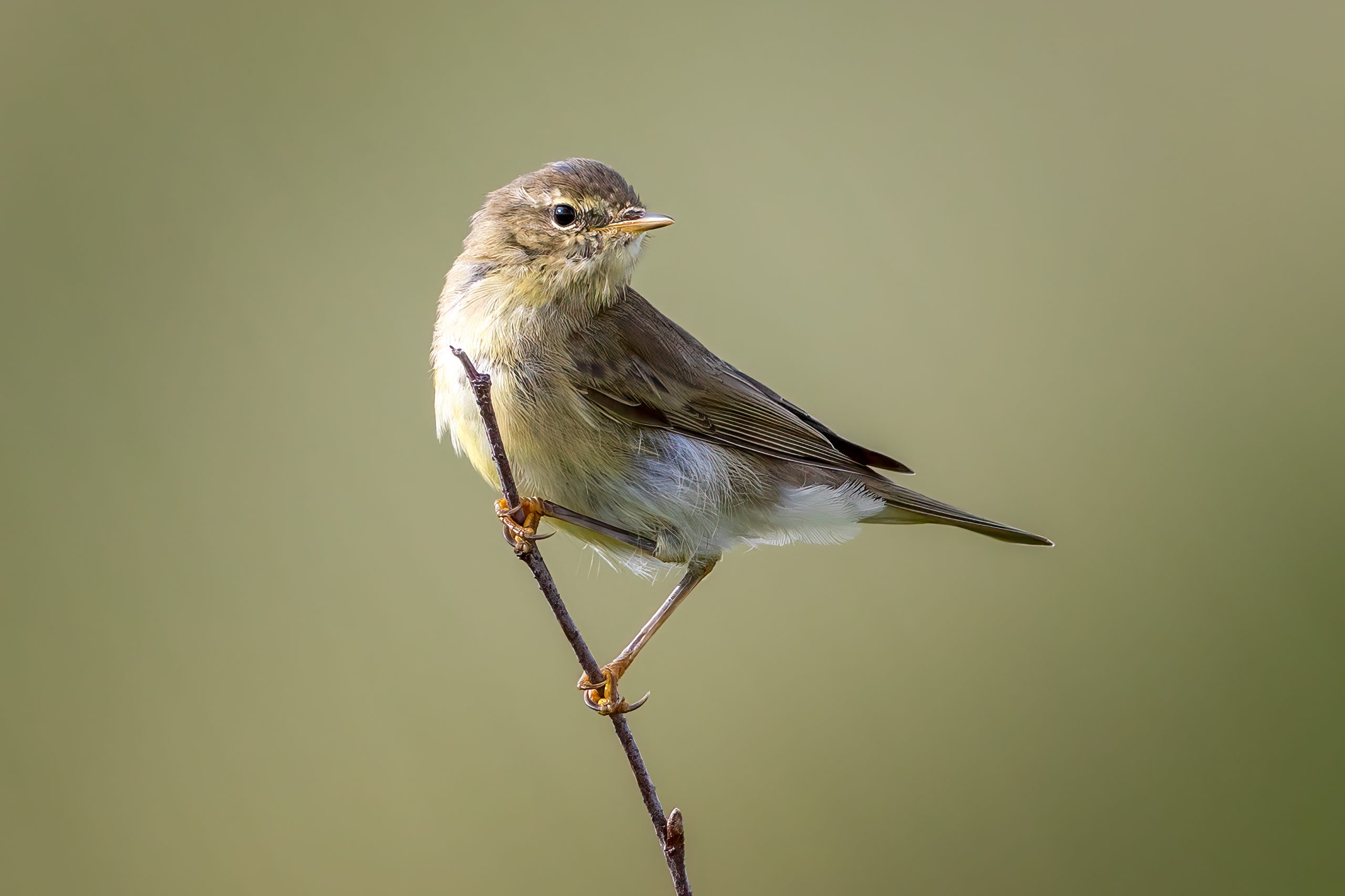
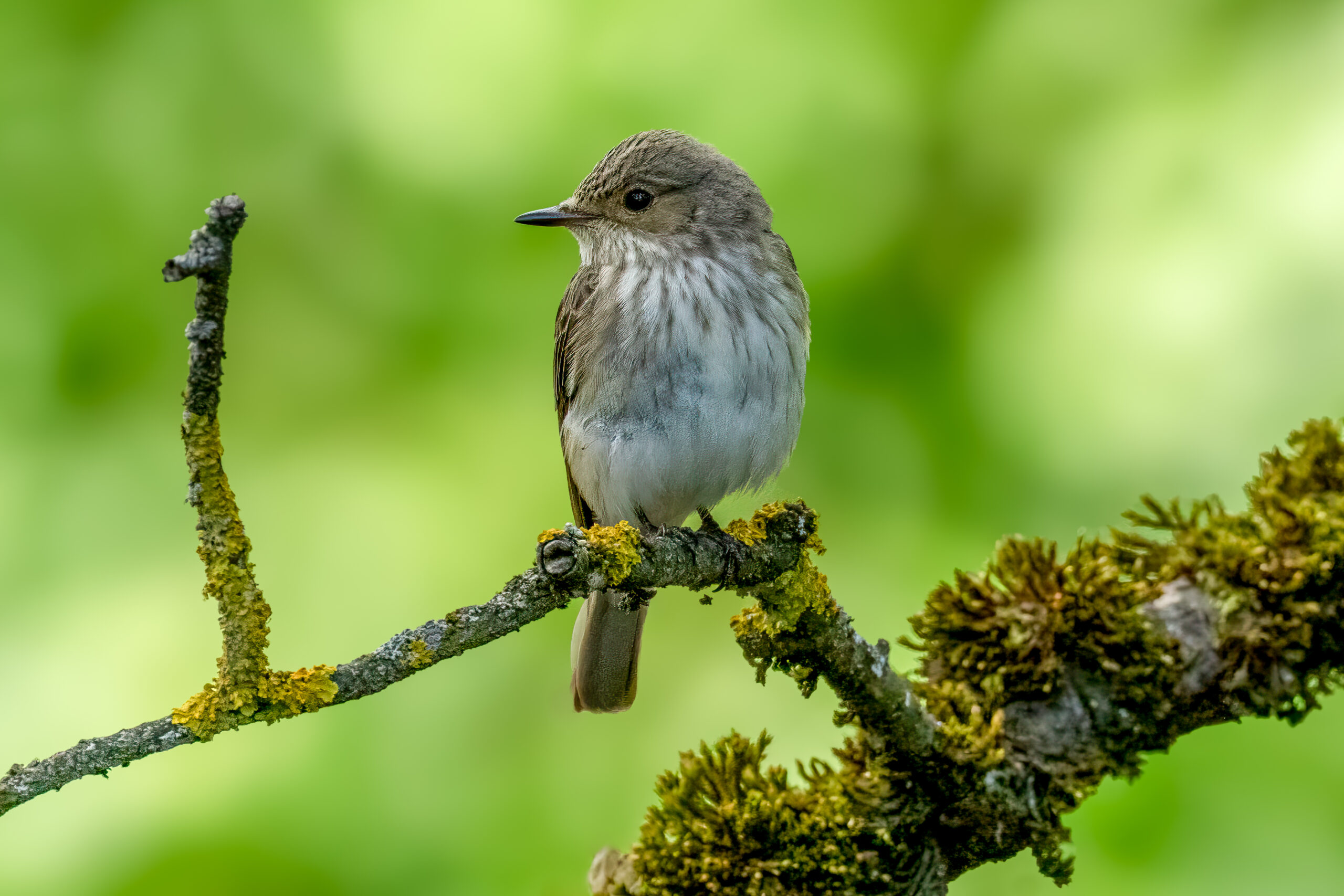
Recordings were classified automatically with BirdNET and checked by an expert ornithologist. Of 67 species with enough high-confidence detections for validation, 57 were identified with at least 80% precision and 30 with 100% precision. Fourteen of the validated species were full migrants. Common chiffchaff (Phylloscopus collybita), willow warbler (Phylloscopus trochilus) and spotted flycatcher (Muscicapa striata) were all identified with 100% precision and had enough detections to calculate regional arrival dates. Here, 100% precision means that the expert-checked high-confidence detections for these species were correct; it does not mean that the system detected every bird that vocalised.
Arrival timing differed between species and regions
The researchers defined regional arrival as the date when cumulative acoustic detections reached 5%. This threshold is a robust acoustic indicator of when the species became established in the regional spring record; it is not the date on which the very first individual necessarily arrived. In Bergen, common chiffchaff reached this threshold on 23 April, willow warbler on 4 May and spotted flycatcher on 27 May. The authors relate the earlier arrival of common chiffchaff partly to its more northerly wintering range, while the timing of the three species also corresponds with their food sources: chiffchaffs and willow warblers feed largely on crawling insects and larvae, whereas spotted flycatchers depend more on flying insects that become abundant later in spring.
The broad sequence was also visible elsewhere: willow warbler arrived before spotted flycatcher in Kristiansand, and common chiffchaff before willow warbler in Trondheim. Based on the difference between the regional arrival estimates in Kristiansand and Tromsø, the willow warbler arrival front progressed northward at about 67 km per day. At higher latitudes, the 5% detection threshold was reached when vegetation had greened less than at more southerly sites.
Continuous recording complemented manual surveys
The study compared passive acoustic monitoring with eBird records and the Norwegian Breeding Bird Survey. On days when both the breeding-bird survey and acoustic recorders were operating, the manual survey detected the three focal species on 42 days when the acoustic system did not; the reverse occurred on 13 days. eBird likewise produced more unique daily detections on overlapping survey days, 21 compared with 14 for the acoustic system.
The acoustic network’s advantage was its temporal coverage. Recorders sampled through much of the spring, including periods with no manual surveys, while the breeding-bird survey covered many more locations. The authors therefore present passive acoustic monitoring as a complement rather than a replacement for established field surveys. They also used the acoustic detections to model weekly changes in the probability of detecting willow warbler and spotted flycatcher vocalizations across Norway.
Ecology
Related news
UK Breeding Bird Survey: Swift Index Fell 70% as Scotland’s Chiffchaff Index Rose 1,443%
The 2025 UK Breeding Bird Survey revealed steep long-term declines, major regional divergences and some striking increases, including…
Read story →
Ten Migrants Followed Early-slow and Late-fast Passage Strategies Through Nigeria
Twenty-four years of ringing data from Jos showed striking species differences in migration timing: Icterine Warblers were among…
Read story →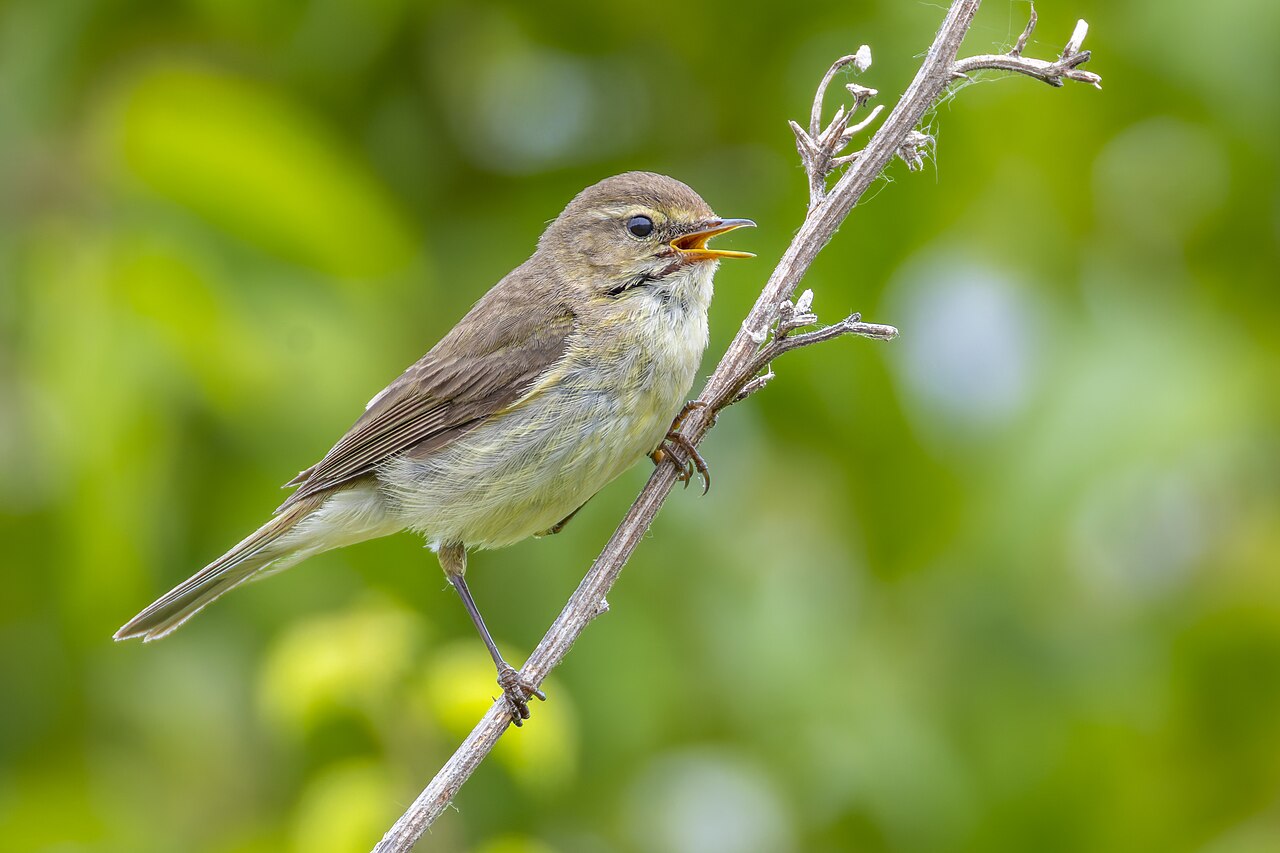
Chiffchaff Subspecies Followed Different Migration Routes and Diverged Most Strongly at MARB
Tracking and genomic data from Baltic-region common chiffchaffs showed contrasting southwest and southeast migration routes, while the strongest…
Read story →SPECIES IN THIS STORY
Species in this story
Independent research and conservation news archive
Did you find this information useful?
Wildlife Vagabond is independently built and maintained. Voluntary support helps cover source verification, hosting and continued work on research and conservation news.
Support Wildlife VagabondThe news archive will remain freely available.