
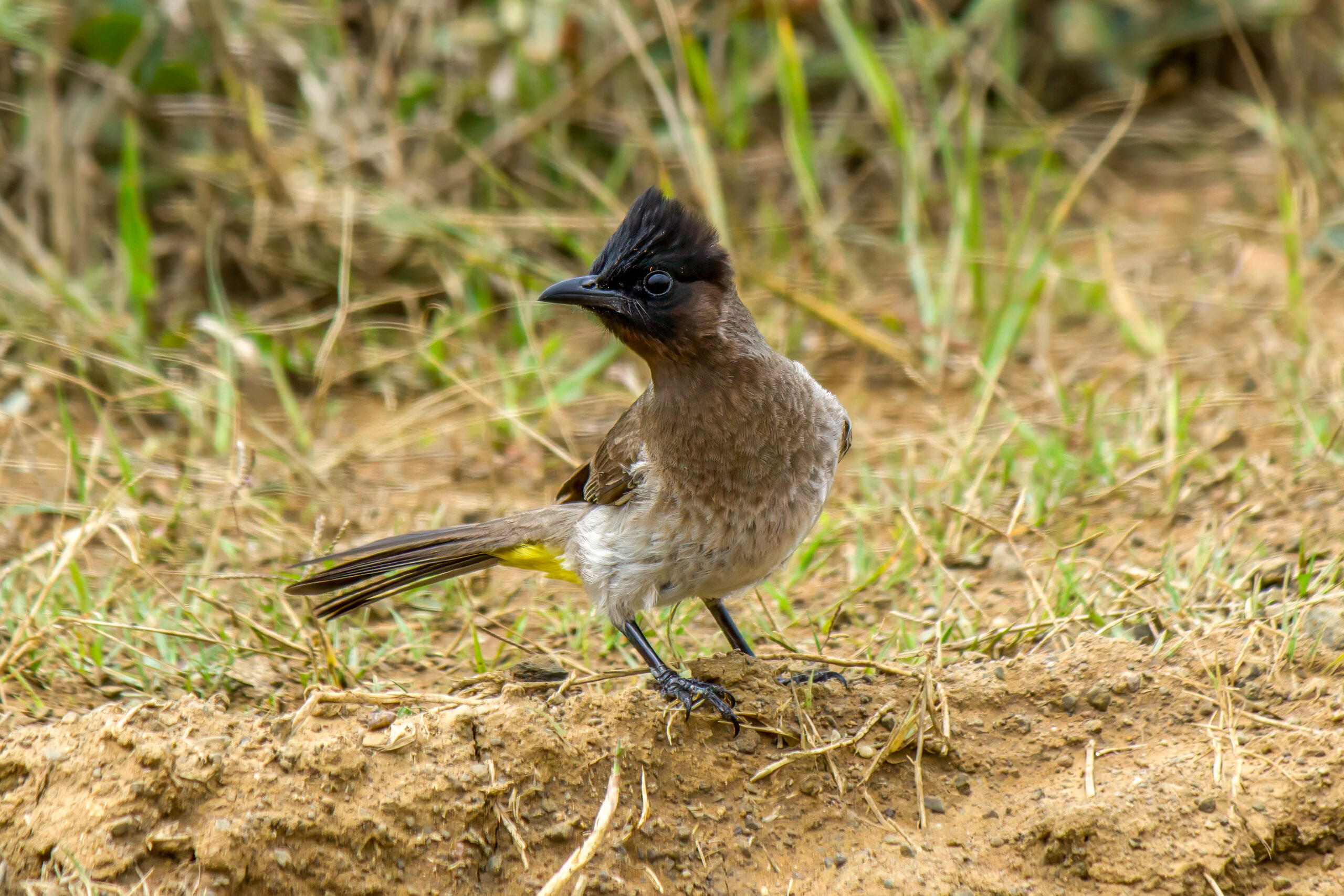
Common Bulbuls were more active in litchi orchards as fruit ripened
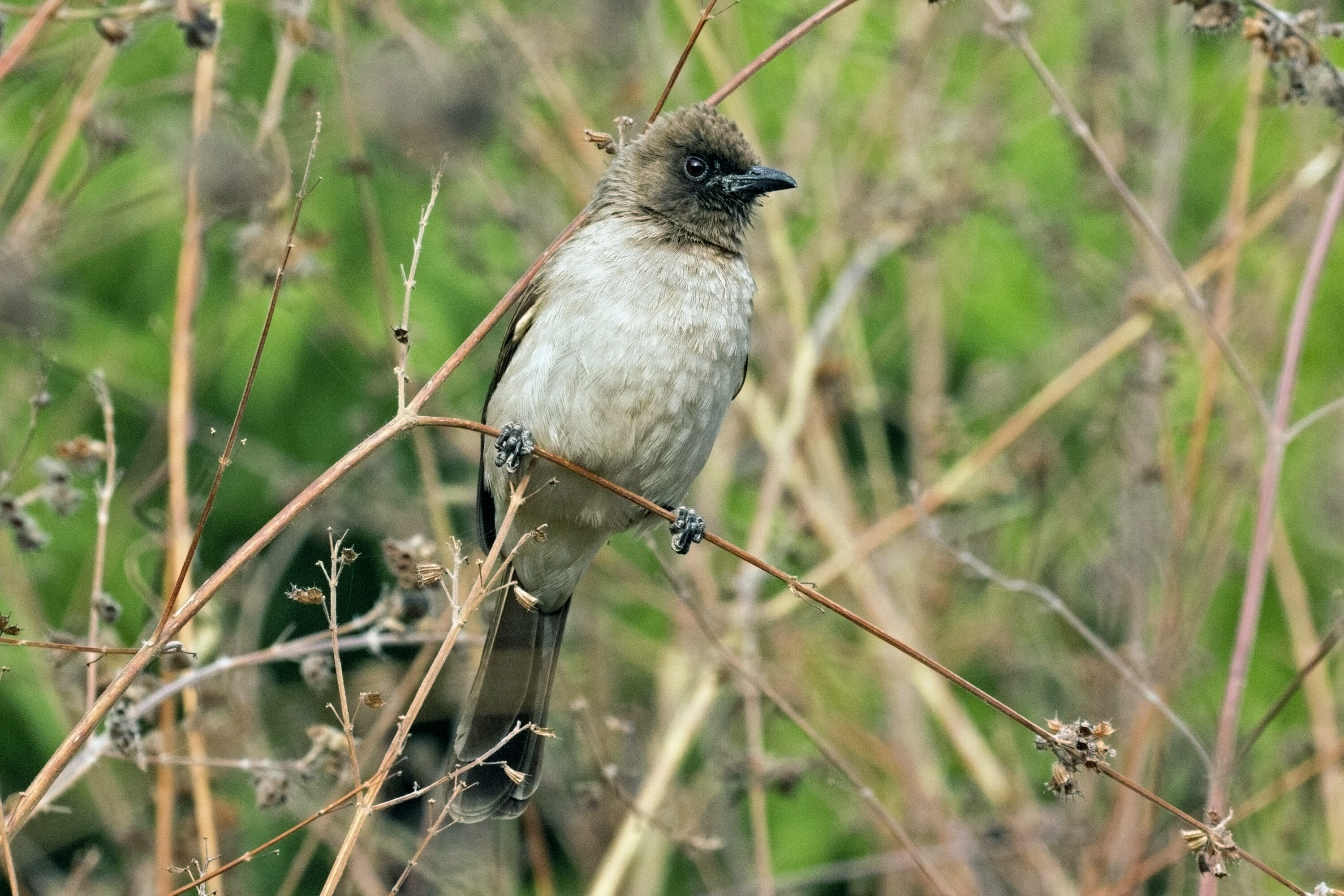
In two commercial litchi orchards near Levubu, in South Africa’s Limpopo Province, researchers used camera traps to examine when Common Bulbuls (Pycnonotus barbatus) were active as the crop developed and throughout the day.
Two analyses confirmed more activity as fruit ripened: the daily detection rate was about 51% higher in the ripening and harvest period than before ripening, while a separate analysis by time of day found about 78% more detections during ripening and harvest than at fruit set. Activity varied between months and crop stages, peaking in December and remaining lower while the fruit was immature.
Detections were highest in the late afternoon and evening. The researchers found no evidence of a corresponding increase in morning activity.
The pattern suggests that Common Bulbuls make greater use of litchi orchards when ripe fruit is available. Knowing when their activity increases may help inform the timing of crop-protection measures. However, the study measured bird activity, not damaged fruit or lost yield, so it does not show how much damage the birds caused.
Ecology
Related news
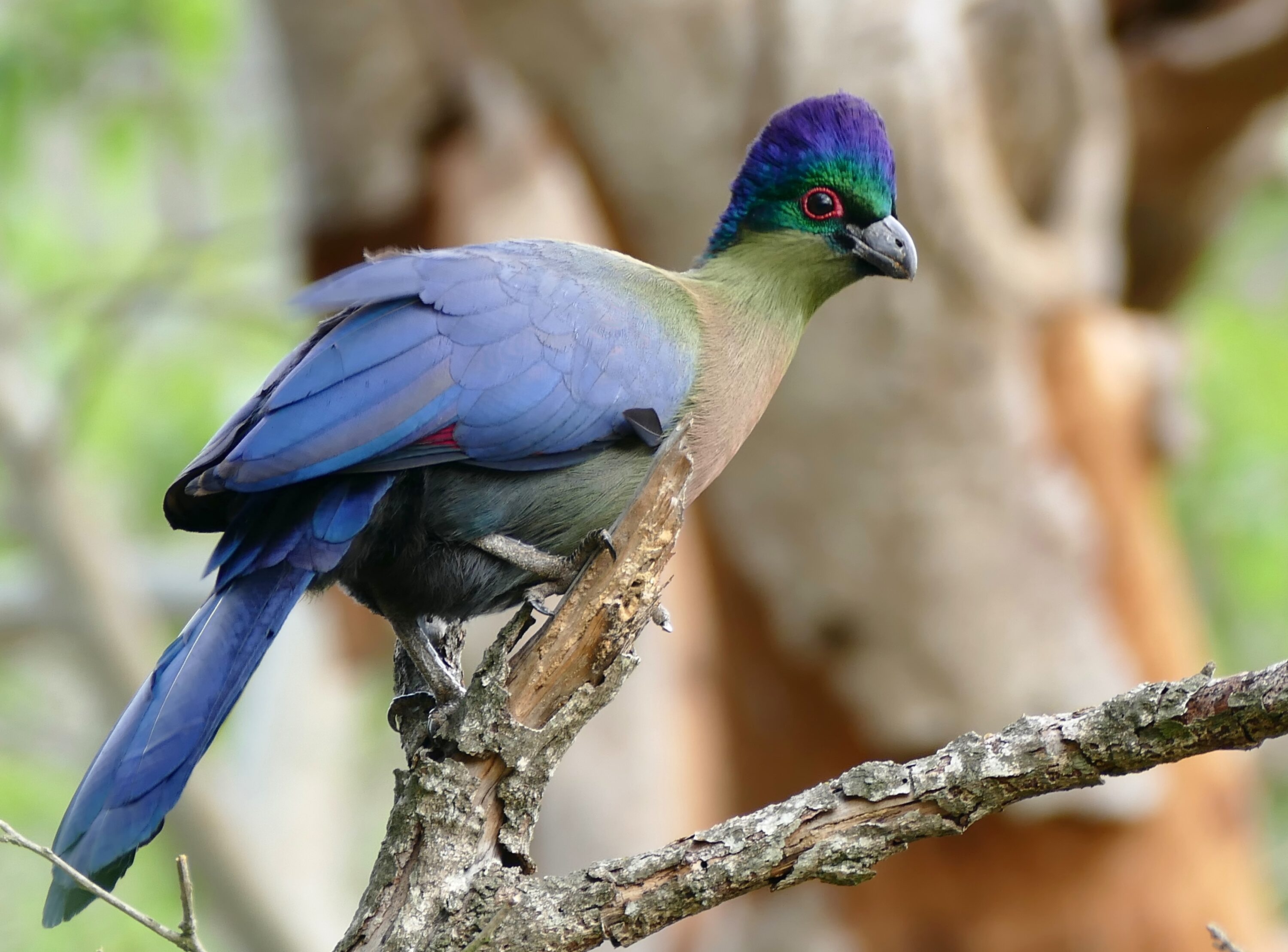
One Durban Tree Recorded 636 Visits by 47 Bird Species Across a Year
Structured observations of a single suburban tree in Westville, Durban, recorded 636 visits by 47 bird species during…
Read story →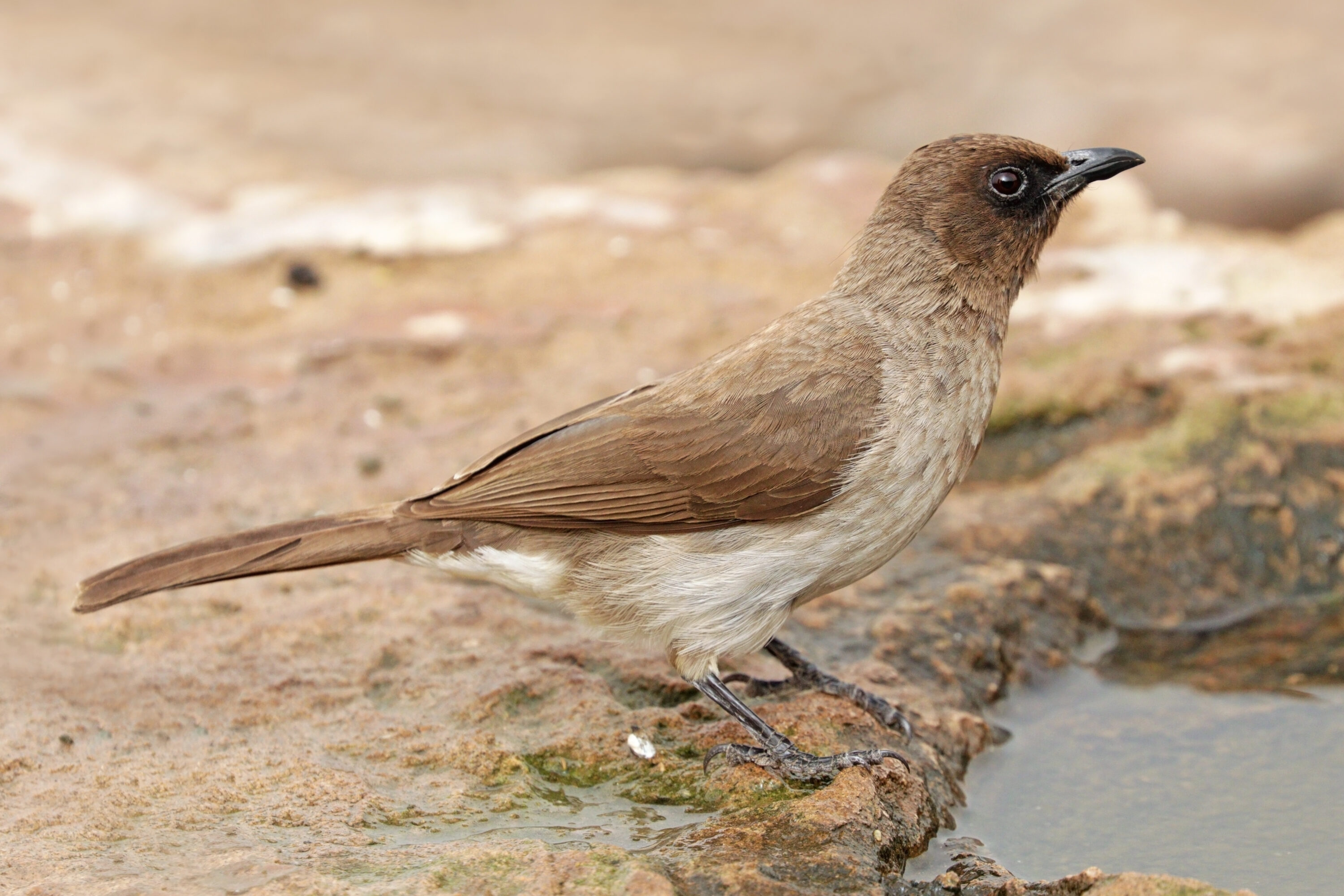
Poorer Condition Delayed Moult in Common Bulbuls, While Diet Shaped Its Speed
Common bulbuls in poorer condition just before moult began about 33 days later than birds in better condition.…
Read story →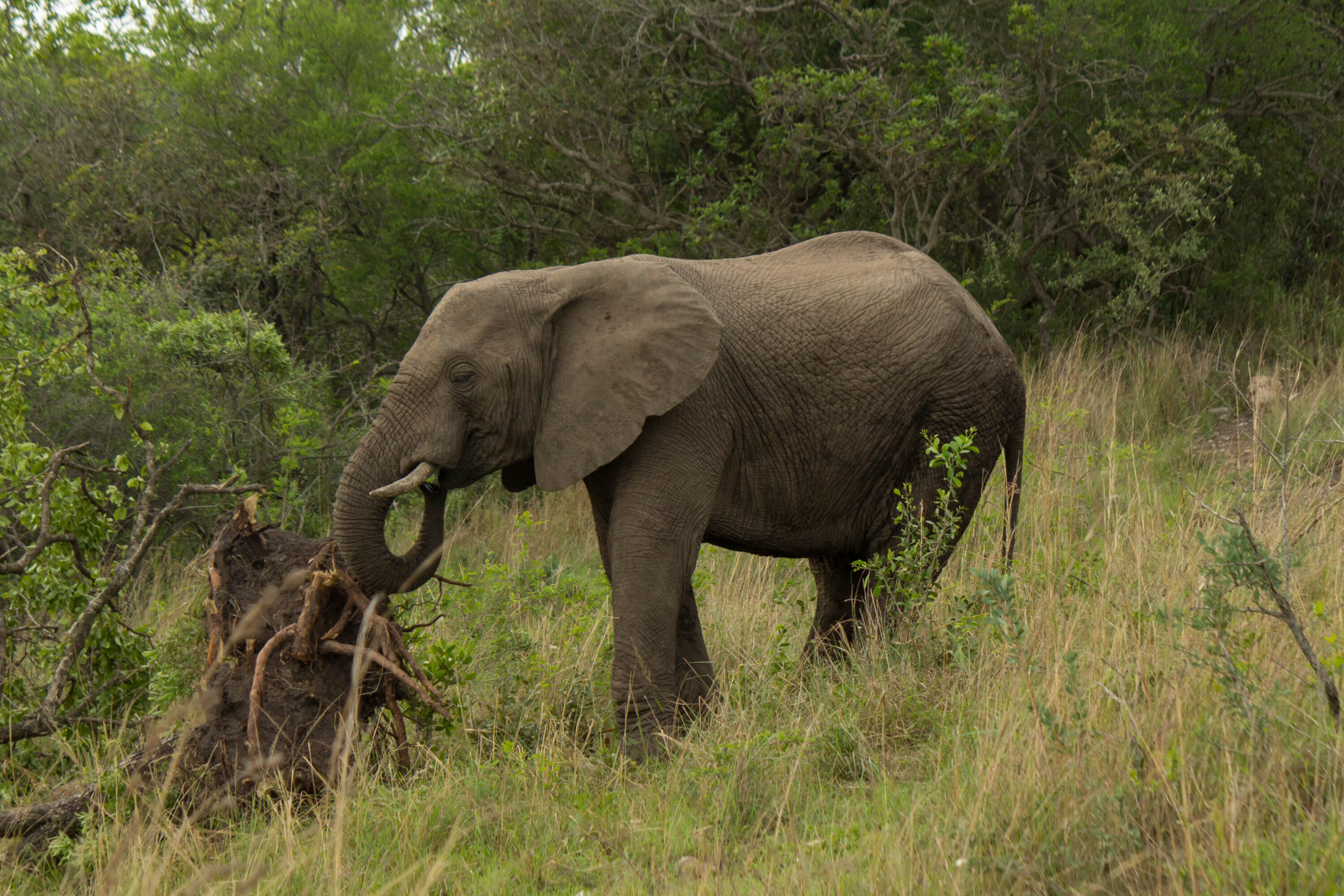
Elephant Rank Was Linked to Stress Levels After Helicopter Disturbance
In a small, fenced elephant population, helicopter use was associated with higher stress-hormone markers. Lower-ranking elephants had higher…
Read story →SPECIES IN THIS STORY
Species in this story
Independent research and conservation news archive
Did you find this information useful?
Wildlife Vagabond is independently built and maintained. Voluntary support helps cover source verification, hosting and continued work on research and conservation news.
Support Wildlife VagabondThe news archive will remain freely available.