
One Durban Tree Recorded 636 Visits by 47 Bird Species Across a Year
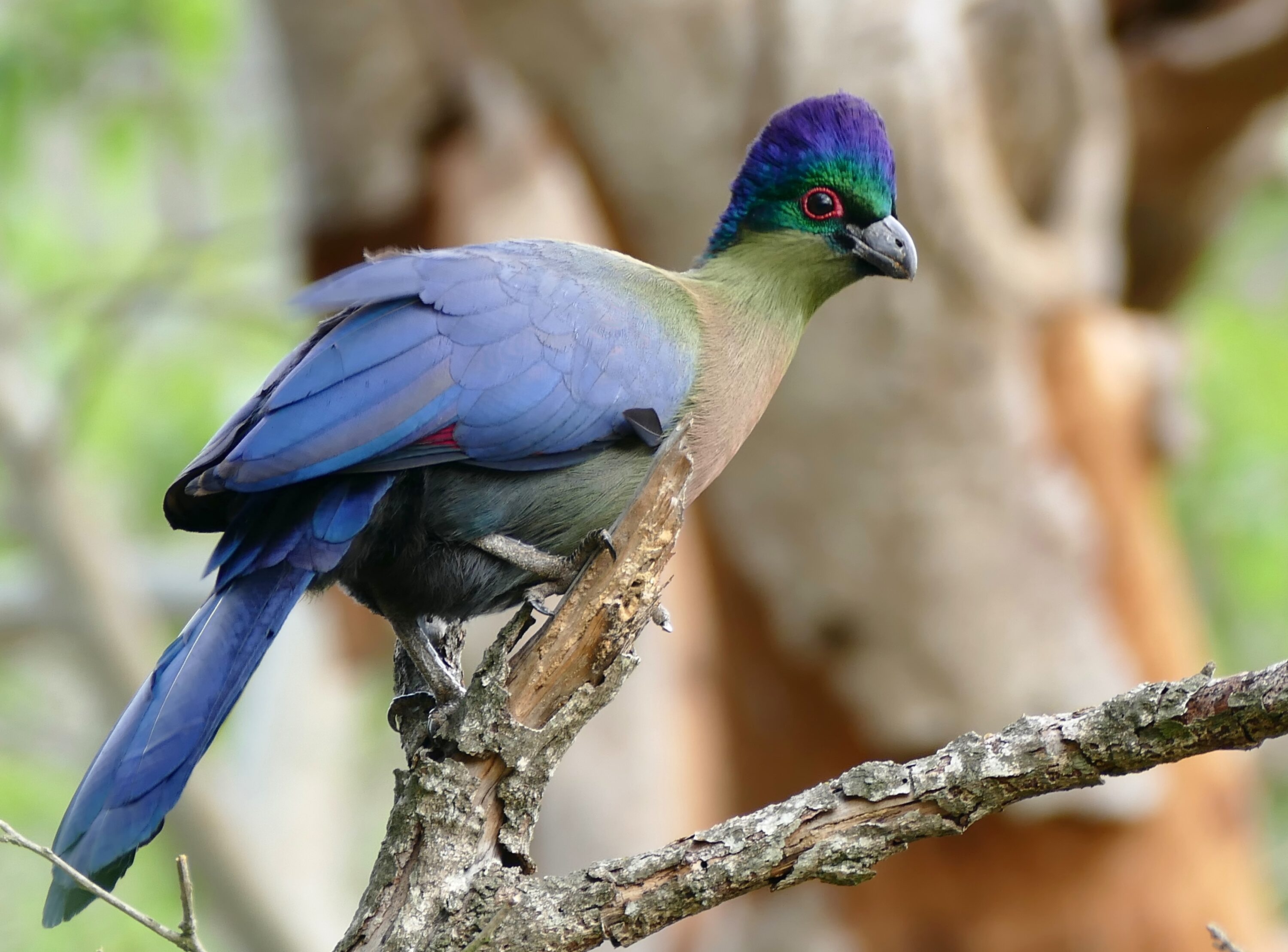
Structured observations of a single suburban tree in Westville, Durban, South Africa, recorded 636 visits by 47 bird species during 108 one-hour sessions spread across a year. The study, published on 3 March 2026 in Birds, examined how season, time of day, weather, foliage and other local conditions were associated with bird use of one flamboyant tree (Delonix regia).
The same 11-metre tree was observed from 24 April 2019 to 7 April 2020. For each visit, the observer recorded species, behaviour, arrival and departure direction, time spent in the tree and branch size. Most visits lasted less than a minute, and birds more often departed in a different direction from the one in which they arrived, suggesting that the tree frequently served as a stopover.
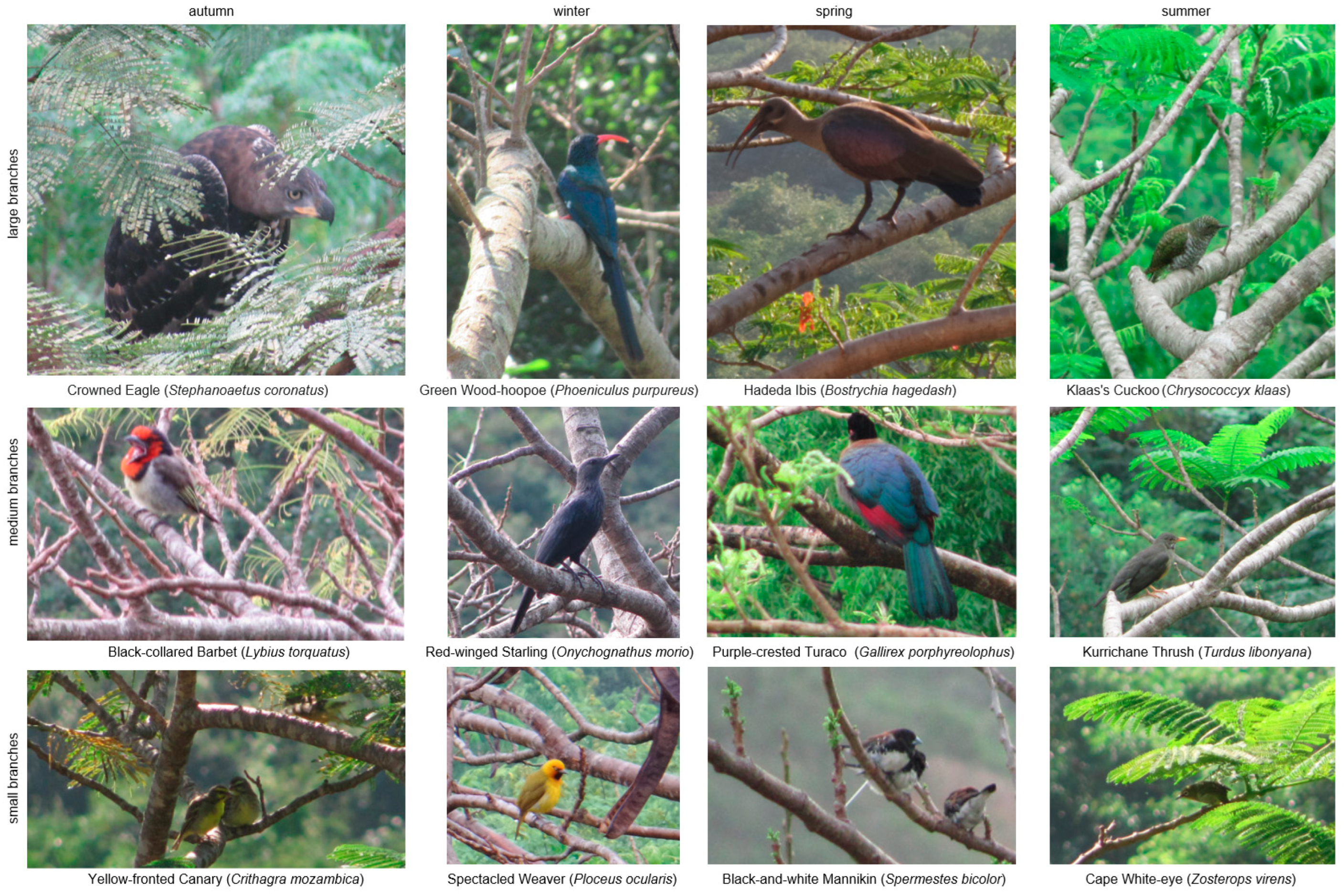
Species Used the Tree Differently Through the Year
The six most frequent visitors were common bulbul and black-bellied starling with 61 visits each, Cape white-eye and ashy flycatcher with 52 each, fork-tailed drongo with 50 and purple-crested turaco with 46.
Ashy flycatcher (Fraseria caerulescens) made 52 visits and was recorded more often in spring and summer, when the birds were nesting on a nearby human-made structure. Southern black flycatcher (Melaenornis pammelaina) made 32 visits and was among the species associated with winter.
White-eared barbet (Stactolaema leucotis) made 23 visits and was associated with lower leaf cover, while bronze mannikin (Spermestes cucullata) made 17 visits and was more often recorded on cooler days. These were associations within the single-tree dataset rather than evidence that any one environmental variable alone caused the visitation patterns.
Purple-Crested Turacos Followed a Directional Route
Purple-crested turacos (Gallirex porphyreolophus) made 46 visits and were recorded in all four seasons and 11 of the 12 months. The authors describe a repeated directional pattern: in the morning, turacos typically moved uphill by short flights and hops and used the study tree along the route. On the downhill return towards the nearby valley, they usually made a single longer flight that bypassed the tree.
Across all species, activity was generally highest early in the morning and greater in spring and summer. Feeding was recorded during 112 visits, mostly on insects. Larger bird species tended to perch on larger branches and to remain in the tree for longer, although the environmental models overall had only modest predictive power. Because the study covered one tree in one neighbourhood, it does not establish city-wide habitat preferences, home ranges or population trends.
Ecology
Related news
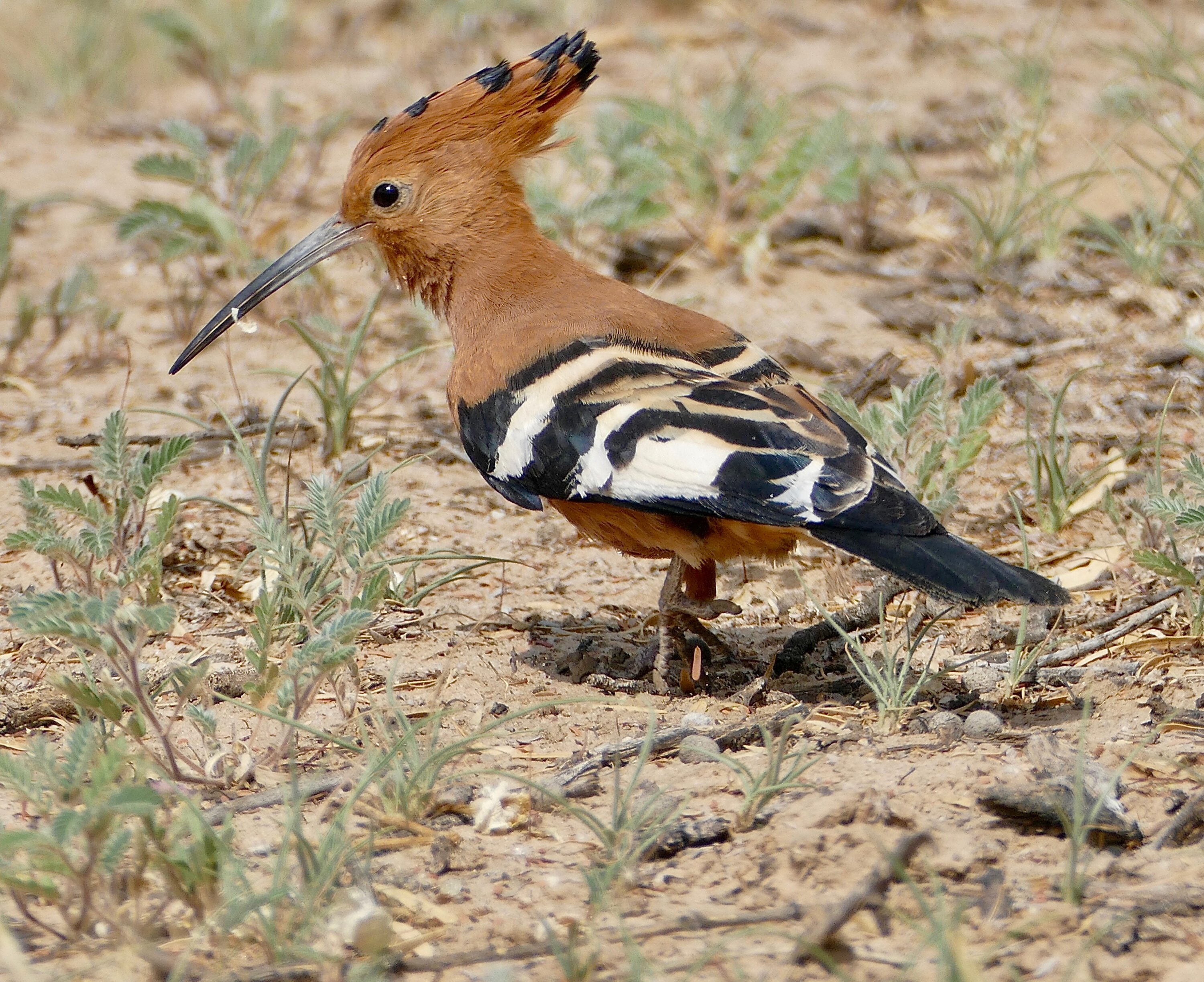
African Hoopoe Occupancy Showed No Clear Environmental Pattern While Fork-tailed Drongos Were More Common on Rocky Soils
A Namibian acoustic study found no clear occupancy response to the tested environmental variables in African hoopoes, while…
Read story →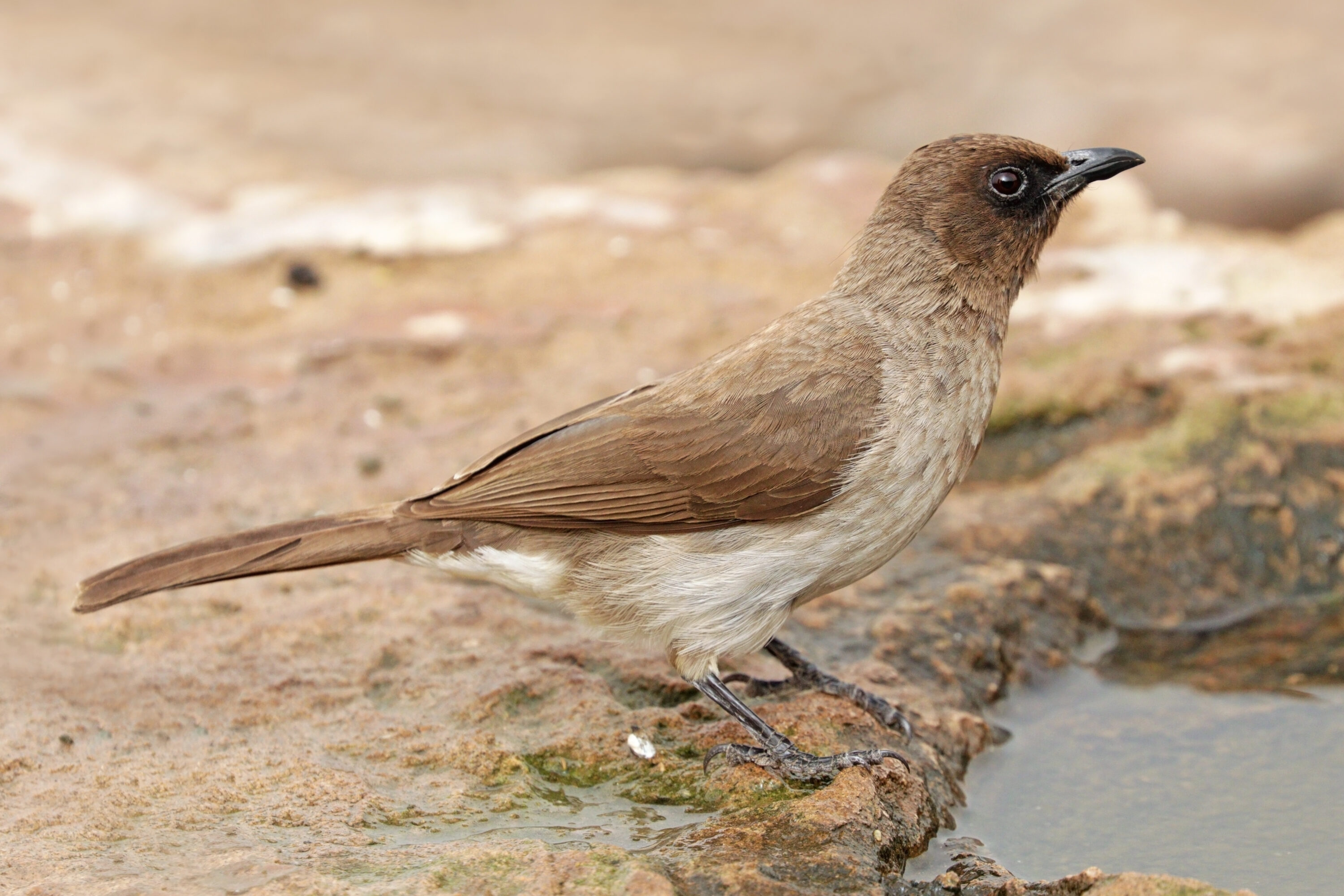
Poorer Condition Delayed Moult in Common Bulbuls, While Diet Shaped Its Speed
Common bulbuls in poorer condition just before moult began about 33 days later than birds in better condition.…
Read story →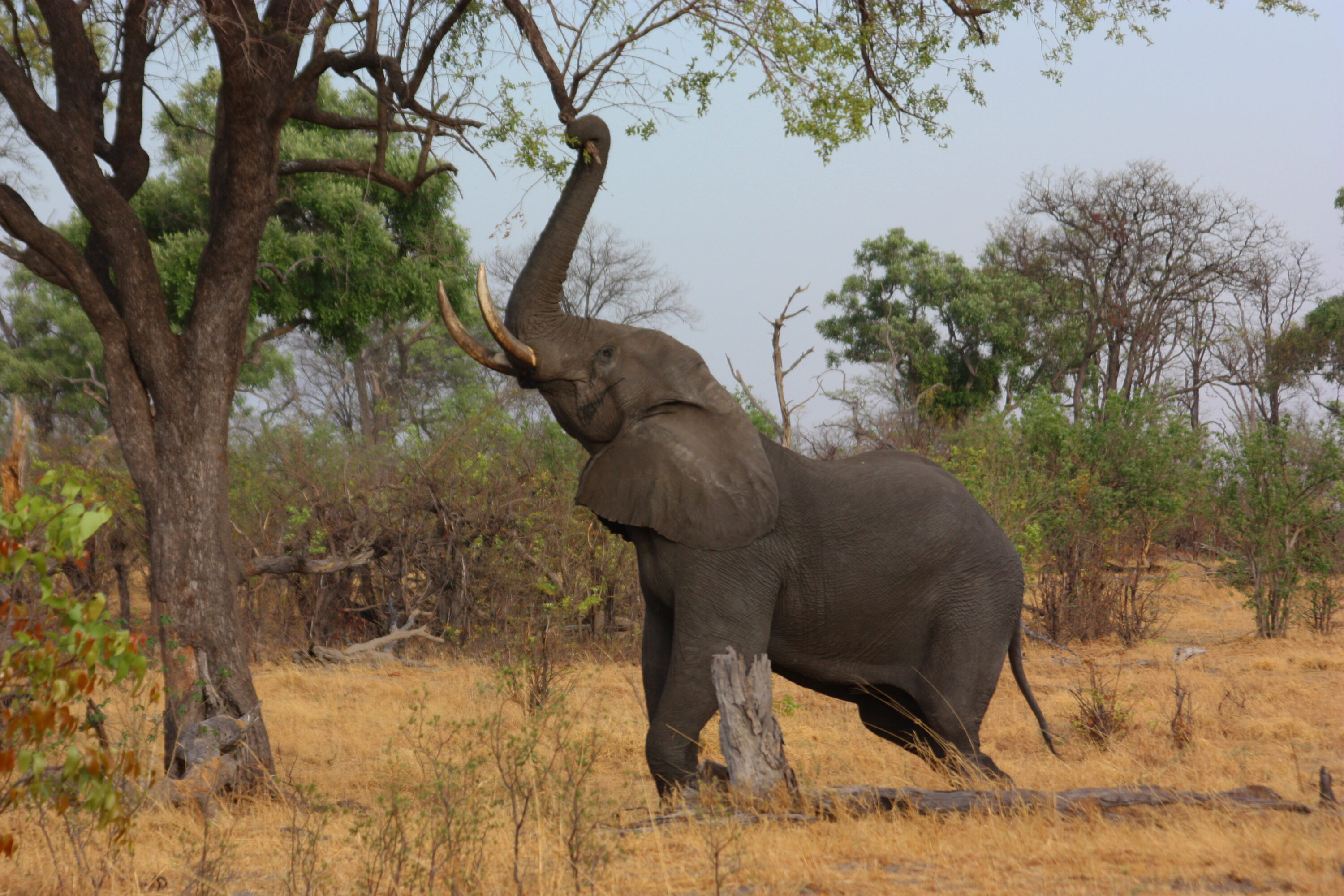
African Bush Elephants Distinguished Artificial Food-Quantity Patterns at Close Range
In experiments in South Africa, four semi-tame elephants chose between visual patterns representing canopy size and leaf density.…
Read story →SPECIES IN THIS STORY
Species in this story
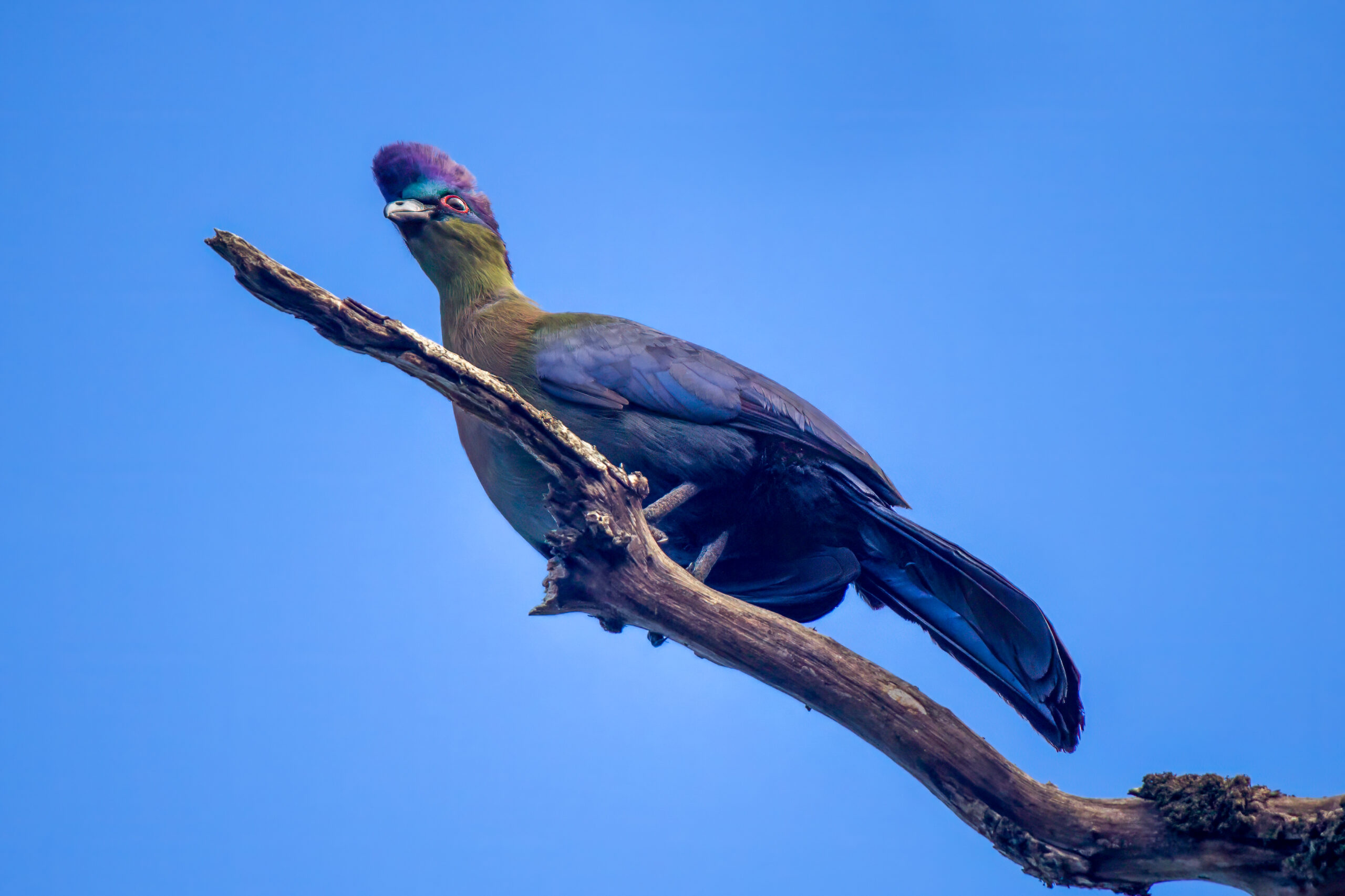 Purple-crested Turaco
Gallirex porphyreolophus Explore species →
Purple-crested Turaco
Gallirex porphyreolophus Explore species →
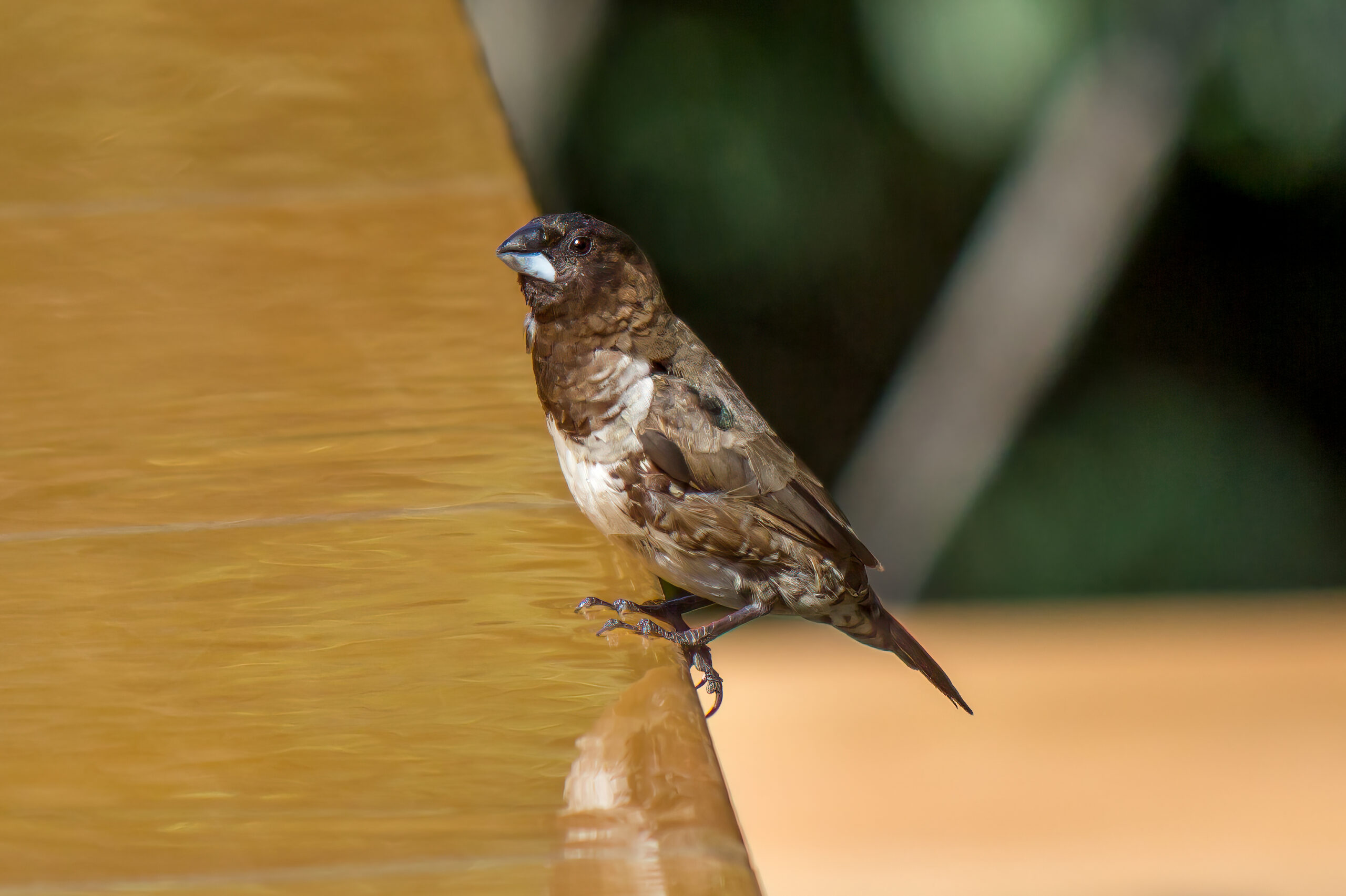 Bronze Mannikin
Spermestes cucullata Explore species →
Bronze Mannikin
Spermestes cucullata Explore species →
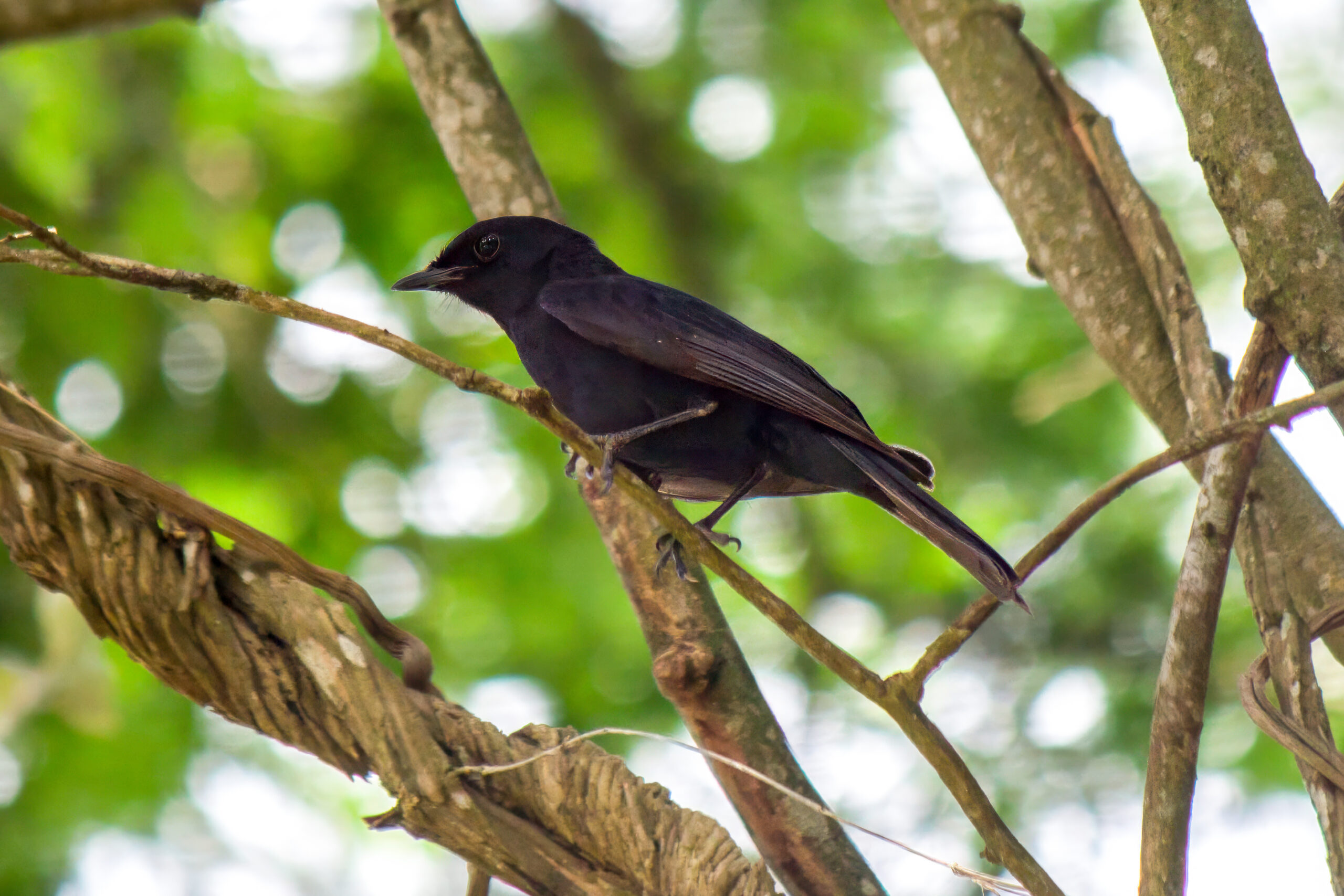 Southern Black Flycatcher
Melaenornis pammelaina Explore species →
Southern Black Flycatcher
Melaenornis pammelaina Explore species →
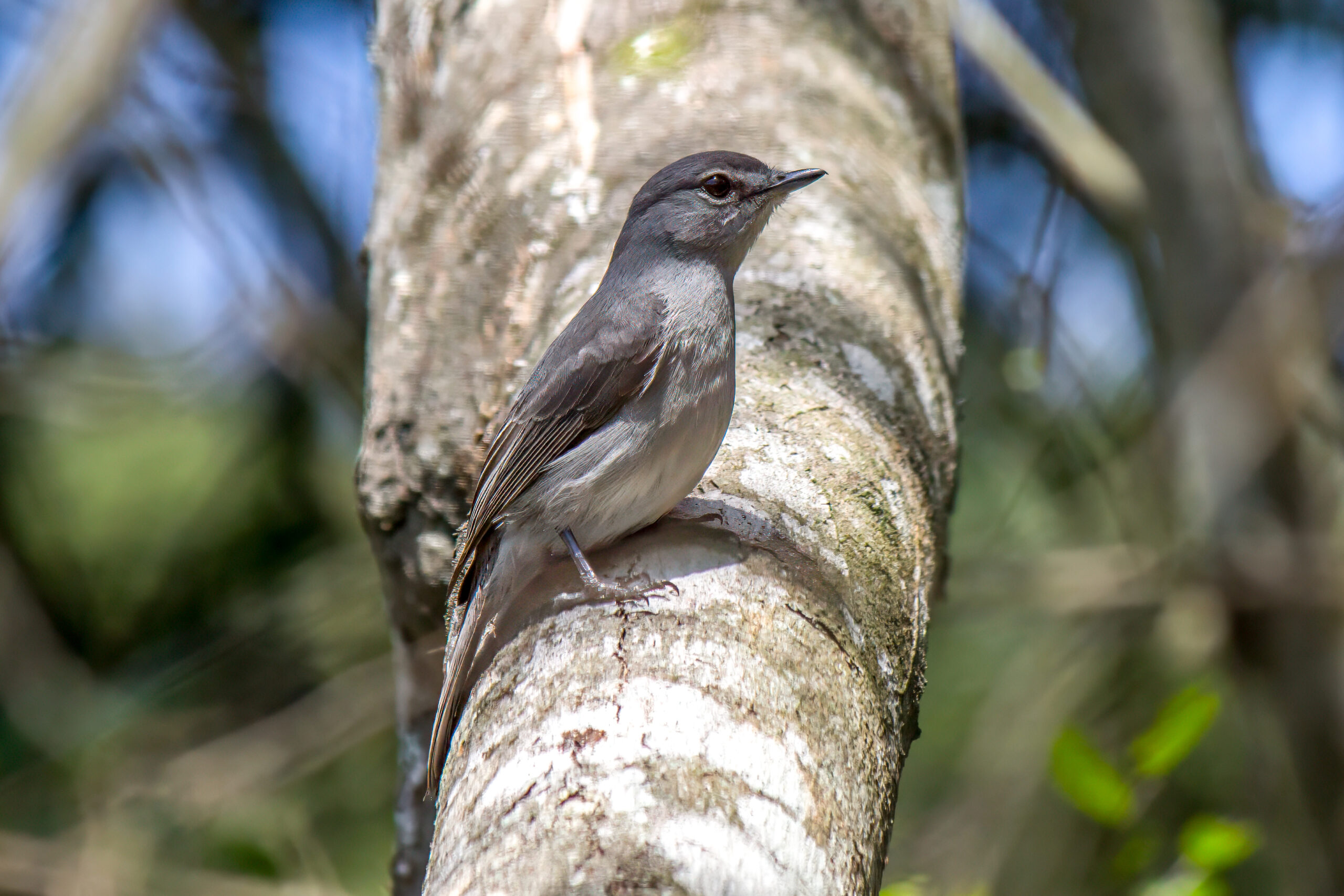 Ashy Flycatcher
Fraseria caerulescens Explore species →
Ashy Flycatcher
Fraseria caerulescens Explore species →
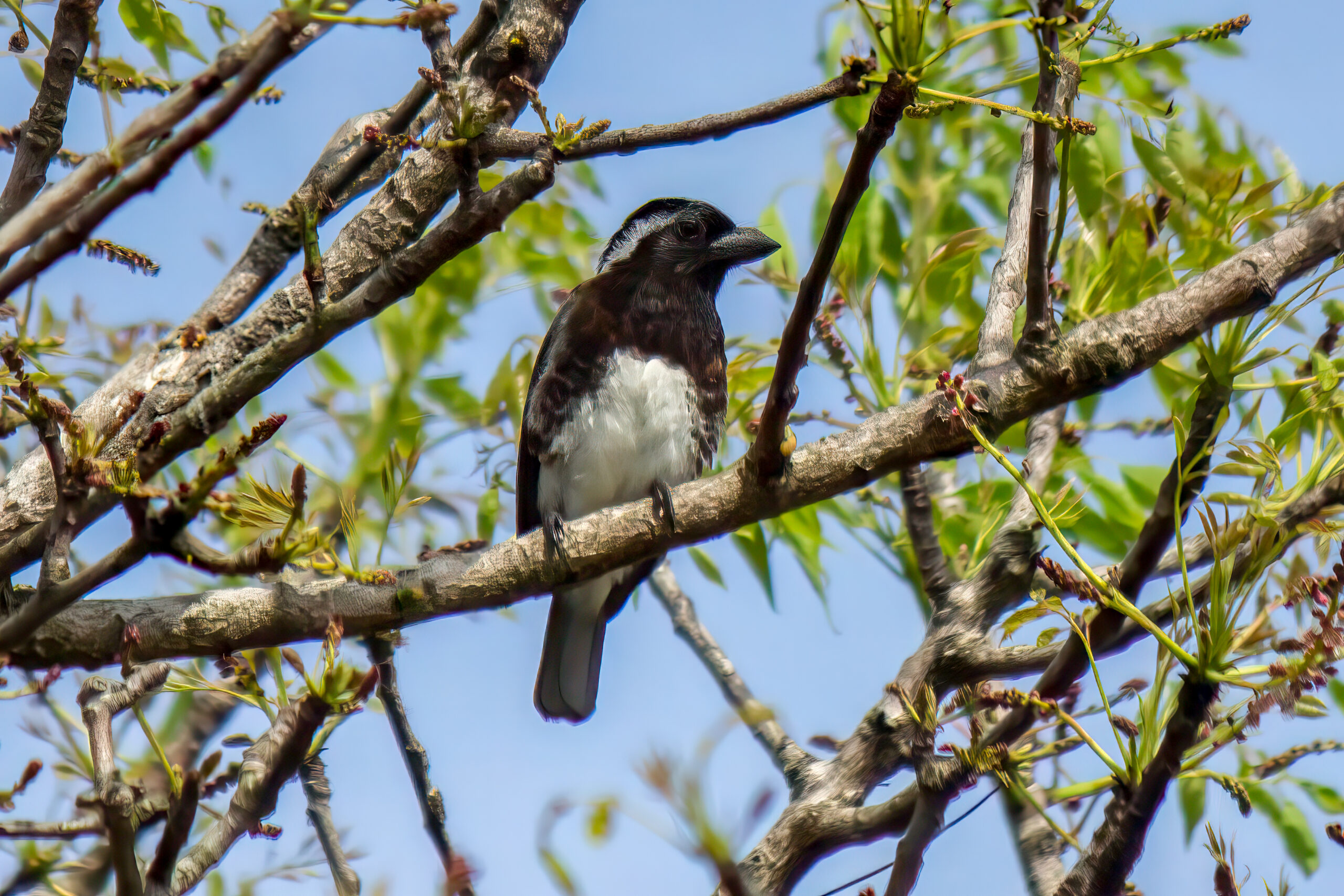 White-eared Barbet
Stactolaema leucotis Explore species →
White-eared Barbet
Stactolaema leucotis Explore species →
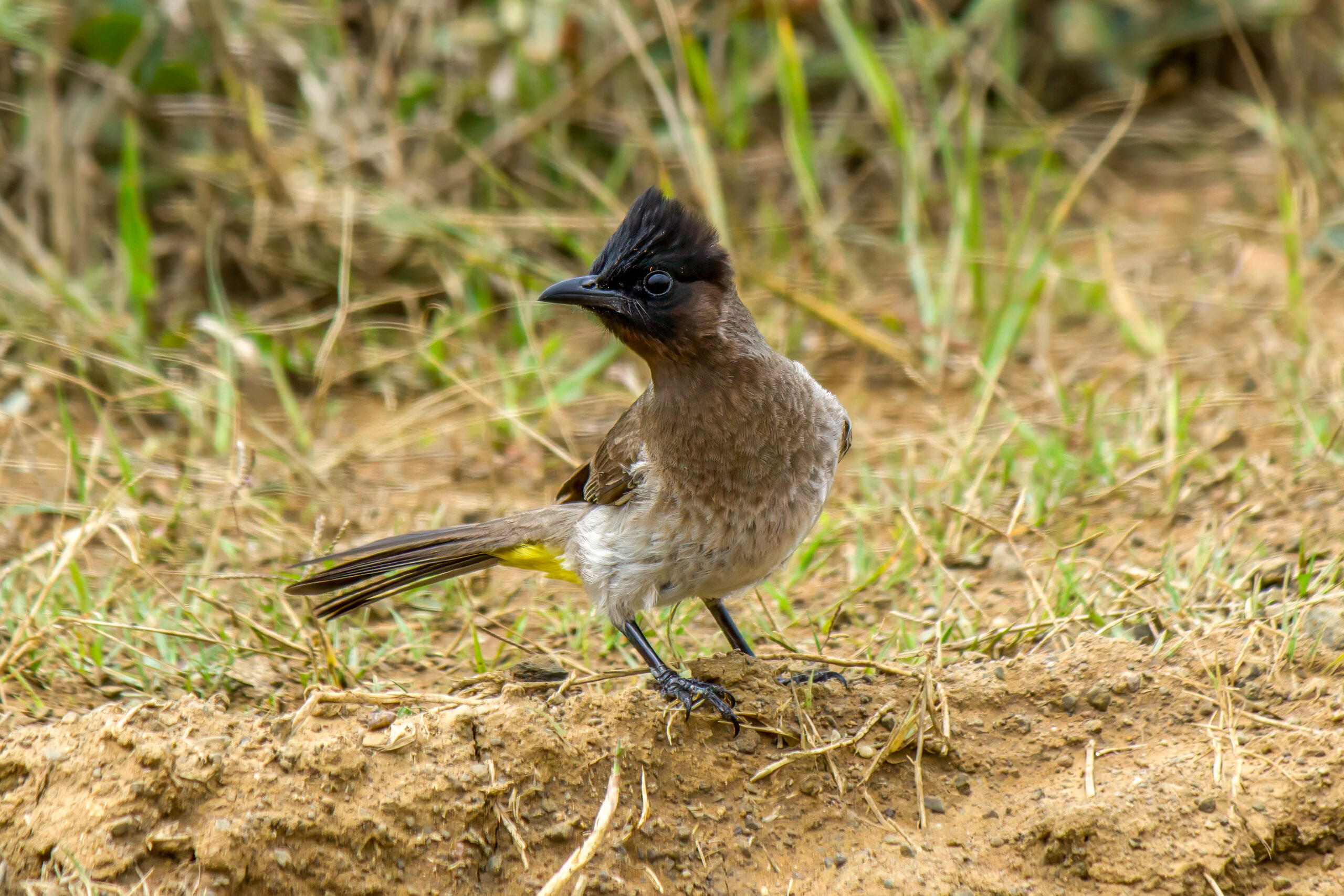 Common Bulbul
Pycnonotus barbatus Explore species →
Common Bulbul
Pycnonotus barbatus Explore species →
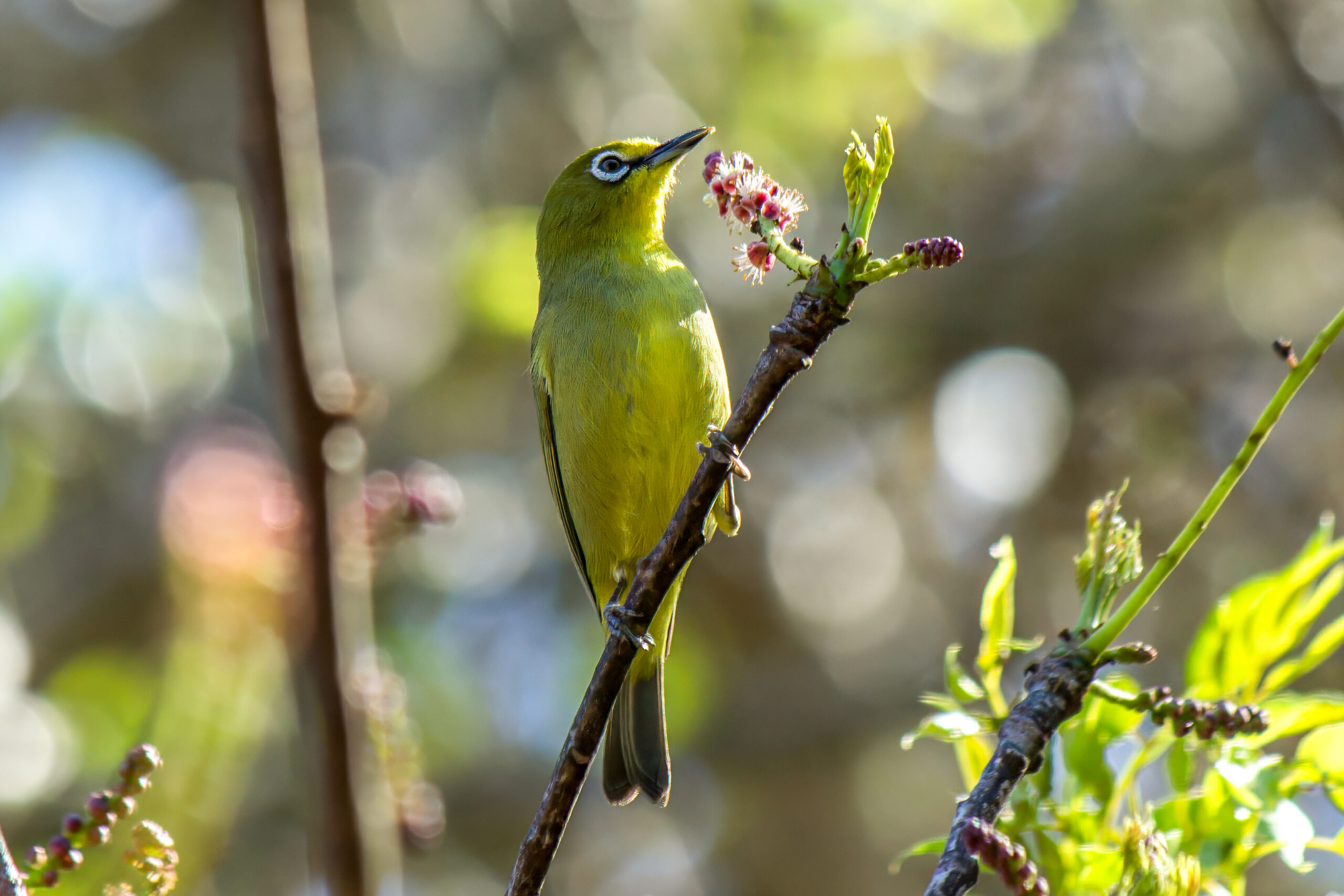 Cape White-eye
Zosterops virens Explore species →
Cape White-eye
Zosterops virens Explore species →
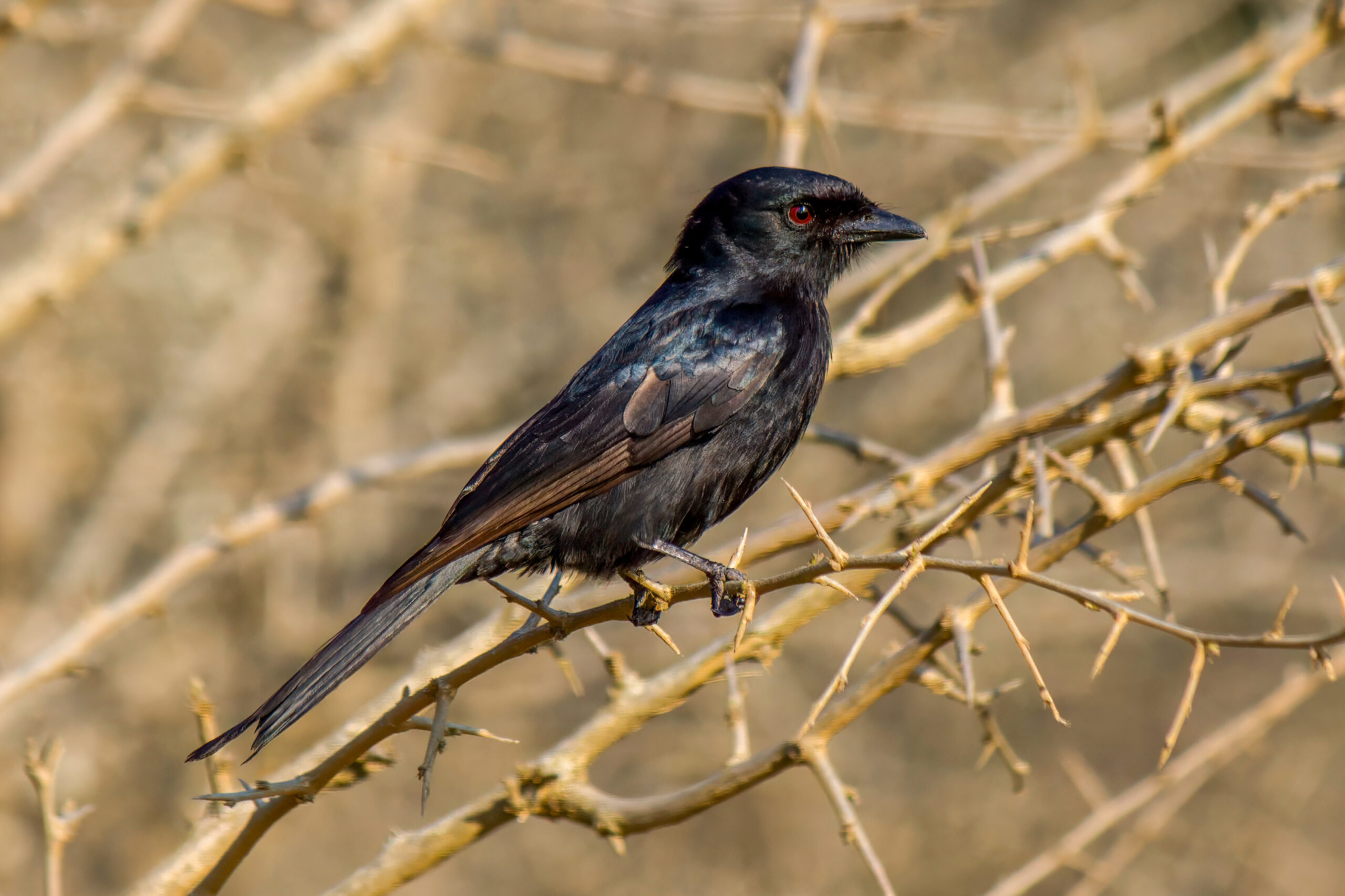 Fork-tailed Drongo
Dicrurus adsimilis Explore species →
Fork-tailed Drongo
Dicrurus adsimilis Explore species →
Independent research and conservation news archive
Did you find this information useful?
Wildlife Vagabond is independently built and maintained. Voluntary support helps cover source verification, hosting and continued work on research and conservation news.
Support Wildlife VagabondThe news archive will remain freely available.