
Poorer Condition Delayed Moult in Common Bulbuls, While Diet Shaped Its Speed
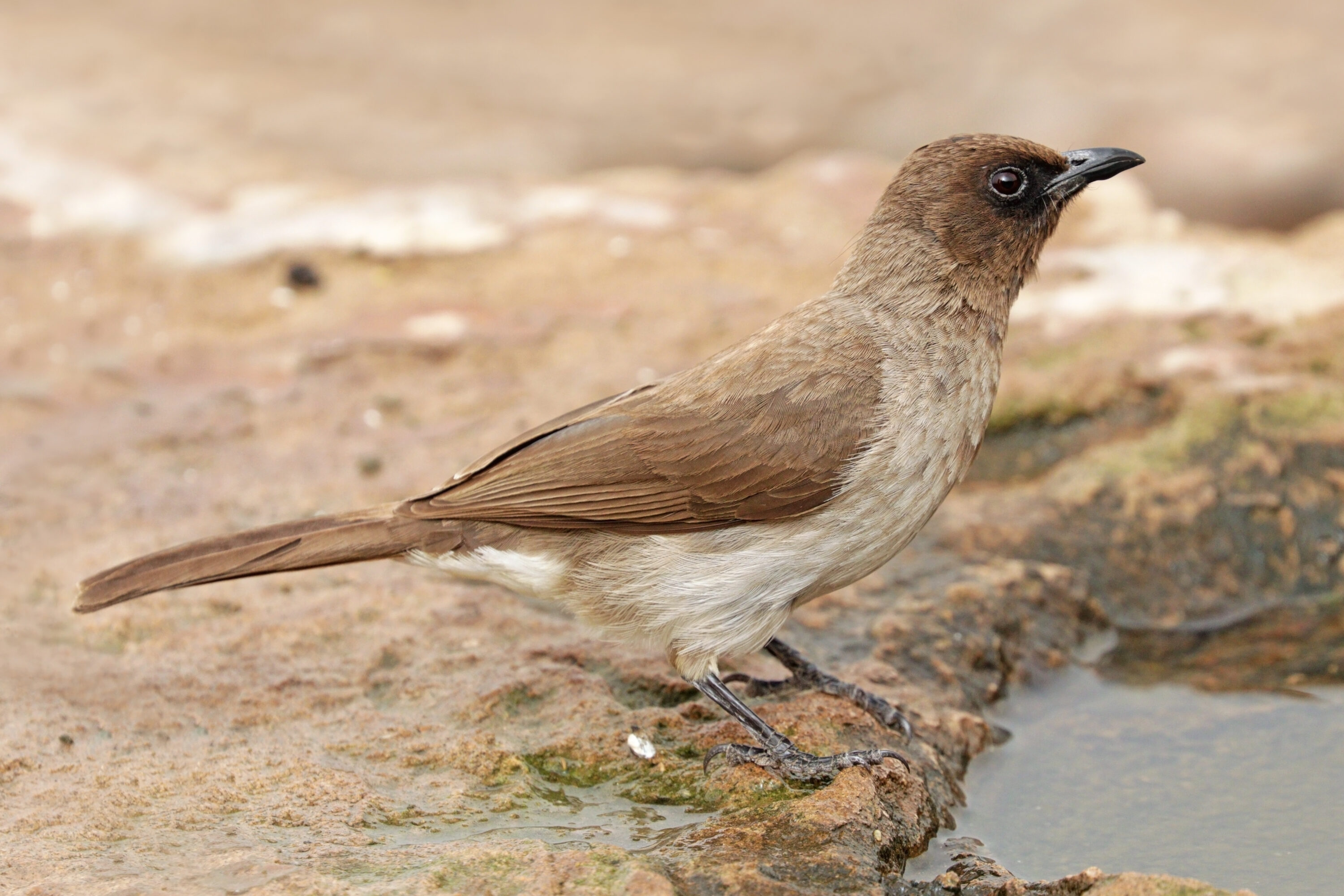
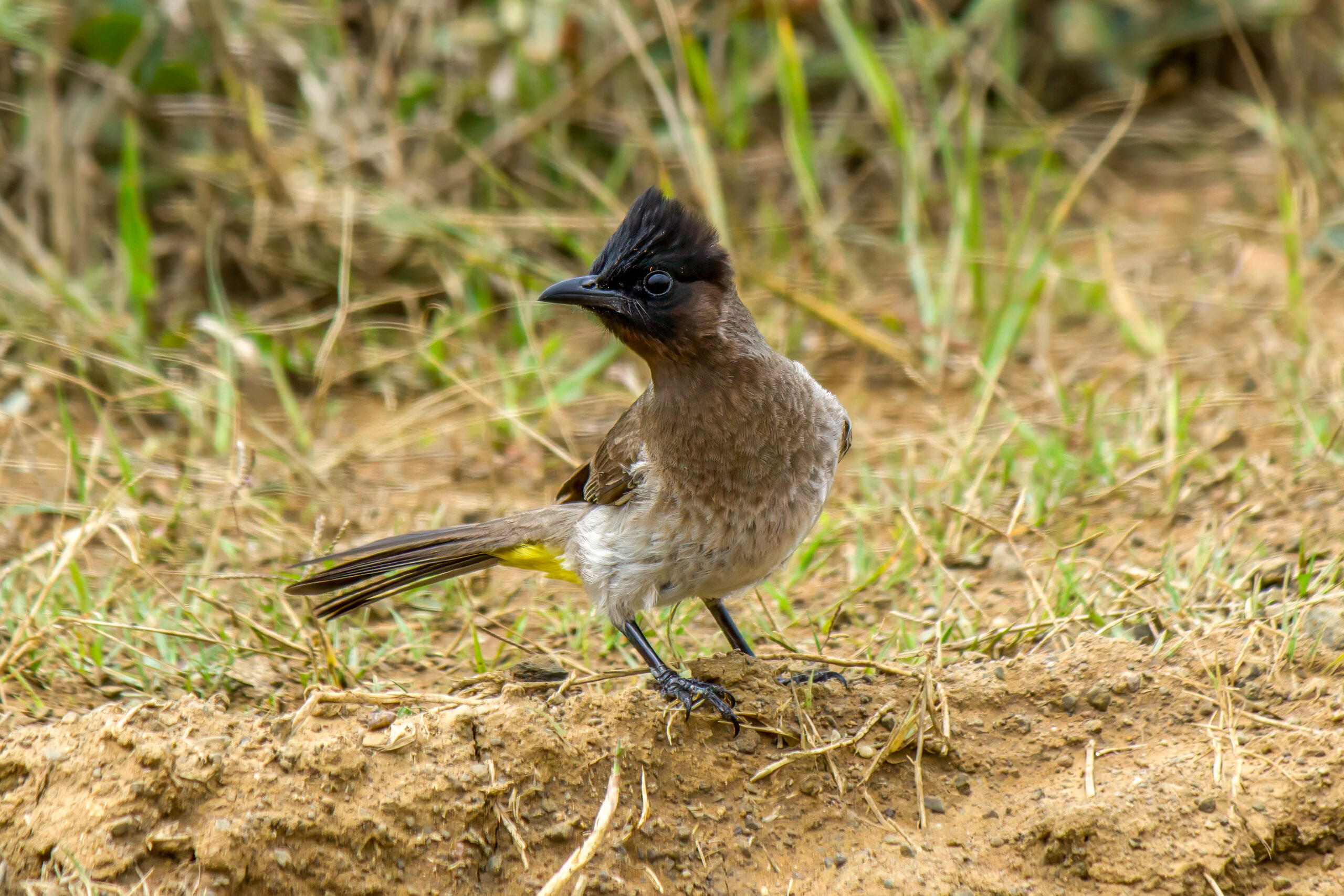
A diet experiment in Jos, Nigeria, showed that different phases of moult in common bulbuls (Pycnonotus barbatus) depended on resources available at different times. Body condition shortly before moult influenced when feather replacement began, whereas diet during moult strongly affected how quickly the process was completed.
The researchers followed 40 adult wild-caught bulbuls housed in outdoor aviaries and compared them with free-living birds from the same area. Before the expected moult season, captive birds received either fruit or an invertebrate diet. The study used body mass as a practical proxy for body condition in this species. During the final three months before moult, the invertebrate-fed birds became 5.8% lighter on average than the fruit-fed group. They did not begin moulting on schedule; once their diet was changed to a mixture of fruit and invertebrates and their condition improved, moult began.
Condition just before moult influenced when it started
Condition during the final three months before moult mattered most for when feather replacement began. Birds left in poorer condition by the invertebrate diet started about 33 days later than fruit-fed birds. Condition 6–3 months before the expected moult, by contrast, did not clearly affect either the start date or the duration.
This gives the first part of the biological interpretation. Moult showed a capital-dependent component: reserves built up before feather replacement helped determine whether a bird was ready to start. The term does not mean that the entire moult was fuelled from stored reserves, only that condition accumulated before moult mattered for its initiation.
Nutrients acquired during moult influenced speed
Once moult had begun, the important factor changed. Fruit-fed birds started earlier but took about 185 days to complete moult. Birds switched from the invertebrate diet to a mixed fruit-and-invertebrate diet completed it in about 134 days — roughly 52 days faster — while free-living bulbuls finished in about 98 days on average.
The authors describe this as an income-dependent component: resources acquired while moult was actually under way helped determine the rate of feather replacement. Fruit alone provided enough energy and nutrients for feather growth, but the mixed diet, including animal protein, was associated with substantially faster moult. Free-living birds were faster still, showing that the experimental mixed diet did not reproduce all of the nutritional or environmental conditions available in the wild.
Together, the results argue against treating moult as purely a capital or purely an income process. In common bulbuls, stored condition immediately before moult helped set the start, while ongoing food quality helped set the speed. The authors also note that moult retained a strong seasonal schedule in captive birds even without breeding, suggesting that seasonal environmental cues and the availability of particular nutrients help organise this stage of the annual cycle in a tropical species that can breed year-round.
Physiology
Related news
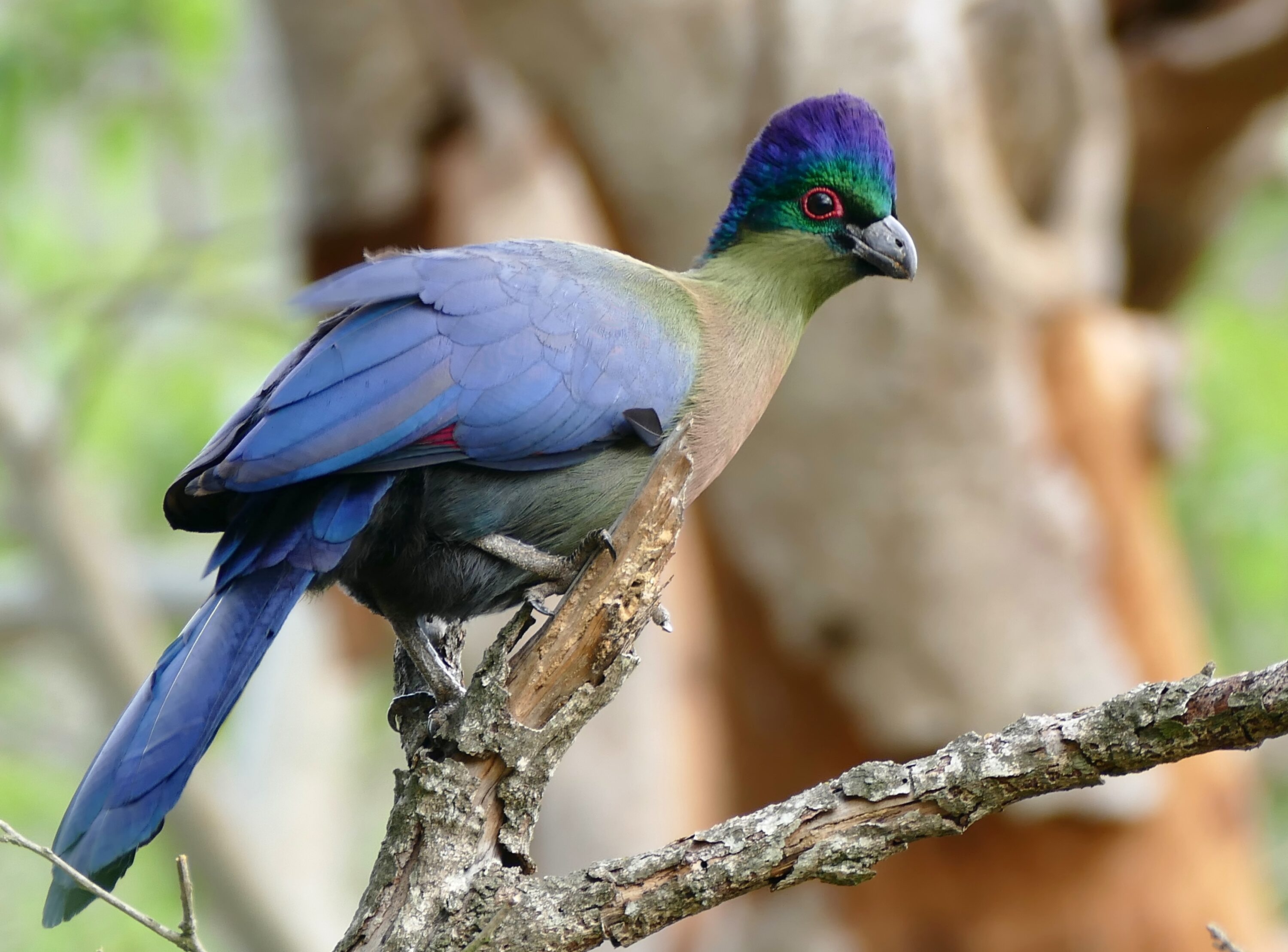
One Durban Tree Recorded 636 Visits by 47 Bird Species Across a Year
Structured observations of a single suburban tree in Westville, Durban, recorded 636 visits by 47 bird species during…
Read story →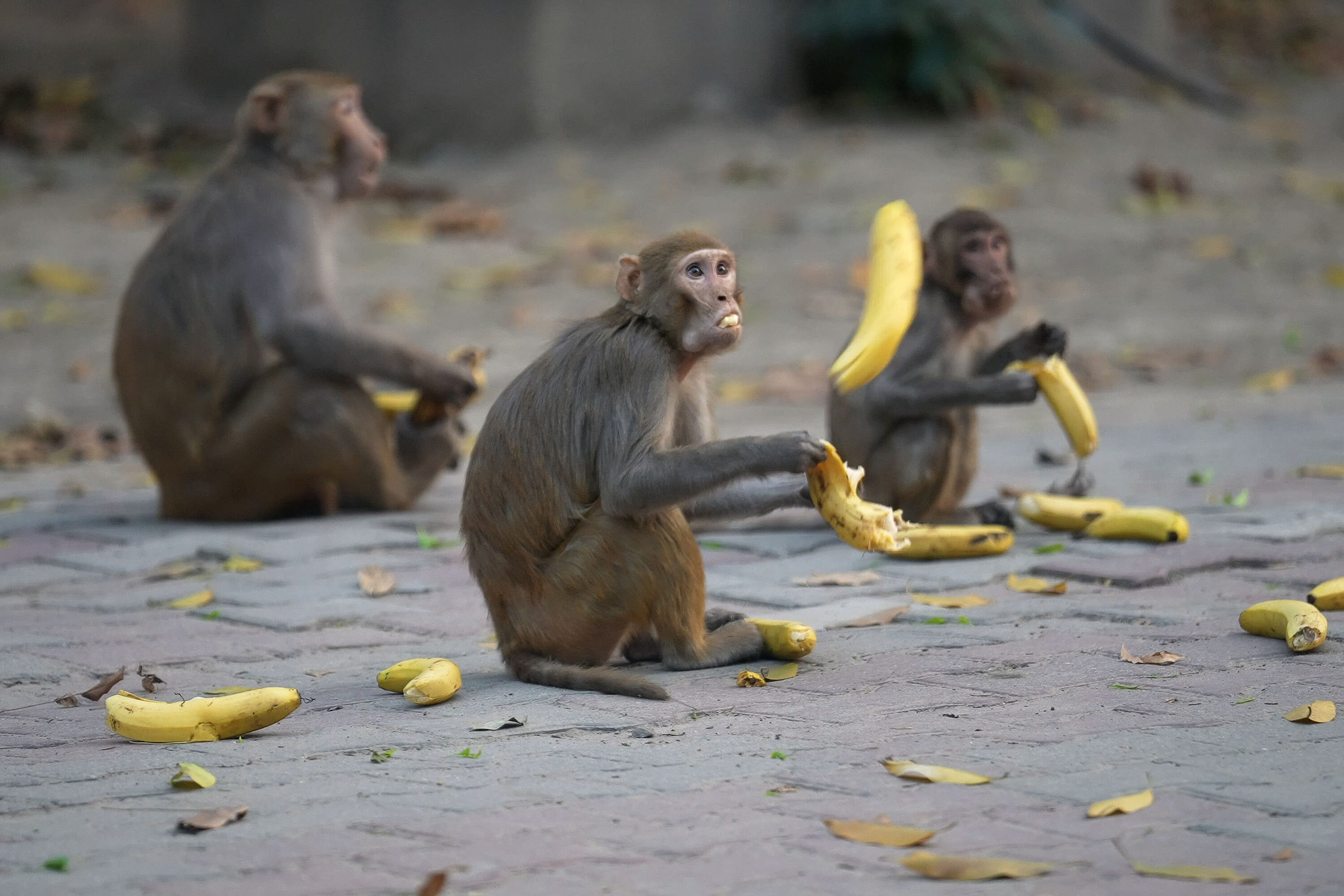
Aging rhesus macaques show broader protein changes in blood than in brain fluid
A study of 66 rhesus macaques found age-related differences in many more measured proteins in plasma than in…
Read story →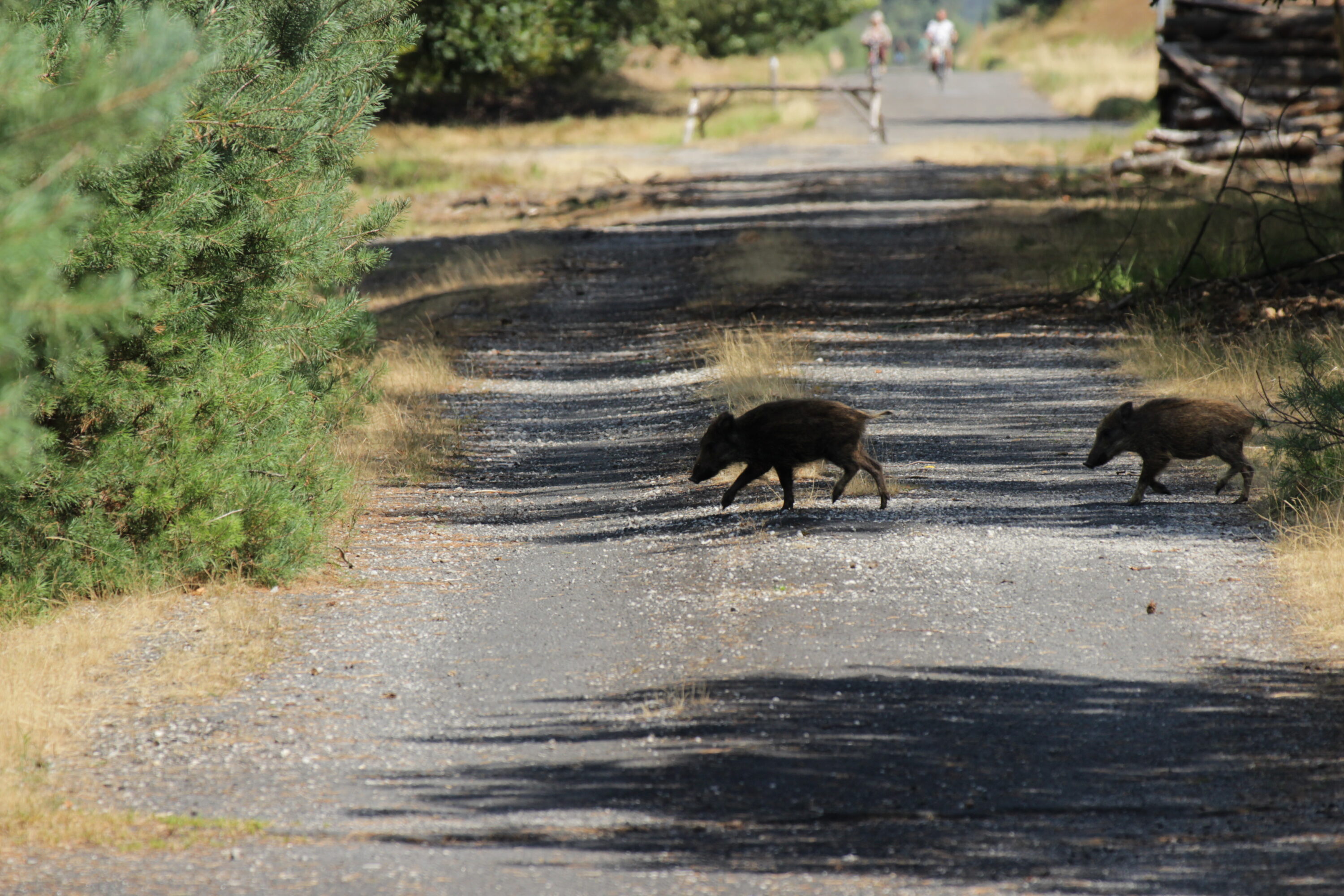
Copper levels in wild boar differed across Slovak districts
An analysis of kidney, liver and muscle from 147 wild boar in four districts found that iron and…
Read story →SPECIES IN THIS STORY
Species in this story
Independent research and conservation news archive
Did you find this information useful?
Wildlife Vagabond is independently built and maintained. Voluntary support helps cover source verification, hosting and continued work on research and conservation news.
Support Wildlife VagabondThe news archive will remain freely available.