
Connected Moose Populations Had Higher Parasite Risk and Faecal Cortisol
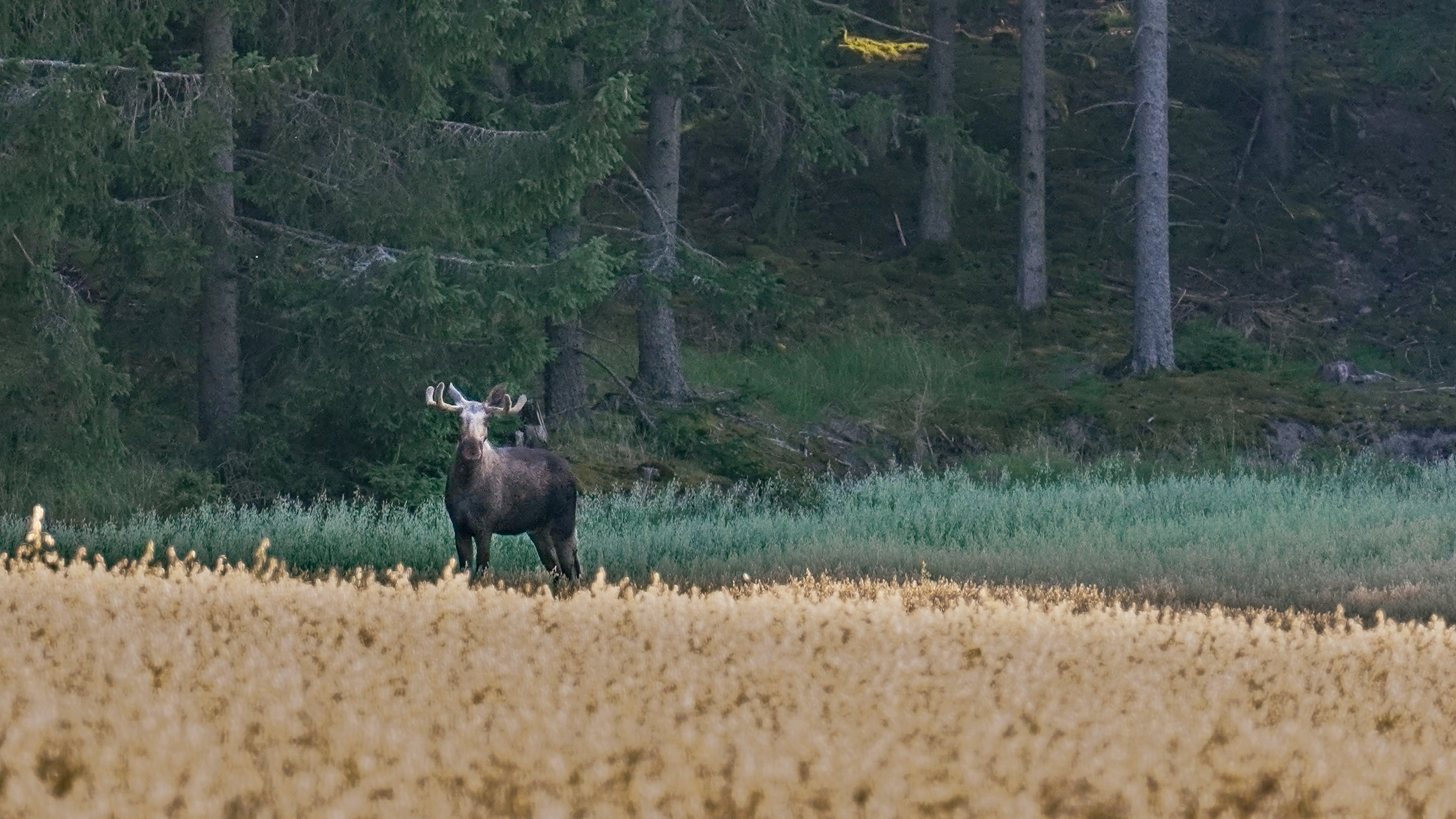
Moose populations with stronger genetic connections across a warming landscape had higher intestinal parasite infection risk and higher faecal cortisol than more isolated populations, a new study from northeast China has found. Connected populations were nevertheless more stable over time.
A transect is a predefined line or route used to survey an area systematically, with observations, signs or sampling points recorded along it.
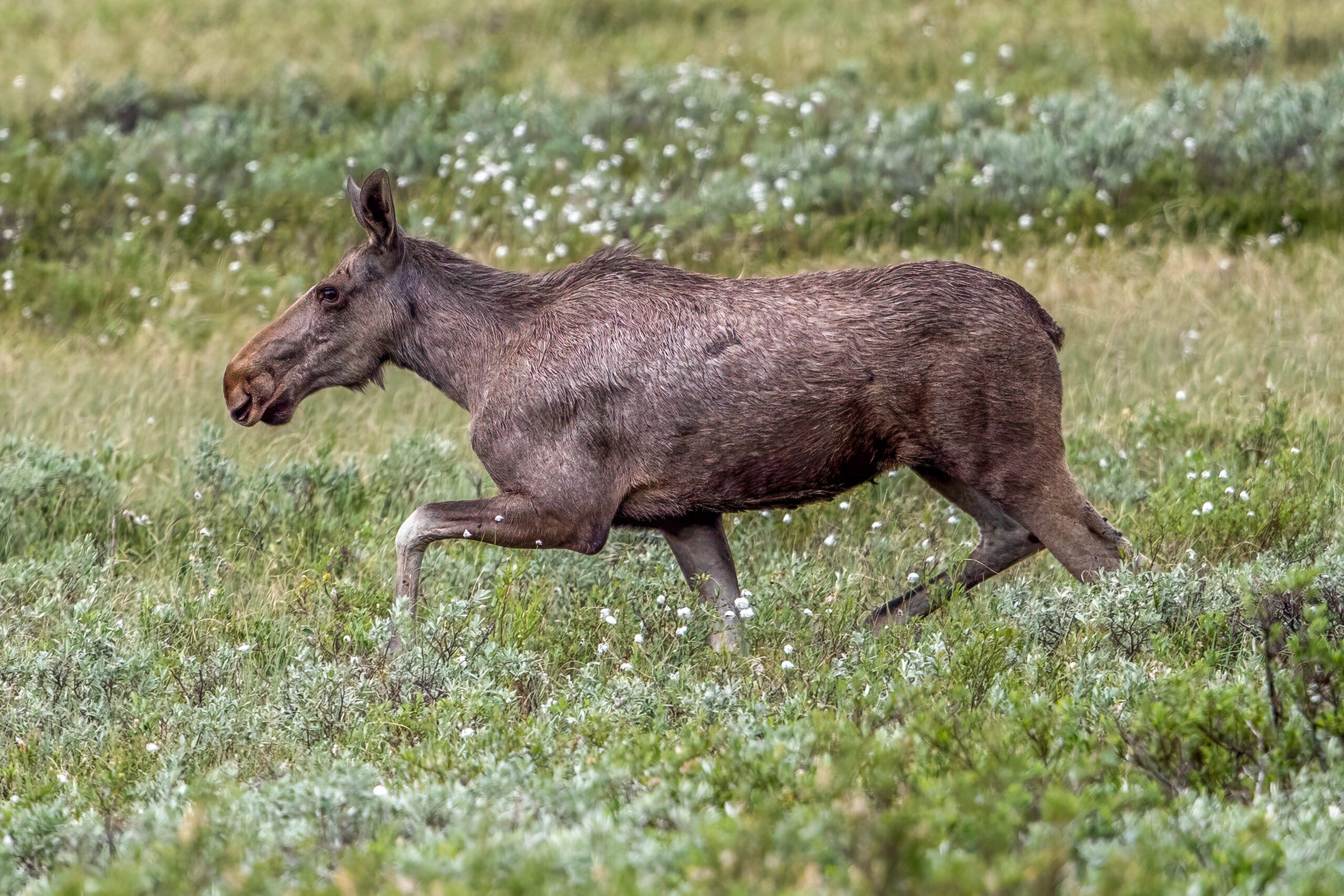
The study, published in the Journal of Mammalogy on 17 February 2026, examined wild moose (Alces alces) in the Greater and Lesser Khingan Mountains. These northern forests hold some of China’s remaining moose populations and sit near the species’ southern range margin, where warming is expected to place particular pressure on a large mammal adapted to cold conditions.
Six populations compared
Researchers surveyed 96 transects, each five kilometres long, across six study areas. They collected 198 moose faecal samples and combined several kinds of evidence: genetic analyses to estimate gene flow, microscopic examination of parasite eggs and oocysts, measurements of faecal cortisol, and information on nutrition, gut microbes and environmental conditions.
Based on genetic connectivity, the team grouped Zhanhe, Nanwenghe and Mohe as connected populations with more dispersal, while Wuerqihan, Shuanghe and Hanma represented more isolated populations. This comparison allowed the researchers to ask whether movement among populations was associated with different parasite communities and stress responses.
Connected populations had more parasites and higher cortisol
The connected populations had significantly higher parasite infection risk and higher faecal cortisol levels than the isolated populations. They also showed greater infection intensity and parasite diversity. Detected parasite groups included Nematodirus nematodes, whipworms and coccidia.
The pattern was not explained by one environmental factor alone. In the connected populations, temperature and latitude were the main factors associated with parasite infection. In isolated populations, the important relationships involved a broader combination of precipitation, elevation and gut bacteria, including Anaerotruncus and Ruminococcus.
Connected populations were also more stable
Dispersal maintains gene flow among moose populations, but the study found that the same connectivity was associated with greater exposure to intestinal parasites and higher faecal cortisol in the connected groups.
Yet the connected populations were also more stable than their isolated counterparts. The finding means that higher parasite exposure should not be read as evidence that connectivity is simply harmful. Instead, the authors describe a balance between disease-transmission risk and the longer-term benefits of population connection and ecological adaptation.
The authors argue that dispersal should be incorporated into conservation planning because connectivity can increase parasite transmission while also supporting population stability. They call for management strategies that account for both effects when assessing moose resilience under climate warming.
Disease, parasites & microbiology
Related news
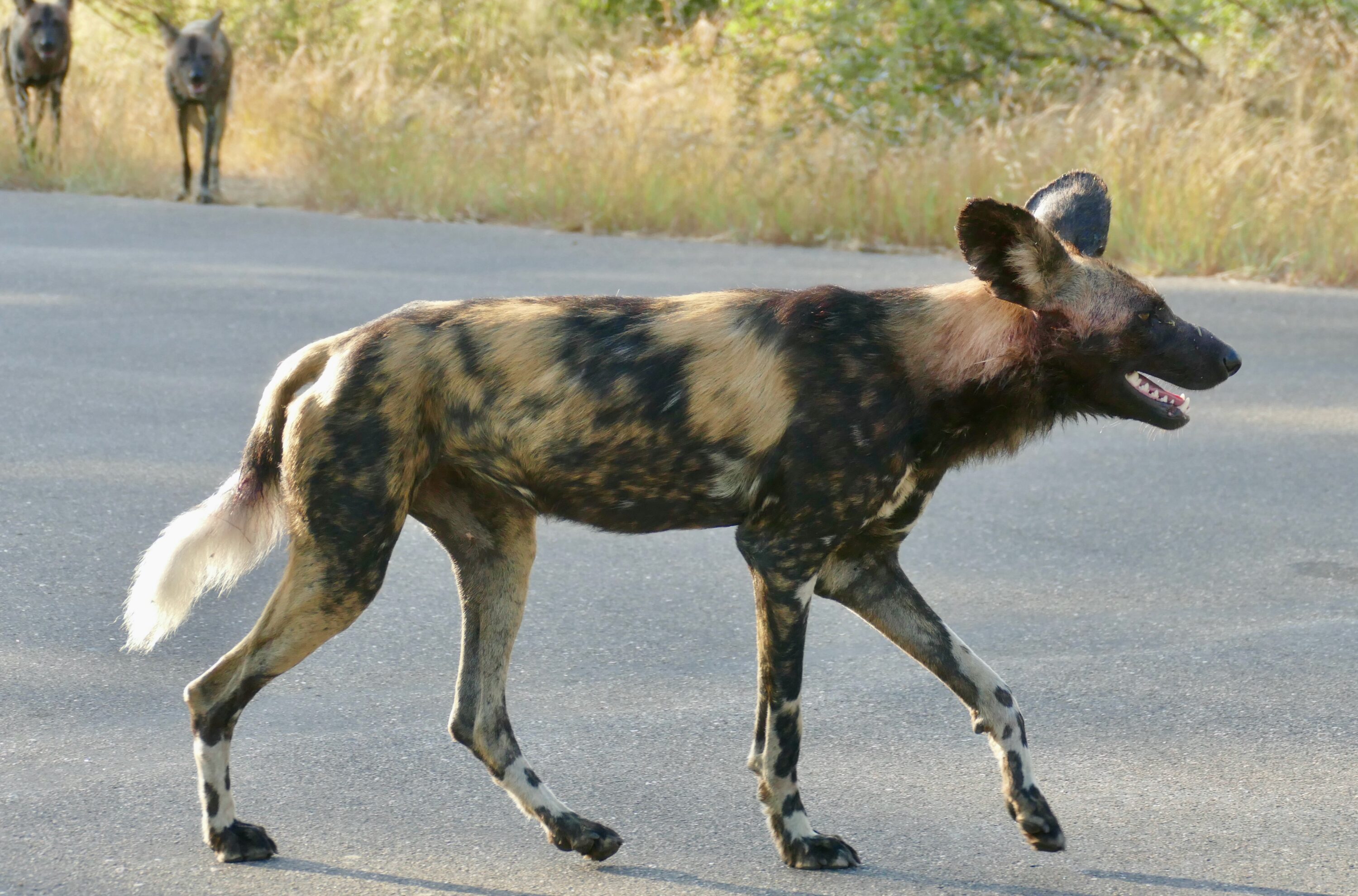
Gut Microbiomes Across Nine Kruger Mammals Clustered More Strongly by Dietary Group Than Species
A study of 89 quality-filtered faecal samples from nine wild mammals in Kruger National Park found that carnivores,…
Read story →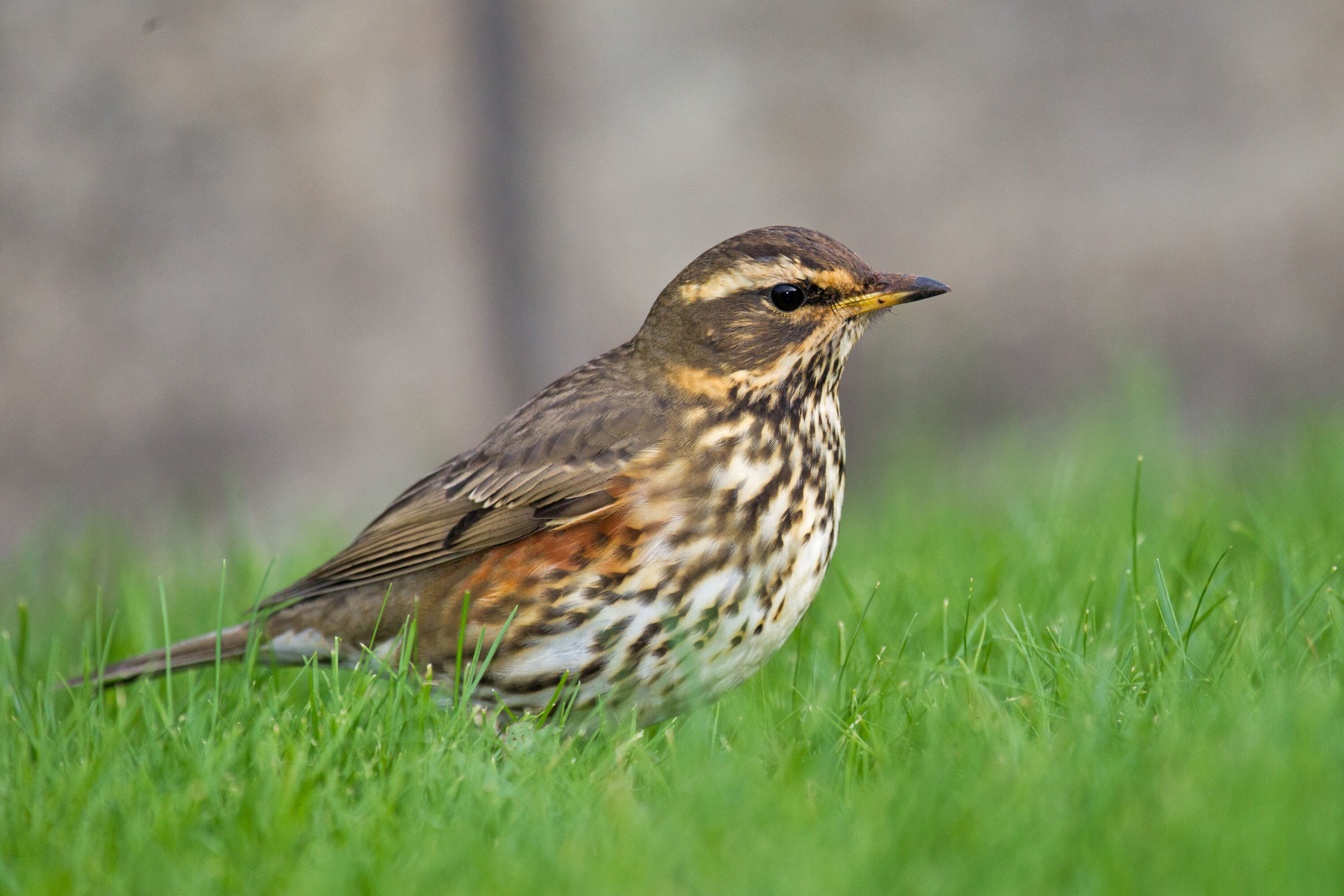
Nearly Three-quarters of Migrating Redwings Carried Ticks During Two Mild Belgian Autumns
Ticks were found on 72.9% of 284 redwings sampled during late-autumn migration in Belgium; 12.9% of 698 screened…
Read story →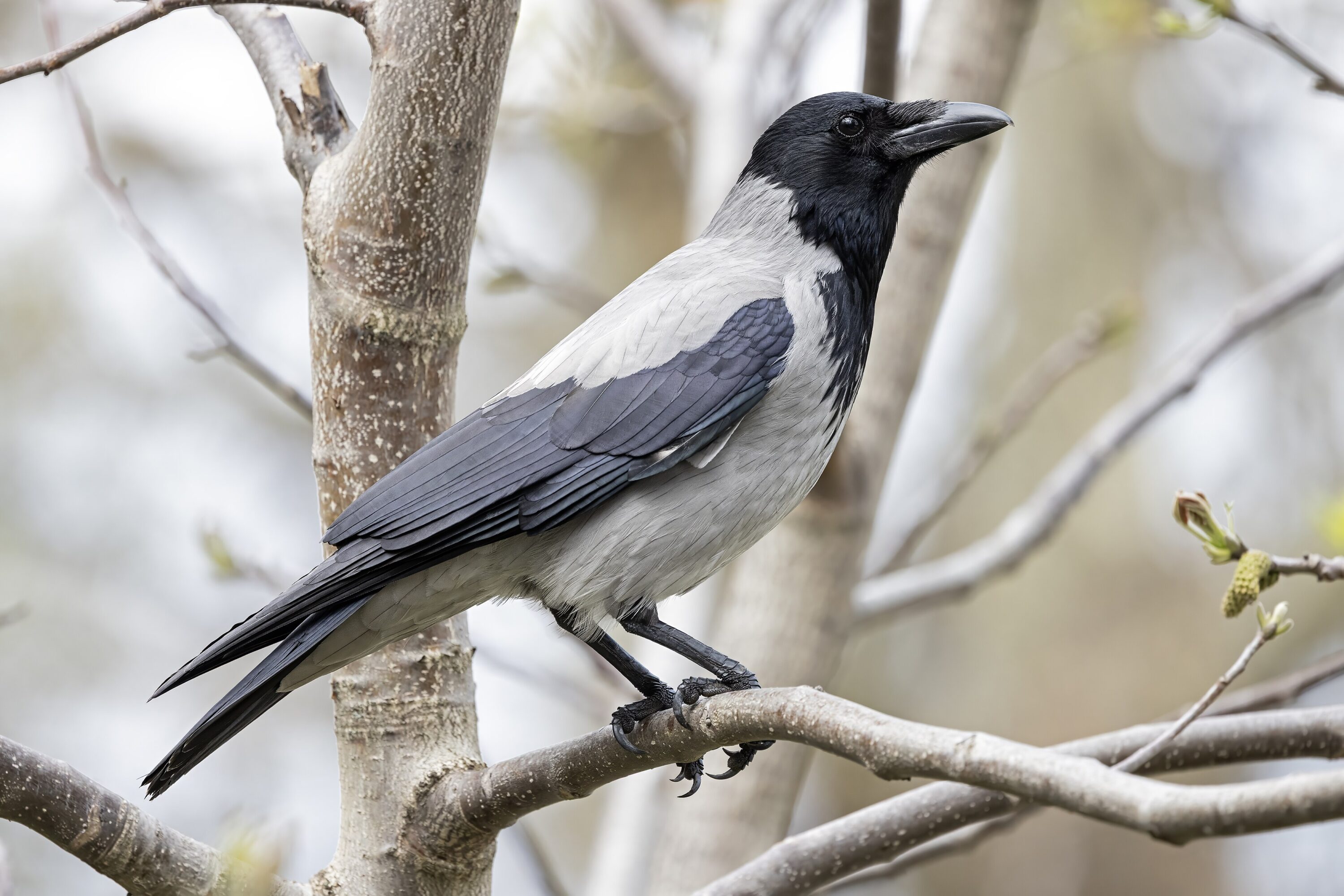
Hooded Crows Were Linked to 87 Reported West Nile Virus Bird Outbreaks in Europe
The September ECDC–EFSA report linked hooded crows to 87 reported West Nile virus bird outbreaks, Eurasian magpies to…
Read story →SPECIES IN THIS STORY
Species in this story
Independent research and conservation news archive
Did you find this information useful?
Wildlife Vagabond is independently built and maintained. Voluntary support helps cover source verification, hosting and continued work on research and conservation news.
Support Wildlife VagabondThe news archive will remain freely available.