
Antimicrobial resistance genes were detected in 74% of Costa Rican coyote samples
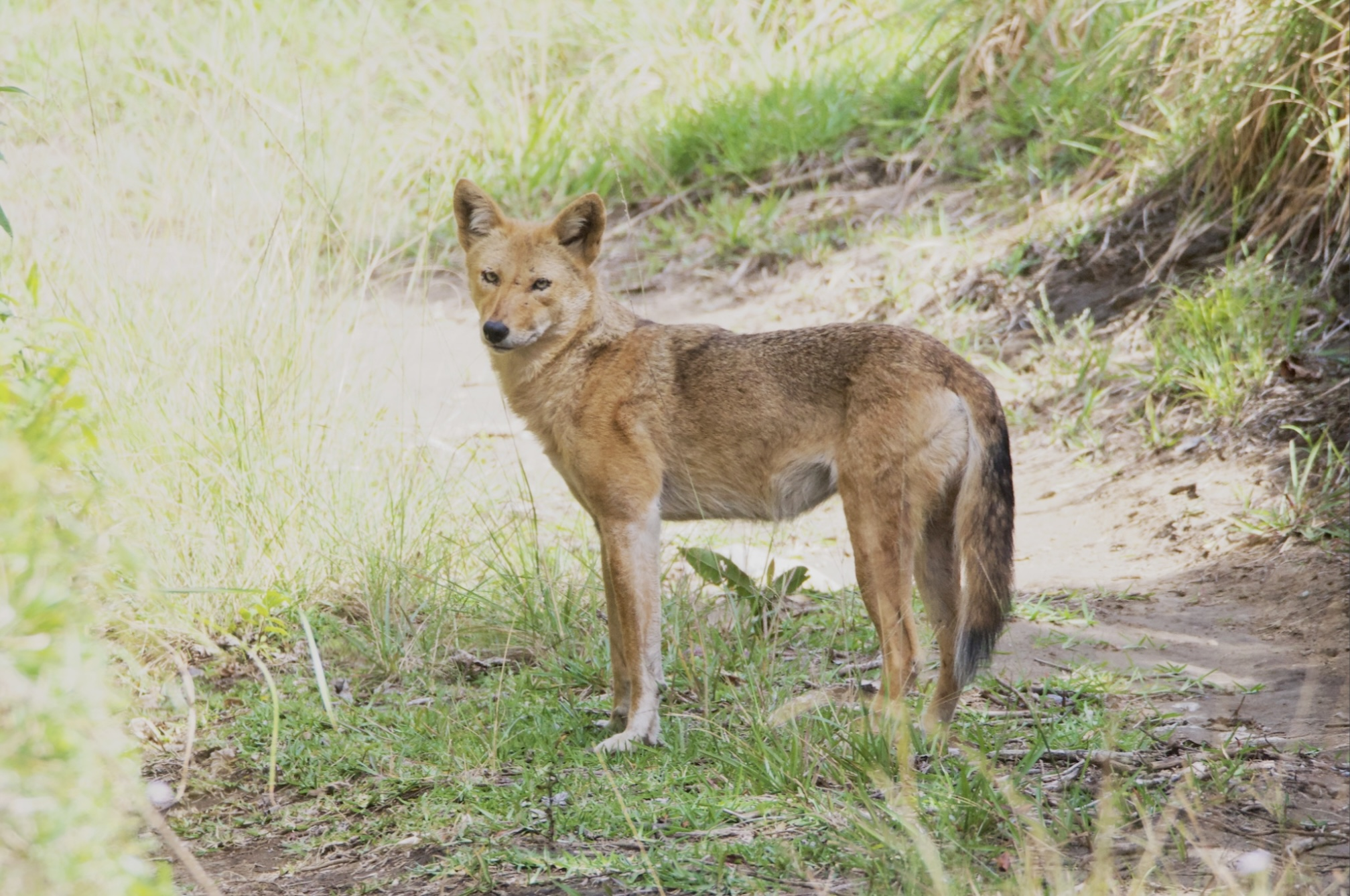
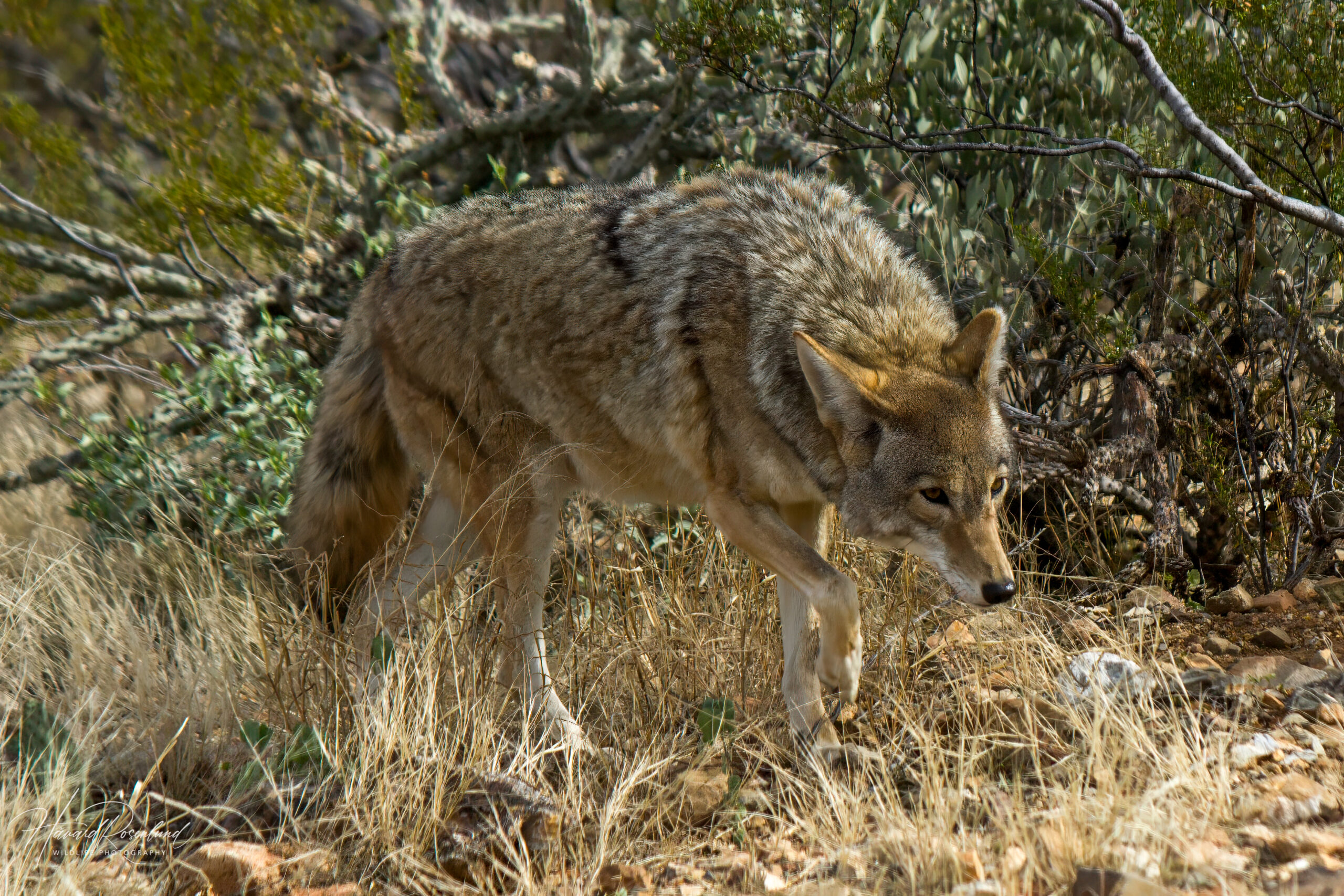
A study of wild coyotes (Canis latrans) in Costa Rica has found widespread antimicrobial resistance genes in their fecal microbiomes. These genes are pieces of microbial DNA that can help bacteria or other microorganisms withstand antibiotics. Detecting them in fecal microbial DNA shows that the gut microbiome carried resistance-related genetic material; it does not by itself show that the coyote was ill or had an active antibiotic-resistant infection. The study, published online on 4 May 2026 in One Health, detected multidrug-resistance gene combinations in 26 of 35 genetically confirmed coyote scat samples.
Researchers collected fecal samples in the Guanacaste Conservation Area and the Central Conservation Area between March and August 2022. Because scat in the field can be difficult to assign confidently to species, they first used mitochondrial DNA to confirm which samples came from coyotes.
Resistance genes were common in confirmed coyote samples
The team then screened microbial DNA in the confirmed samples for nine antimicrobial resistance genes. Seventy-four per cent of the samples contained combinations interpreted by the authors as multidrug-resistant microbiomes. Several genes associated with resistance to sulfonamides, tetracyclines and chloramphenicol were among the most frequently detected.
Human proximity matched higher resistance-gene prevalence
Resistance-gene prevalence differed between the two conservation areas. The Central Conservation Area, which is closer to more densely populated human landscapes, had an overall resistance-gene detection rate of 23%, compared with 13% in the Guanacaste Conservation Area. The four most frequently detected genes — sulII, tetQ, tetY and catAI — also differed between the two conservation areas in their abundance and distribution.
The researchers interpret the geographic pattern as consistent with greater human influence on environmental antimicrobial resistance. Coyotes move between protected areas, agricultural land and settlements and can therefore acquire and redistribute microorganisms from different parts of the landscape. The authors propose that this makes the species useful as a sentinel for tracking environmental contamination with resistance genes at the wildlife–human interface.
The sampled coyotes showed low mitochondrial diversity
The study also used coyote mitochondrial DNA to provide preliminary information on population genetics in Costa Rica. Three mitochondrial haplotypes were identified. Both haplotype and nucleotide diversity were relatively low, meaning that the sampled coyotes represented only a few maternal mitochondrial lineages and that those lineages differed little in their DNA sequences. Biologically, this points to limited mitochondrial variation in the sampled animals; the authors describe it as a possible preliminary signal of some degree of relatedness within the sampled population. At the same time, they detected low but measurable genetic differentiation between the two regions. Because the analysis followed maternal lineages in mitochondrial DNA and included 33 usable samples, it cannot by itself establish the population’s overall genetic diversity or degree of relatedness.
The authors present the work as the first documented evidence of antimicrobial resistance genes in coyotes from Costa Rica and Central America. They argue that continued surveillance of both resistance genes and wildlife population genetics could help connect conservation, environmental monitoring and public-health efforts in landscapes where wild carnivores frequently overlap with people and domestic animals.
Disease, parasites & microbiology
Related news
Coyotes Increased Across Illinois Over Four Decades, but County Trends Varied
Four long-running Illinois surveys together showed a statewide coyote increase from 1980–2023, while county-level populations followed more variable…
Read story →
Mange in Coyotes Varied With Urban Density and Habitat Connectivity Across North American Cities
Camera-trap data linked visible mange in coyotes to urban intensity and habitat connectivity at two spatial scales, while…
Read story →
Coyotes Chose Steep Slopes and Stable Soils for Dens in Elk Island National Park
A study of 42 coyote dens in Elk Island National Park found that steep slopes, stable soils and…
Read story →SPECIES IN THIS STORY
Species in this story
Independent research and conservation news archive
Did you find this information useful?
Wildlife Vagabond is independently built and maintained. Voluntary support helps cover source verification, hosting and continued work on research and conservation news.
Support Wildlife VagabondThe news archive will remain freely available.