
Tucson Residents Reported Varying Success With Nonlethal Deterrents for Coyotes, Bobcats and Collared Peccaries
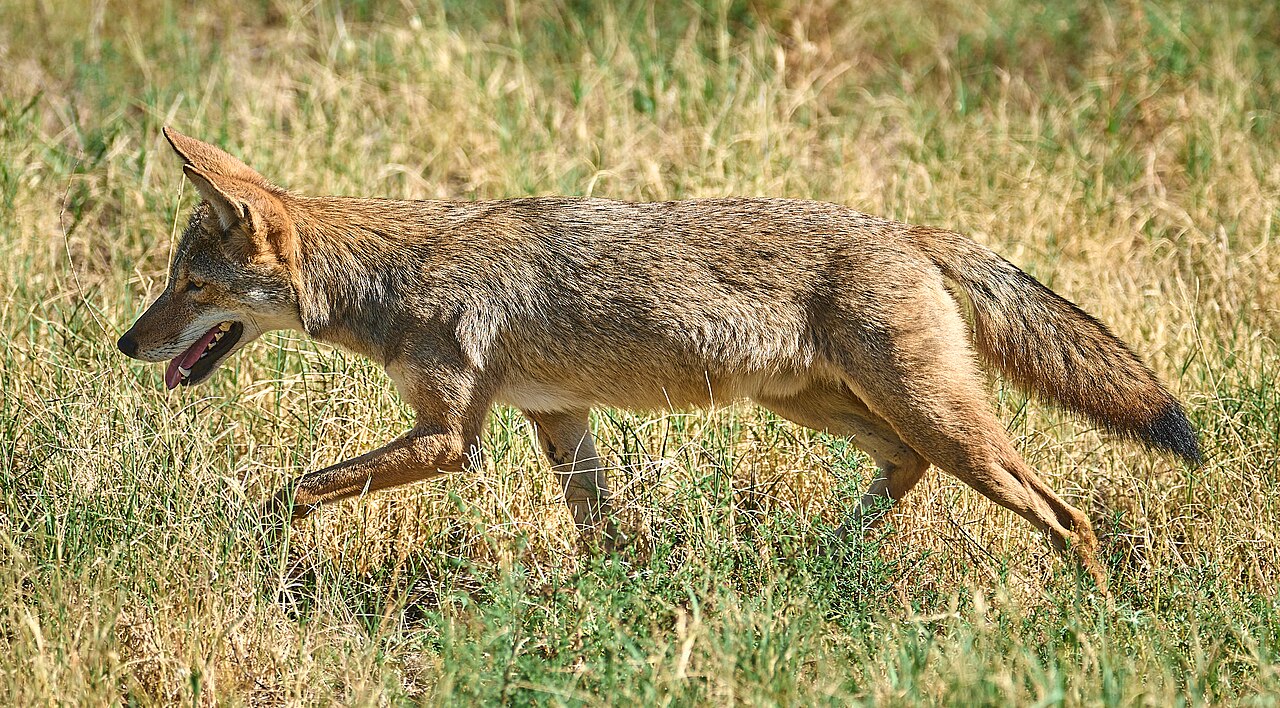
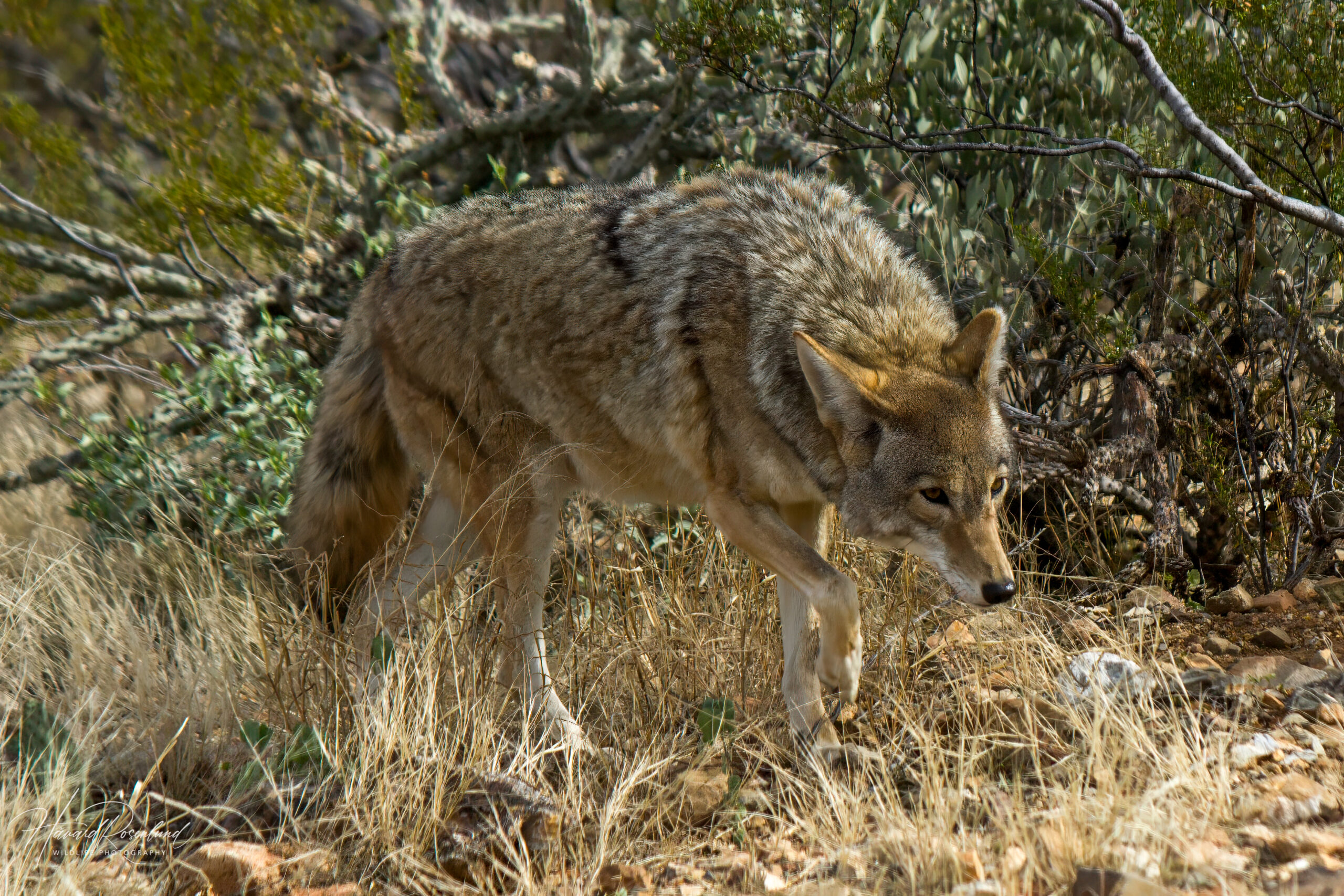
A questionnaire of 360 residents in Tucson, Arizona, USA, found that reported success with nonlethal deterrents varied among coyote (Canis latrans), bobcat (Lynx rufus) and collared peccary (Pecari tajacu). Most respondents viewed all three species positively, and fewer than a quarter of people who had seen each species on their property tried to deter it.
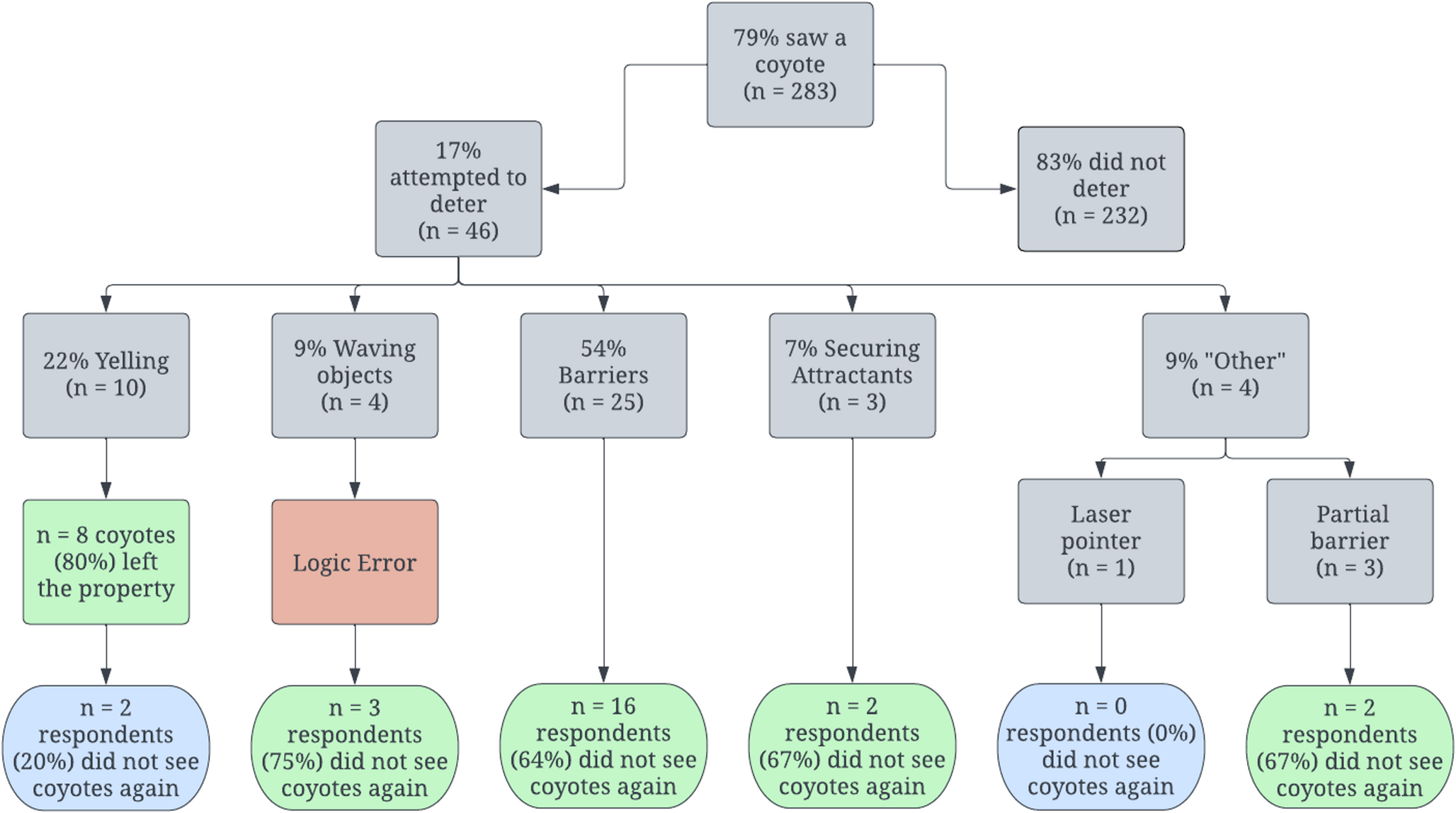
Coyotes had been seen on 79% of respondents’ properties, collared peccaries on 72% and bobcats on 23%. Among people who had encountered each species, 17% tried to deter coyotes, 21% collared peccaries and 11% bobcats.
Residents reported different results from physical barriers
Physical barriers were the most commonly reported deterrent for coyotes and collared peccaries. Of 25 respondents who installed barriers against coyotes, 64% had not seen a coyote on the property again by the time of the survey. Among 29 respondents using barriers against collared peccaries, 52% reported no later sighting.
The bobcat sample was much smaller. Five residents reported using physical barriers, and four later saw a bobcat on the property again. The authors note that bobcats are skilled climbers, but the small sample does not allow a firm estimate of how effective barriers are for the species.
Immediate departure did not always mean lasting deterrence
Yelling at coyotes showed the difference between an immediate response and preventing later visits. Ten respondents reported yelling; eight said the coyote left immediately, but only two had not seen a coyote again by the time of the questionnaire. Other deterrent methods were reported by still fewer residents, limiting comparisons among techniques.
Reasons for deterrence differed among species
Concern for pets was the most common reason for deterring coyotes and was reported by 65% of people who tried. All nine residents who attempted to deter bobcats cited concern for pets. For collared peccaries, damage to landscaping or property was the most common concern, reported by 53% of those who attempted deterrence.
The study found no relationship between the proportion of reported deterrence attempts and the local measures of impervious surface or distance to riparian corridors used in the analysis. Most questionnaire responses came from central Tucson.
The authors conclude that urban wildlife deterrence should be tailored to the ecology of the species involved rather than treated as a single strategy that works equally well for all wildlife. Because relatively few respondents used individual deterrent techniques, the survey provides reported outcomes rather than firm rankings of which methods are most effective.
Human–wildlife conflict
Related news
Coyotes Increased Across Illinois Over Four Decades, but County Trends Varied
Four long-running Illinois surveys together showed a statewide coyote increase from 1980–2023, while county-level populations followed more variable…
Read story →
Mange in Coyotes Varied With Urban Density and Habitat Connectivity Across North American Cities
Camera-trap data linked visible mange in coyotes to urban intensity and habitat connectivity at two spatial scales, while…
Read story →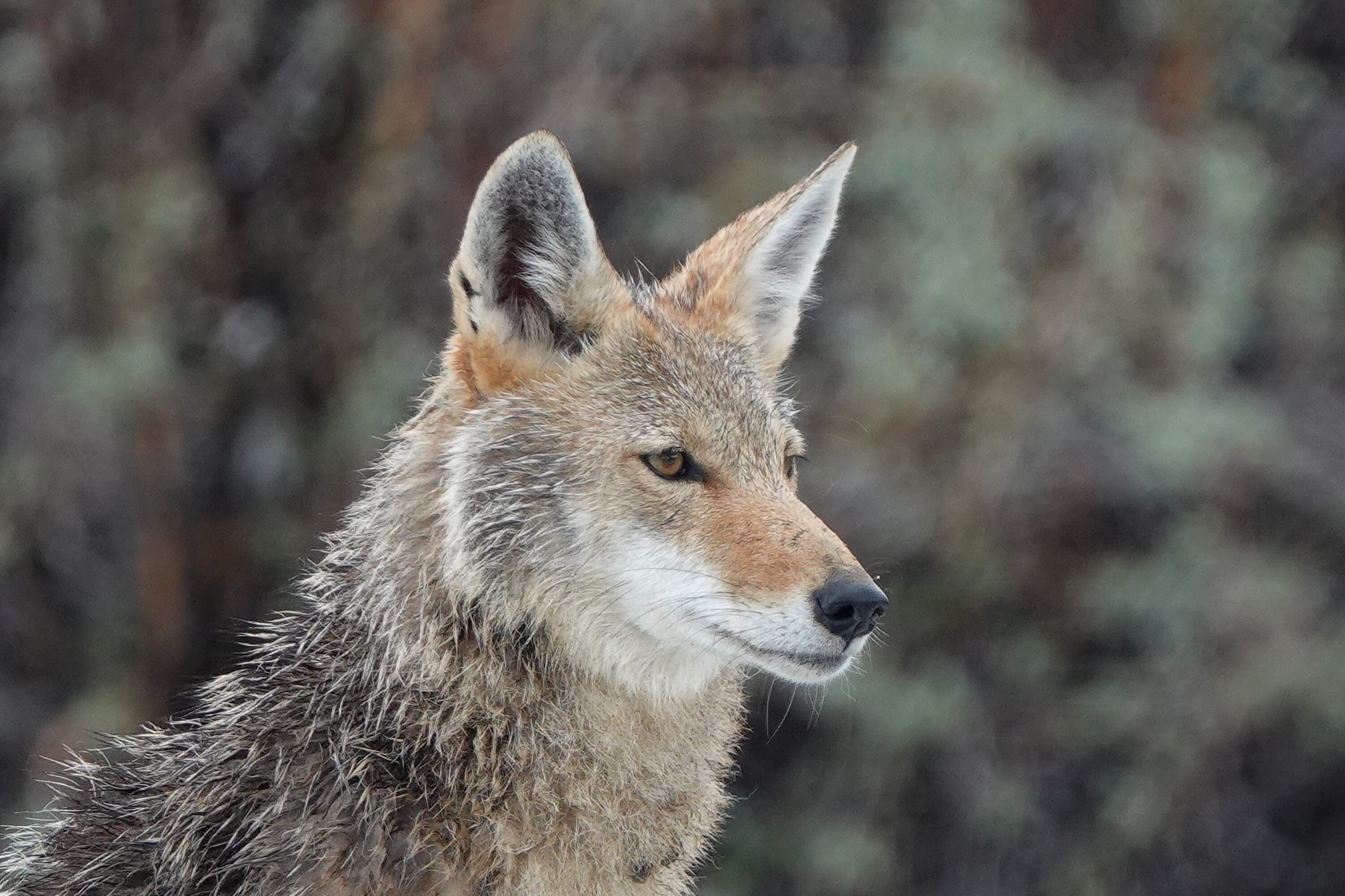
Coyotes Chose Steep Slopes and Stable Soils for Dens in Elk Island National Park
A study of 42 coyote dens in Elk Island National Park found that steep slopes, stable soils and…
Read story →SPECIES IN THIS STORY
Species in this story
Independent research and conservation news archive
Did you find this information useful?
Wildlife Vagabond is independently built and maintained. Voluntary support helps cover source verification, hosting and continued work on research and conservation news.
Support Wildlife VagabondThe news archive will remain freely available.