
Pennsylvania Coyotes Formed a Contact Zone Between Two Genetic Clusters
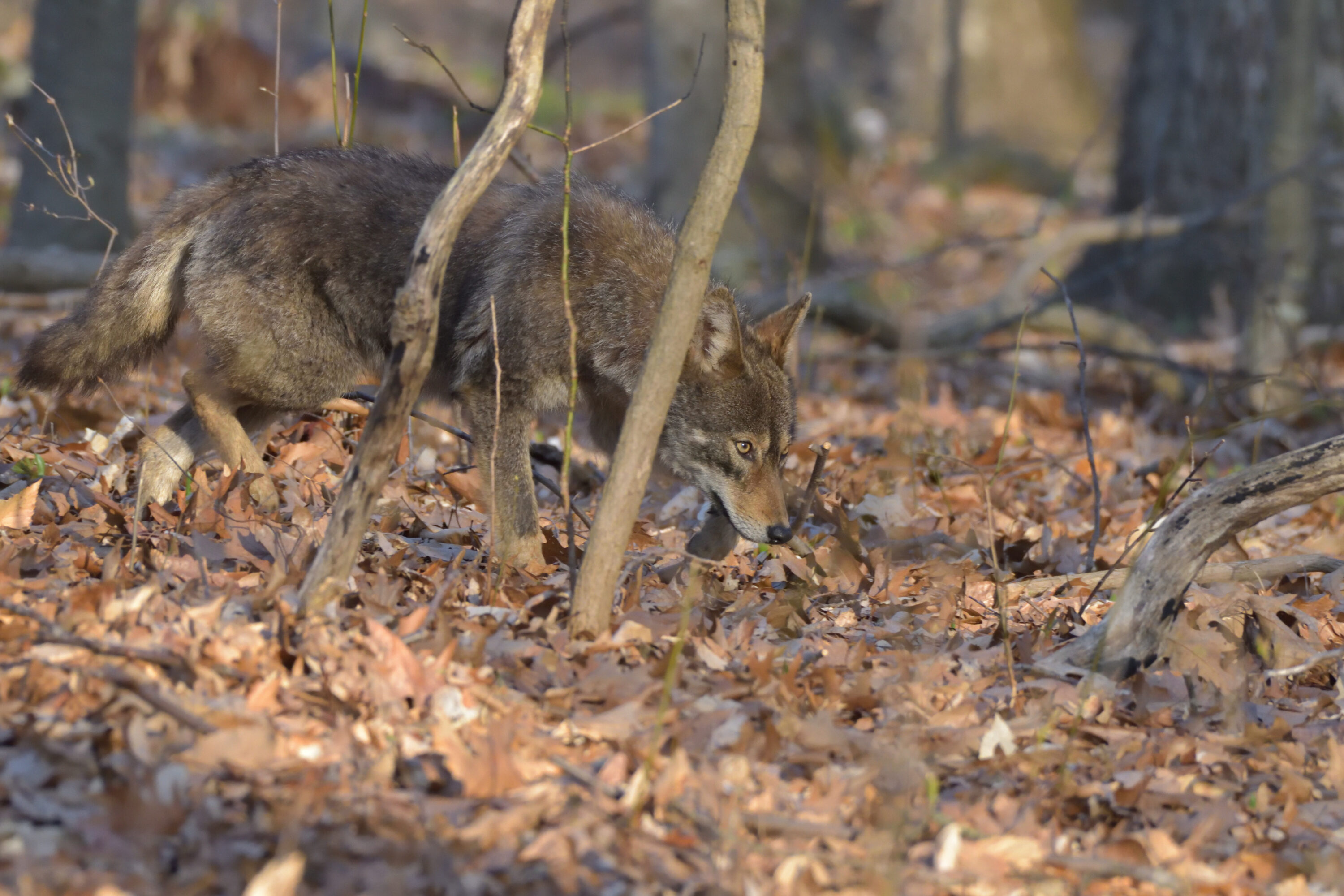
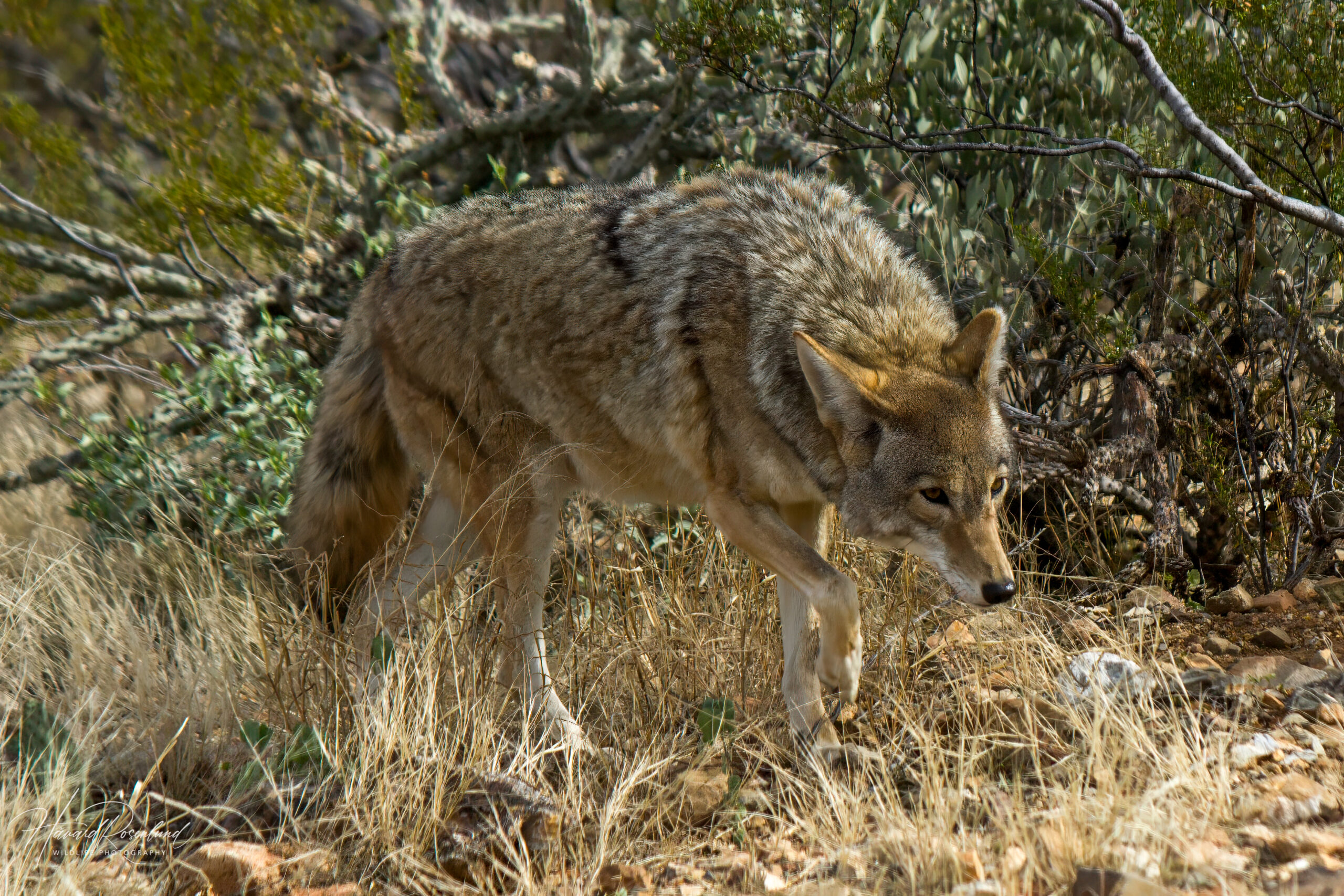
A genome-wide study of coyotes (Canis latrans) in the northeastern United States has identified two subtle but distinct genetic clusters that meet in Pennsylvania, USA. The study, published on 10 March 2026 in Ecology and Evolution, used samples collected over a decade to examine how a highly mobile species can still develop geographic genetic structure.
The researchers analysed genome-wide genetic data from 1,199 coyotes from the northeastern United States, with a particular focus on temporal and spatial patterns in Pennsylvania. Coyotes are capable of dispersing over long distances, and earlier broad-scale studies had found relatively little population structure across much of the species’ range.
Two genetic clusters met in Pennsylvania
Despite that mobility, the new analysis detected two genetic groups separated by a weak transition, or cline. Pennsylvania lay within the contact zone between them rather than belonging cleanly to one genetic group.
The researchers inferred that the two groups reflect different historical routes by which coyotes expanded eastward. One expansion moved south of the Great Lakes, while another followed a more northerly route towards the northeastern United States. Pennsylvania now appears to be an area where descendants of these expansion fronts meet and exchange genes.
The spatial division also aligned qualitatively with patterns of human population density and activity. The authors conclude that human-modified landscapes may contribute to fine-scale genetic structure even in a species with high dispersal capacity.
No robust temporal shift in morphology was detected
Body measurements differed only modestly between the genetic clusters, and the researchers found no robust temporal change in morphology during the period studied. A weak tendency towards increasing body mass was detected among males in southwestern Pennsylvania, but the authors did not describe this as a strong temporal shift.
Despite extensive dispersal, population structure remained detectable, with Pennsylvania forming a contact zone between descendants of two eastward expansion routes.
Genetics & genomics
Related news
Coyotes Increased Across Illinois Over Four Decades, but County Trends Varied
Four long-running Illinois surveys together showed a statewide coyote increase from 1980–2023, while county-level populations followed more variable…
Read story →
Mange in Coyotes Varied With Urban Density and Habitat Connectivity Across North American Cities
Camera-trap data linked visible mange in coyotes to urban intensity and habitat connectivity at two spatial scales, while…
Read story →
Coyotes Chose Steep Slopes and Stable Soils for Dens in Elk Island National Park
A study of 42 coyote dens in Elk Island National Park found that steep slopes, stable soils and…
Read story →SPECIES IN THIS STORY
Species in this story
Independent research and conservation news archive
Did you find this information useful?
Wildlife Vagabond is independently built and maintained. Voluntary support helps cover source verification, hosting and continued work on research and conservation news.
Support Wildlife VagabondThe news archive will remain freely available.