
South Florida Coyotes Shifted From Animal Food in the Dry Season to Vegetation in the Wet Season
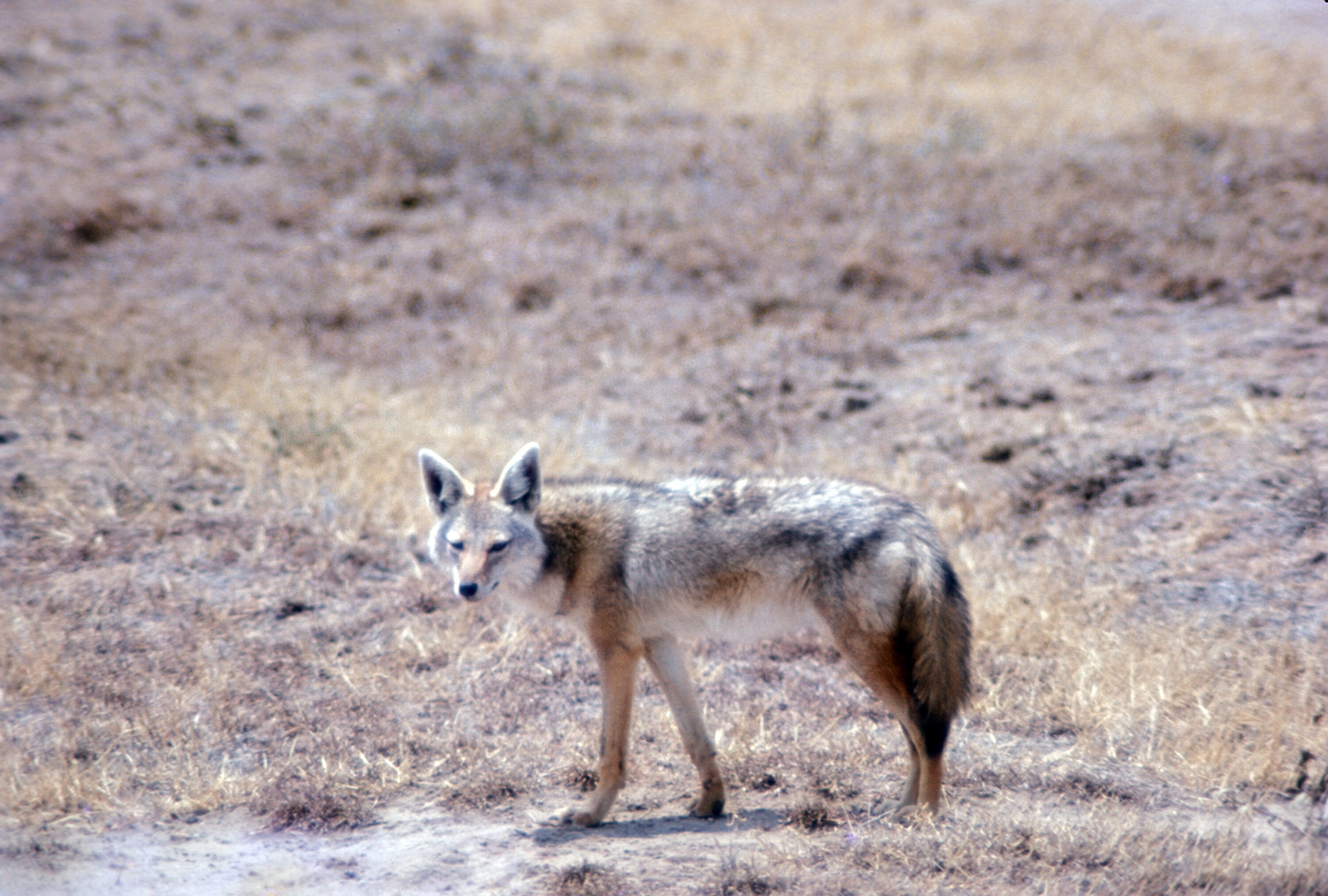
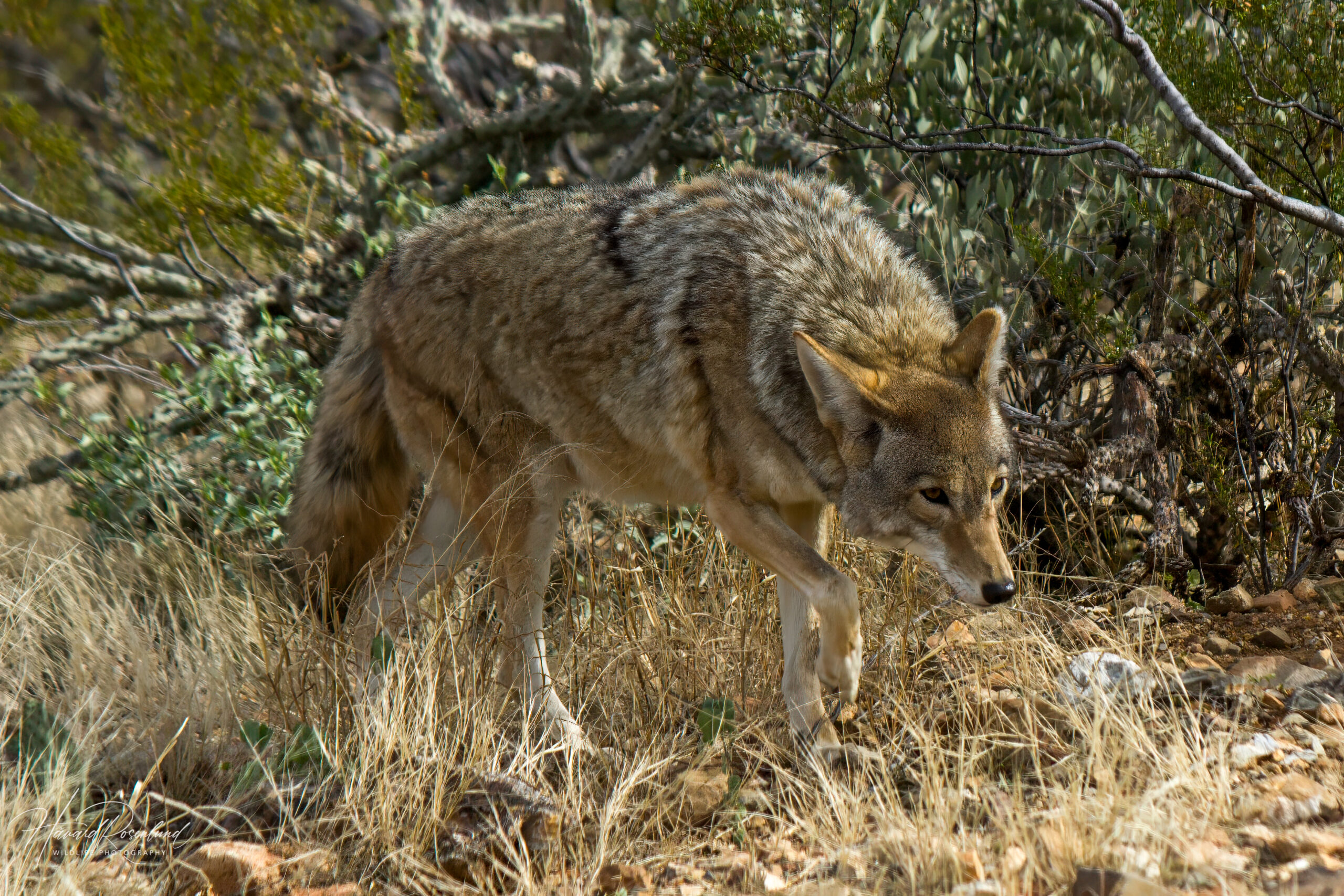
Coyotes (Canis latrans) living in an urban and suburban landscape in South Florida, USA changed their diet markedly with the seasons. A year-long study at the Montgomery Botanical Center in Miami-Dade County found more animal-derived food in the dry season and more vegetation in the wet season. The study was published on 10 April 2026 in the Journal of Urban Ecology.
Researchers searched established paths twice each week and collected 120 coyote scats containing 231 identifiable food items. Of the scats, 96 were collected in the wet season and 24 in the dry season. The reported percentages describe how often a food type occurred in scats within each season, not the share of total food biomass eaten. The team also used wildlife cameras at fruiting trees, a freshly excavated green iguana (Iguana iguana) nest and a gap beneath the boundary fence between the botanical center and the neighbouring R. Hardy Matheson Preserve.
Vegetation dominated during the wet season
Plant material dominated much of the year. Non-grass vegetation occurred in 80% of all scats and grass in 62%, while palm seeds occurred in 19%. During the wet season from May to October, grass occurred in 75% of scats compared with 8% in the dry season, while other plant material occurred in 88% compared with 42%. Palm seeds were also somewhat more frequent in the wet season, at 23% compared with 13%.
Green iguanas became much more prominent in the dry season
The dry season showed a different pattern. Green iguana remains occurred in 46% of the dry-season scats, compared with 15% during the wet season. Among dry-season scats that contained animal-derived food, 91% contained iguana remains, showing how strongly this prey contributed to the seasonal shift. Across the full year, iguana remains were found in 22% of all samples and appeared in every month in which scat was collected. During the coolest period, all seven January samples contained iguana remains.
Camera observations supported the scat evidence. Coyotes repeatedly visited fruit on the ground, including mangoes, sapodilla, water chestnut and avocado. They also visited an iguana nest on four days and were observed reaching into the burrow. On six occasions in July and August, an adult coyote was photographed carrying a large iguana along the boundary fence.
Other animal food appeared less often. Remains of Indian peafowl (Pavo cristatus) occurred during the birds’ ground-nesting and fledging periods, and blue land crab (Cardisoma guanhumi) appeared in two October samples during a seasonal king tide. No mammal fur was found in any of the 120 scats.
The overall diet composition differed between the wet and dry seasons, while temperature was also linked to the balance between animal and plant foods. The combined pattern was consistent: vegetation was much more frequent in the wetter season, whereas animal food — especially green iguana — became more prominent in the cooler dry season. The authors describe this as evidence of the dietary flexibility that allows coyotes to exploit changing food supplies in newly colonized urban ecosystems in southeastern Florida.
Ecology
Related news
Coyotes Increased Across Illinois Over Four Decades, but County Trends Varied
Four long-running Illinois surveys together showed a statewide coyote increase from 1980–2023, while county-level populations followed more variable…
Read story →
Mange in Coyotes Varied With Urban Density and Habitat Connectivity Across North American Cities
Camera-trap data linked visible mange in coyotes to urban intensity and habitat connectivity at two spatial scales, while…
Read story →
Coyotes Chose Steep Slopes and Stable Soils for Dens in Elk Island National Park
A study of 42 coyote dens in Elk Island National Park found that steep slopes, stable soils and…
Read story →SPECIES IN THIS STORY
Species in this story
Independent research and conservation news archive
Did you find this information useful?
Wildlife Vagabond is independently built and maintained. Voluntary support helps cover source verification, hosting and continued work on research and conservation news.
Support Wildlife VagabondThe news archive will remain freely available.