
Coyotes Scavenged Wolf and Cougar Kills but Faced Different Risks from Each Predator
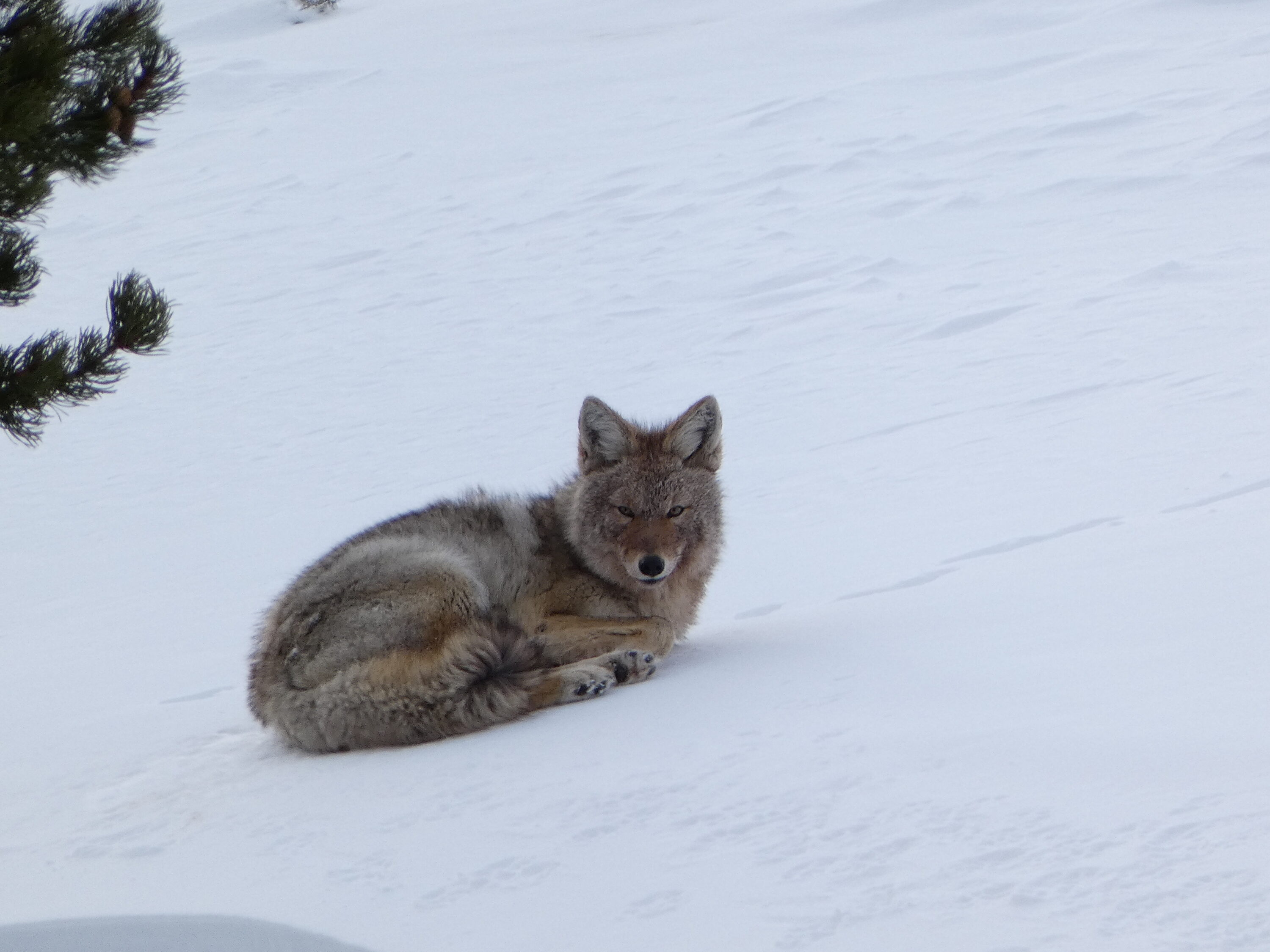
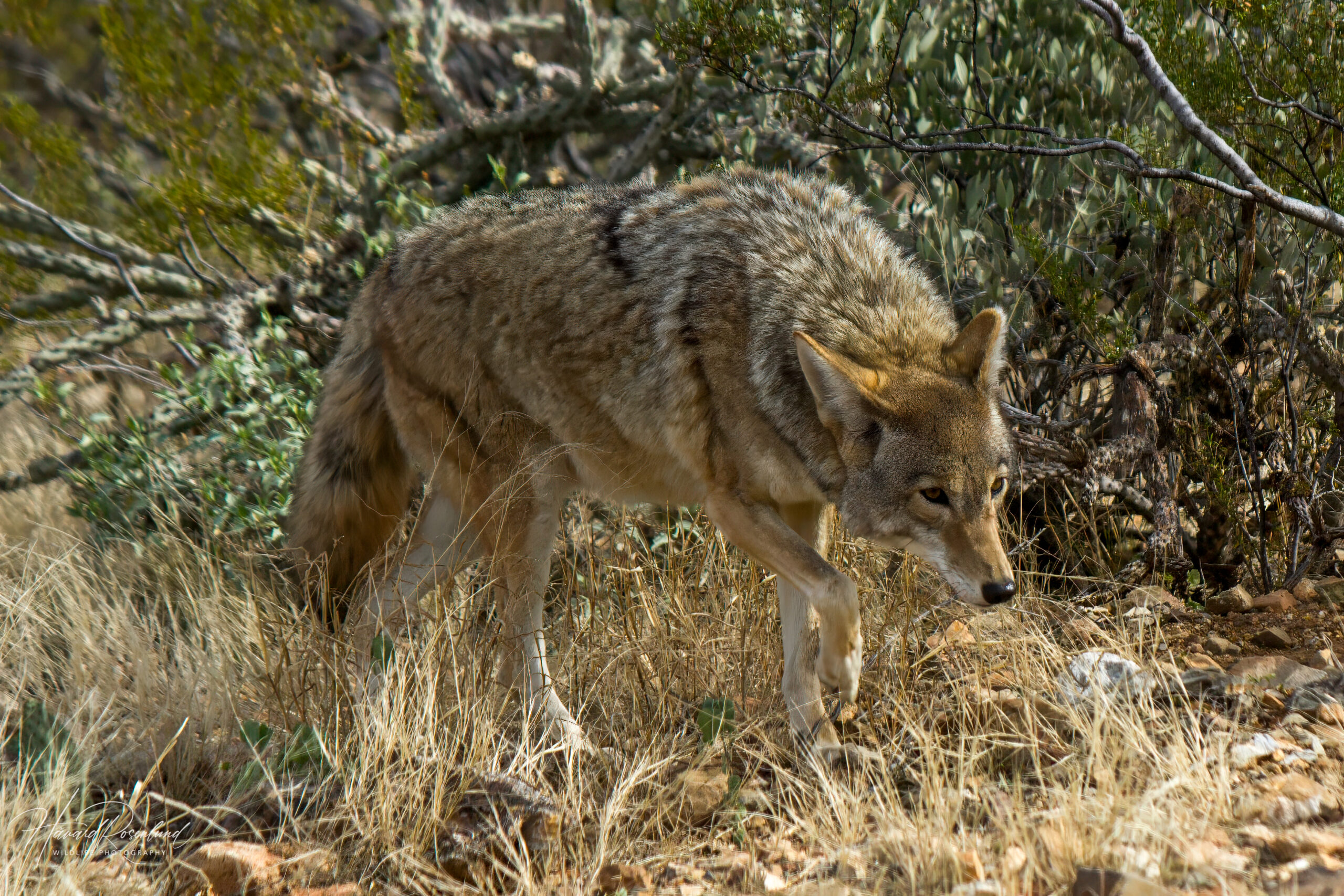
Coyotes (Canis latrans) in northern Yellowstone National Park, USA frequently used kills made by wolves (Canis lupus) and cougars (Puma concolor) as food, but the two apex predators posed very different risks. A study published on 7 March 2026 in Ecology combined remote cameras, GPS telemetry and observations at predator kill sites to examine these interactions.
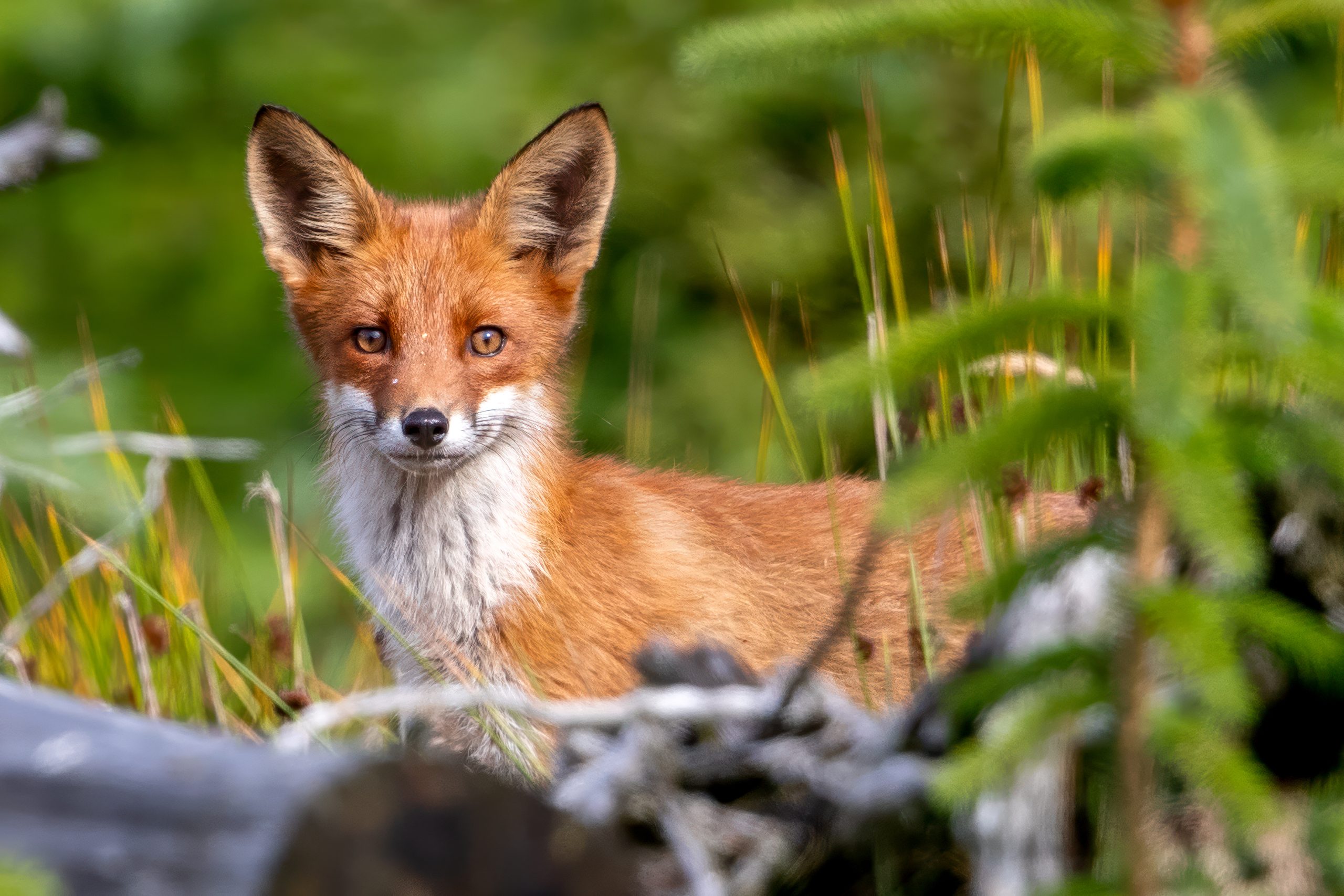
The researchers compared coyotes and red foxes (Vulpes vulpes) in relation to wolves and cougars. Coyote space use was positively associated with wolf presence, while red fox space use was positively associated with cougars. Camera detections of the two smaller carnivores generally doubled within 24 hours after an apex predator was detected, with one notable exception: coyotes did not show the same increase after cougar detections.
Wolf kills offered food but also concentrated lethal competition
Food left at kills was an important part of the relationship. Of 327 monitored wolf kills, coyotes were recorded at 222 (68%), compared with red foxes at 67 (20%). At 257 cougar kills, coyotes appeared at 80 (31%) and red foxes at 46 (18%). This gave coyotes access to concentrated food resources, especially during winter, but also placed them close to much larger carnivores.
The danger differed sharply between wolves and cougars. Wolves killed 18 coyotes during the monitored period, and 11 of those deaths (61%) occurred at wolf feeding sites. Wolves usually did not consume the coyotes they killed, supporting the interpretation that these deaths were mainly linked to competition and defence of carcasses rather than predation for food.
Cougars actively hunted and ate coyotes
Cougars posed a different type of risk. They killed eight coyotes and three red foxes during the monitoring period, and all of those mesocarnivore carcasses were consumed. The researchers therefore interpret these deaths as direct predation. This helps explain why coyote responses to cougar presence differed from their responses to wolves even though coyotes also scavenged cougar kills.
The authors conclude that interactions between apex predators and smaller carnivores cannot be treated as a single type of relationship. For coyotes in Yellowstone, wolf kills can provide food while also creating a high risk of lethal competition, whereas cougars add a direct risk of predation. These species-specific interactions influence how coyotes use space, seek food and navigate a landscape shared with larger carnivores.
Ecology
Related news
Sarcocystis Parasites Were Detected in 69% of Pennsylvania Coyotes
A 2026 study detected Sarcocystis sporocysts in 18 of 26 coyotes from Pennsylvania and identified several parasite lineages,…
Read story →
Wild canids had higher intestinal parasite prevalence than pet dogs in Pennsylvania
A 2026 Pennsylvania study using a 20-parasite qPCR panel found the highest overall intestinal parasite prevalence among wild…
Read story →
Similar Mammal Diversity, Different Activity Patterns in Grazed and Ungrazed Areas
Camera traps in four northern Israeli reserves found similar numbers of mammal species with and without livestock grazing.…
Read story →SPECIES IN THIS STORY
Species in this story
Independent research and conservation news archive
Did you find this information useful?
Wildlife Vagabond is independently built and maintained. Voluntary support helps cover source verification, hosting and continued work on research and conservation news.
Support Wildlife VagabondThe news archive will remain freely available.