
EIFAAC Published Framework for Coordinated European Great Cormorant Management
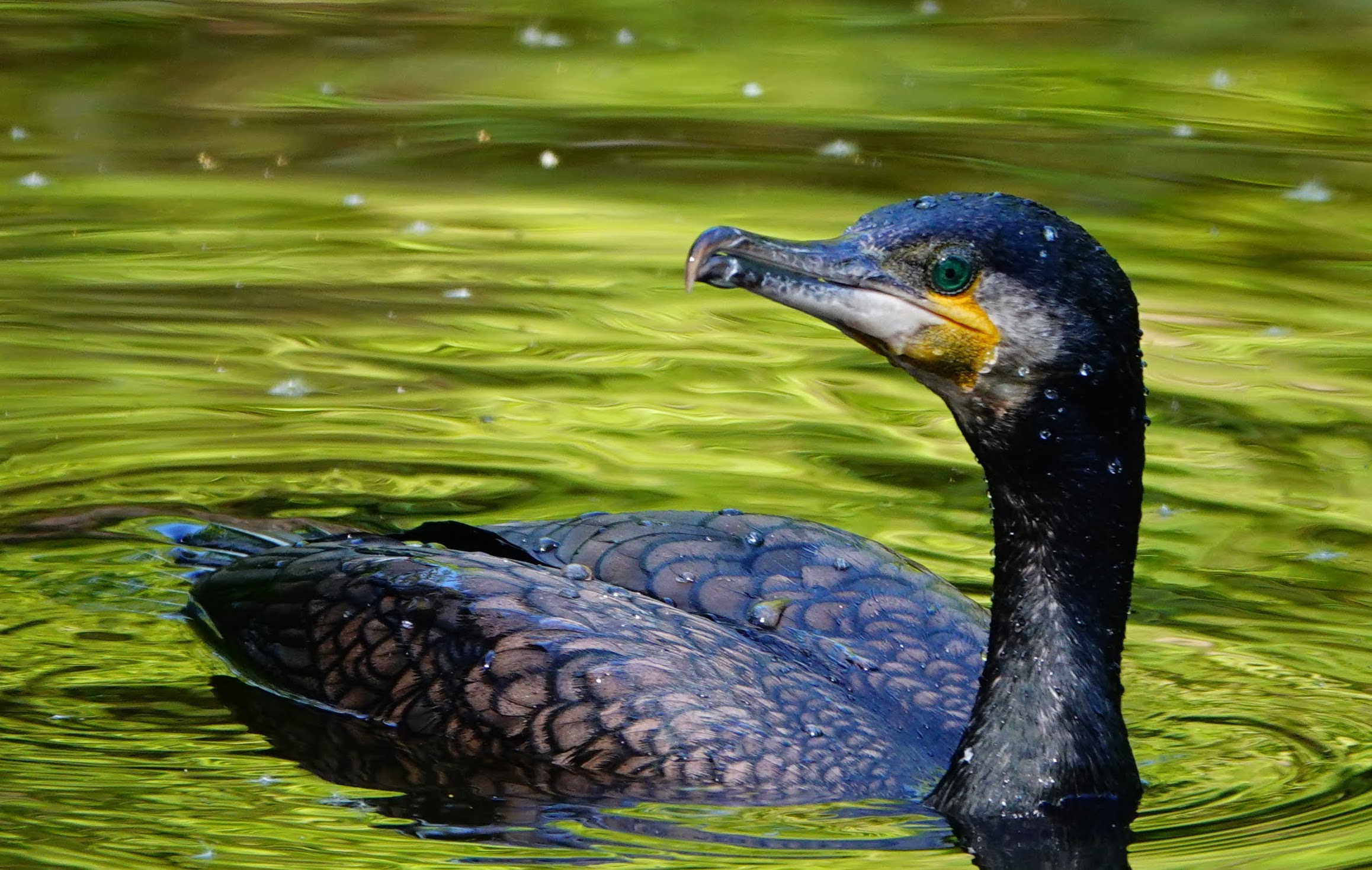
The European Inland Fisheries and Aquaculture Advisory Commission (EIFAAC) published its Framework for a European Management Plan for the great cormorant on 28 May 2026. The document sets out a coordinated, science-based approach for managing conflicts involving great cormorant (Phalacrocorax carbo), fish populations, fisheries and aquaculture across Europe.
The framework is designed to balance the continued favourable conservation status of great cormorants with protection of aquatic biodiversity and fish stocks, as well as the social and economic interests of fisheries and aquaculture. EIFAAC describes it as an adaptive process rather than a single fixed set of control measures.
A five-step management process
The framework lays out five broad stages. These begin with assessing cormorant–fish interactions, economic effects and policy objectives, followed by formulating possible management measures and choosing a course of action. The fourth stage covers implementation, monitoring, cross-border cooperation and compensation for fisheries and aquaculture losses where applicable. The fifth stage is evaluation and adjustment as new information becomes available.
The document also provides for structured stakeholder participation and proposes a Cormorant Management Advisory Group to supply scientific, ecological, social and economic advice. Its intended tasks include harmonising monitoring and reporting, assessing cormorant and fish population trends, and supporting coordinated management between countries.
Published framework, but formal EIFAAC endorsement was still pending
Publication of the framework did not mean that EIFAAC had already formally endorsed it as an adopted management framework. EIFAAC later stated that its members were expected to consider endorsement of the framework and the formal establishment of the advisory group at the commission’s October 2026 session. This institutional endorsement is separate from whether individual management measures are legally binding under European or national law.
Great cormorants are highly mobile and cross national borders, while fish stocks, fisheries and aquaculture interests are managed through many different national systems. The 2026 framework provides a common structure for monitoring, decision-making and adaptation across countries while explicitly retaining conservation of the bird species as part of the management objective.
Management
Related news

Great Cormorants Increased as Southern Baltic Diving Seabirds Stayed 40% Below Early-1990s Levels
A 35-year analysis of Polish Baltic winter surveys found strong growth in great cormorants, while the wider diving-seabird…
Read story →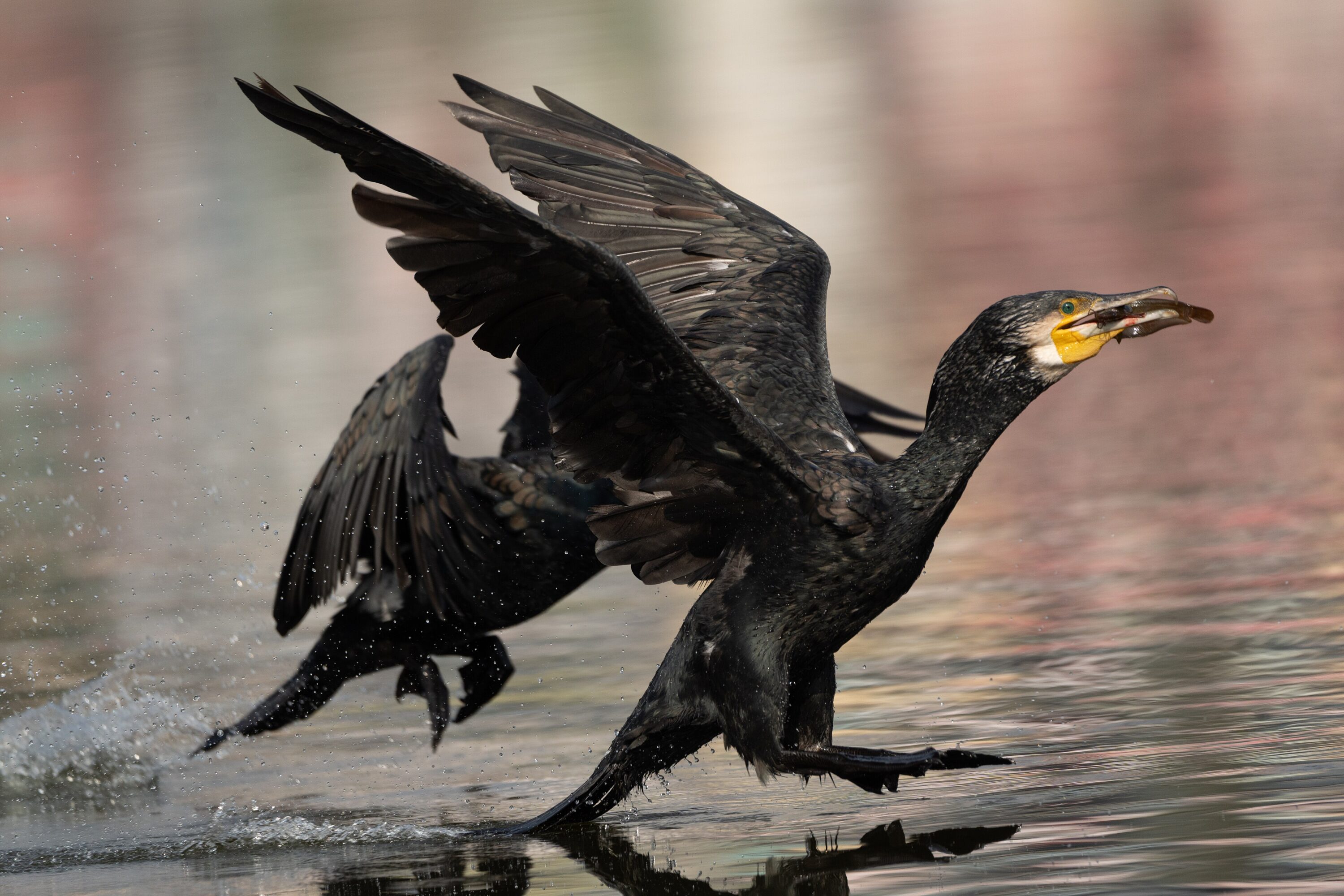
European Inventory Estimated More Than €670 Million in Annual Fish Damage From Great Cormorant Predation
A 2026 European inventory using information from more than 300 organizations estimates annual cormorant-related damage to fish stocks…
Read story →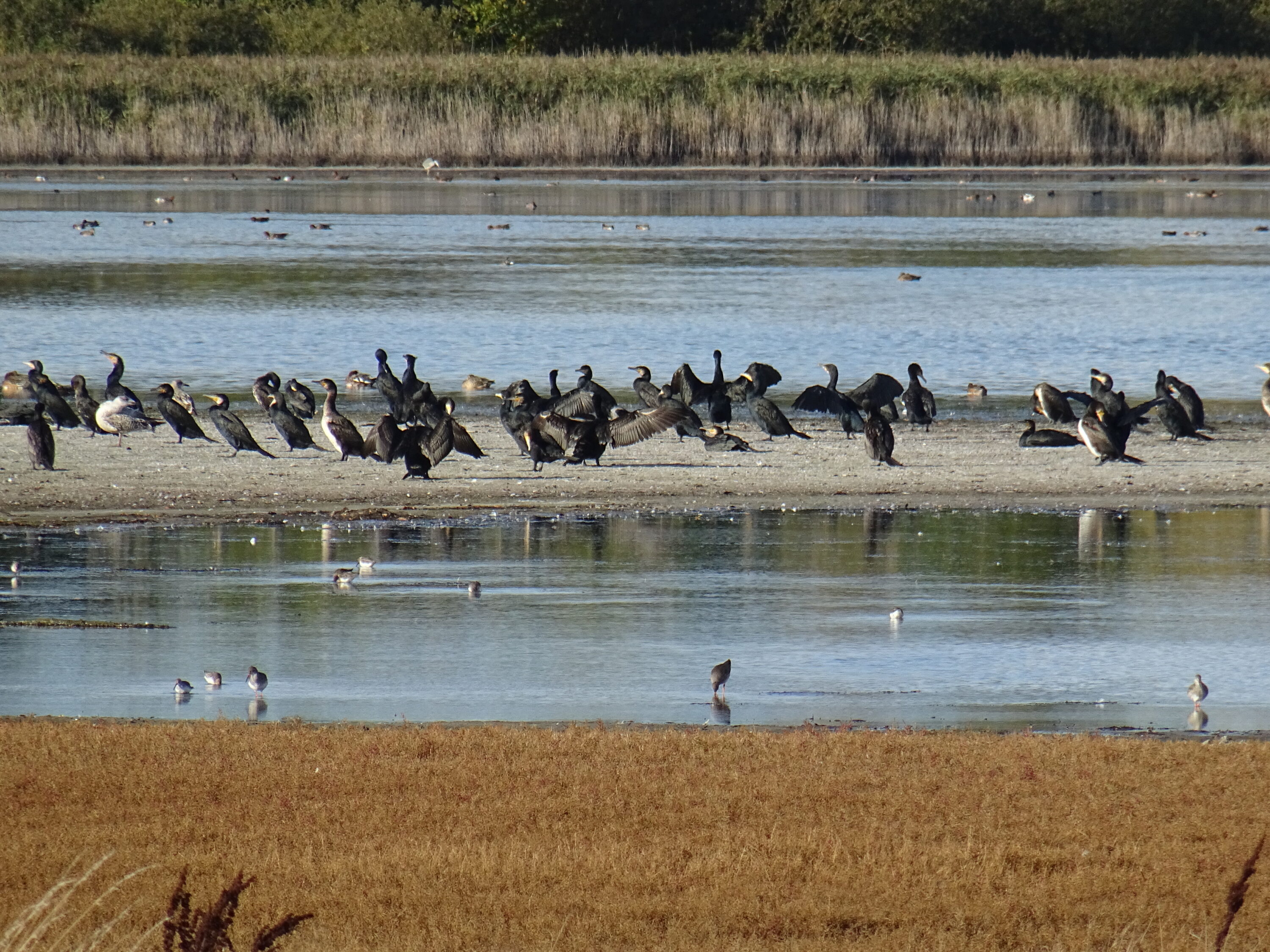
Estimated Great Cormorant Predation Reached 52–88% in Tagged Cod and 14–84% in Tagged Flounder
In Genner Bay, Denmark, a PIT-tag study estimated that great cormorants consumed 52–88% of tagged cod and 14–84%…
Read story →SPECIES IN THIS STORY
Species in this story
Independent research and conservation news archive
Did you find this information useful?
Wildlife Vagabond is independently built and maintained. Voluntary support helps cover source verification, hosting and continued work on research and conservation news.
Support Wildlife VagabondThe news archive will remain freely available.