
Toxoplasma gondii DNA Was Detected in 14% of Magpies in Greece
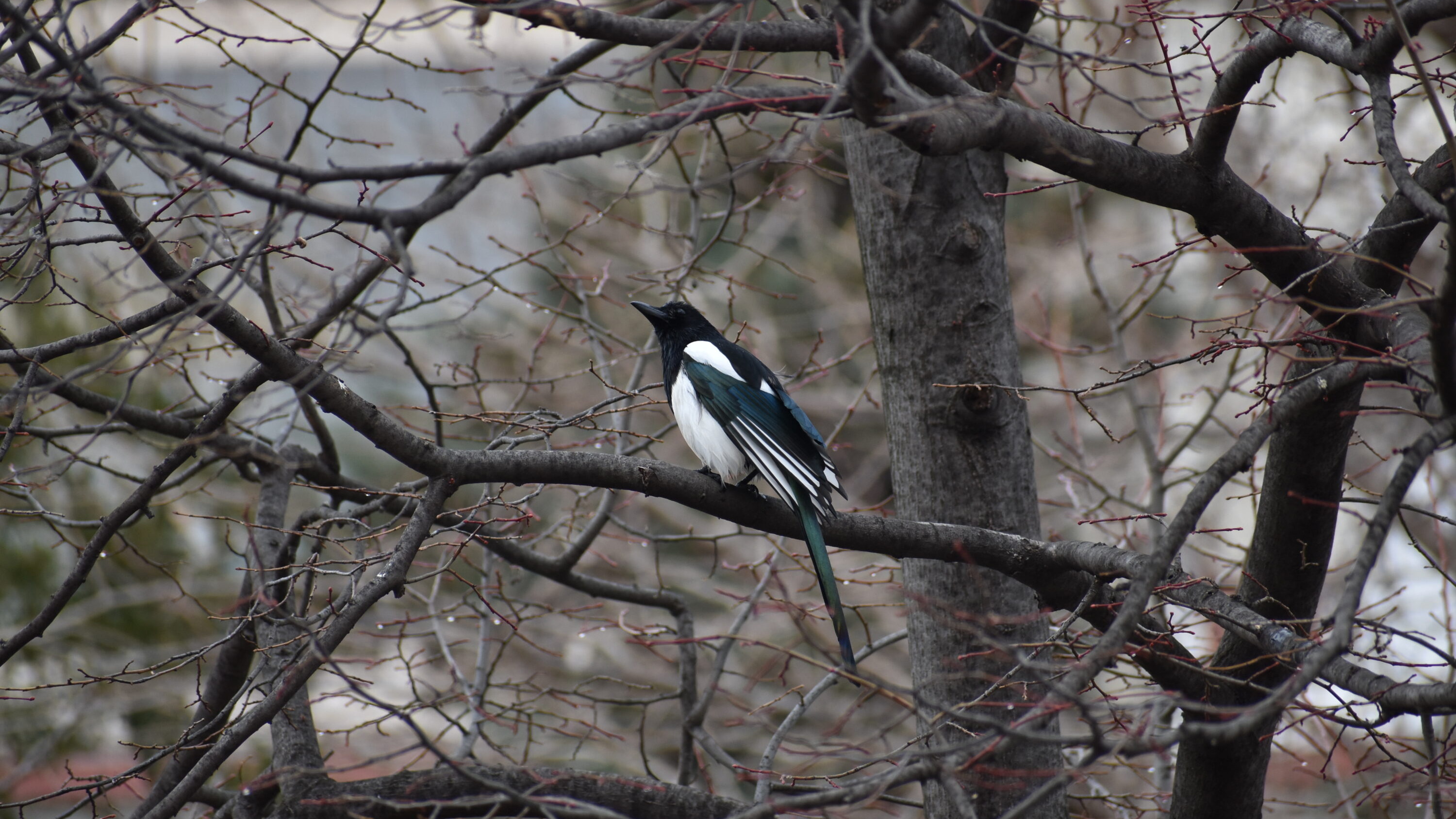
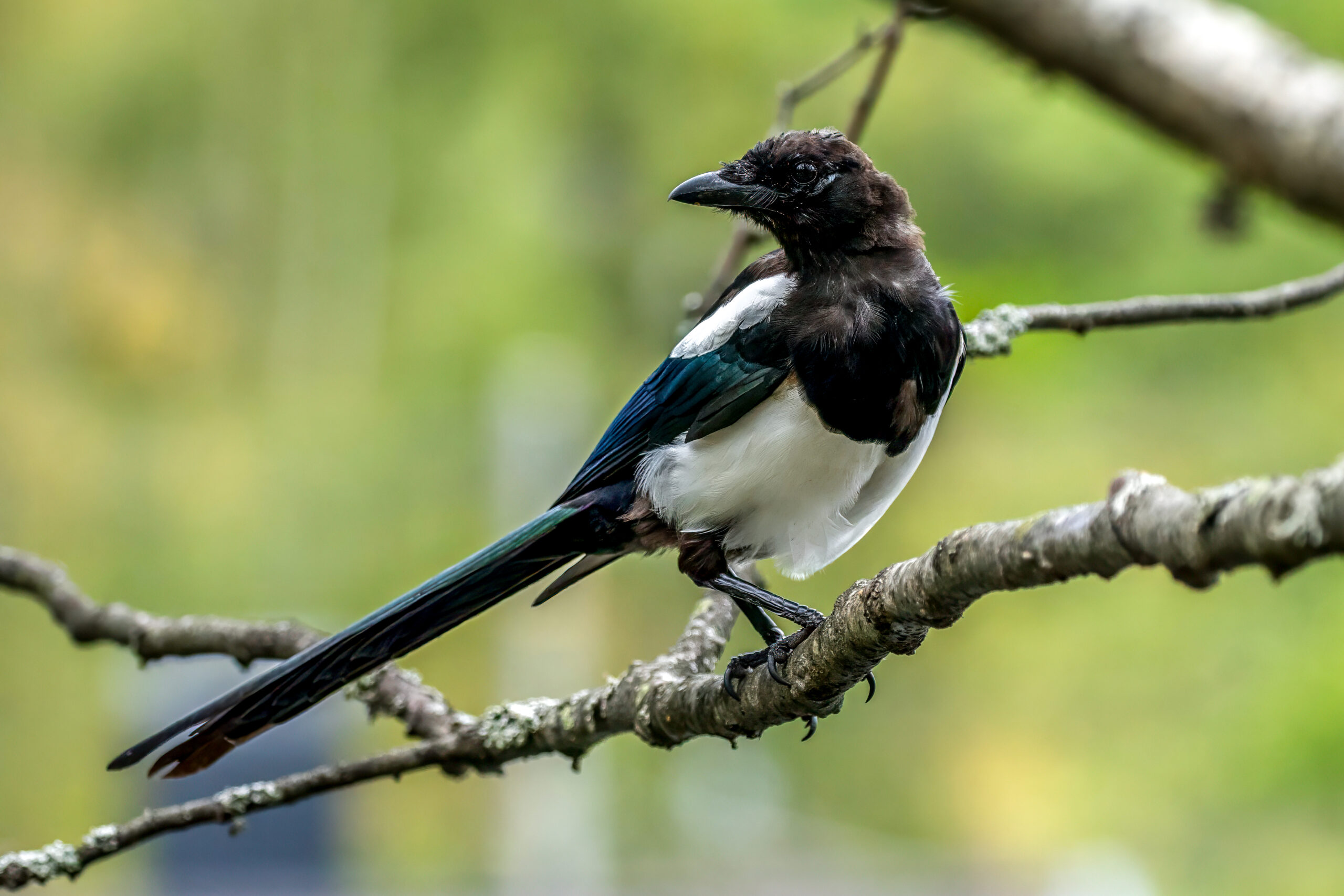
A molecular survey of wild birds in Greece detected Toxoplasma gondii DNA in 14 of 100 eurasian magpies (Pica pica). The study, published online on 28 March 2026 in Parasite Epidemiology and Control, provides the first confirmed report of natural T. gondii infection in magpies in Greece.
T. gondii is a zoonotic parasite that causes toxoplasmosis and can infect many warm-blooded animals, including birds and humans. Wild birds are important intermediate hosts and can act as sentinels of environmental contamination, which is why their infection status is useful beyond the individual birds themselves.
The researchers examined brain tissue from several wild and domestic bird groups to investigate the occurrence of T. gondii. Among the 100 magpies tested, 14 were positive by molecular analysis, corresponding to a prevalence of 14%.
Rock partridges and wild quails were positive too
The survey also included 16 rock partridges (Alectoris graeca graeca), 28 wild common quails (Coturnix coturnix), 20 Eurasian woodcocks (Scolopax rusticola) and 107 farmed quails. Five rock partridges and ten wild quails were positive, while none of the woodcocks or farmed quails tested positive. Across all 271 birds, 29 samples were positive.
Birds act as intermediate hosts for T. gondii. They can acquire the parasite from contaminated soil, water or food, and infected birds can in turn be eaten by felids, which are the definitive hosts. The authors therefore describe wild birds as useful indicators of environmental contamination with the parasite.
The detections in magpies, rock partridges and wild common quails were the first molecular reports of T. gondii in those bird groups in Greece. The rock-partridge result was also, according to the authors, the first confirmed report of natural T. gondii infection in that species worldwide.
Disease, parasites & microbiology
Related news
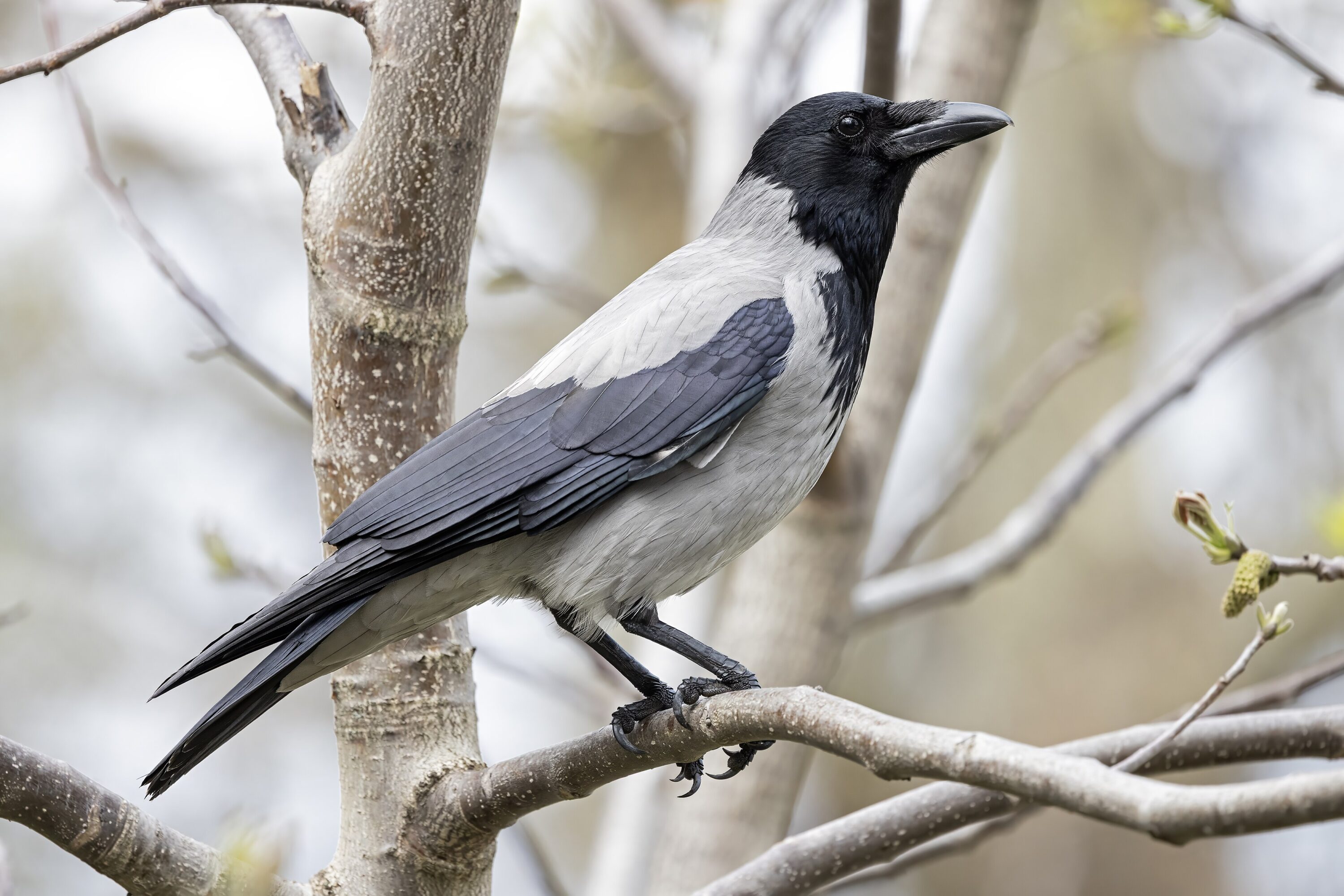
Hooded Crows Were Linked to 87 Reported West Nile Virus Bird Outbreaks in Europe
The September ECDC–EFSA report linked hooded crows to 87 reported West Nile virus bird outbreaks, Eurasian magpies to…
Read story →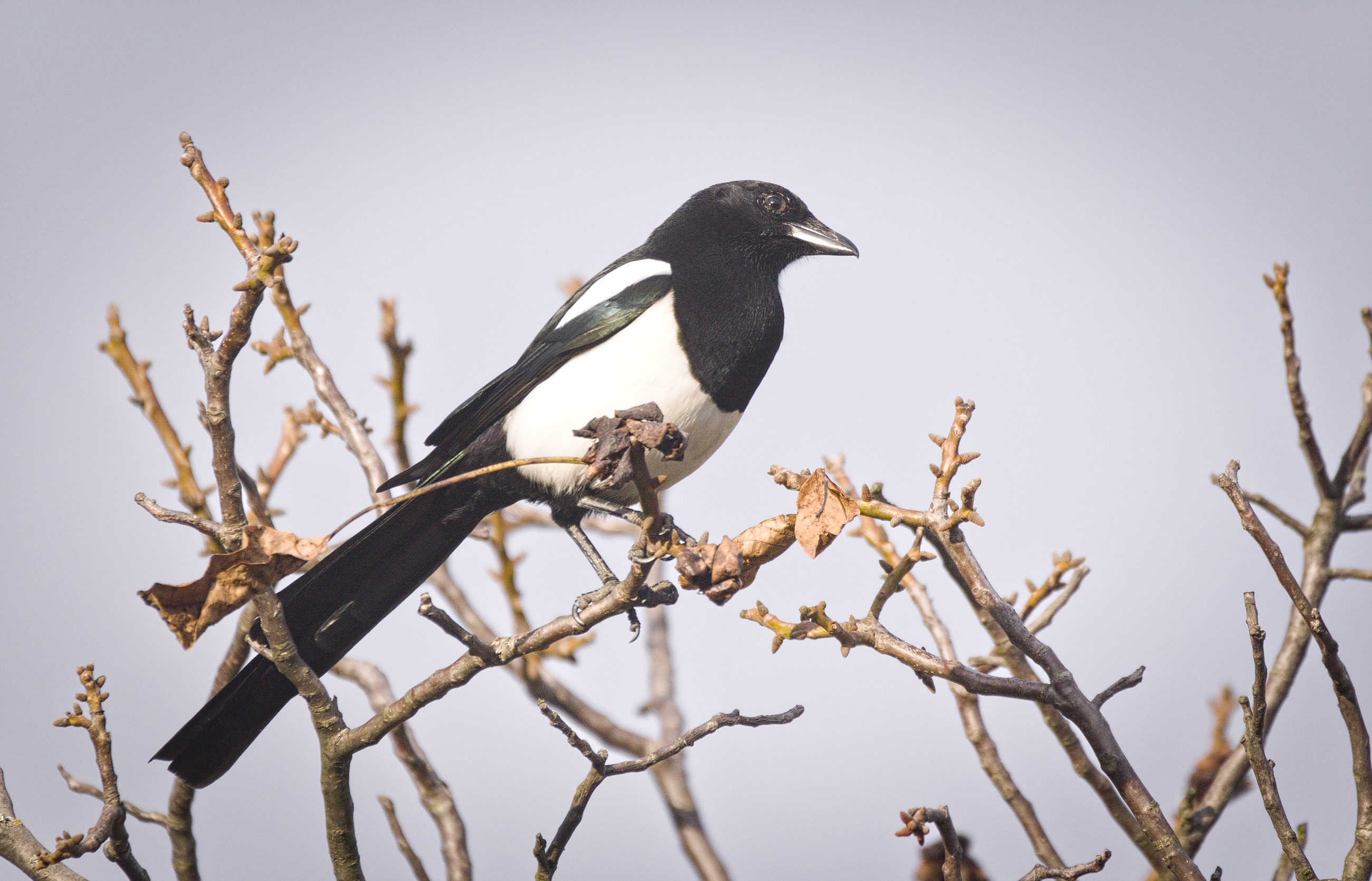
Magpies Dominated Predation on Artificial Pheasant Nests in Polish Urban Sites, Red Foxes in Farmland
Eurasian magpies were the main predator at destroyed artificial pheasant nests in Polish urban sites, while red foxes…
Read story →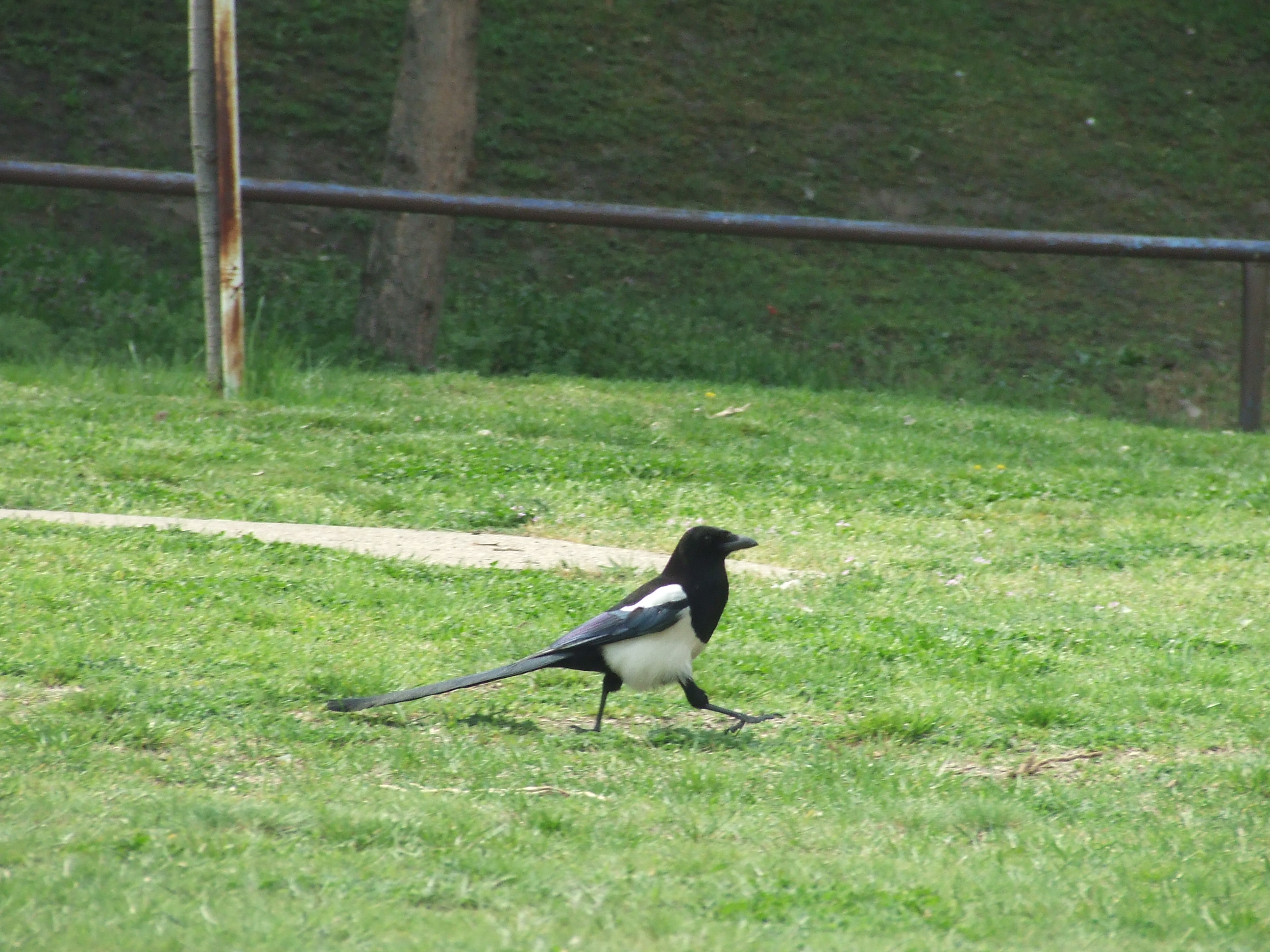
Parasite DNA Was Found in 7% of Eurasian Magpie Brain Samples in Hungary
Brain samples from 273 Eurasian magpies at two sites near urban areas in Hungary contained parasite DNA in…
Read story →SPECIES IN THIS STORY
Species in this story
Independent research and conservation news archive
Did you find this information useful?
Wildlife Vagabond is independently built and maintained. Voluntary support helps cover source verification, hosting and continued work on research and conservation news.
Support Wildlife VagabondThe news archive will remain freely available.