
Exploratory Young Lesser Black-backed Gulls Used Urban Habitats More, but Exploration Did Not Predict Survival
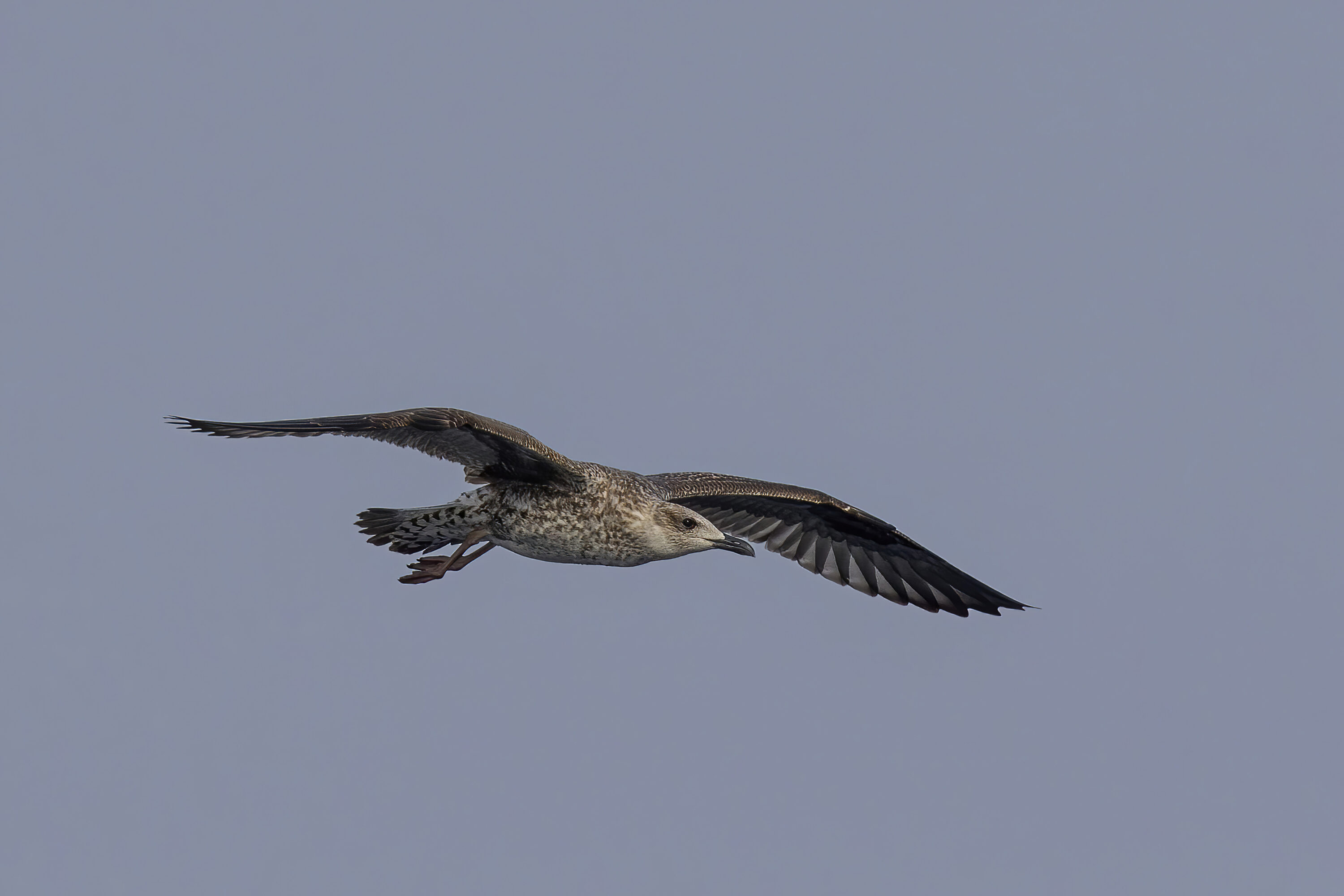
Young lesser black-backed gulls (Larus fuscus) that behaved more exploratively before fledging later used urban habitats more often, while less exploratory individuals relied more on agricultural areas. The study, published on 25 February 2026, was based on birds from the harbour colony at Zeebrugge, Belgium, monitored in 2020 and 2021. The 20-day post-fledging movement dataset included 34 GPS-tagged juveniles; after a further exclusion, the habitat-use models included 30 birds, while the six-month survival analysis included all 51 GPS-tagged juveniles.
The researchers wanted to know whether behavioural differences already visible early in life could predict how inexperienced birds explore their surroundings, choose habitats and survive after fledging. This period is demanding because juveniles must begin finding food and learning the landscape without the experience of adults.
While the gulls were still nestlings, the researchers assessed their exploratory phenotype in a standardised open-field test. After fledging, GPS data from the same birds were used over a 20-day period to measure habitat preferences, spatial movement and revisitation patterns, along with time spent flying, foraging and resting.
Survival was analysed across all 51 GPS-tagged juveniles for six months after fledging, a period that included migration. This allowed the researchers to test whether the early behavioural measure was linked not only to where juveniles went, but also to whether they survived the first months of independent life.
Exploratory birds used cities more
The clearest relationship was with habitat choice. Juveniles that had scored as more exploratory before fledging used urban habitats more frequently after leaving the colony. Birds with less exploratory phenotypes relied more heavily on agricultural habitats.
Early-life exploration did not, however, predict the broader measures of spatial use examined in the study. The researchers therefore found a link with the types of habitats juveniles used, rather than a general tendency for more exploratory birds to range farther or move differently across all spatial measures.
No survival advantage was detected
The six-month survival analysis included 51 juveniles, 29 of which died during the study period. The exploratory phenotype did not predict survival, so more exploratory juveniles were not shown to have either higher or lower survival than less exploratory birds.
The authors discuss several possible reasons for the absence of a survival relationship. Different behavioural types may match themselves to different habitats successfully, random environmental events may outweigh behavioural differences, or the open-field test may not capture the particular aspects of behaviour that matter most for survival.
Behaviour
Related news
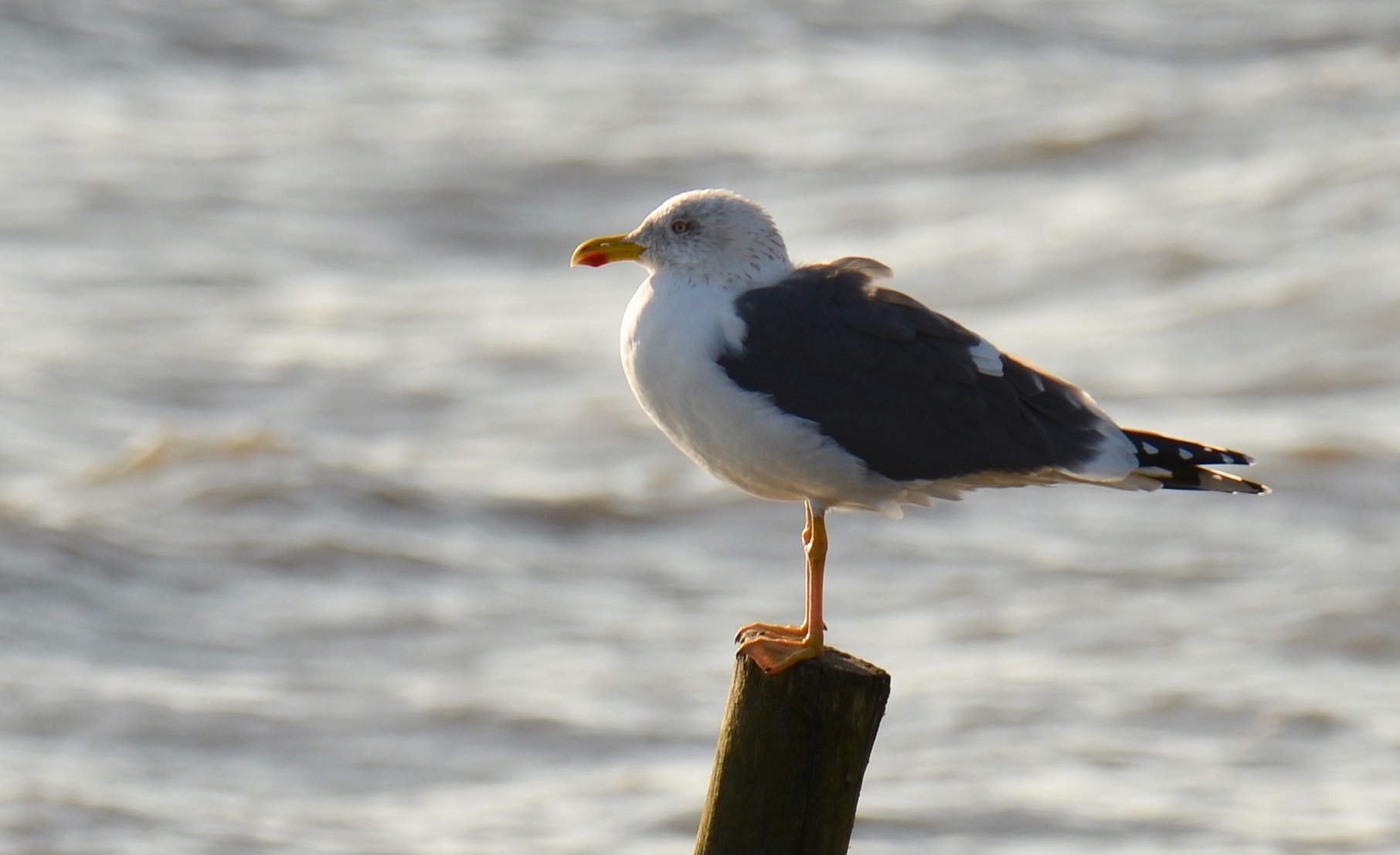
Lesser Black-backed Gulls Made Up 73% of Paresis Cases in Lisbon
A ten-year review of gull admissions from Lisbon and Setúbal found that lesser black-backed gulls dominated paresis cases,…
Read story →
Norwegian Surveillance Found HPAI H5N5 and H5Nx in Common Gulls and Other Influenza A in Lesser Black-backed Gulls
Three common gulls had HPAI H5N5 and one had HPAI H5Nx, while active surveillance separately detected non-H5 influenza…
Read story →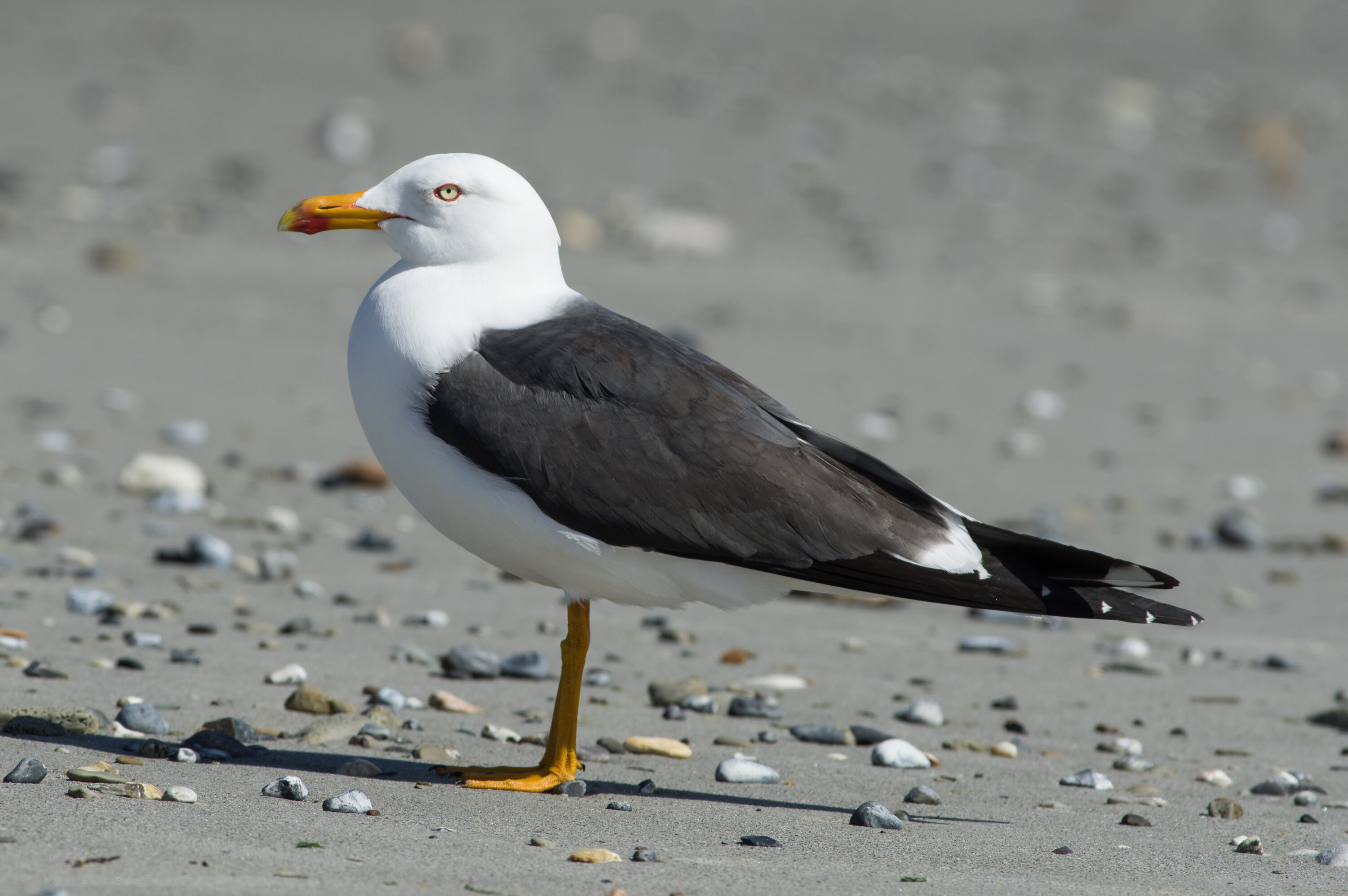
DNA Analysis Found Traces of 71 Species in Lesser Black-backed Gull Diet Samples
A 2026 bioRxiv preprint found DNA traces from 71 species across 61 genera in lesser black-backed gull diet…
Read story →SPECIES IN THIS STORY
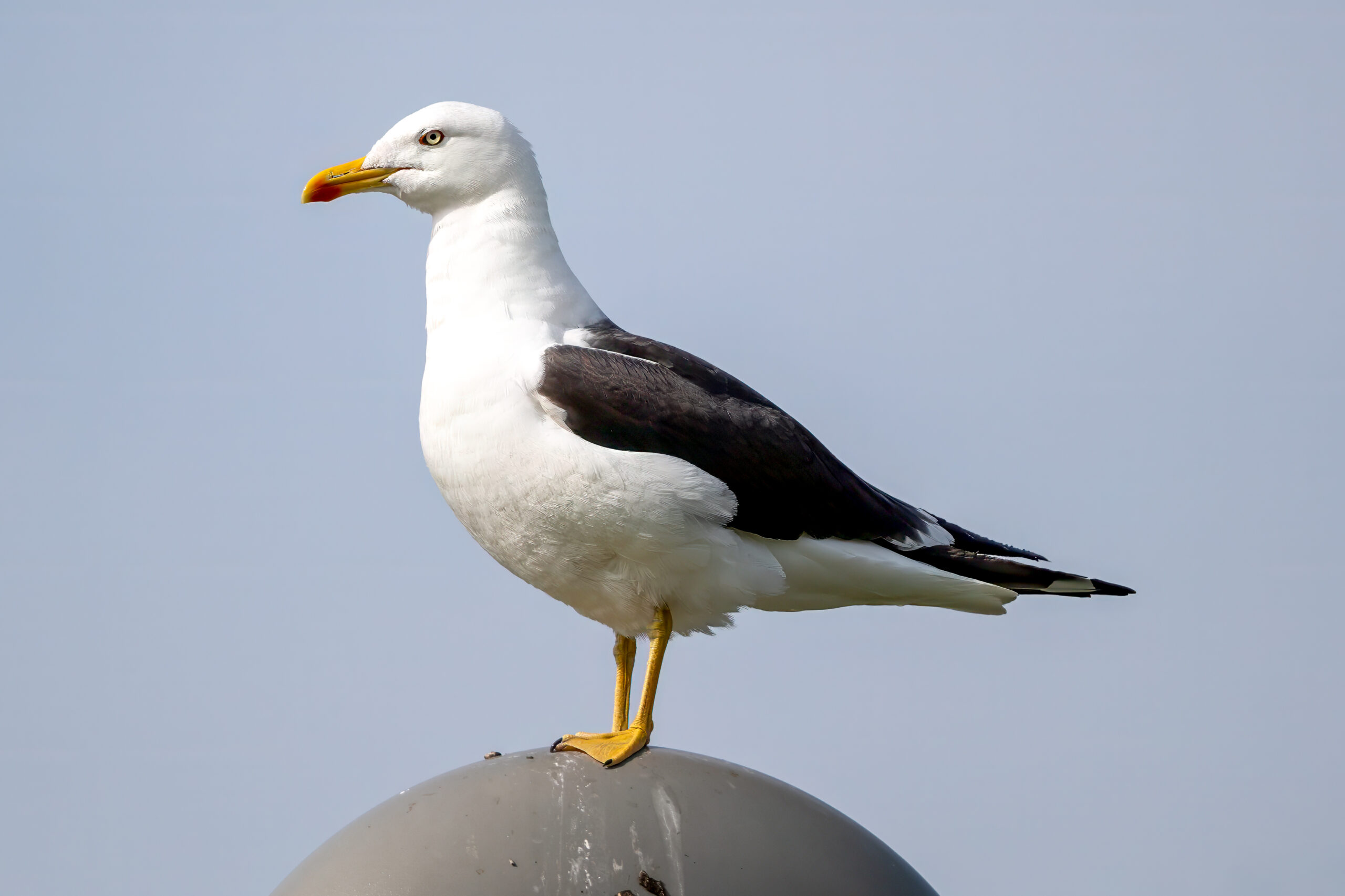
Species in this story
Independent research and conservation news archive
Did you find this information useful?
Wildlife Vagabond is independently built and maintained. Voluntary support helps cover source verification, hosting and continued work on research and conservation news.
Support Wildlife VagabondThe news archive will remain freely available.