
Expressive Faces in Social Interactions Held Rhesus Macaques’ Attention Longer
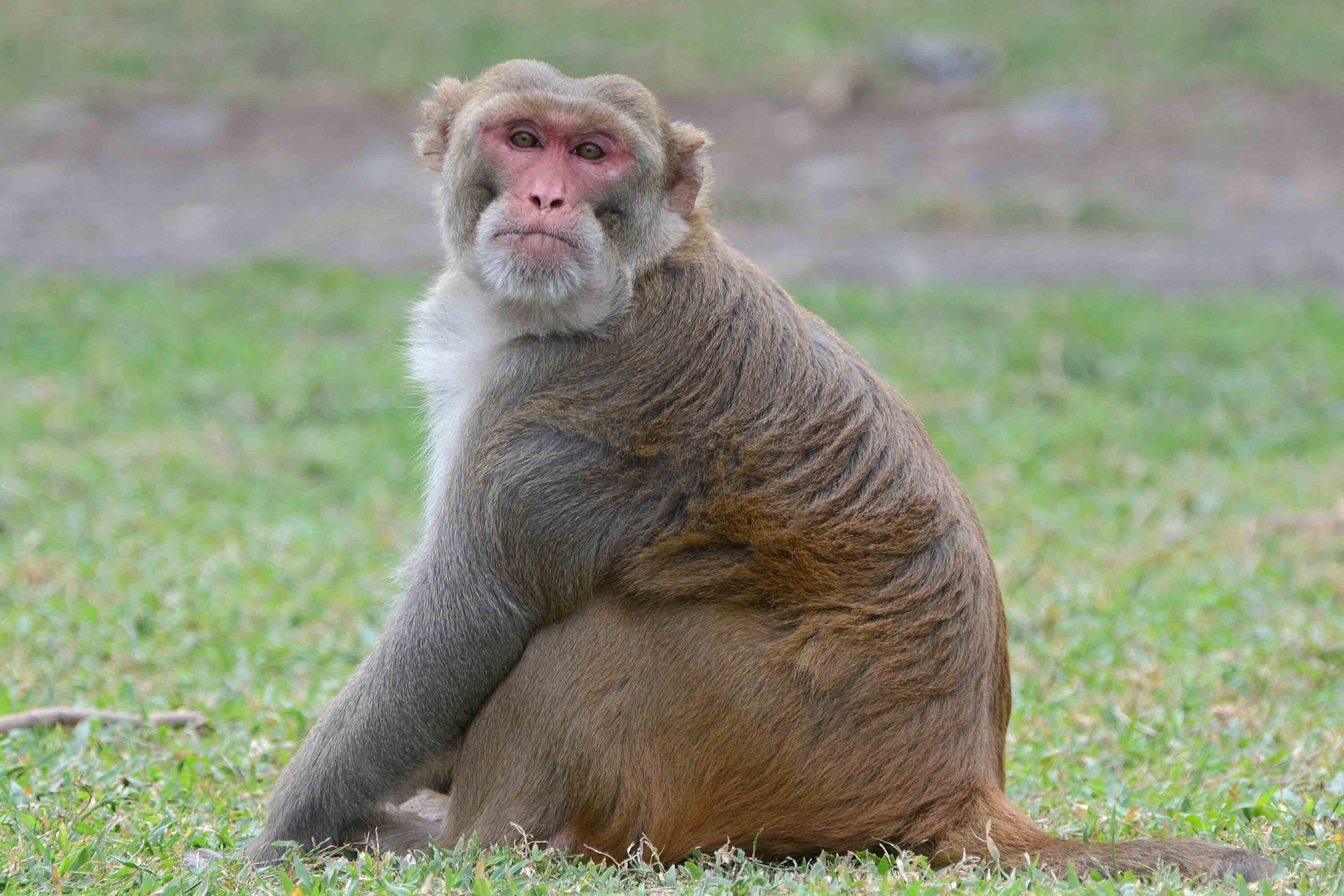
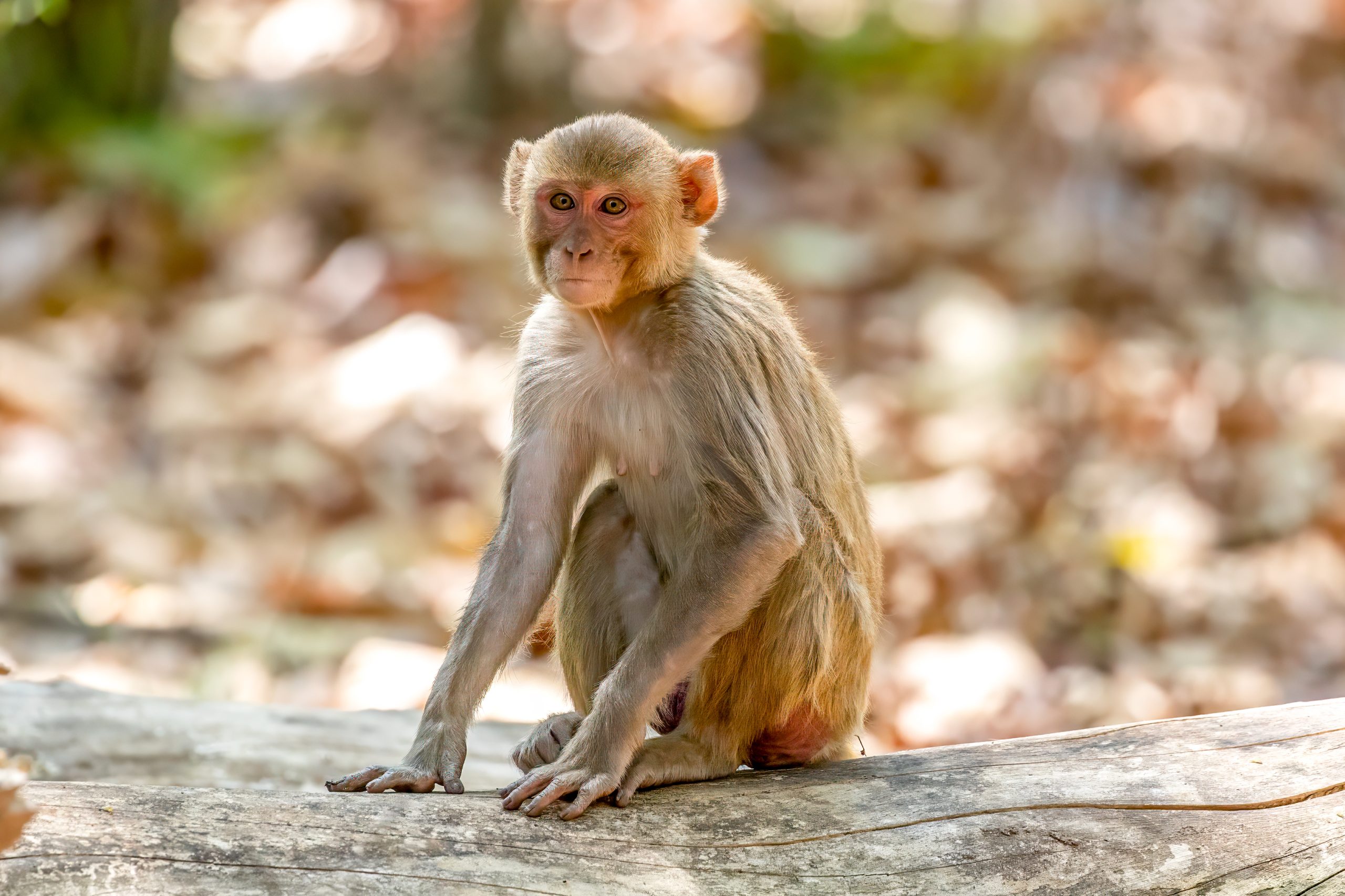
An experiment with 81 rhesus macaques (Macaca mulatta) on Cayo Santiago, Puerto Rico, found that facial expression and social context jointly influenced how long the animals watched other macaques. The researchers presented pairs of male macaque avatars while the subjects were free to look at the images.
The two faces either looked towards one another, creating the appearance of a social interaction, or faced away from each other. They also showed either neutral expressions or social expressions — a threat face or a silent bared-teeth display. The researchers measured total looking time and how often the observing macaques shifted their gaze between the two faces.
The macaques looked significantly longer at expressive faces presented within an apparent social interaction than at neutral faces shown in a noninteracting configuration. Gaze-shift frequency did not differ significantly among conditions, although there was a tendency towards more shifts in trials with expressive faces.
The authors interpret the result as evidence that rhesus macaques attend not only to the expression on another individual’s face but also to the social setting in which that expression appears. Observing third-party facial interactions may therefore provide information about relationships and ongoing social events without the observer taking part directly.
Behaviour
Related news
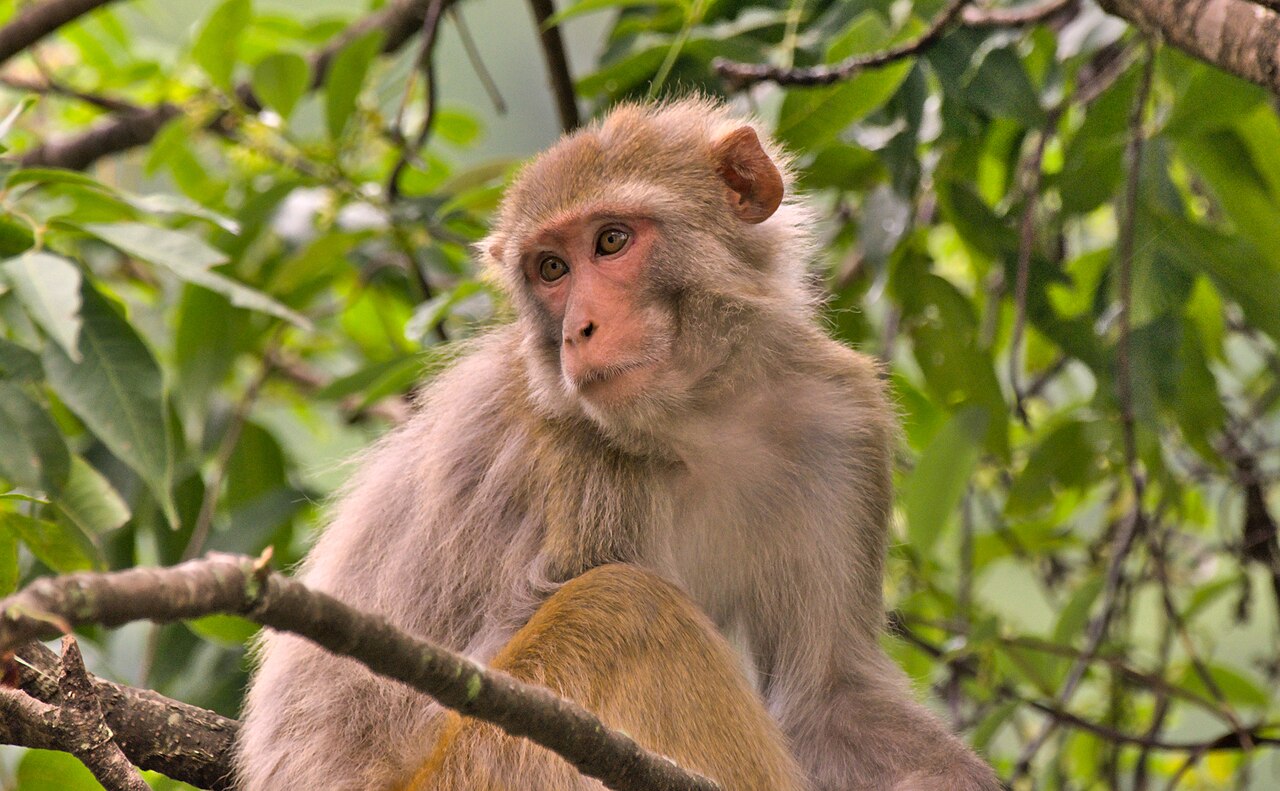
Female Rhesus Macaques That Watched Unfamiliar Female Faces Longer Were More Likely to Have Offspring the Following Year
At a semi-free-ranging population in Puerto Rico, females that spent longer looking at an unfamiliar female’s neutral face…
Read story →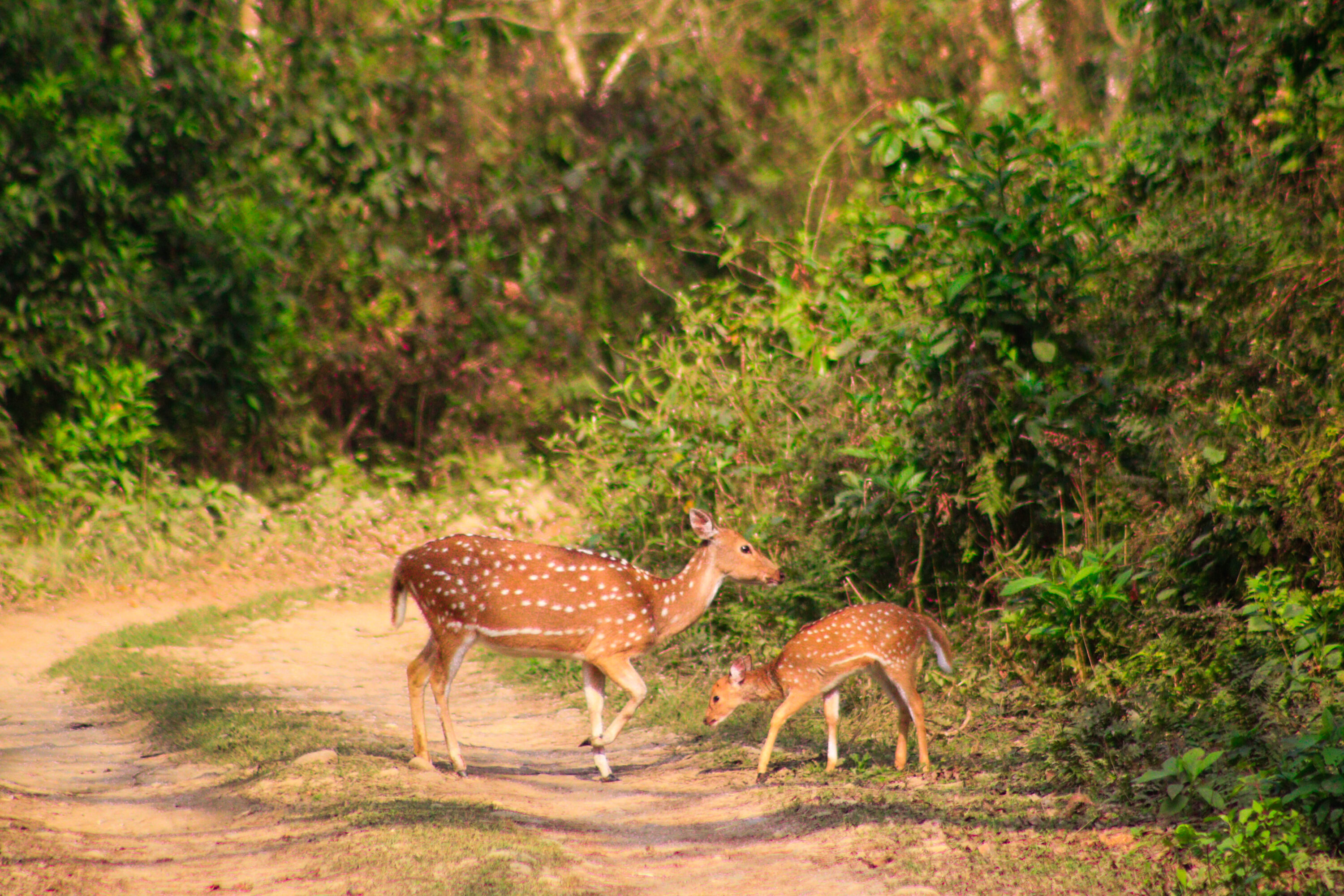
Human Activity and Large Wildlife Overlapped Most in Chitwan’s Buffer Zone
Camera traps across Chitwan National Park and surrounding forests showed the greatest overlap of human activity with large…
Read story →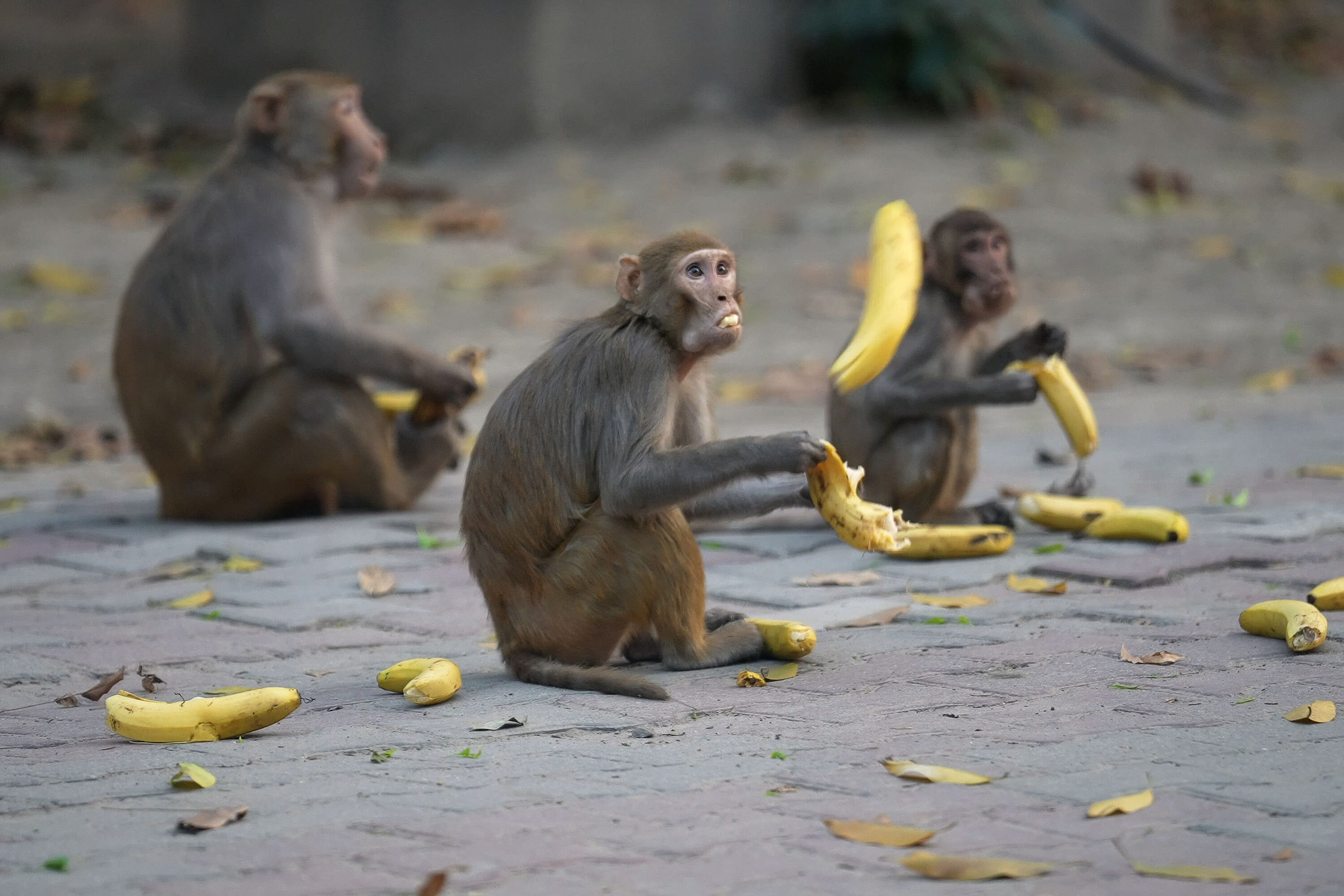
Aging rhesus macaques show broader protein changes in blood than in brain fluid
A study of 66 rhesus macaques found age-related differences in many more measured proteins in plasma than in…
Read story →SPECIES IN THIS STORY
Species in this story
Independent research and conservation news archive
Did you find this information useful?
Wildlife Vagabond is independently built and maintained. Voluntary support helps cover source verification, hosting and continued work on research and conservation news.
Support Wildlife VagabondThe news archive will remain freely available.