
Fecal Organic Acids and Omega-3 Fatty Acids Shifted With Age in Rhesus Macaques
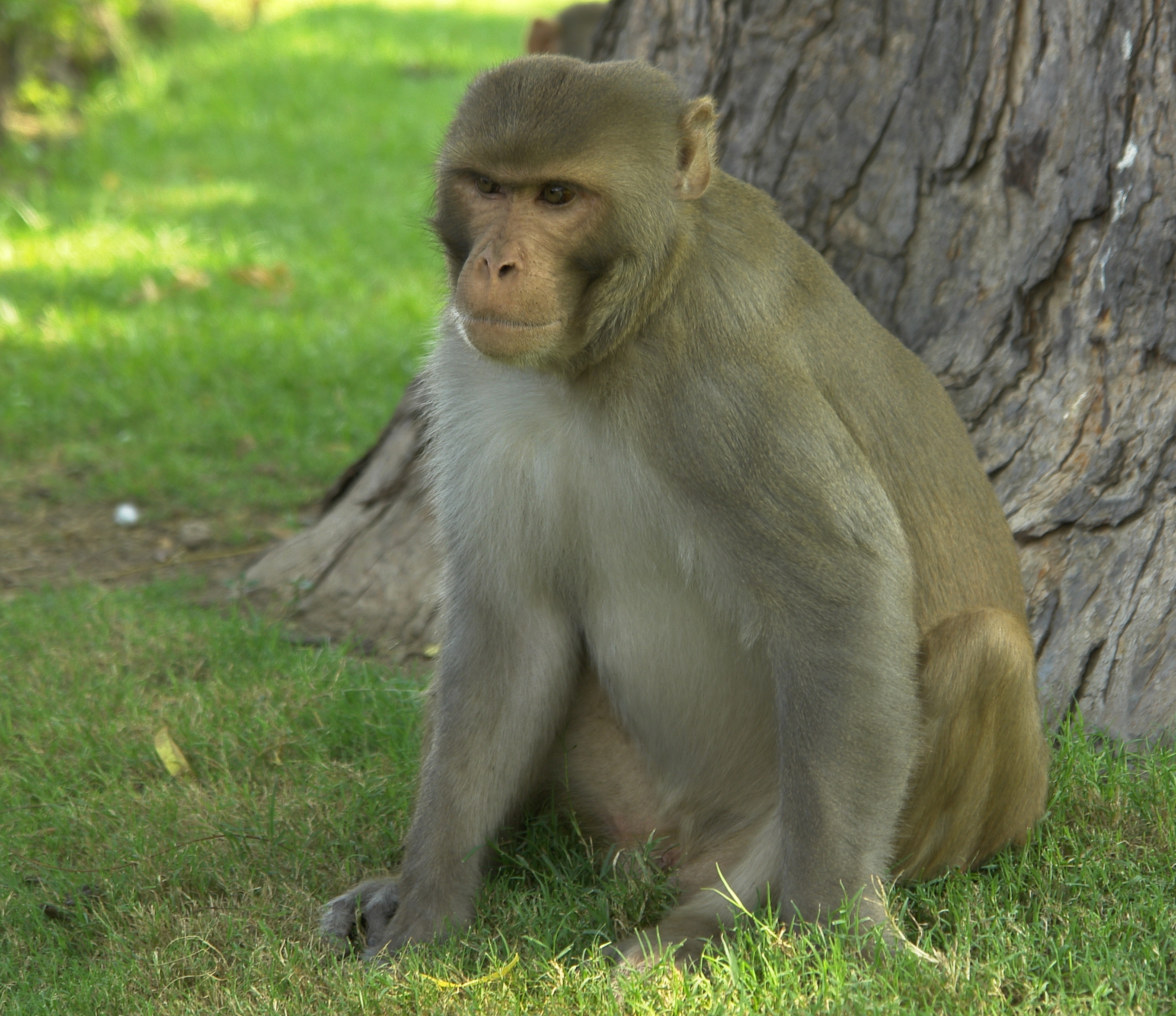
Fecal organic acids, amino acids and fatty acids differed strongly with age in 24 captive rhesus macaques (Macaca mulatta) in Kunming, China. The clearest chemical contrast was between the six seven-year-old animals and the two older groups: several intermediates linked to cellular energy metabolism, four amino acids and four polyunsaturated fatty acids were lower in both older groups.
The study compared six young macaques aged seven years, nine old adults aged 12–13 years and nine of the oldest animals aged 21–25 years. All lived under controlled conditions and received a standardized feeding regime. Researchers combined targeted metabolomics of feces with sequencing of the gut microbiota and histological examination of the colon.
Organic acids and fatty acids were lower in the older groups
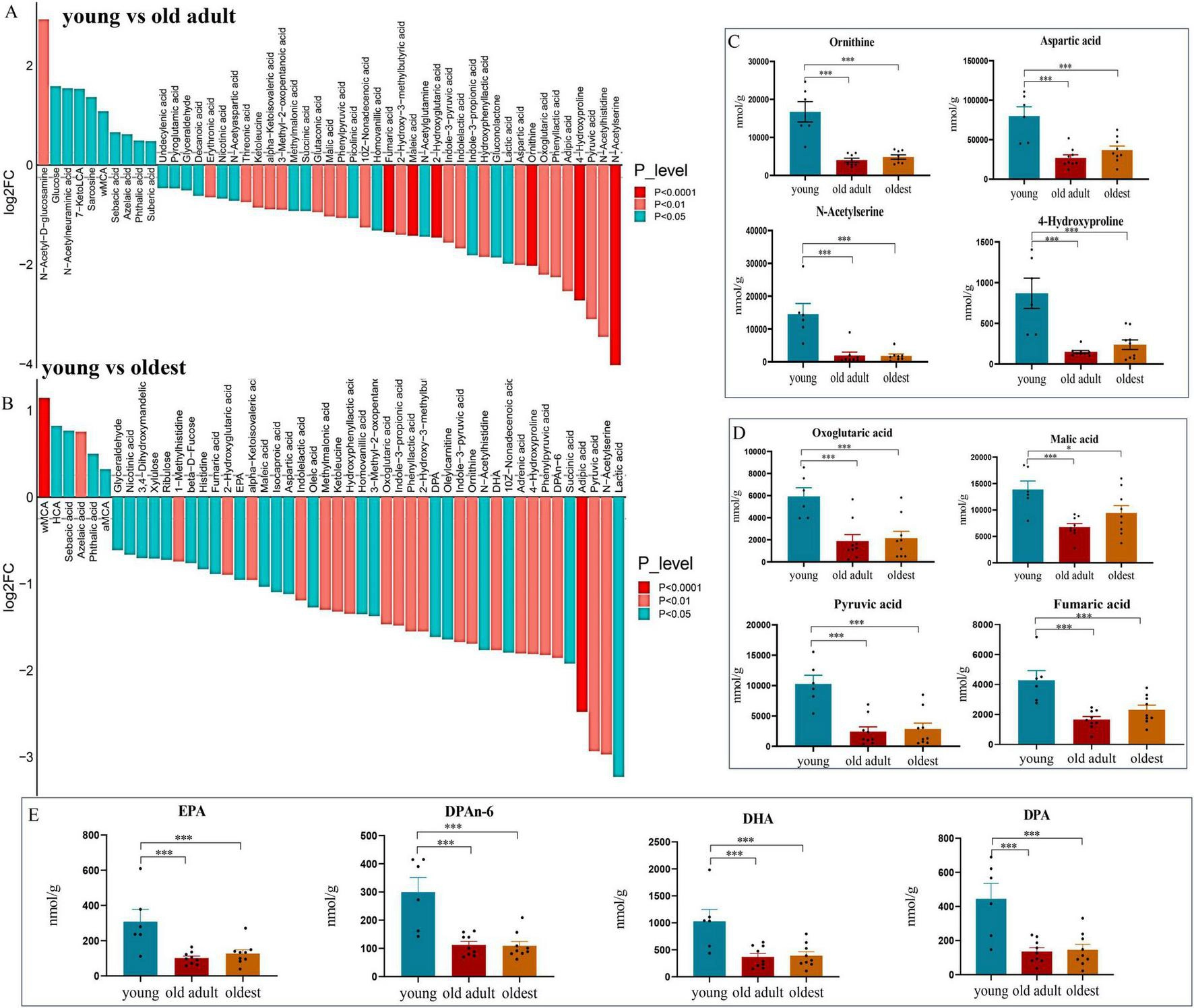
The metabolomic analysis found 49 compounds that distinguished young from old-adult macaques and 48 that distinguished young from the oldest group, while only four differed between the two older groups. Four organic acids associated with the tricarboxylic acid, or Krebs, cycle — oxoglutaric, malic, pyruvic and fumaric acid — were lower in both older groups than in the young macaques. This cycle is a central set of reactions involved in extracting energy from nutrients, but because the measurements came from feces they do not directly measure energy production inside the animals’ tissues.
Ornithine, aspartic acid, N-acetylserine and 4-hydroxyproline showed a similar age-related difference. The polyunsaturated fatty acids EPA, DHA, DPA and DPAn-6 were also lower in both older groups. Importantly, the pattern was not a simple continuous decline: compared with the 12–13-year-old group, concentrations of several of these metabolites rose again in the 21–25-year-old macaques.
Some metabolites changed progressively across all three age groups
A separate analysis identified 21 metabolites that decreased stepwise from the young to the oldest group. These included oxoglutaric acid, pyruvic acid, DPA and 4-hydroxyproline. Four compounds increased progressively instead: 2,2-dimethyladipic acid, cinnamic acid, quinic acid and the bile-acid-related metabolite wMCA.
The affected pathways included the urea cycle and the metabolism of glycine, serine, arginine and proline. The urea cycle converts toxic ammonia produced during amino-acid metabolism into urea that can be excreted. Because the study measured fecal metabolites rather than blood, bile or liver tissue, the authors stress that the results do not demonstrate impaired ammonia clearance by the liver. They instead point to altered intestinal microbial metabolism that could influence the gut–liver axis.
The gut microbiota followed a different pattern in the oldest macaques
Young macaques were enriched in Lactobacillus, while the 12–13-year-old group had the strongest inflammatory-cell infiltration in the colon and was associated with bacteria including Prevotella and Fusobacterium. The oldest macaques had the highest microbial alpha diversity and were enriched in groups including Butyricicoccus and Christensenellaceae, both associated with production of short-chain fatty acids or with intestinal conditions seen in long-lived humans.
The chemical profile partly mirrored this non-linear pattern: several metabolites that were lowest in the old-adult group rose again in the oldest animals. The authors caution that this does not show a universal reversal of ageing. The oldest macaques may represent an unusually resilient subset of animals that survived to very advanced ages.
Ornithine and alpha-ketoglutarate were tested in cultured cells
The researchers also tested two metabolites in cell culture. Ornithine reduced markers of cellular senescence and increased proliferation in hydrogen-peroxide-stressed human liver cells. Alpha-ketoglutarate produced related anti-senescence changes in bone-marrow mesenchymal stem cells collected from aged macaques. These experiments provide a preliminary mechanistic link to metabolites that changed with age, but the doses exceeded typical physiological levels and the compounds were not tested as treatments in living macaques.
The study was cross-sectional rather than a follow-up of the same animals over time, used relatively small groups and relied on a single fecal sampling point. The metabolite results therefore describe age-associated differences in these captive macaques, not a demonstrated sequence that every individual necessarily follows as it ages.
Molecular biology & biochemistry
Related news
Female Rhesus Macaques That Watched Unfamiliar Female Faces Longer Were More Likely to Have Offspring the Following Year
At a semi-free-ranging population in Puerto Rico, females that spent longer looking at an unfamiliar female’s neutral face…
Read story →
Human Activity and Large Wildlife Overlapped Most in Chitwan’s Buffer Zone
Camera traps across Chitwan National Park and surrounding forests showed the greatest overlap of human activity with large…
Read story →
Aging rhesus macaques show broader protein changes in blood than in brain fluid
A study of 66 rhesus macaques found age-related differences in many more measured proteins in plasma than in…
Read story →SPECIES IN THIS STORY
Species in this story
Independent research and conservation news archive
Did you find this information useful?
Wildlife Vagabond is independently built and maintained. Voluntary support helps cover source verification, hosting and continued work on research and conservation news.
Support Wildlife VagabondThe news archive will remain freely available.