
Red Deer Reproduction and Antler Quality Were More Closely Linked to Feed Type Than Amount
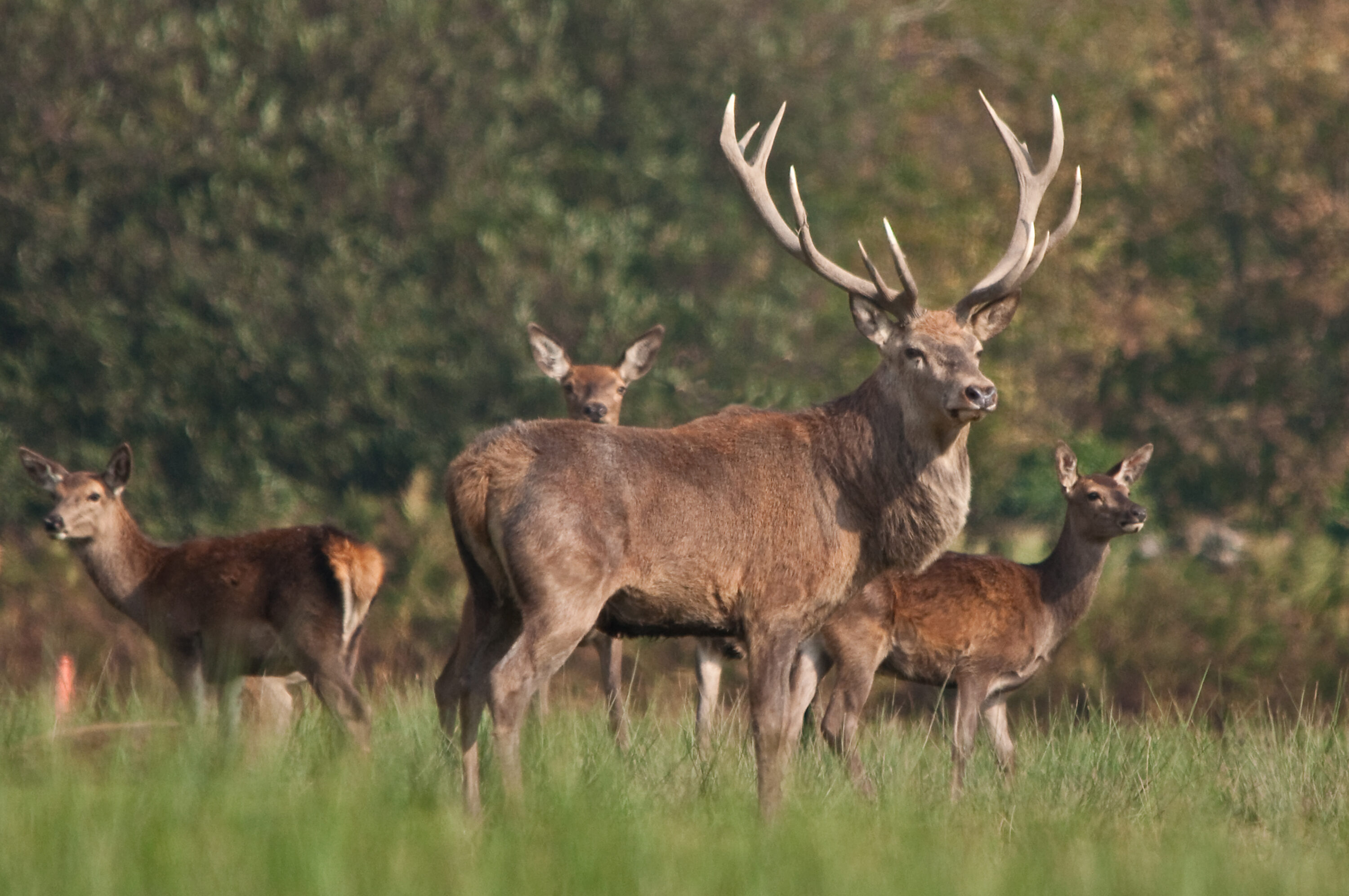
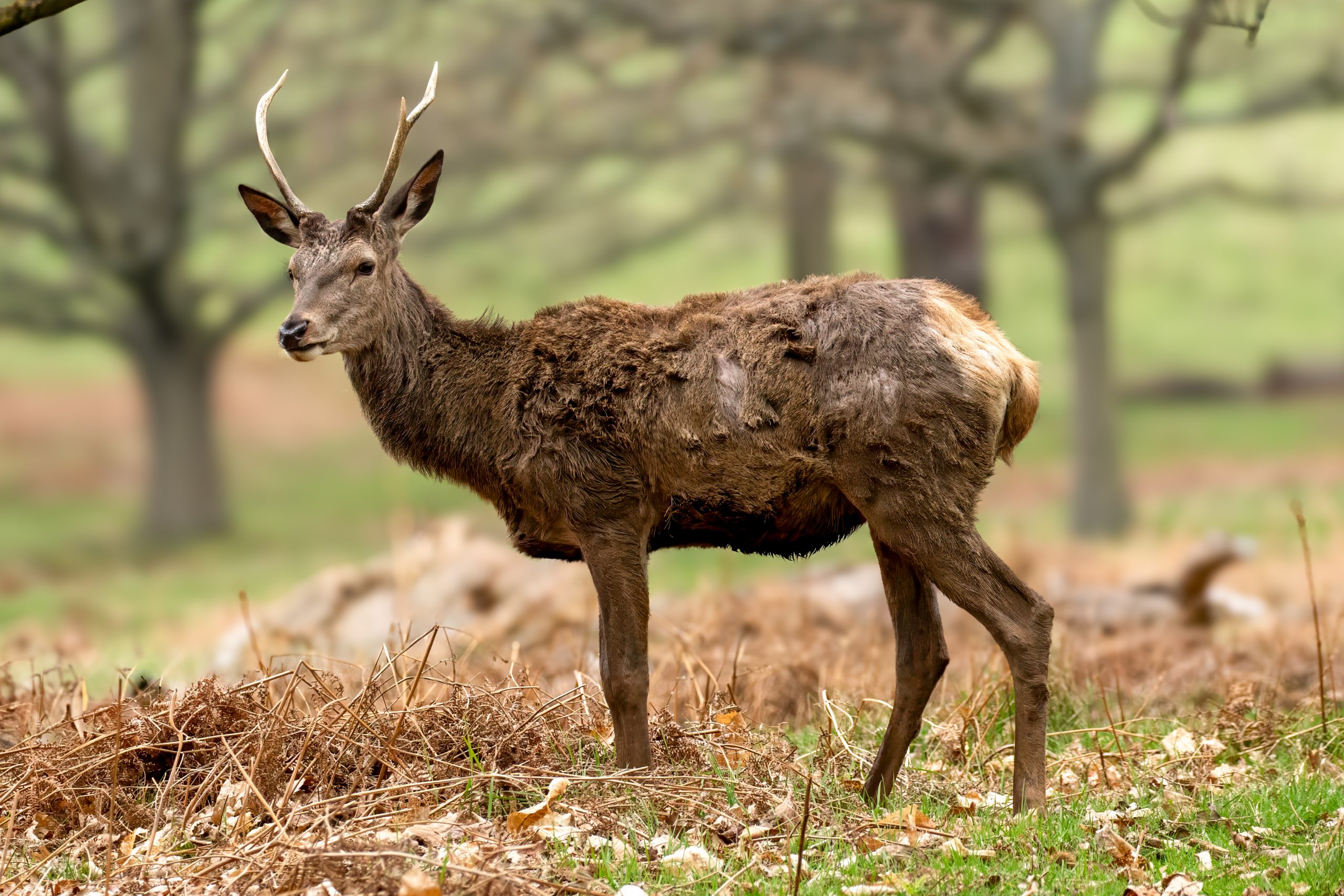
In eight managed red deer (Cervus elaphus) herds in Vojvodina, Serbia, the composition of supplemental feed was more closely tied to reproduction, population growth and antler quality than the total amount of feed provided. Natural forage productivity was also linked to these outcomes, so both supplemental-feed composition and naturally available food were part of the observed pattern.
The study combined ten years of deer counts, calf surveys, hunting records and detailed feeding logs from eight management units. Satellite-based measures of vegetation productivity were used to track the amount and quality of natural forage available across years.
Feed composition mattered more than total tonnage
Total supplemental-feed tonnage did not clearly explain the outcomes in the best-supported models. Feed composition, however, repeatedly appeared in the results. Annual population growth was lower at higher herd density, while some combinations of supplemental feed — including deer pellets and salt — were associated with higher growth.
Turnips and natural forage were linked to calf production
Female reproduction showed one of the clearest food-specific patterns. Herds given more turnips in the previous year had more weaned calves per hind, and turnip also showed a positive relationship with suckling-calf numbers in several analyses. More productive natural vegetation during the previous summer or year was likewise linked to higher calf production.
One feed result was less straightforward: more deer pellets were associated with higher overall population growth but with fewer suckling calves recorded. The authors suggest this could reflect dominant stags defending feeding stations—where annual surveys were also conducted—making hinds with calves less visible, or a real difference in access to feed; the observational data cannot distinguish these explanations.
Antler quality followed a different pattern
Antler quality showed a different pattern. Management units that supplied more corn cob in the current year had a lower proportion of harvested stags with trophy-quality antlers. By contrast, greater natural forage productivity in the previous year was linked to a higher trophy proportion. The authors note that corn-rich diets can contribute to acidosis in cervids and that mild acidosis has previously been proposed as a cause of reduced antler growth, but this study did not test that mechanism directly.
These results come from long-term observational records rather than an experiment, so the associations do not by themselves prove that individual feed types caused the changes. The study nevertheless shows why the composition of supplemental feeding and the condition of natural forage need to be considered separately from the sheer tonnage of food supplied to managed red deer herds.
Ecology
Related news
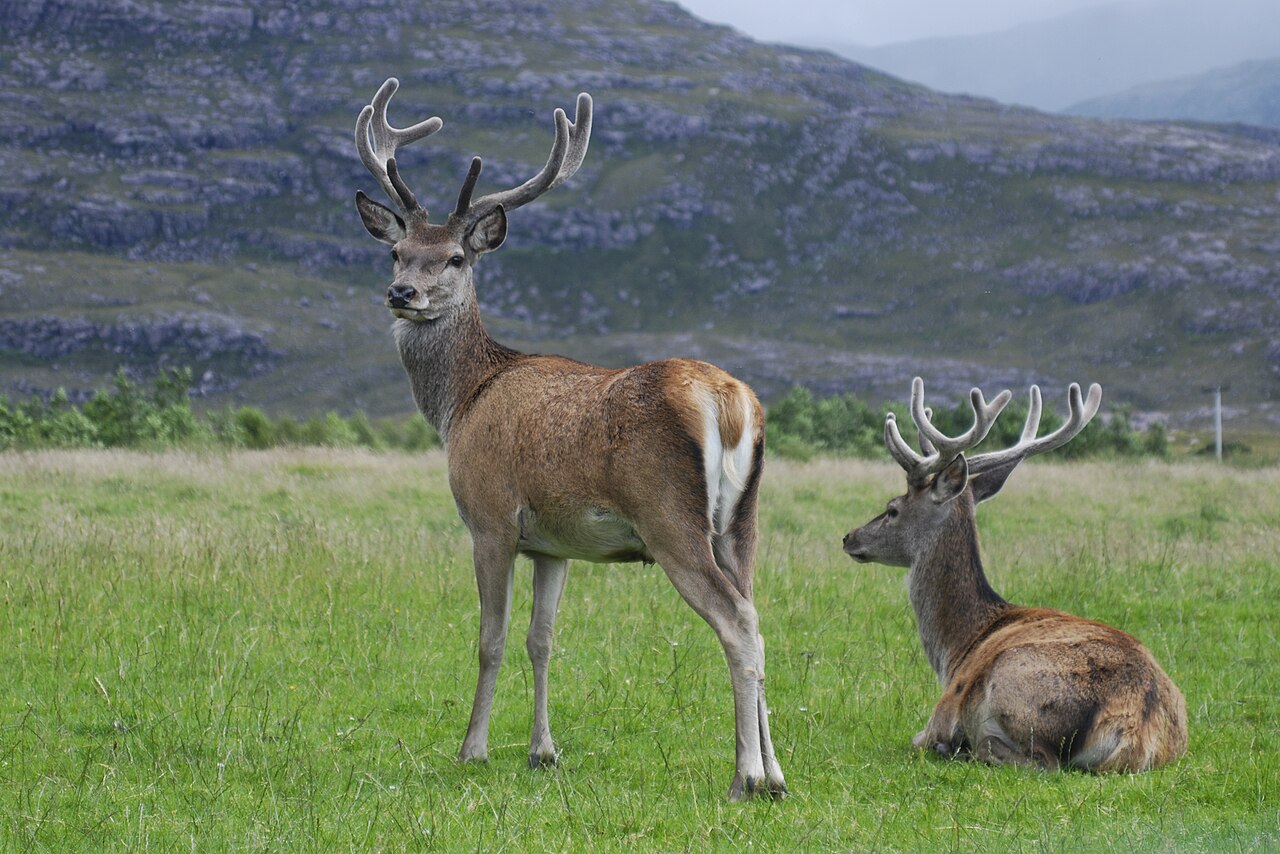
Velvet Antler Had the Most Distinct Metabolite Profile in Red and Sika Deer
A Chinese study detected 2,361 metabolites across three antler tissues from red and sika deer. Velvet antler separated…
Read story →
Tarim Red Deer Microbiomes Showed Greater Capacity to Break Down Reed Fibre
Under the same reed-containing diet, captive Tarim red deer had more fibre-associated gut microbes, higher cellulase and hemicellulase…
Read story →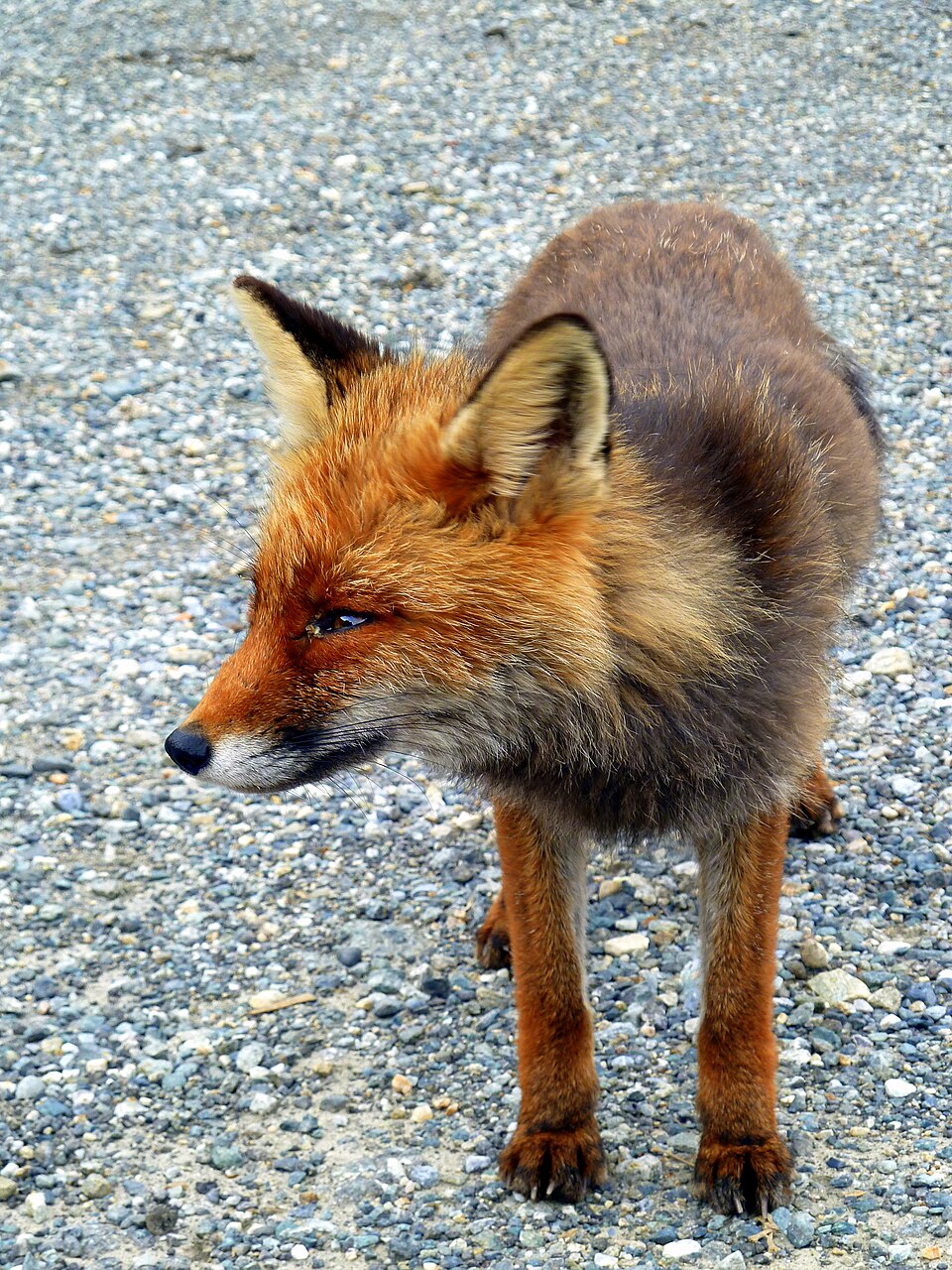
Wolf Kills Provided Plenty of Food for Red Foxes
Red foxes visited all 26 wolf-killed red deer monitored in Stelvio National Park. The amount of meat left…
Read story →SPECIES IN THIS STORY
Species in this story
Independent research and conservation news archive
Did you find this information useful?
Wildlife Vagabond is independently built and maintained. Voluntary support helps cover source verification, hosting and continued work on research and conservation news.
Support Wildlife VagabondThe news archive will remain freely available.