
Female Red Squirrels Were More Likely to Reproduce in Natural Than Urban Habitats
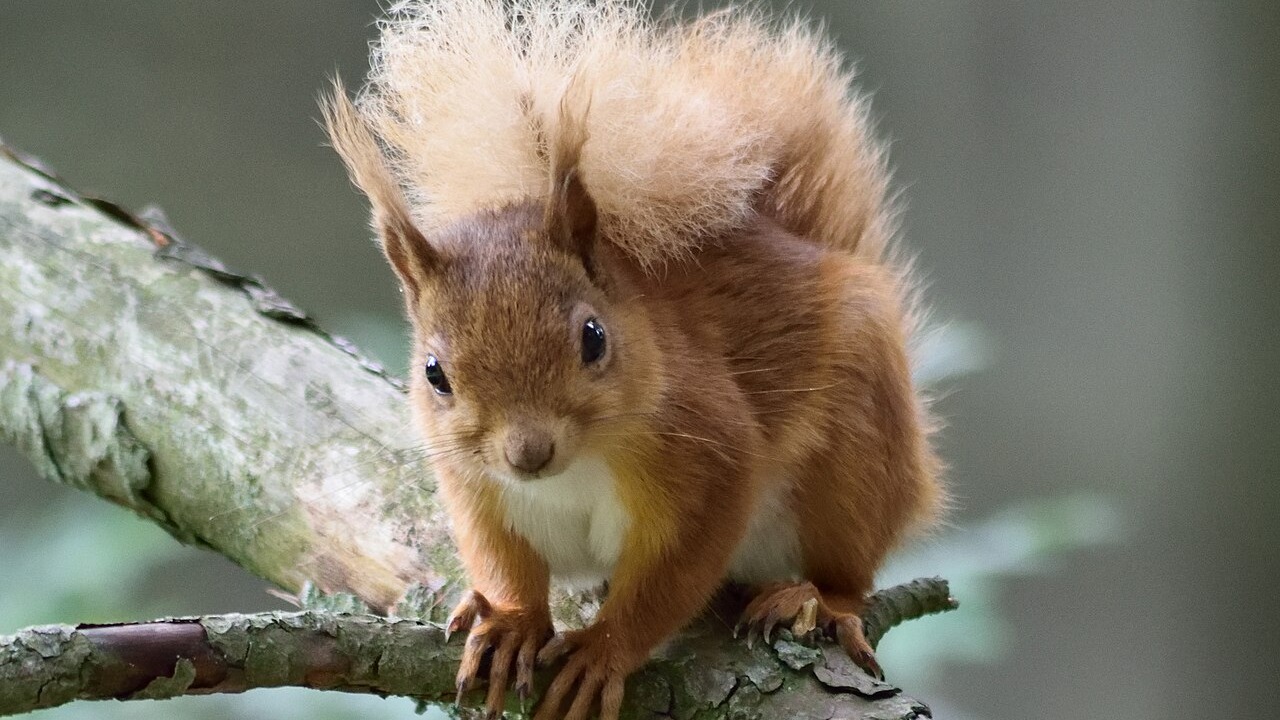
Female Eurasian red squirrels (Sciurus vulgaris) were more likely to be reproductive in natural habitats than in urban and suburban sites in a study across northern Italy. The research, first published on 24 March 2026, examined how urbanization, season, body mass and personality were related to reproductive condition.
The researchers analysed 204 records from 72 females across 12 sites spanning natural, suburban and urban environments. For each record they assessed whether a female was reproductive and combined this with body mass, season and behavioural measures of activity, exploration and sociability.
Body mass was the strongest predictor
Body mass was the strongest factor associated with whether a female was reproductive. Females were also more likely to be reproductive in spring than in autumn or winter, and part of this seasonal pattern was linked to higher body mass in spring.
Urbanization showed a separate relationship with reproduction. The probability of being reproductive was higher in natural habitats than in urban and suburban sites. This pattern appeared despite females in urban and suburban sites tending to be slightly heavier than those in natural habitats. Across those human-dominated habitats, females had 16.2% fewer reproductive events than females in natural populations.
Urban squirrels were less exploratory
Females in natural sites showed more exploratory behaviour than those in urban sites. However, activity, exploration and sociability did not have significant direct effects on reproduction, and the study found no significant indirect effects of personality through body mass.
The authors therefore found that differences in behaviour between habitats did not translate directly into differences in reproductive condition. Instead, body mass and environmental context were more important in explaining whether females were reproductive.
Reproduction & development
Related news
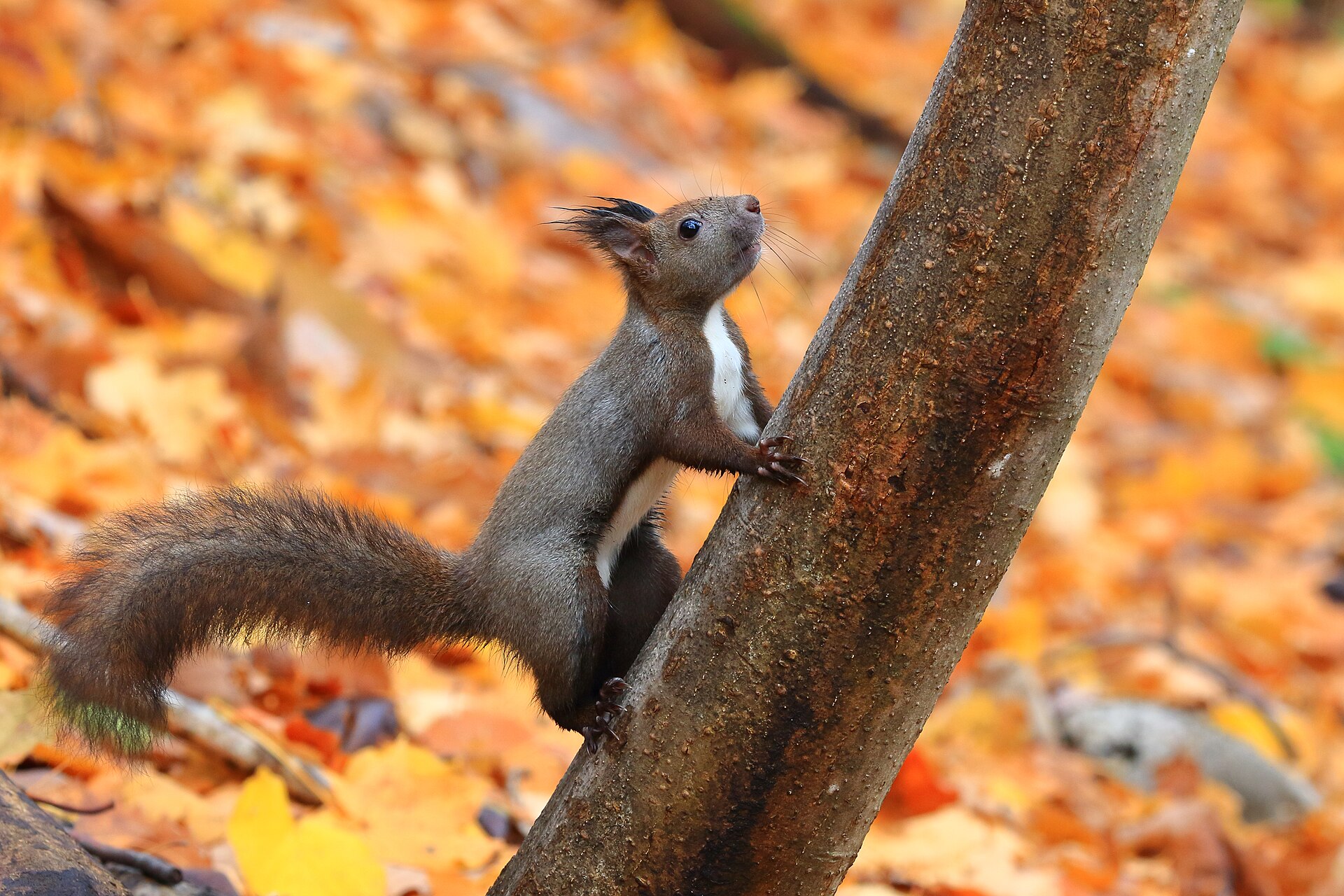
Red Squirrels Stayed at Urban and Rural Sites at Similar Rates on Hokkaido
Across nine sites on Hokkaido, red squirrels had nearly identical four-month probabilities of remaining in urban and rural…
Read story →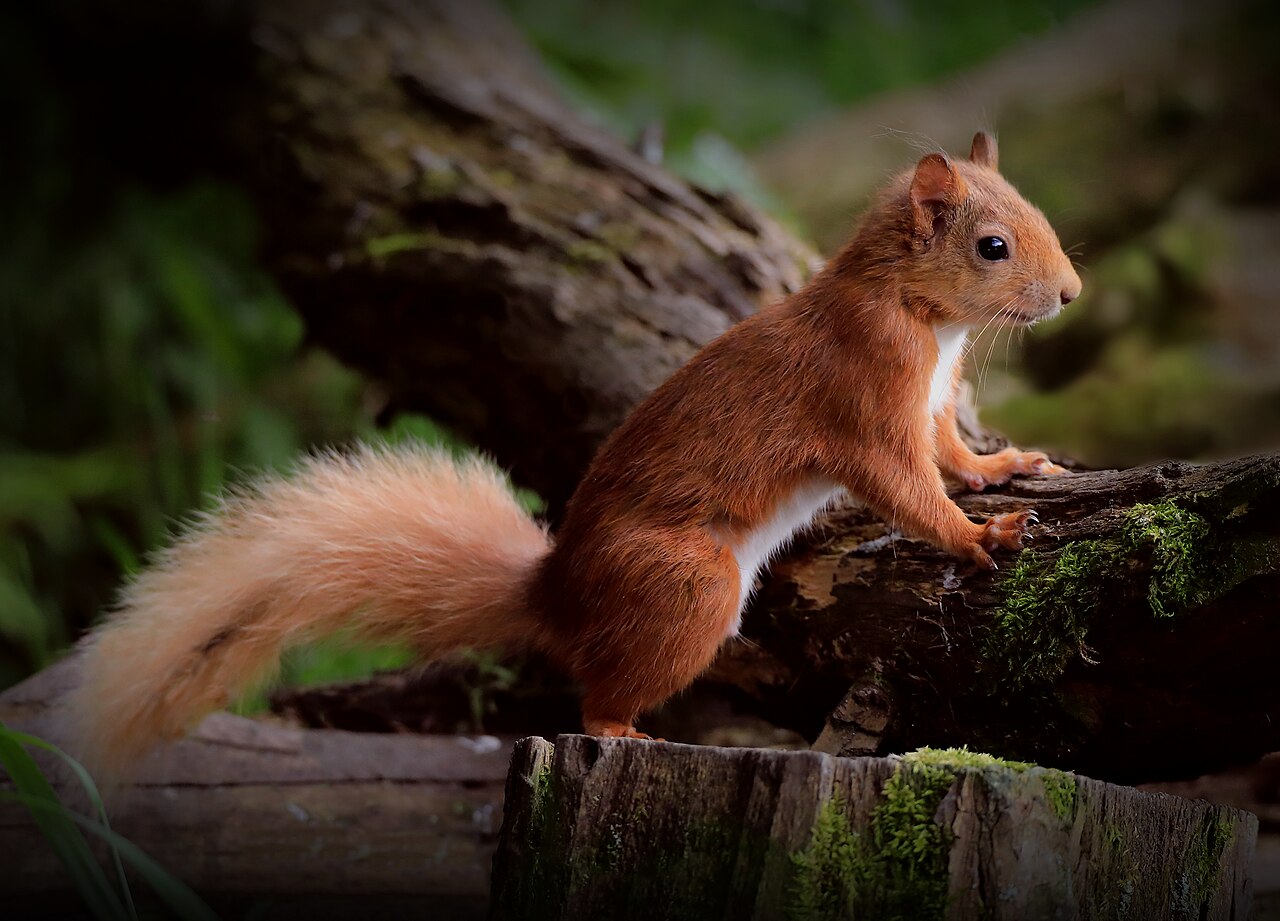
Squirrelpox in Dollar Became Scotland’s Northernmost Confirmed Case
A red squirrel from Dollar, Clackmannanshire, had squirrelpox confirmed by pathology and qPCR, making it the northernmost reported…
Read story →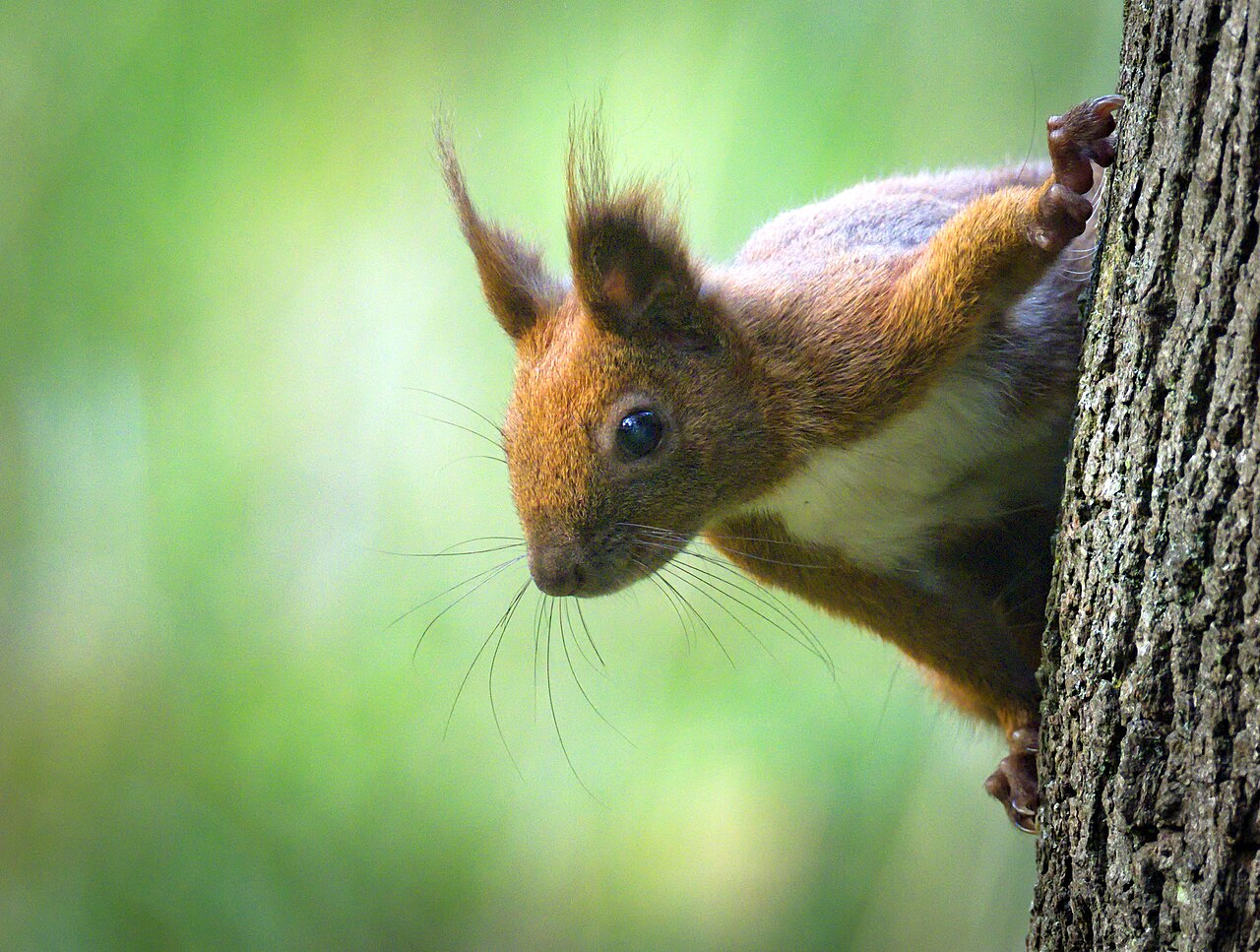
Portugal’s Eurasian Red Squirrels Showed Markedly Low Mitochondrial Diversity
The most comprehensive genetic sampling of Eurasian Red Squirrels in Portugal to date found markedly low mitochondrial diversity,…
Read story →SPECIES IN THIS STORY
Species in this story
Independent research and conservation news archive
Did you find this information useful?
Wildlife Vagabond is independently built and maintained. Voluntary support helps cover source verification, hosting and continued work on research and conservation news.
Support Wildlife VagabondThe news archive will remain freely available.