
Fetuses Were Lighter in Red Deer Populations With a Higher Proportion of Adult Males

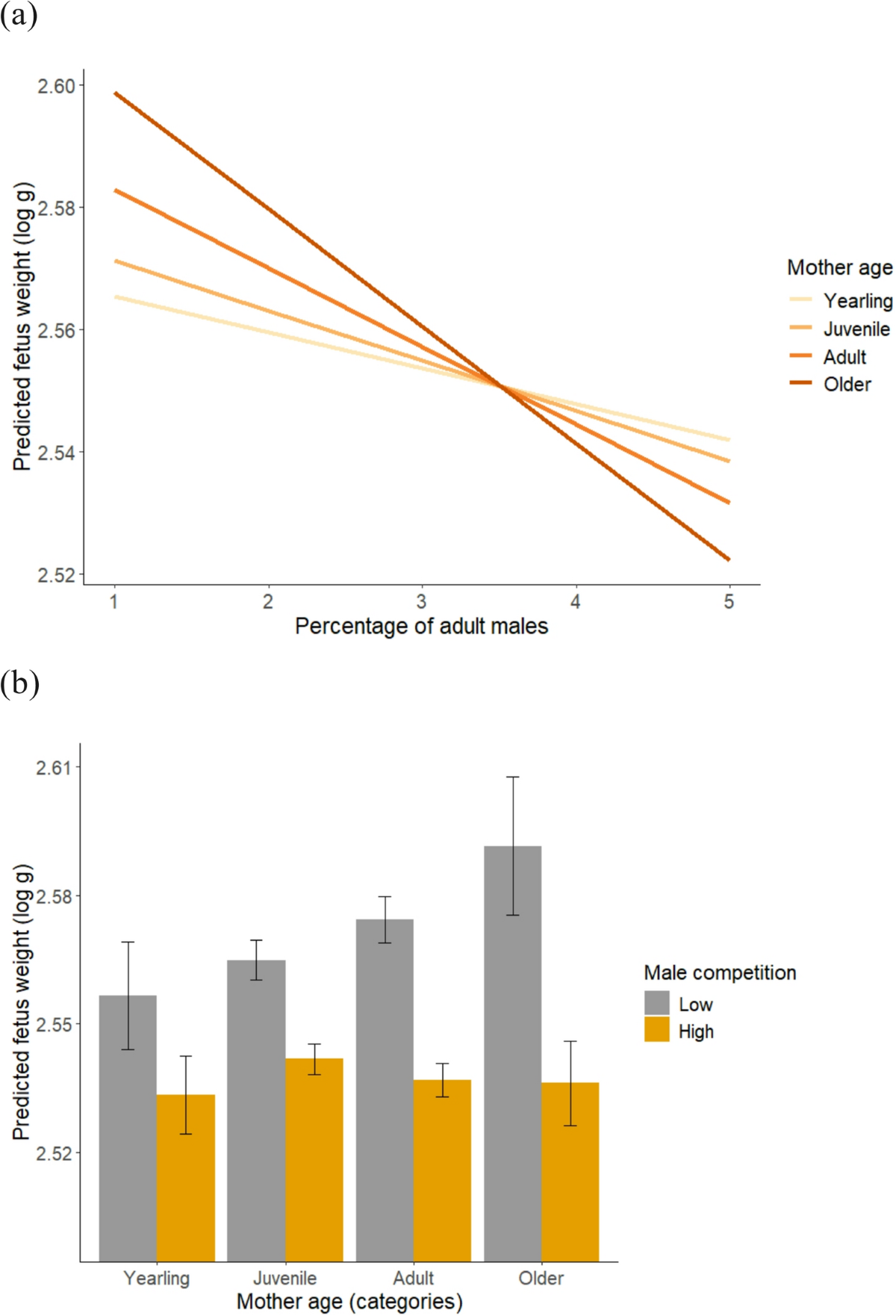
Among 1,120 red deer (Cervus elaphus) mother–fetus pairs in southwestern Spain, fetuses tended to be lighter for their length in populations with a higher proportion of adult males. The researchers used the proportion of adult males as an indicator of stronger male–male competition during the rut. They measured fetal body condition as weight relative to body length — how heavy a fetus was for its size — and also found effects of maternal traits, conception timing, fetal sex and weather.
The material came from free-ranging Iberian red deer populations in Sierra de San Pedro, Monfragüe and Sierra Morena and was collected over 19 years through regular population-management hunts. Researchers weighed, measured and sexed the fetuses and combined these data with maternal age, estimated conception date, weather and male age structure. The adult-male proportion was derived from the ages of males harvested in each population and season; previous comparisons with direct field observations had shown that this harvest-based measure closely tracked male age structure in the populations.
Several factors shaped fetal weight
Fetal length was the strongest predictor of weight, but several other factors also contributed. Male fetuses were heavier than females, while fetal weight increased with maternal age and earlier conception, particularly in males. In populations with a higher proportion of adult males, fetuses tended to be lighter; this pattern was especially evident among adult and older mothers under unfavourable weather conditions and later in gestation.
Social environment may affect maternal investment
The authors interpret the association with population structure as evidence that the social environment may influence maternal investment before birth. They point to interactions between females and competing males during the rut as one likely route: work in other ungulates has linked mixed-age male competition to more harassment and stress for females. In the Spanish study system, simple resource limitation was less consistent with the pattern because females in the fenced estates with more adult males were actually heavier, and available density and tooth-wear comparisons did not indicate poorer resource conditions there. The authors therefore regard male–female interactions under intense male competition as a plausible explanation and describe the result as suggestive of sexual conflict, not proof of a direct causal mechanism.
Reproduction & development
Related news

Therthangal Spoonbill Colony Returned to 12 Active Nests After Complete Breeding Failure
Six breeding seasons at Therthangal Bird Sanctuary in Tamil Nadu ranged from 12 active Eurasian Spoonbill nests in…
Read story →
Lapwing and Oystercatcher Nesting Shifted in Opposite Directions With Latitude
Fifty years of UK nest records showed that northern lapwings nested later towards the north while Eurasian oystercatchers…
Read story →
Late Spring Frost Was Linked to About 4% Smaller Pied Flycatcher Eggs
After a severe April frost damaged emerging oak foliage at Valsaín in central Spain, Pied Flycatchers laid eggs…
Read story →SPECIES IN THIS STORY
Species in this story

Independent research and conservation news archive
Did you find this information useful?
Wildlife Vagabond is independently built and maintained. Voluntary support helps cover source verification, hosting and continued work on research and conservation news.
Support Wildlife VagabondThe news archive will remain freely available.