
First Golden Jackal Genome Placed 98.4% of Its Sequence on Chromosome-Scale Scaffolds
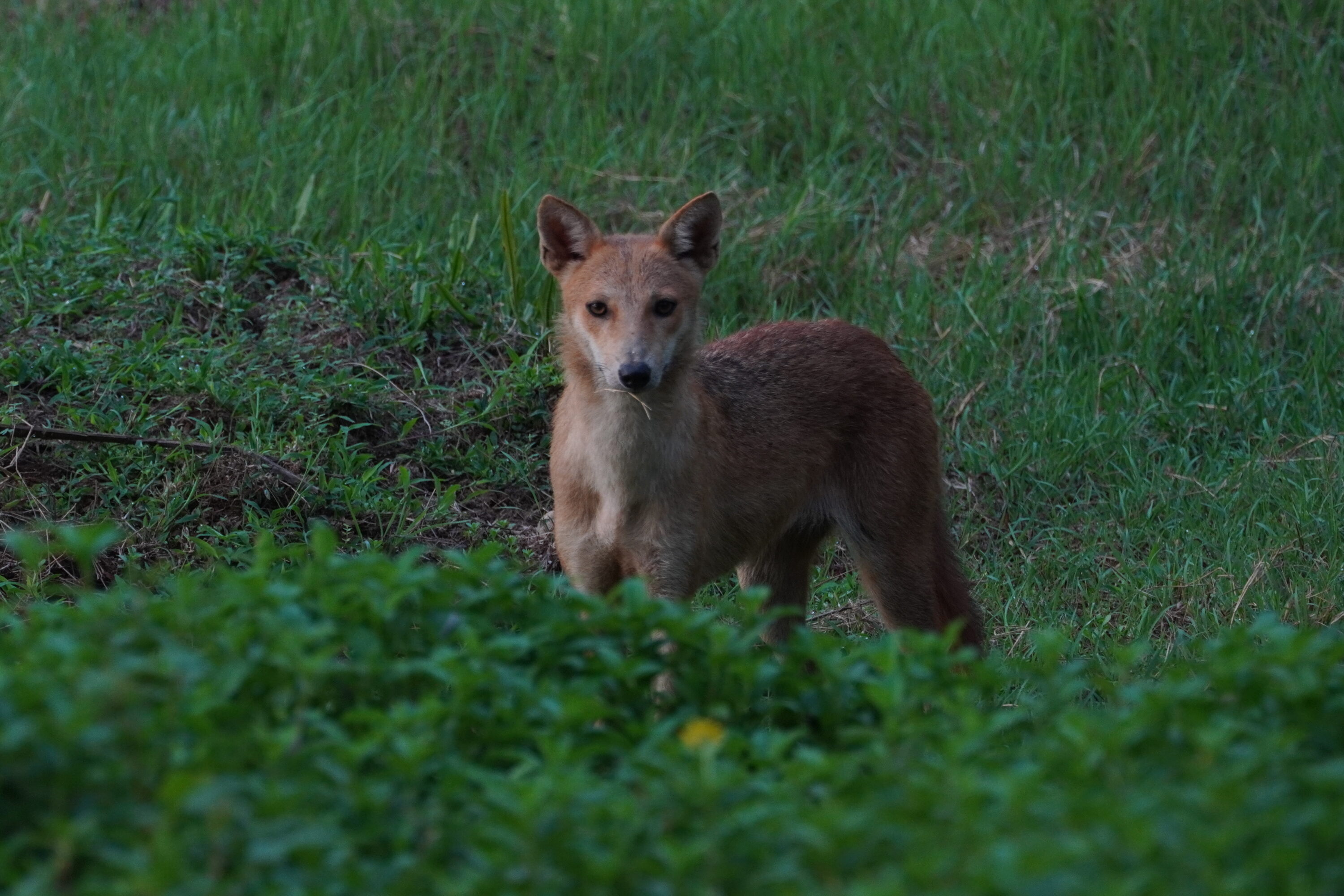
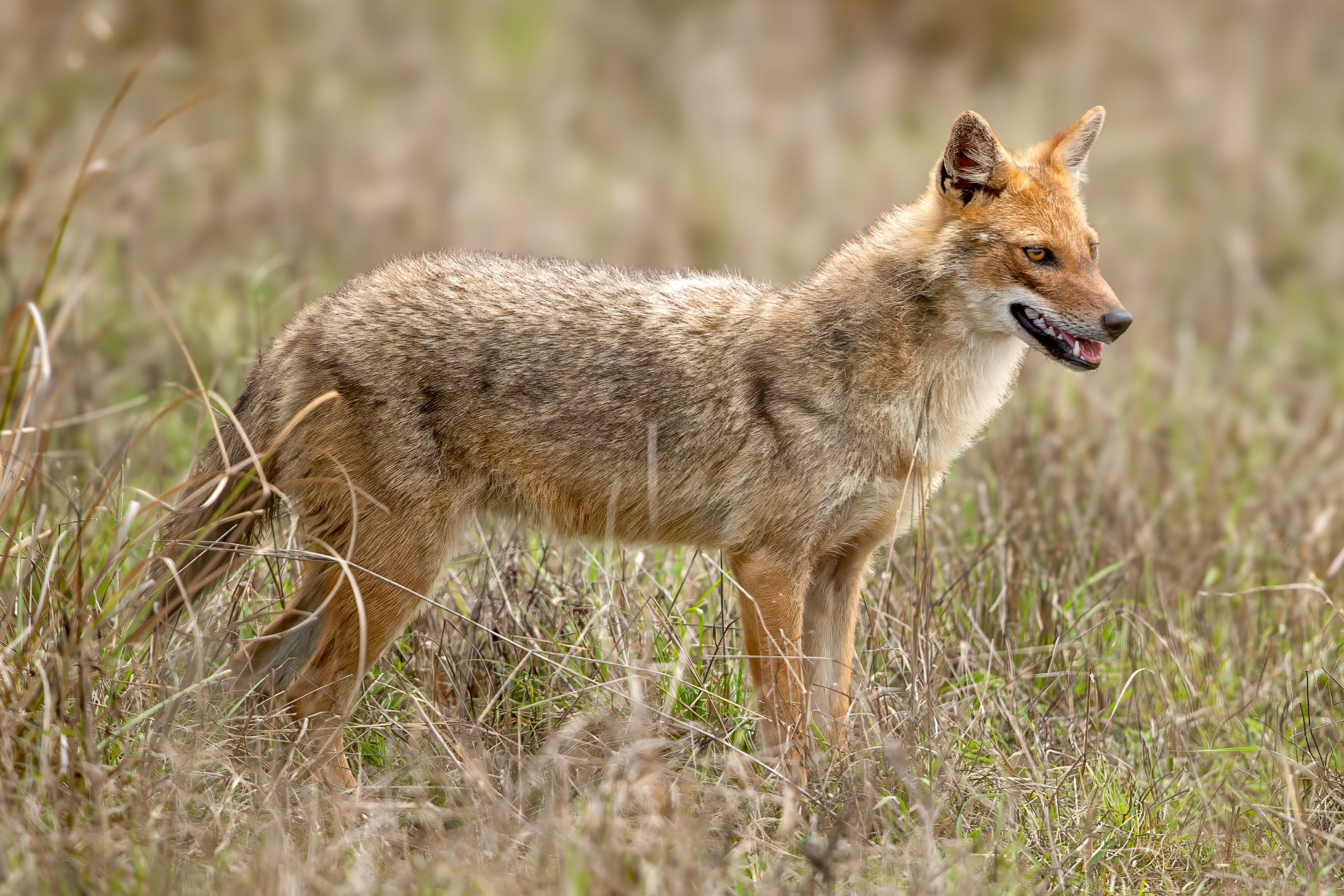
The first genome assembly for the golden jackal (Canis aureus) places almost the entire 2.53-billion-base-pair sequence into chromosome-scale scaffolds. The study, published on 6 March 2026, used tissue from a subadult male collected in Villach, Austria, and provides a new reference for research on the species’ genetics, range expansion and interactions with pathogens.
The jackal had been shot by a hunter in Carinthia in June 2023, and spleen tissue from the post-mortem examination was used for high-accuracy long-read DNA sequencing with PacBio HiFi technology.
Almost the entire assembly was anchored to chromosomes
The finished assembly has a total length of 2.53 billion base pairs in 325 scaffolds — assembled blocks of DNA sequence. The 40 largest scaffolds could be assigned to the expected 38 autosomes plus the X and Y chromosomes and together contain 98.4% of the full assembly.
The authors describe the result as a pseudochromosomal genome. The stored tissue was unsuitable for producing Hi-C data, which can order sequences using their physical proximity inside chromosomes, so the researchers instead used the Mexican grey wolf genome as a reference for chromosome-level scaffolding and then filled remaining gaps with the golden jackal long reads. The Y chromosome remained only partly resolved: its pseudoautosomal and male-specific regions could not be linked into one complete sequence.
More than 20,000 protein-coding genes were annotated
The standardized annotation identified 20,620 protein-coding genes and 17,626 non-coding genes. Repetitive DNA made up 40.6% of the assembly, with LINE elements — long repeated DNA sequences related to mobile genetic elements — forming the largest component. Measures of gene completeness and read mapping both indicated a highly complete assembly.
The authors describe the genome as a reference resource rather than evidence for one particular biological mechanism. It is intended to make future comparisons of golden jackal populations more precise, including work on dispersal, adaptation, hybridisation and host–pathogen dynamics.
The assembly is publicly available through GenBank under accession GCF_053574225.1, allowing other researchers to reuse it in population-genetic, evolutionary and disease-ecology studies.
Genetics & genomics
Related news
Similar Mammal Diversity, Different Activity Patterns in Grazed and Ungrazed Areas
Camera traps in four northern Israeli reserves found similar numbers of mammal species with and without livestock grazing.…
Read story →
Climate Best Explained Fine-Scale Genetic Connectivity in Expanding Golden Jackals
A Eurasian landscape-genomics study of 363 golden jackals found that geography dominated genetic structure at continental scale, while…
Read story →
Most New Golden Jackal Samples Around the Adriatic Matched the Pannonian Genetic Cluster
Microsatellite analysis of 27 new golden jackal samples from Croatia, Italy, Austria and Greece assigned most animals to…
Read story →SPECIES IN THIS STORY
Species in this story
Independent research and conservation news archive
Did you find this information useful?
Wildlife Vagabond is independently built and maintained. Voluntary support helps cover source verification, hosting and continued work on research and conservation news.
Support Wildlife VagabondThe news archive will remain freely available.