
First-Year Shorebirds Were More Often Infested and Carried More Wing Lice During Migration in Poland
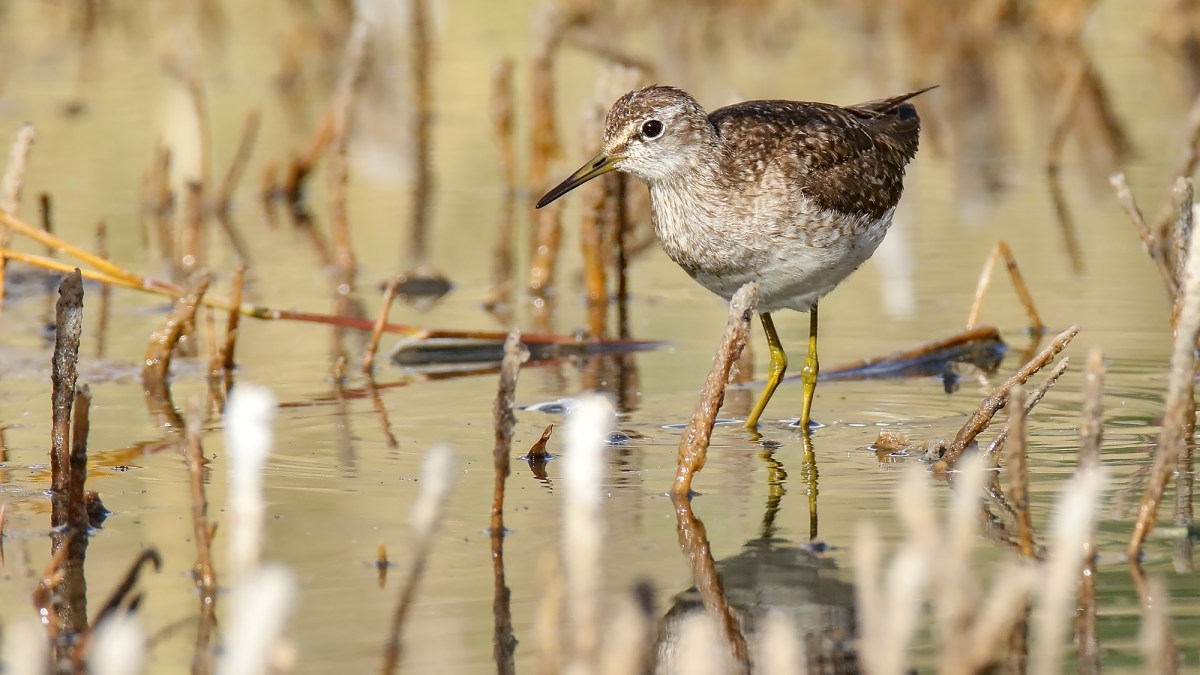
Chewing lice are small ectoparasitic insects that live on birds’ bodies and feathers; many feather-associated species feed on feather material and can affect plumage condition. First-year shorebirds were more likely than adults to have chewing lice detected on their wings and also carried more lice on average during autumn migration through central Poland. Researchers inspected 1,403 birds from 20 shorebird species captured between mid-July and late September in 2019–2021 at the artificial Jeziorsko Reservoir and in the natural Middle Vistula River valley.
Prevalence and louse numbers varied strongly among species
Louse prevalence and abundance varied greatly among species. Among species with sufficient sample sizes for prevalence estimates, 15% of 199 common sandpipers (Actitis hypoleucos) had lice detected on their wings, compared with 53% of 15 common greenshanks (Tringa nebularia). Across the adequately sampled species, prevalence ranged from 9% to 94%.
The researchers identified 26 chewing-louse species in a subsample from 236 birds representing 17 shorebird species. Most showed strong host specificity: 22 of the 26 lice species were found on only one host species in the identified subsample.
Body condition was linked to louse abundance only in wood sandpipers
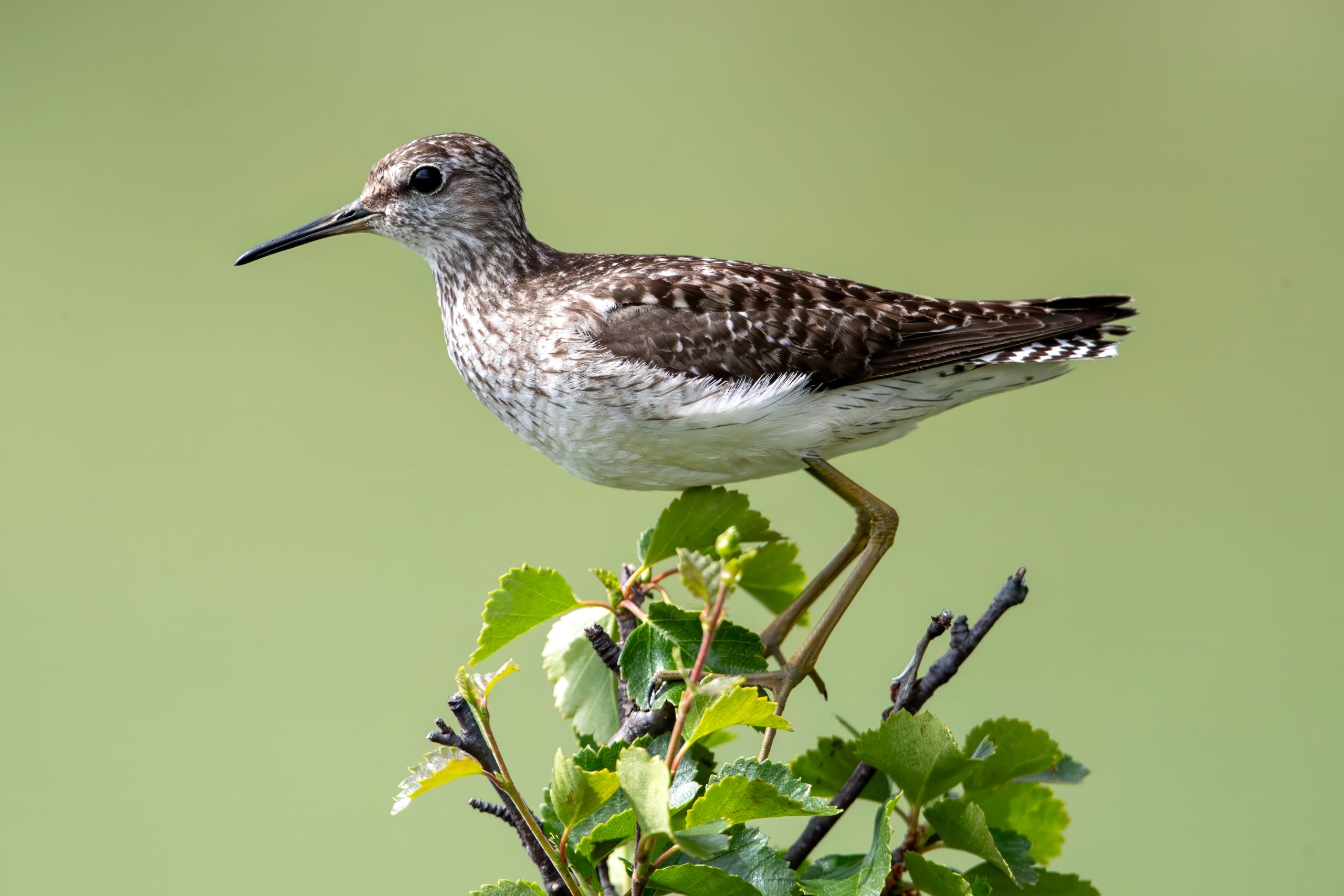
The clearest link with host condition appeared in first-year wood sandpipers (Tringa glareola). In analyses of 454 wood sandpipers and 384 common snipes (Gallinago gallinago) at Jeziorsko, wood sandpipers with more lice had lower fat reserves and lower body mass corrected for body size. No comparable relationship was found in common snipes. The result is correlational, so the study cannot show whether heavier louse loads reduced condition or whether birds in poorer condition accumulated more lice.
Season and stopover site also changed the pattern
The two species also showed different seasonal patterns. Louse abundance increased over the migration period in wood sandpipers, whereas both prevalence and abundance decreased in common snipes. The authors discuss migration strategy as one possible contributor: wood sandpipers are time-constrained long-distance migrants, while common snipes migrate shorter distances and many first-year birds replace wing feathers during migration, which may physically remove lice.
Infestation was also higher at the artificial reservoir than in the natural river valley. The authors suggest that the larger, denser shorebird aggregations at Jeziorsko may create more opportunities for louse transmission. Because the rapid visual inspection covered only the wings, the reported values describe lice detected there and probably underestimate each bird’s complete louse load.
Disease, parasites & microbiology
Related news
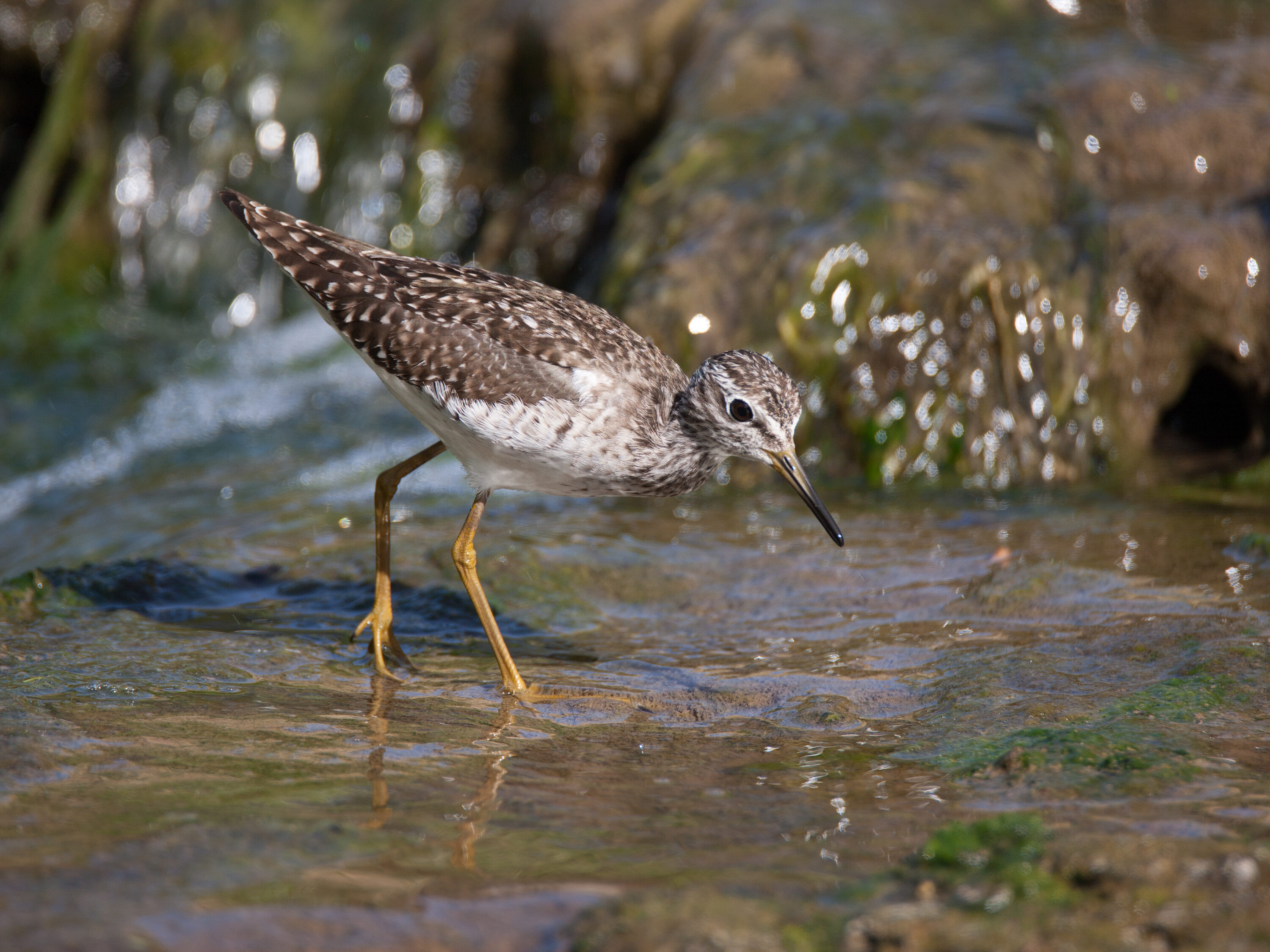
Female Wood Sandpipers Were Larger, but Body Measurements Reliably Sexed Only About 17% of Birds
Females were larger than males in all measured linear traits, but the sexes overlapped strongly. With thresholds designed…
Read story →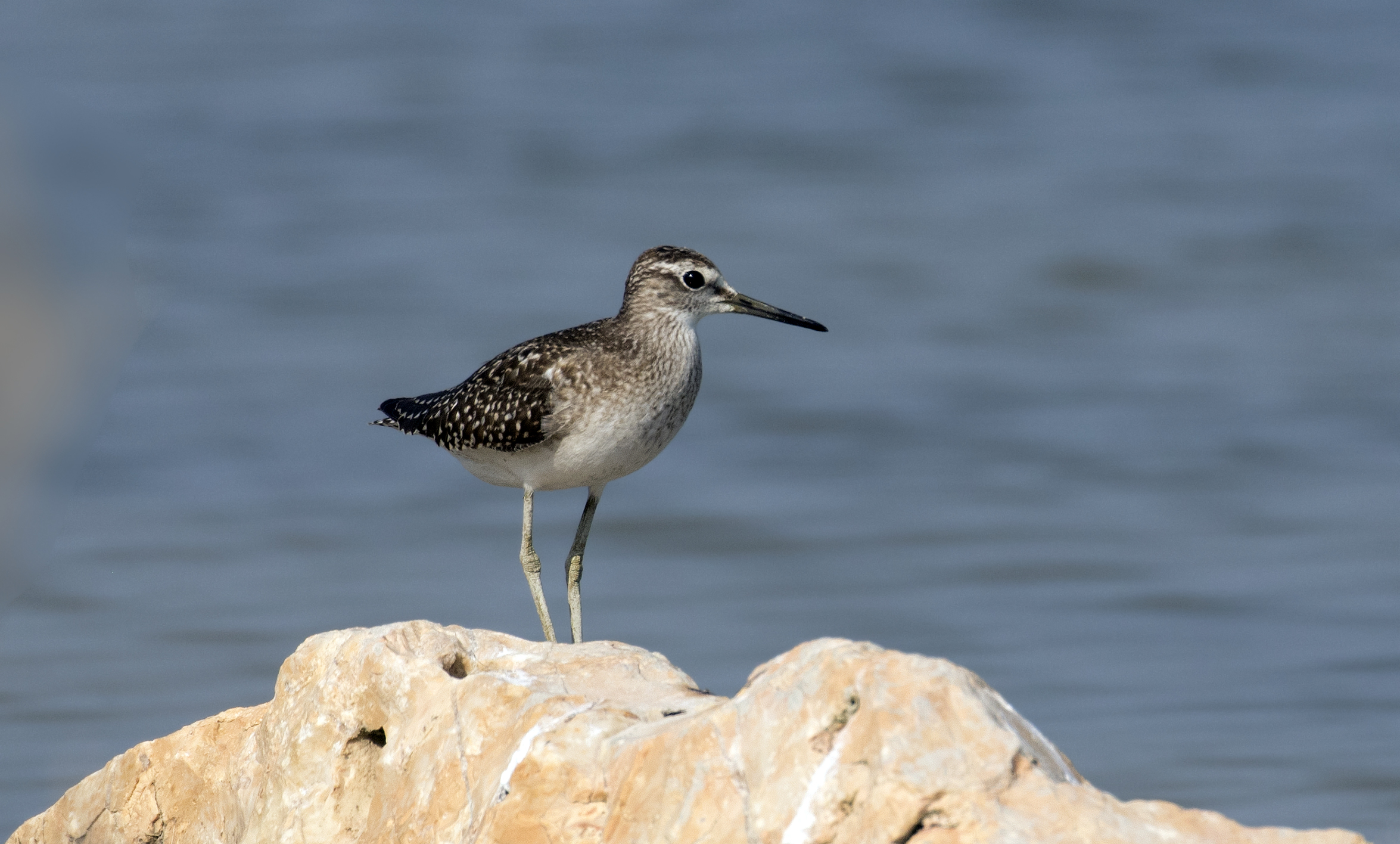
Cloacal Microbiome Composition Differed Between Wood Sandpipers and Common Snipes at a Hungarian Stopover Site
At a Hungarian migration stopover, 16S sequencing of 54 Wood Sandpipers and Common Snipes found similar within-sample bacterial…
Read story →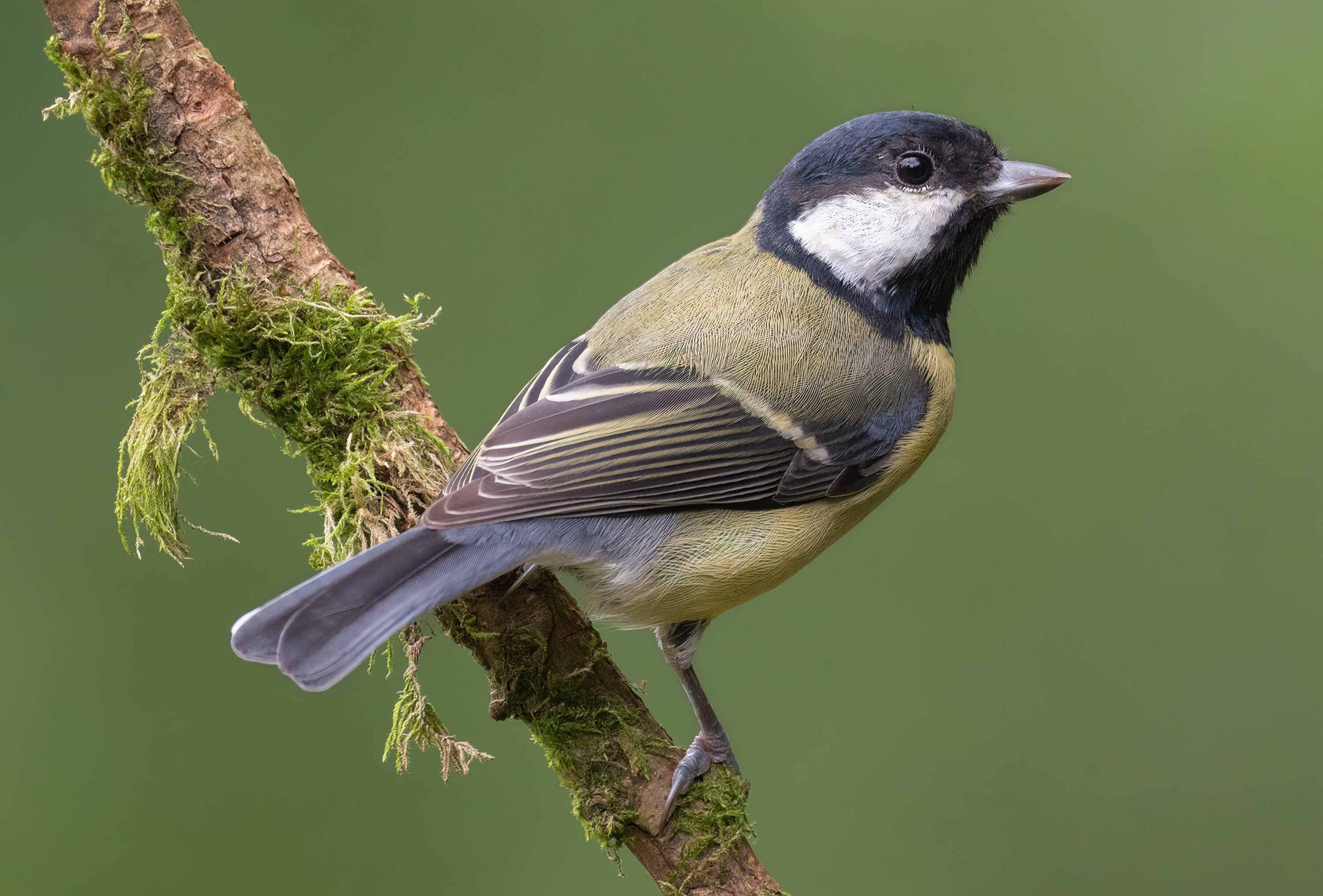
Great Tits Infected Ticks With Borrelia Most Often During Breeding
Across 420 xenodiagnoses in northern Belgium, wild Great Tits were much more likely to transmit Borrelia garinii to…
Read story →SPECIES IN THIS STORY
Species in this story
Independent research and conservation news archive
Did you find this information useful?
Wildlife Vagabond is independently built and maintained. Voluntary support helps cover source verification, hosting and continued work on research and conservation news.
Support Wildlife VagabondThe news archive will remain freely available.