
Cloacal Microbiome Composition Differed Between Wood Sandpipers and Common Snipes at a Hungarian Stopover Site
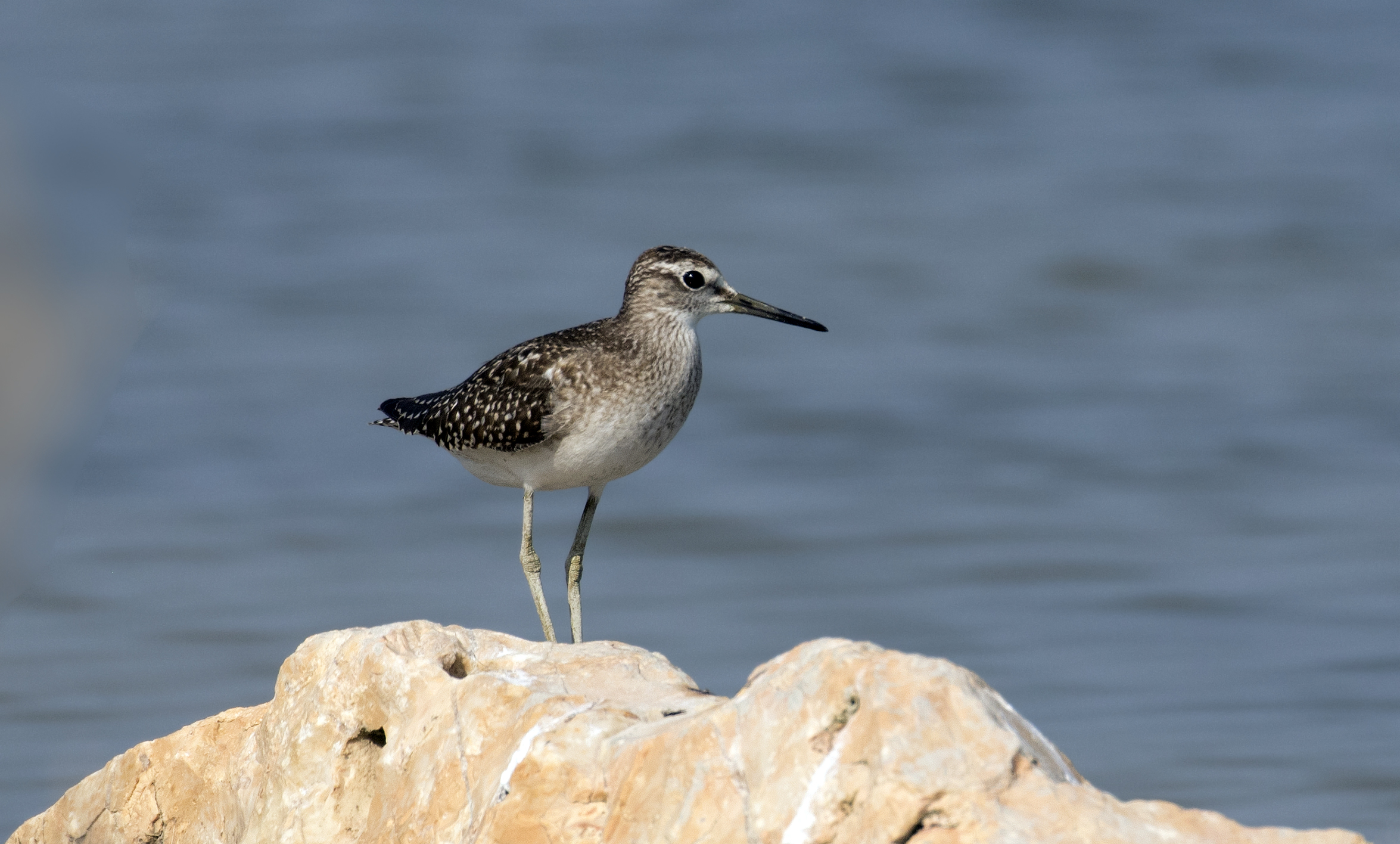
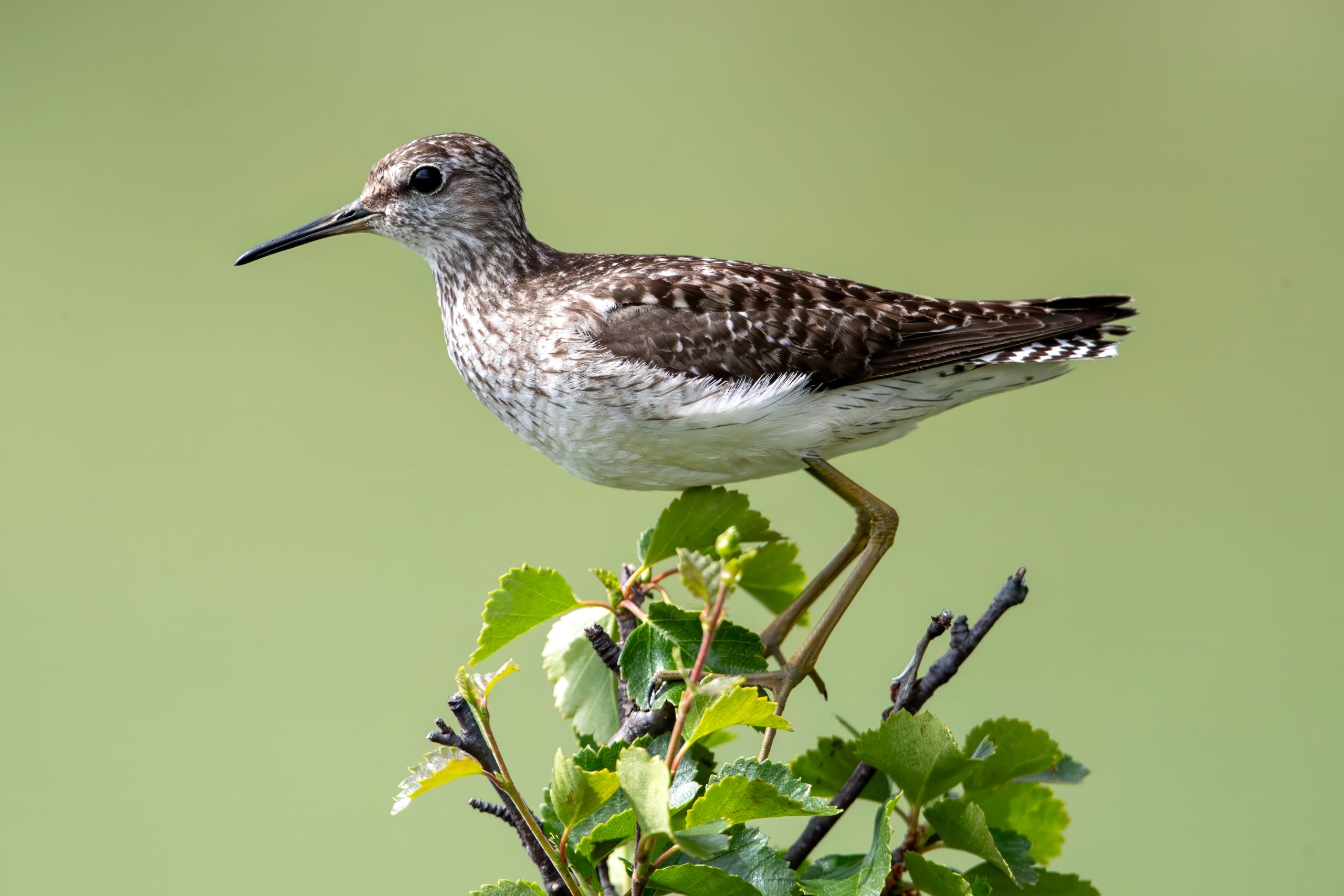
Wood sandpipers (Tringa glareola) and common snipes (Gallinago gallinago) using the same Hungarian wetland during migration carried different cloacal bacterial communities. The study analysed swabs from 54 birds caught at Andaháza near Berettyóújfalu between late July and late October 2023: 21 wood sandpipers and 33 common snipes.
The cloaca is the shared opening of the digestive, urinary and reproductive tracts in birds. Researchers sequenced the bacterial 16S rRNA gene from the swabs to compare which bacterial groups were present, how diverse each sample was and how similar individuals of the same bird species were to one another.
Overall diversity was similar, but community composition differed
The sequencing data contained 1,109 bacterial taxa assigned to species level across 18 phyla. Measures of alpha diversity — the amount and evenness of bacterial diversity within each individual sample — did not differ significantly between wood sandpipers and common snipes.
The identities and relative abundances of the bacteria did differ. Host species explained 9.4% of the multivariate variation in community composition. Wood sandpipers had particularly high Fusobacteria abundance, averaging 29.4% of sequences compared with 8.8% in common snipes. Common snipes, in contrast, had a much larger share of Firmicutes.
Wood sandpiper microbiomes varied more among individuals
Common-snipe bacterial communities were more similar to one another, whereas wood sandpipers showed greater individual-to-individual variation. Using the study’s definition of a core microbiome — bacteria occurring in at least 80% of birds at a minimum relative abundance — only common snipe had taxa that met the threshold.
Catellicoccus marimammalinum occurred in nearly all common snipes and was much more abundant there than in wood sandpipers. It was also the single bacterial species that contributed most strongly to the overall compositional difference between the two hosts.
Feeding ecology is a possible explanation, not a demonstrated cause
The two shorebirds feed differently even at the same wetland. Common snipes probe more deeply into wet sediment with their long bills, whereas wood sandpipers rely more on visual prey detection in shallow water and near the surface. Wood sandpipers may therefore consume a larger proportion of insect prey and more chitin.
The authors propose that chitin-rich food and exposure to shallow-sediment microbes could contribute to the high Fusobacteria abundance in wood sandpipers. They point to N-acetylglucosamine, released during chitin breakdown, as one possible link known from other systems. This mechanism was not tested directly in the birds and remains a hypothesis.
DNA detection did not demonstrate infection or transmission
The 16S data included sequences assigned to bacterial species that can contain recognised animal or human pathogens, including Mycoplasma iowae, Brachyspira hyodysenteriae, Campylobacter jejuni, Aeromonas veronii and Vibrio cholerae. Sequences assigned to Escherichia coli and Enterococcus faecalis, which can also be relevant to antimicrobial-resistance monitoring, were detected as well.
Sequence detection alone does not show that these bacteria were alive, that the birds were infected or sick, or that they transmitted the organisms elsewhere. The result identifies bacterial DNA relevant to future One Health surveillance rather than demonstrating a disease event.
The clearest biological result is therefore not that one bird species had a generally “richer” microbiome. The species differed in which bacteria dominated and in how consistent their cloacal communities were among individuals. Feeding technique and diet may contribute, but many other factors affecting avian microbiomes were not measured in this study.
Disease, parasites & microbiology
Related news
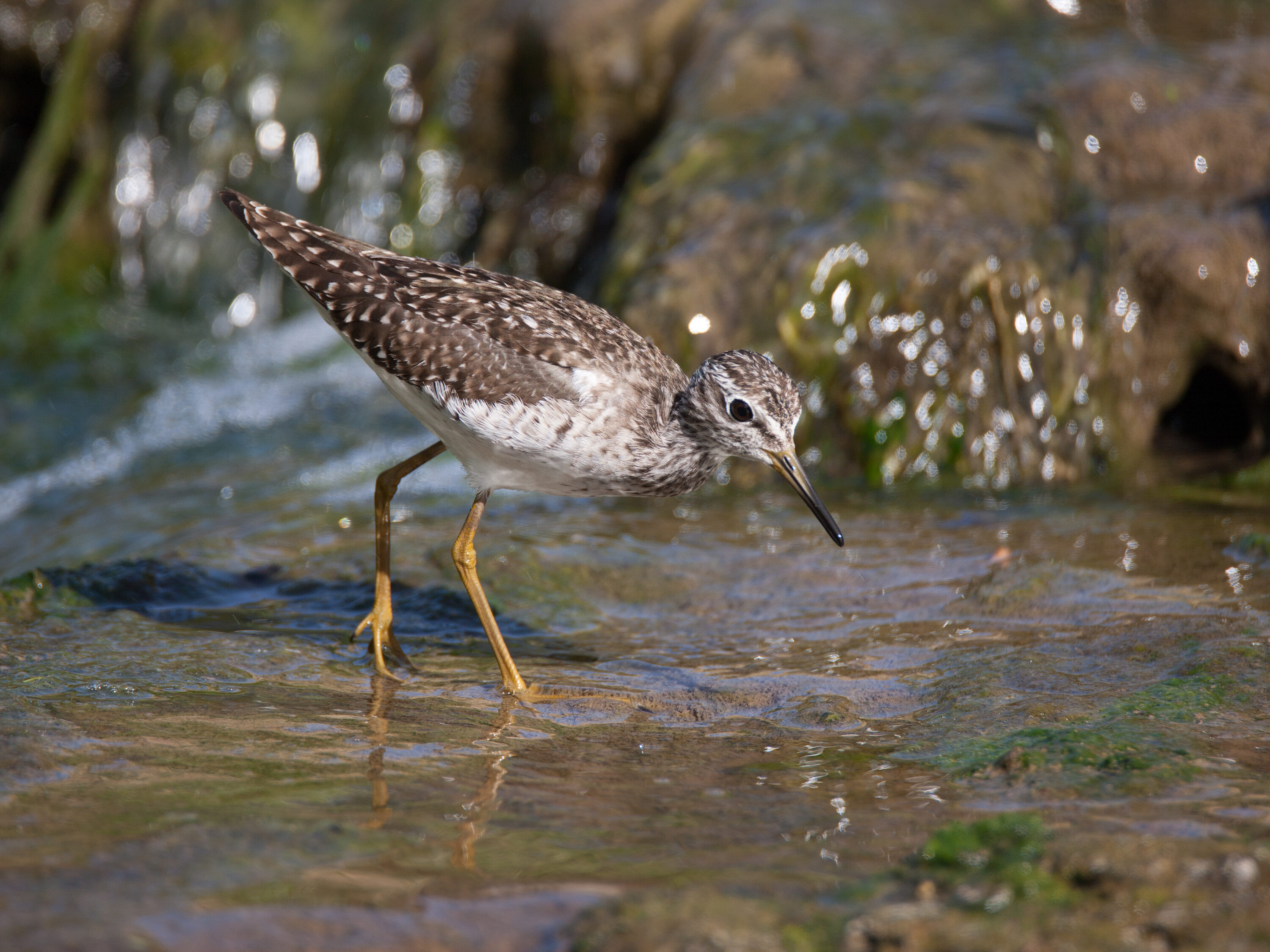
Female Wood Sandpipers Were Larger, but Body Measurements Reliably Sexed Only About 17% of Birds
Females were larger than males in all measured linear traits, but the sexes overlapped strongly. With thresholds designed…
Read story →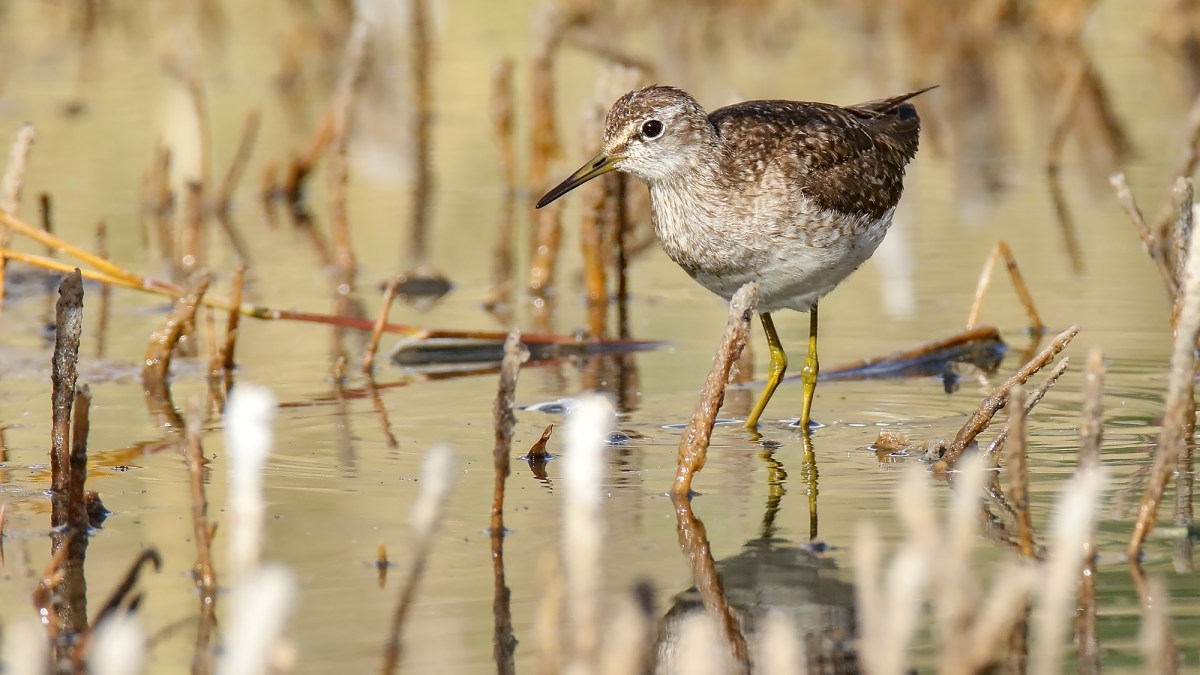
First-Year Shorebirds Were More Often Infested and Carried More Wing Lice During Migration in Poland
Among 1,403 migrating shorebirds from 20 species, first-year birds carried more lice on their wings than adults and…
Read story →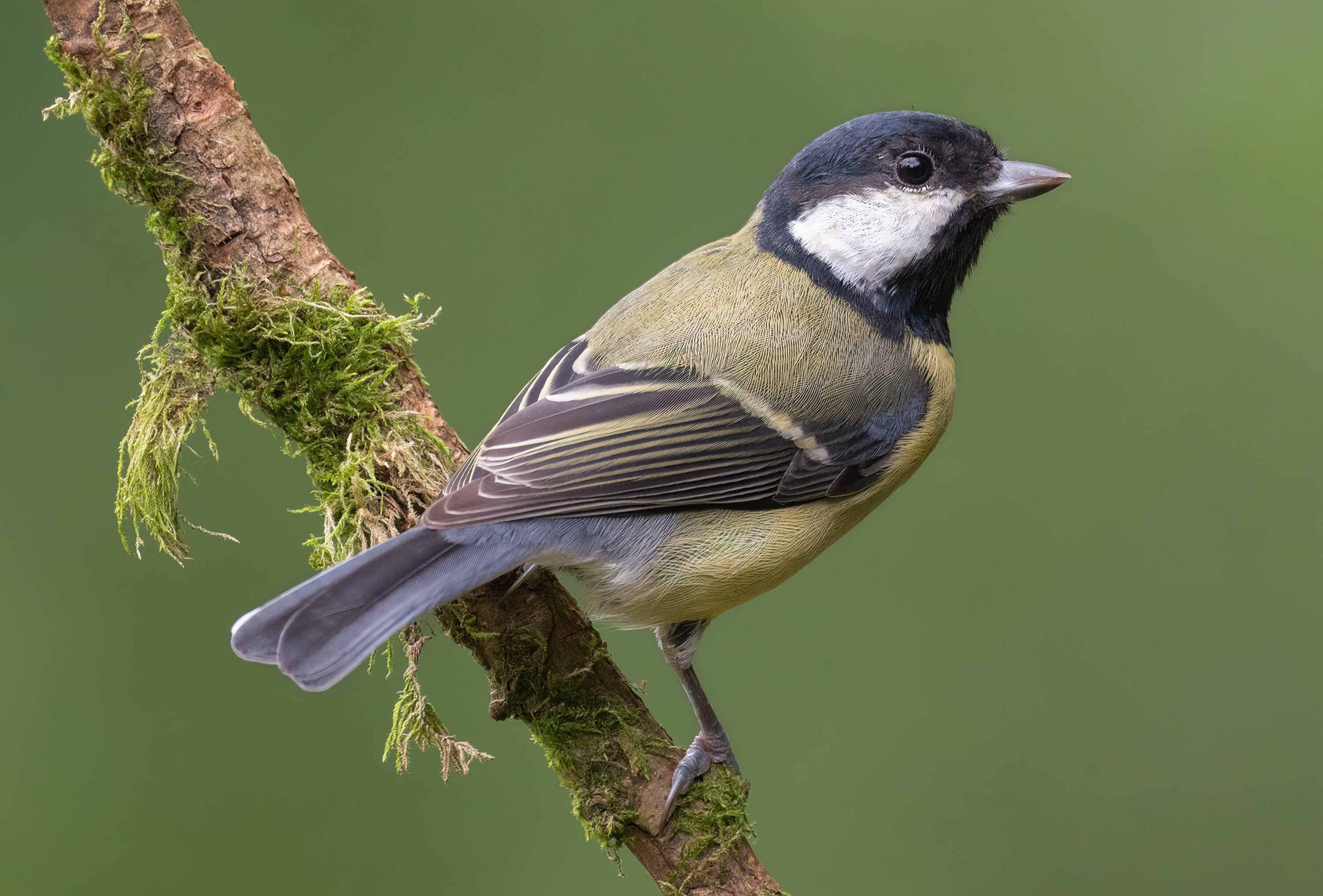
Great Tits Infected Ticks With Borrelia Most Often During Breeding
Across 420 xenodiagnoses in northern Belgium, wild Great Tits were much more likely to transmit Borrelia garinii to…
Read story →SPECIES IN THIS STORY
Species in this story
Independent research and conservation news archive
Did you find this information useful?
Wildlife Vagabond is independently built and maintained. Voluntary support helps cover source verification, hosting and continued work on research and conservation news.
Support Wildlife VagabondThe news archive will remain freely available.