
French Roe Deer Showed No Evidence of Established SARS-CoV-2 Despite Positive Screening Tests
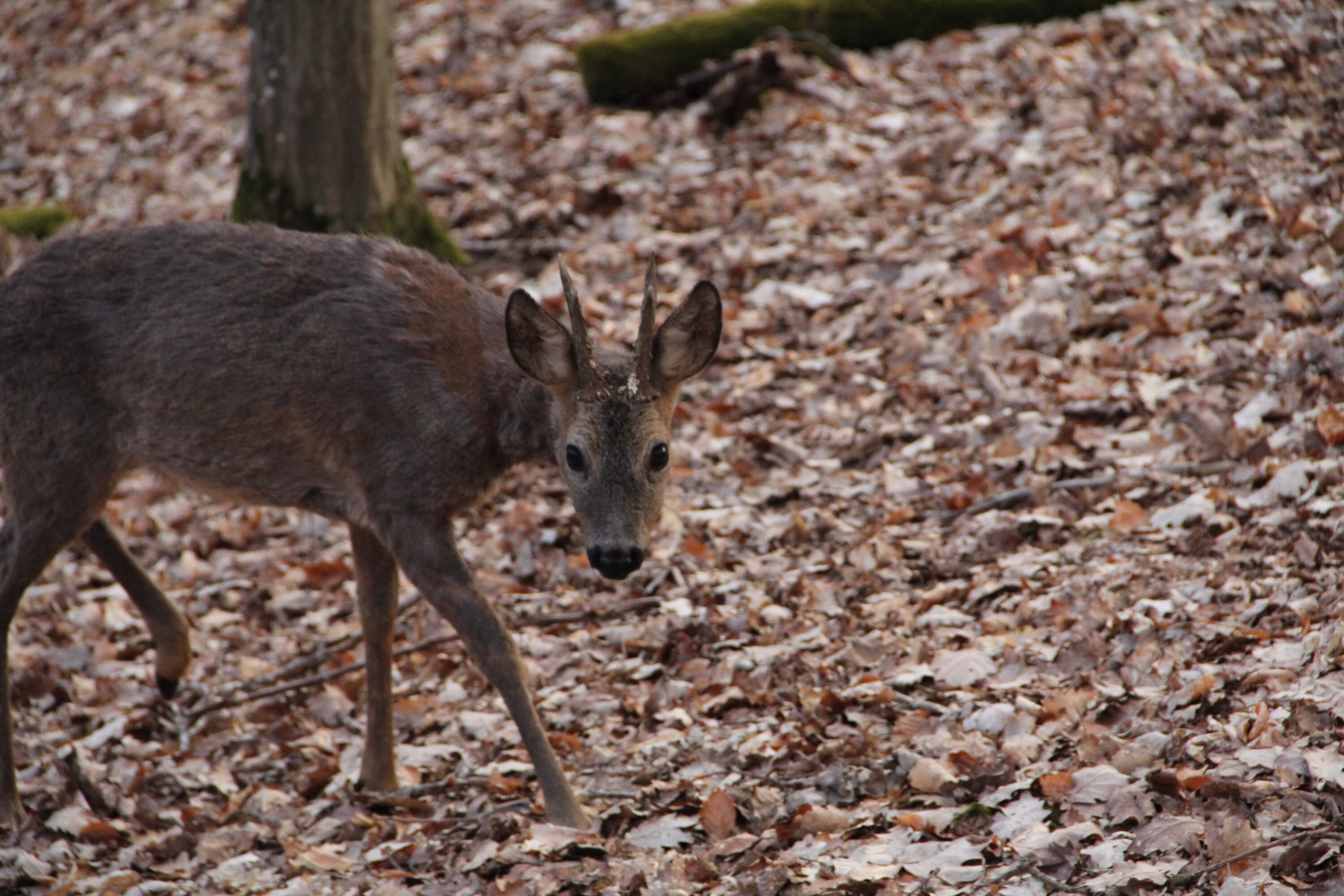
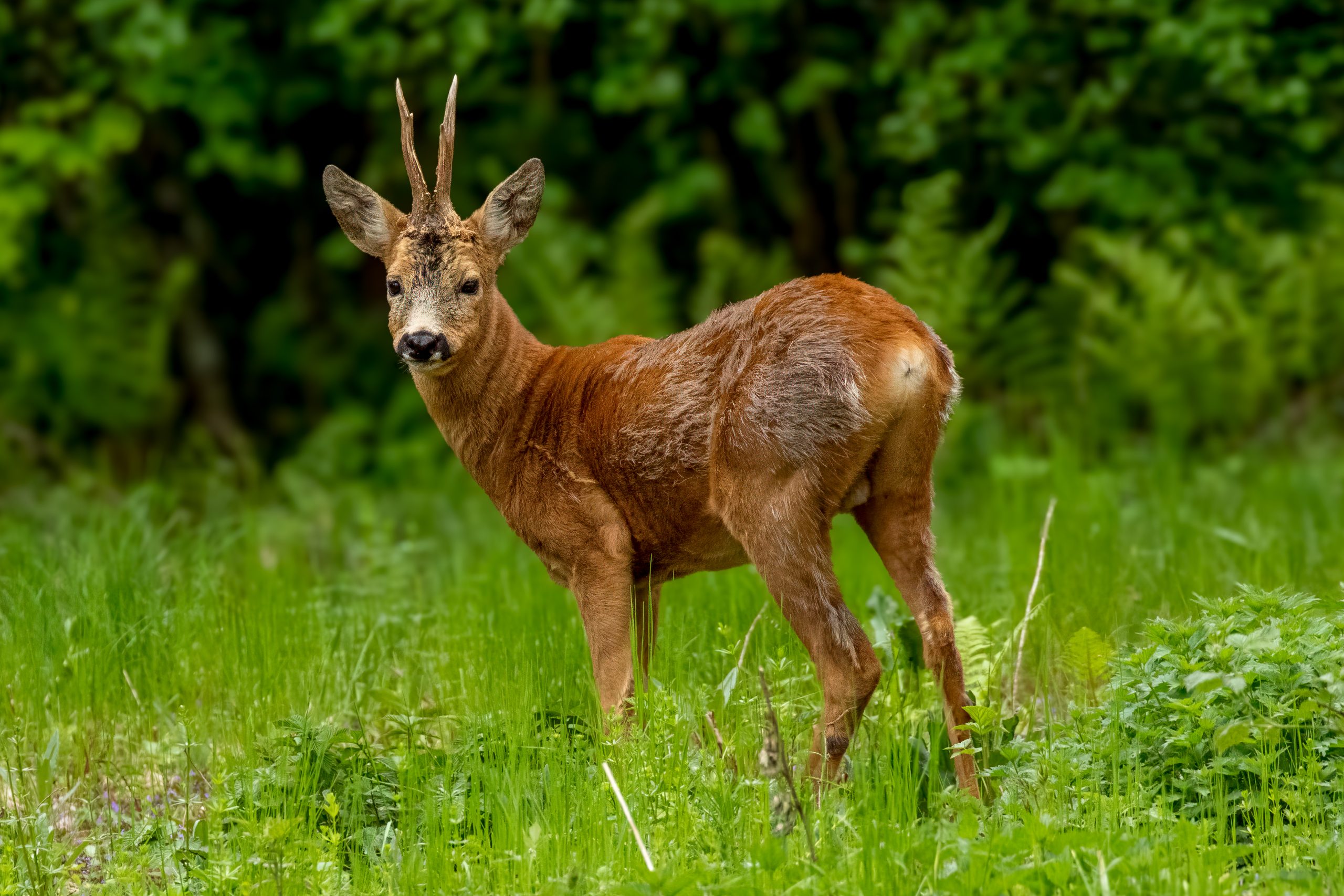
A long-term study of wild European roe deer (Capreolus capreolus) in France found no evidence that SARS-CoV-2 had become established in the monitored populations, despite repeated positive results in an initial antibody test. The study, published on 28 January 2026, compared samples collected before and after COVID-19 emerged in humans and also tested smaller samples of European fallow deer (Dama dama), red deer (Cervus elaphus) and sika deer (Cervus nippon).
The main dataset contained 2,134 serum samples from 1,289 roe deer sampled between 2010 and 2022 at five French study sites. Many animals were followed repeatedly, with some sampled up to nine times. In 2022 the researchers also collected serum from 16 fallow deer, nine red deer and five sika deer at Vercors Vie Sauvage. Direct virus testing used 244 nasal swabs: 205 from captured roe deer, 36 from hunted roe deer and three from hunted red deer.
Most ELISA-positive roe deer samples predated COVID-19
The initial ELISA detected antibodies reacting with the SARS-CoV-2 nucleocapsid protein in 47 of the 2,134 roe deer serum tests, or 2.2%. Crucially, 35 of those positive results came from samples collected in 2010–2020, before SARS-CoV-2 was circulating in the French human population. Three positives were recorded in 2021 and nine in 2022.
Across the roe deer populations combined, ELISA seroprevalence did not clearly increase after COVID-19 emerged. Chizé was the exception: eight of 119 samples from 2022 were ELISA-positive, giving a clear increase relative to the earlier period. The other sufficiently sampled populations did not show the same pattern.
The longitudinal records also showed that ELISA reactivity could appear and disappear within individuals. Of 19 ELISA-positive roe deer that were sampled more than once, previously negative animals sometimes tested positive in later years and previously positive animals later tested negative. Only one animal tested positive in two different years.
Confirmatory tests did not support SARS-CoV-2 infection
The ELISA result alone could not establish which coronavirus the antibodies had recognised. The screening assay detected antibodies against the SARS-CoV-2 nucleocapsid protein, whereas the confirmatory seroneutralisation assay tested whether serum could neutralise particles carrying the SARS-CoV-2 spike protein. Thirteen ELISA-positive roe deer samples — nine collected after the emergence of COVID-19 and four from the earlier period — were tested by seroneutralisation, and all were negative.
Direct testing gave the same overall picture. None of the 244 nasal swabs collected in 2022 was positive for SARS-CoV-2 RNA by RT-PCR. This included 205 captured roe deer, ten of which had been ELISA-positive, as well as 36 hunted roe deer and three hunted red deer.
Other cervids also produced isolated ELISA positives
Among the additional cervids sampled at Vercors Vie Sauvage, one of 16 fallow deer and one of five sika deer were ELISA-positive, while all nine red deer were negative. These were small samples, so the percentages do not provide robust estimates of population prevalence. The positive fallow- and sika-deer results nevertheless added to the evidence that the screening assay may have been detecting antibodies that cross-react with another coronavirus rather than documenting SARS-CoV-2 circulation.
The authors discuss several possible sources of cross-reaction, including coronaviruses related to bovine coronavirus and other as-yet unidentified coronaviruses in wildlife. They do not identify the virus responsible, and the geographic pattern did not clearly support either cattle exposure or human coronavirus transmission as a single explanation. Their conclusion is therefore cautious: the study found no evidence that SARS-CoV-2 had emerged as an established infection in the monitored roe deer populations, but the recurring ELISA reactions suggest exposure to one or more other coronaviruses that remain to be identified.
Disease, parasites & microbiology
Related news
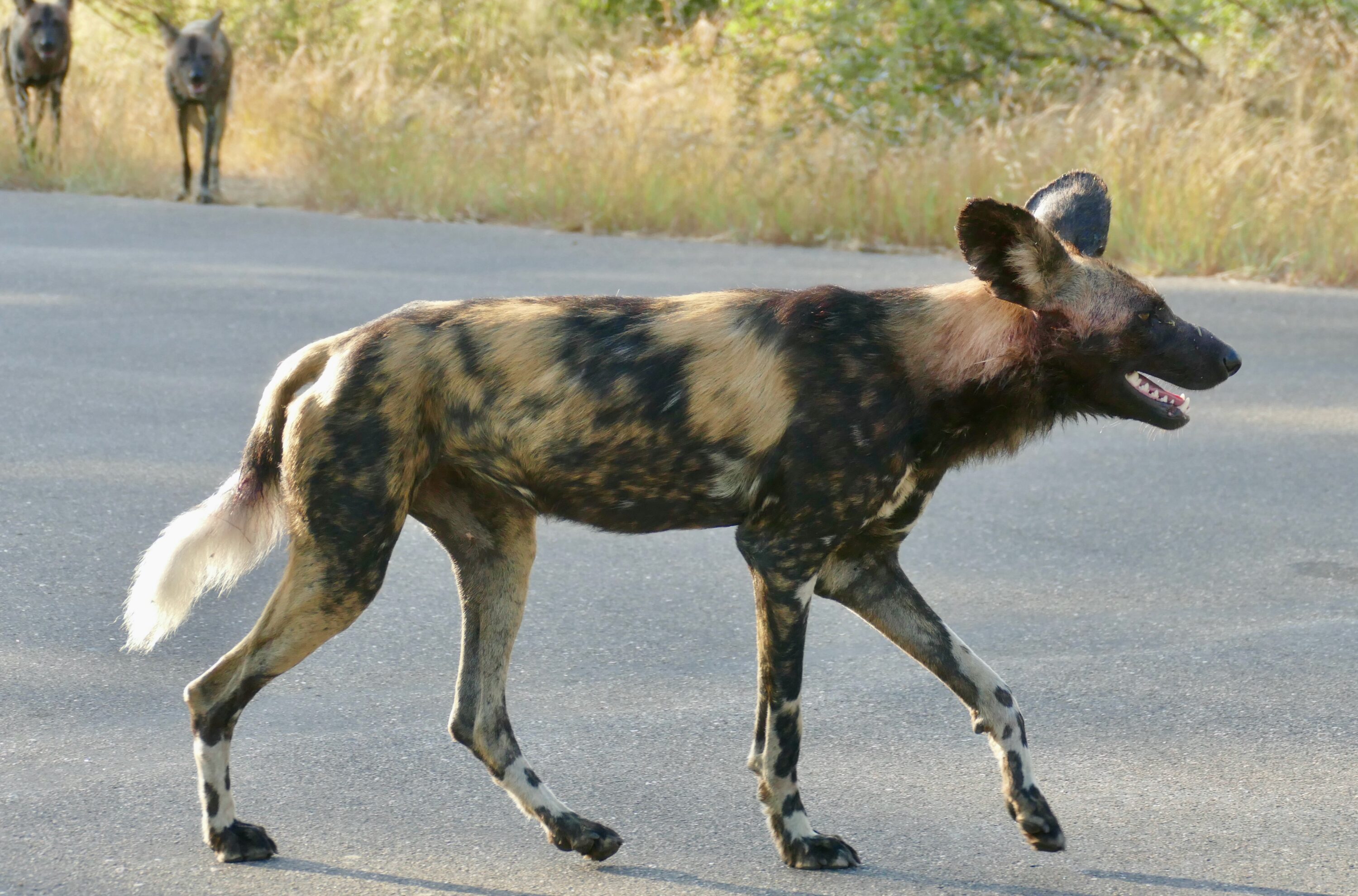
Gut Microbiomes Across Nine Kruger Mammals Clustered More Strongly by Dietary Group Than Species
A study of 89 quality-filtered faecal samples from nine wild mammals in Kruger National Park found that carnivores,…
Read story →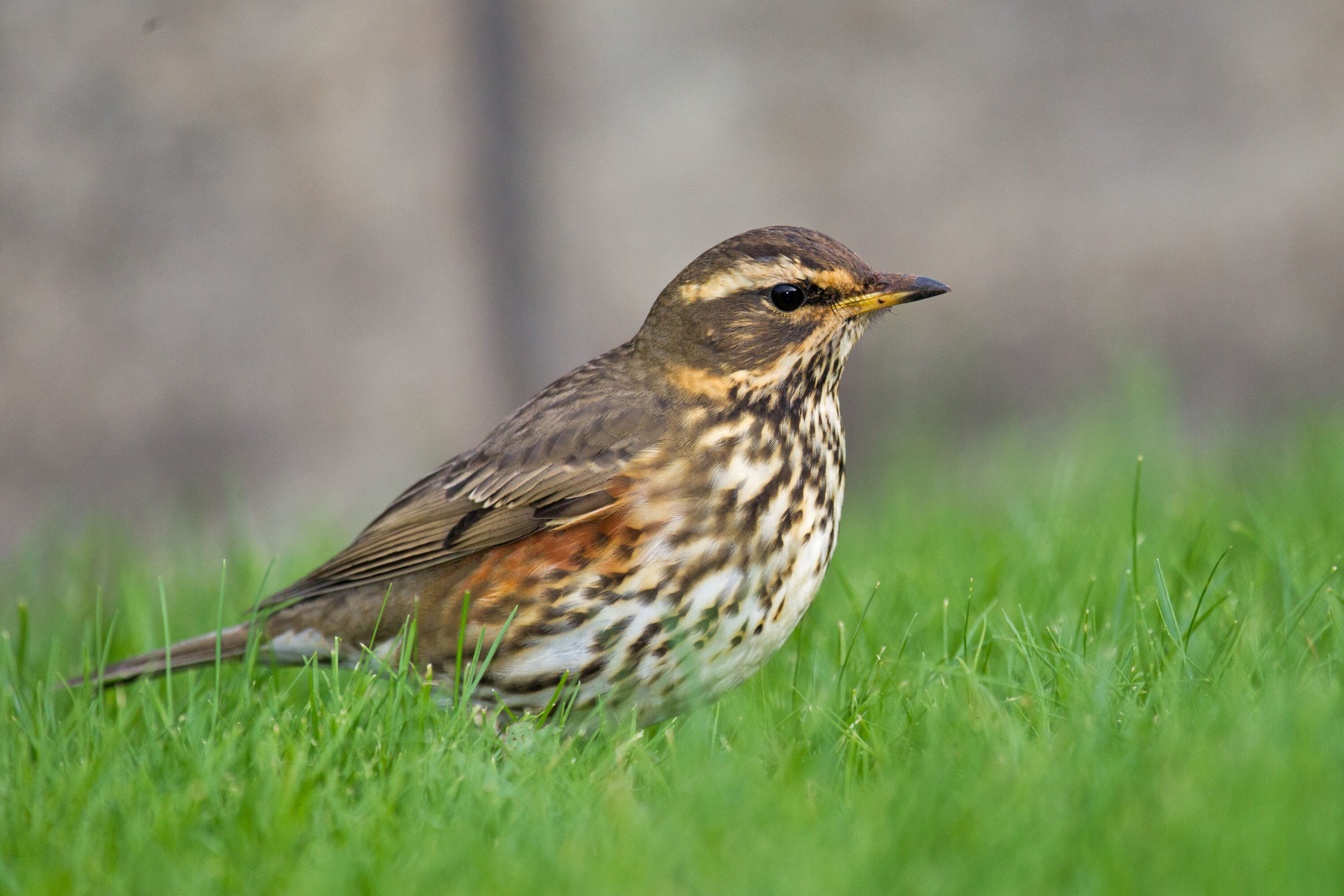
Nearly Three-quarters of Migrating Redwings Carried Ticks During Two Mild Belgian Autumns
Ticks were found on 72.9% of 284 redwings sampled during late-autumn migration in Belgium; 12.9% of 698 screened…
Read story →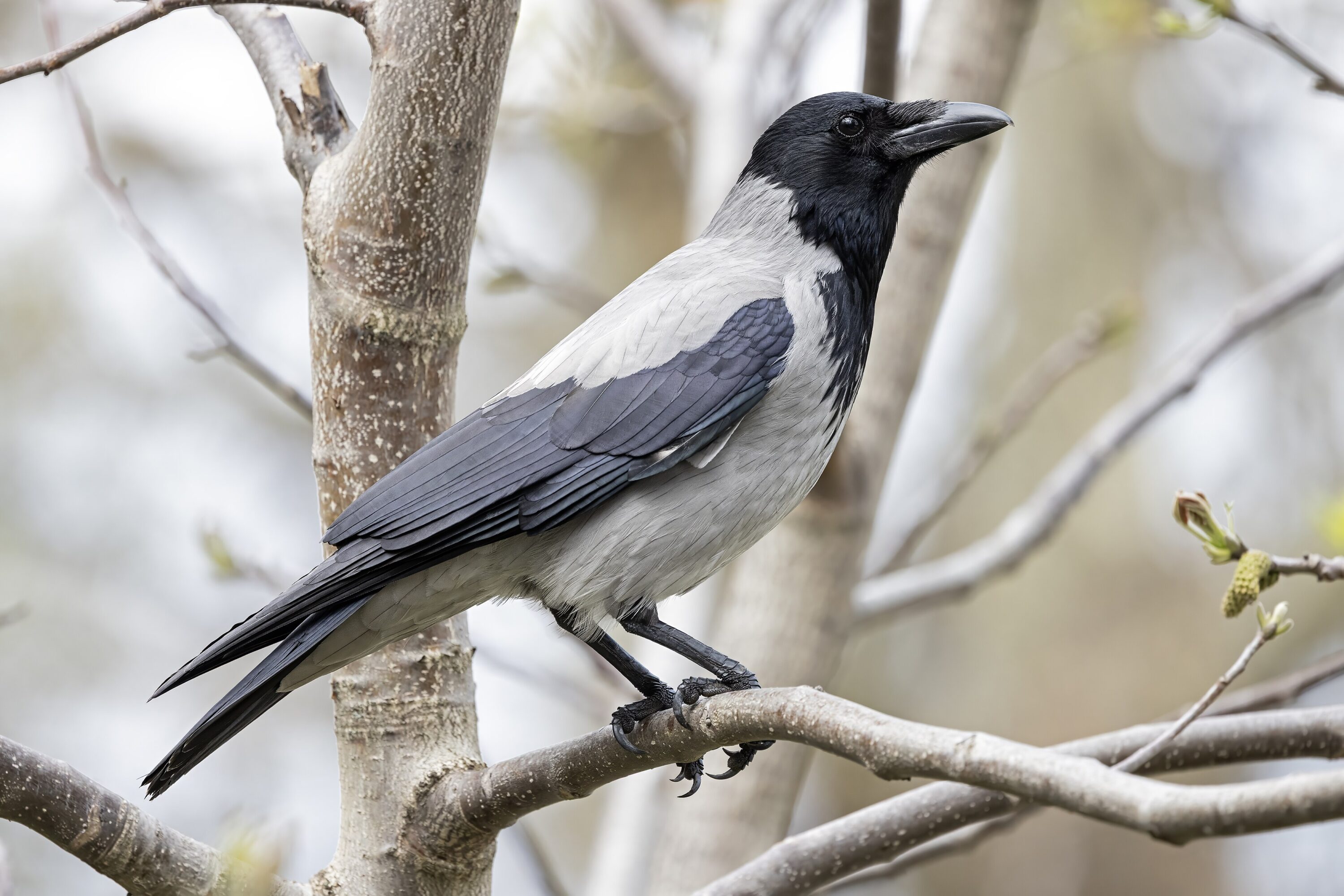
Hooded Crows Were Linked to 87 Reported West Nile Virus Bird Outbreaks in Europe
The September ECDC–EFSA report linked hooded crows to 87 reported West Nile virus bird outbreaks, Eurasian magpies to…
Read story →SPECIES IN THIS STORY
Species in this story
Independent research and conservation news archive
Did you find this information useful?
Wildlife Vagabond is independently built and maintained. Voluntary support helps cover source verification, hosting and continued work on research and conservation news.
Support Wildlife VagabondThe news archive will remain freely available.