
Expanded Genetic Database Helps Rehabilitated Leopard Tortoises Return to the Right Region
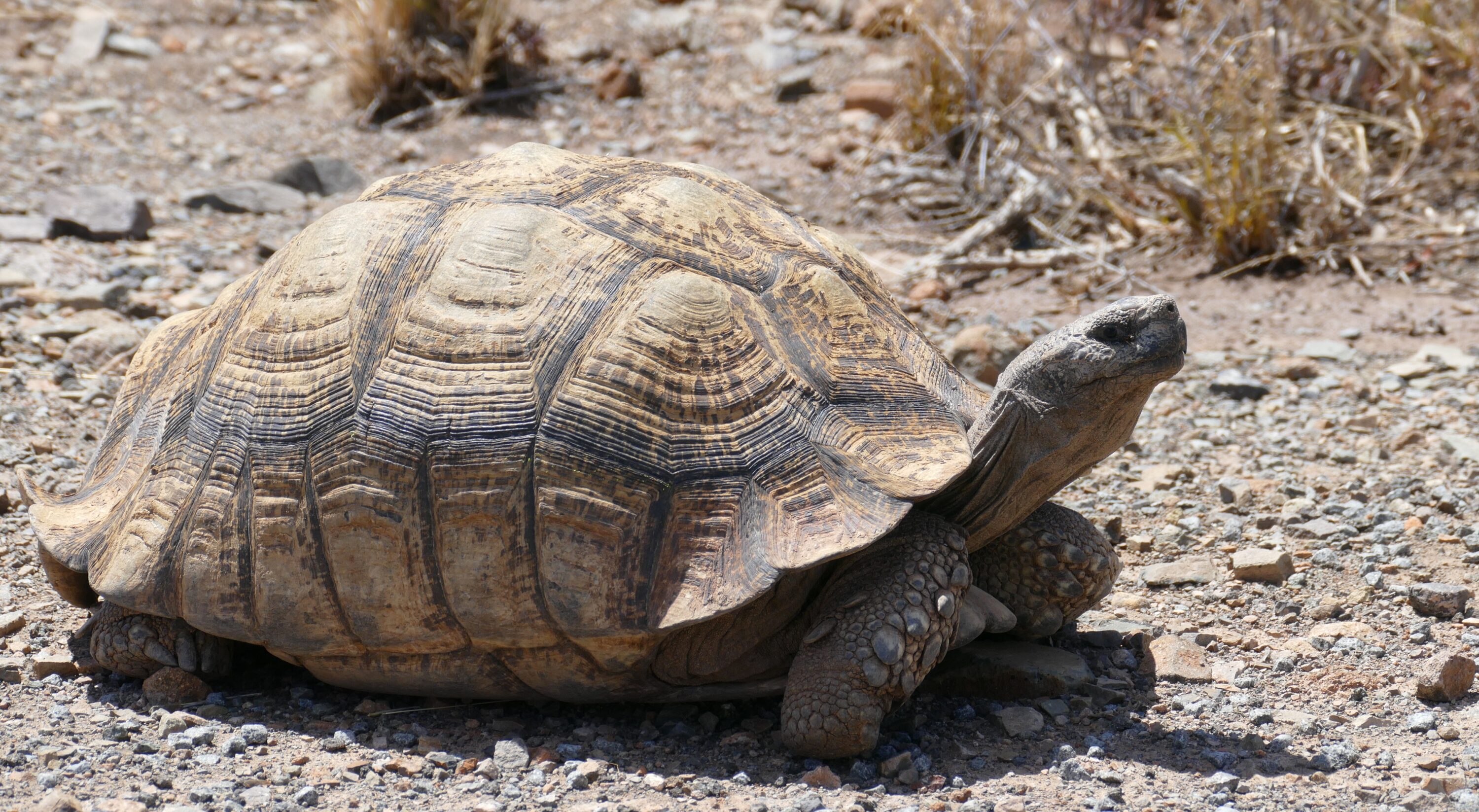
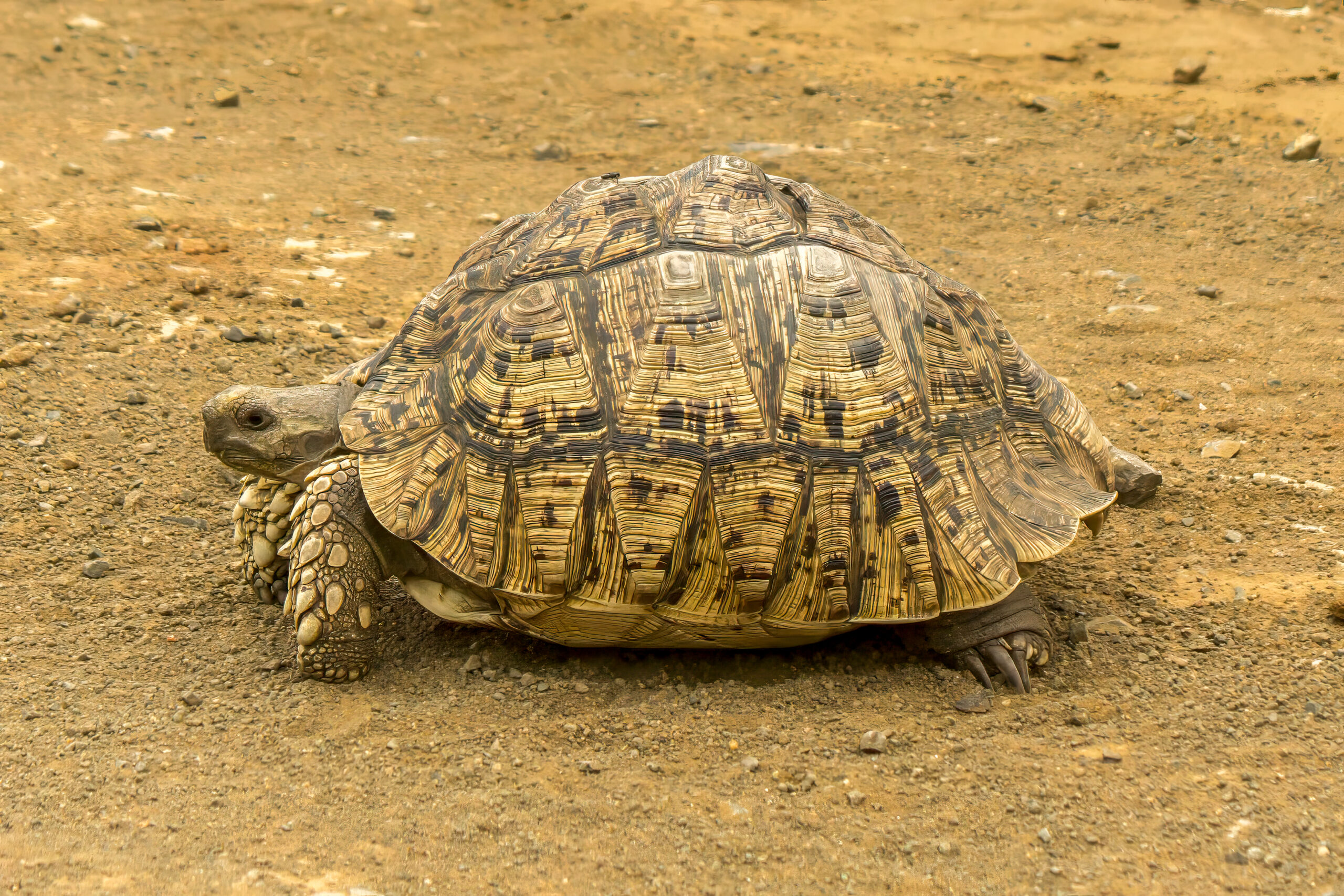
Wild animals brought into rehabilitation centres are not always found close to where they originally lived. For leopard tortoises (Stigmochelys pardalis), releasing an animal into the wrong region can mix populations that have different genetic histories. A study published on 21 March 2026 shows how an expanded genetic reference database can help solve this problem.
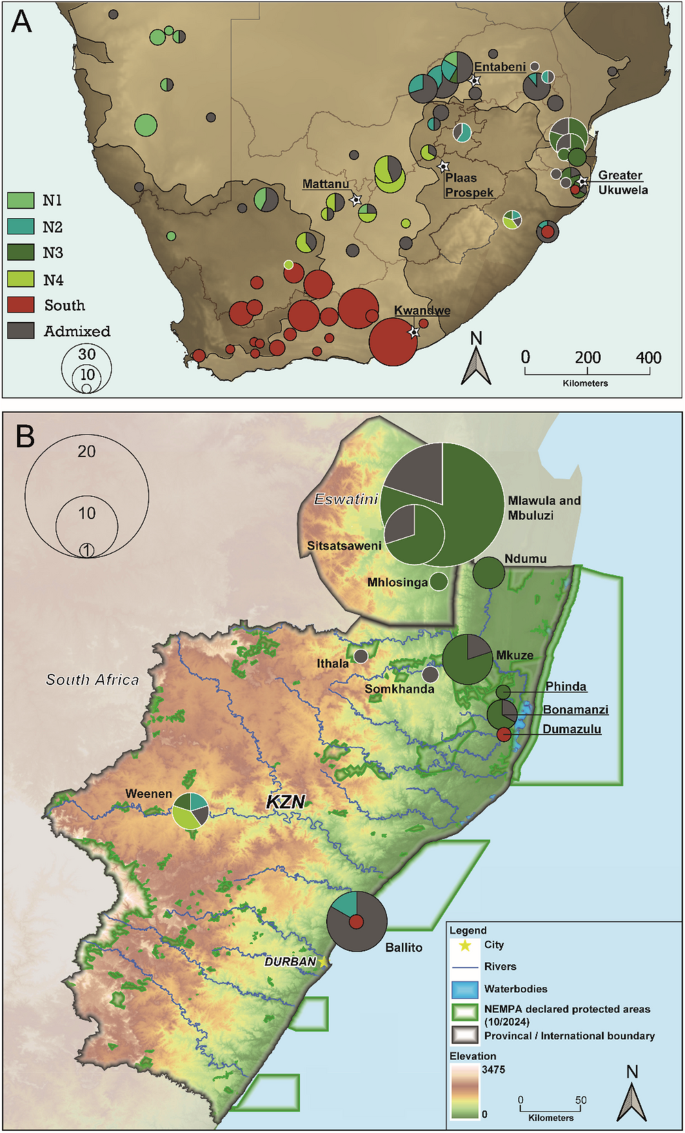
Researchers added 50 newly sampled wild tortoises from South Africa and Eswatini to an existing reference database, bringing it to 320 wild individuals. They compared variation in microsatellite markers — short repeated DNA regions that can differ among populations — with 50 tortoises at the FreeMe Wildlife rehabilitation centre whose geographical origins were unknown.
Only one tortoise matched the local genetic cluster
Only one of the 50 tortoises matched the genetic cluster native to KwaZulu-Natal. The other 49 either belonged to genetic groups from elsewhere or showed mixed ancestry. The authors conclude that all but one originated outside KwaZulu-Natal, with some having been moved hundreds or even more than a thousand kilometres. This demonstrates why simply releasing every rehabilitated tortoise near the rehabilitation centre could move animals far outside the population from which they originated.
Genetics identified release regions for 32 tortoises
The genetic analysis allowed 32 of the 50 tortoises to be assigned with enough confidence to a particular genetic cluster and an appropriate release region. The remaining 18 showed such mixed genetic ancestry that the researchers could not confidently identify a suitable release area.
By the time the study was published, 27 of the tortoises had been released. All but one went through a six-month soft-release period, in which animals are gradually acclimatised at or near the release site before becoming completely free-ranging.
The release decisions show how conservation genetics can be applied in practice. Genetic differences within a widespread species can matter even when all animals belong to the same species. Knowing where an individual is most likely to have originated can reduce the risk of mixing distinct populations and make wildlife rehabilitation more useful for long-term conservation.
Management
Related news
India’s Cheetah Project Sparked Debate Over Deaths, Transparency and Whose Expertise Counted
A review of 28 documents about Project Cheetah in India found sharply different accounts of its conservation goals,…
Read story →
Living With Carnivores Is About More Than Livestock Losses
Near Iran’s Golestan National Park, researchers explored what was associated with people’s willingness to accept leopards, wolves and…
Read story →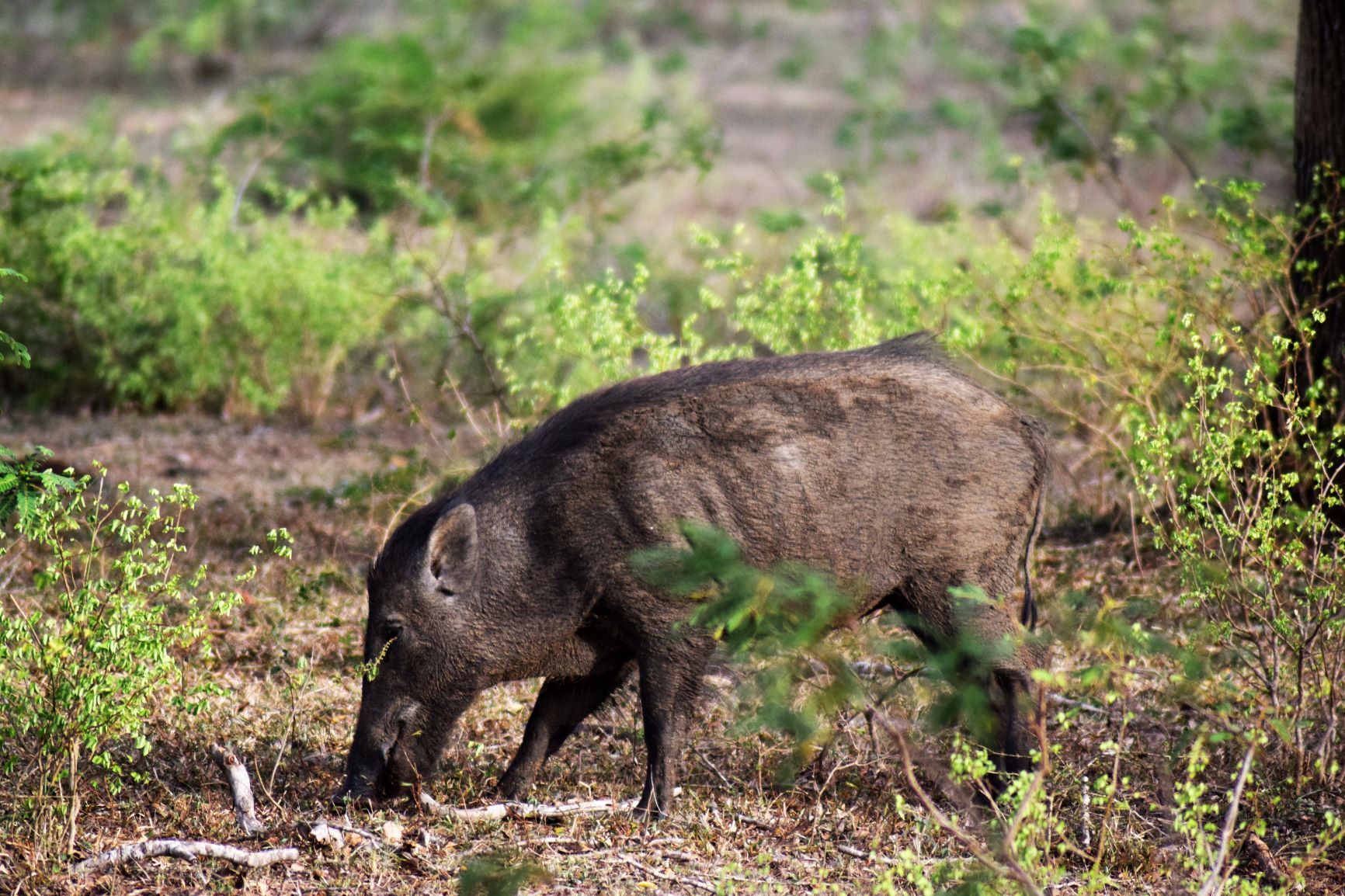
Maps Show Where Wild Boar Could Thrive and Spread on Jeju Island
Researchers mapped potentially suitable wild-boar habitat across roughly 36% of Jeju Island and identified eight possible corridors linking…
Read story →SPECIES IN THIS STORY
Species in this story
Independent research and conservation news archive
Did you find this information useful?
Wildlife Vagabond is independently built and maintained. Voluntary support helps cover source verification, hosting and continued work on research and conservation news.
Support Wildlife VagabondThe news archive will remain freely available.