
Pathogenic Leptospira DNA Was Detected in 3.1% of 1,281 Wild Boar Kidneys in Germany
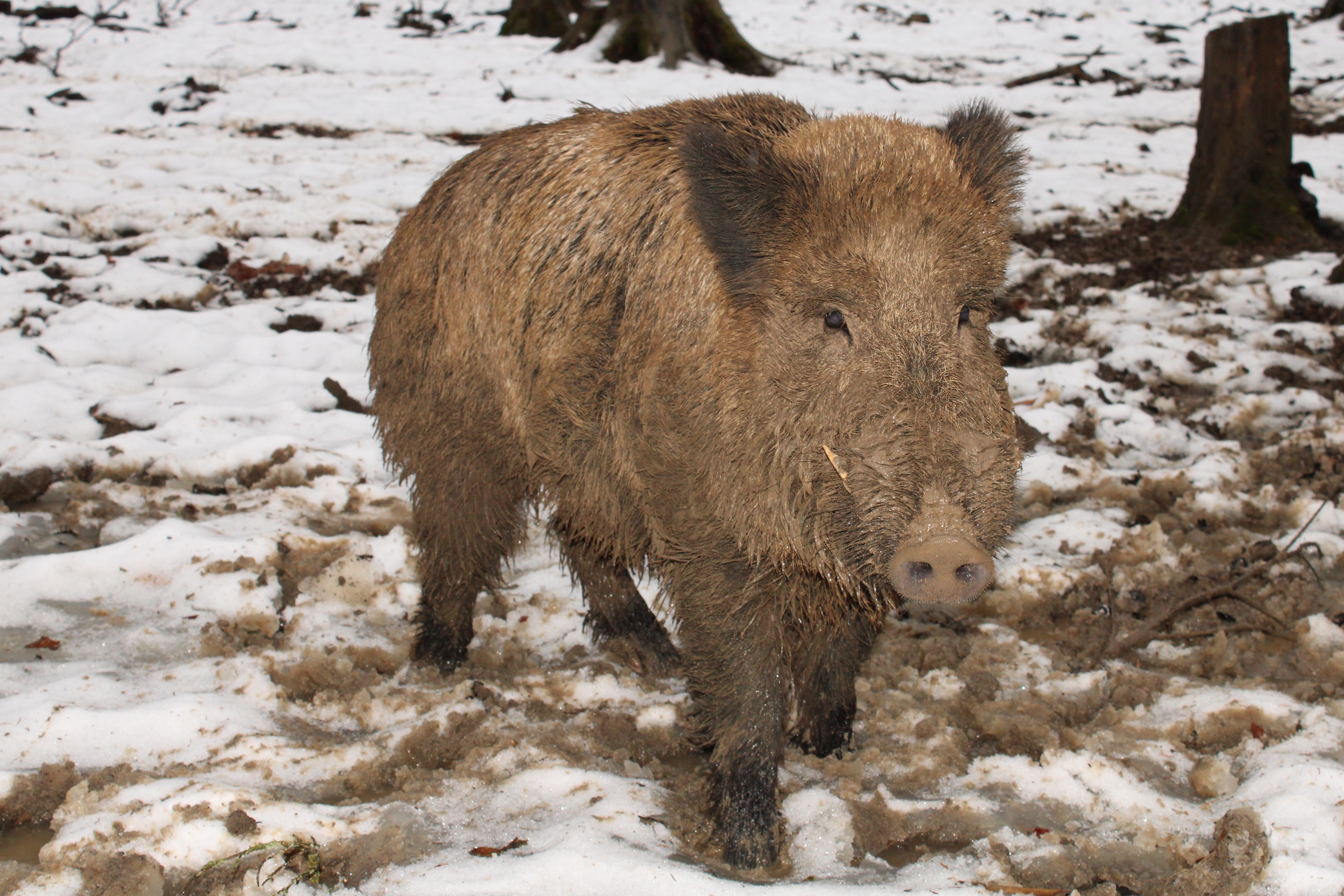
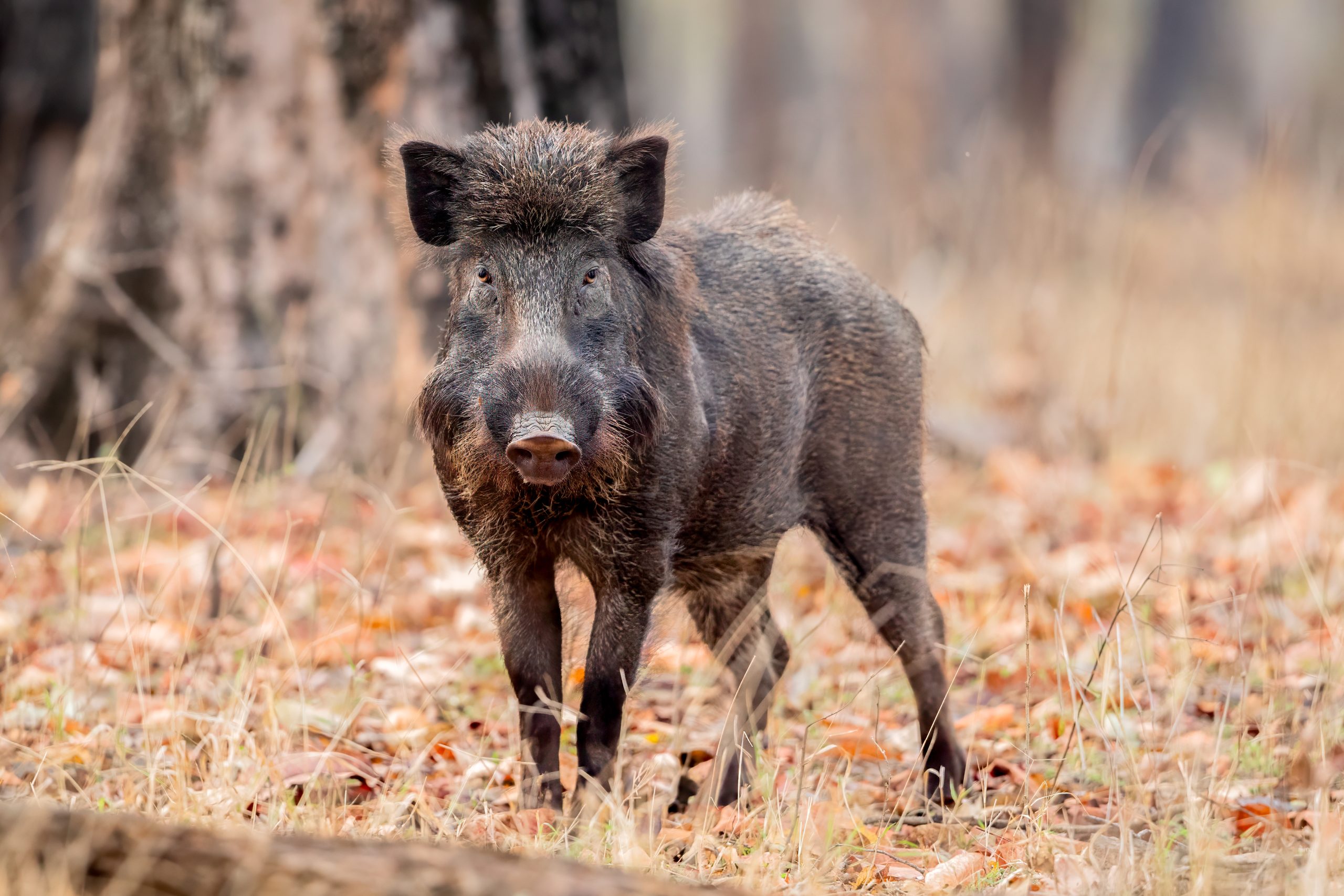
A study of wild boar (Sus scrofa) hunted in Saxony-Anhalt, Germany, in 2024 found DNA from pathogenic Leptospira in 3.1% of 1,281 kidney samples. DNA from intermediate Leptospira was detected in a further 0.6%. Intermediate leptospires form a group whose ability to cause disease is less well understood than that of the main pathogenic species.
Leptospirosis is a zoonotic disease caused by bacteria in the genus Leptospira. Pathogenic leptospires can persist in the kidneys of carrier animals and be shed in urine, contaminating water and soil; this is why detection in apparently healthy wild boar matters for understanding environmental transmission.
The researchers tested kidney material using real-time PCR and examined differences among districts, age classes, seasons and sexes. Pathogenic Leptospira DNA was detected across most of the study area, with the highest prevalence in Salzlandkreis at 9.3%. Sub-adults had the highest prevalence among the age classes at 4.9%, while autumn had the highest seasonal prevalence at 5.8%. No clear difference was found between males and females.
L. interrogans dominated the positive samples
Sequence analysis identified Leptospira interrogans in 62.5% of the pathogenic-positive samples, followed by L. borgpetersenii at 20.0% and L. kirschneri at 5.0%; some positive samples could not be characterized further. All intermediate sequences with sufficient data belonged to L. fainei. According to the authors, this is the first molecular evidence of intermediate L. fainei DNA in wild-boar kidneys in Germany.
Wild boar can act as renal carriers
The authors conclude that wild boar can act as renal carriers of Leptospira. Detecting the bacteria’s DNA in kidney tissue is consistent with current renal colonization and therefore with the potential for bacteria to be shed in urine and enter the environment. The sampled wild boar were apparently healthy, so the findings do not mean that they had clinical leptospirosis.
Disease, parasites & microbiology
Related news
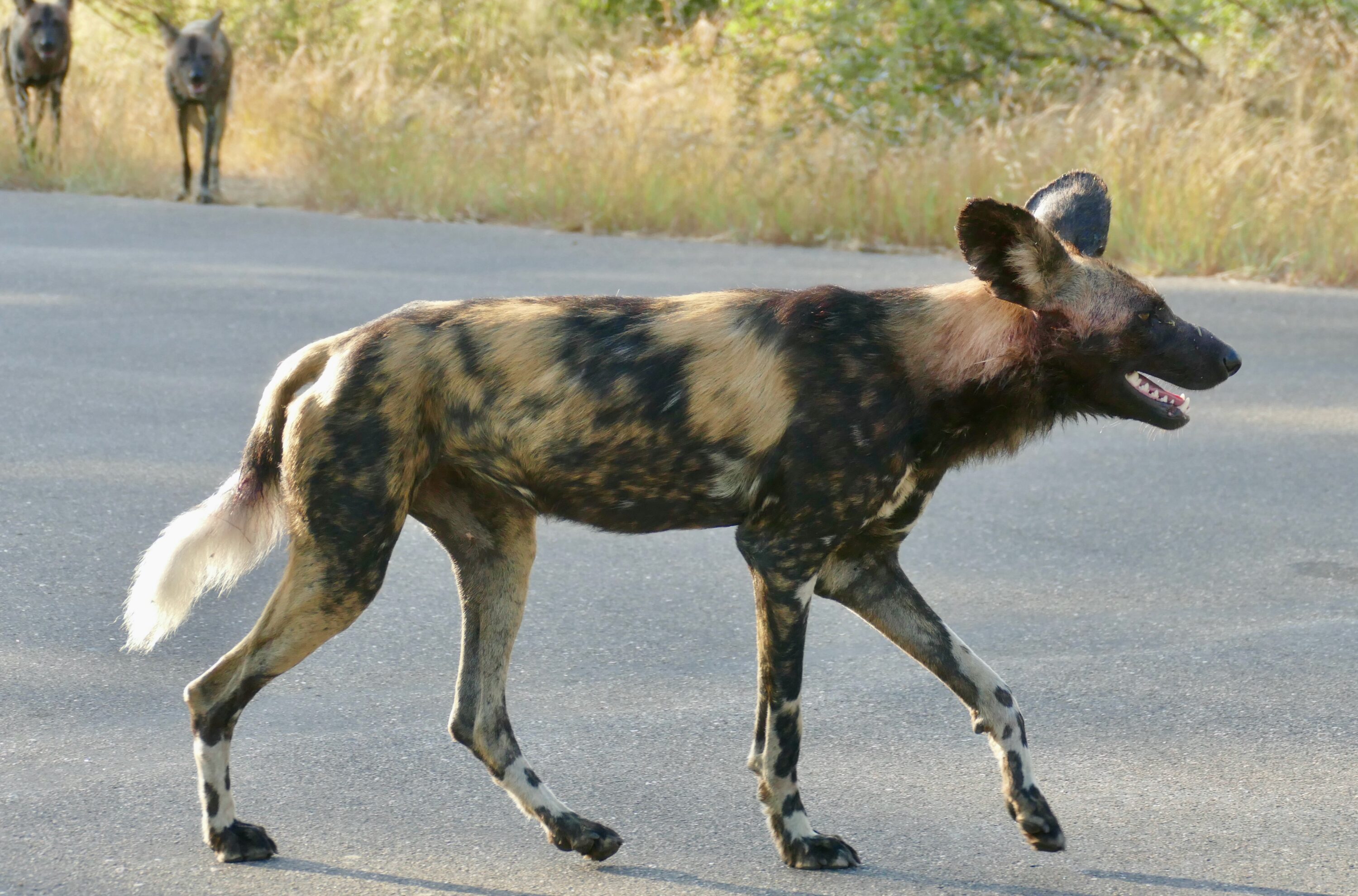
Gut Microbiomes Across Nine Kruger Mammals Clustered More Strongly by Dietary Group Than Species
A study of 89 quality-filtered faecal samples from nine wild mammals in Kruger National Park found that carnivores,…
Read story →
Nearly Three-quarters of Migrating Redwings Carried Ticks During Two Mild Belgian Autumns
Ticks were found on 72.9% of 284 redwings sampled during late-autumn migration in Belgium; 12.9% of 698 screened…
Read story →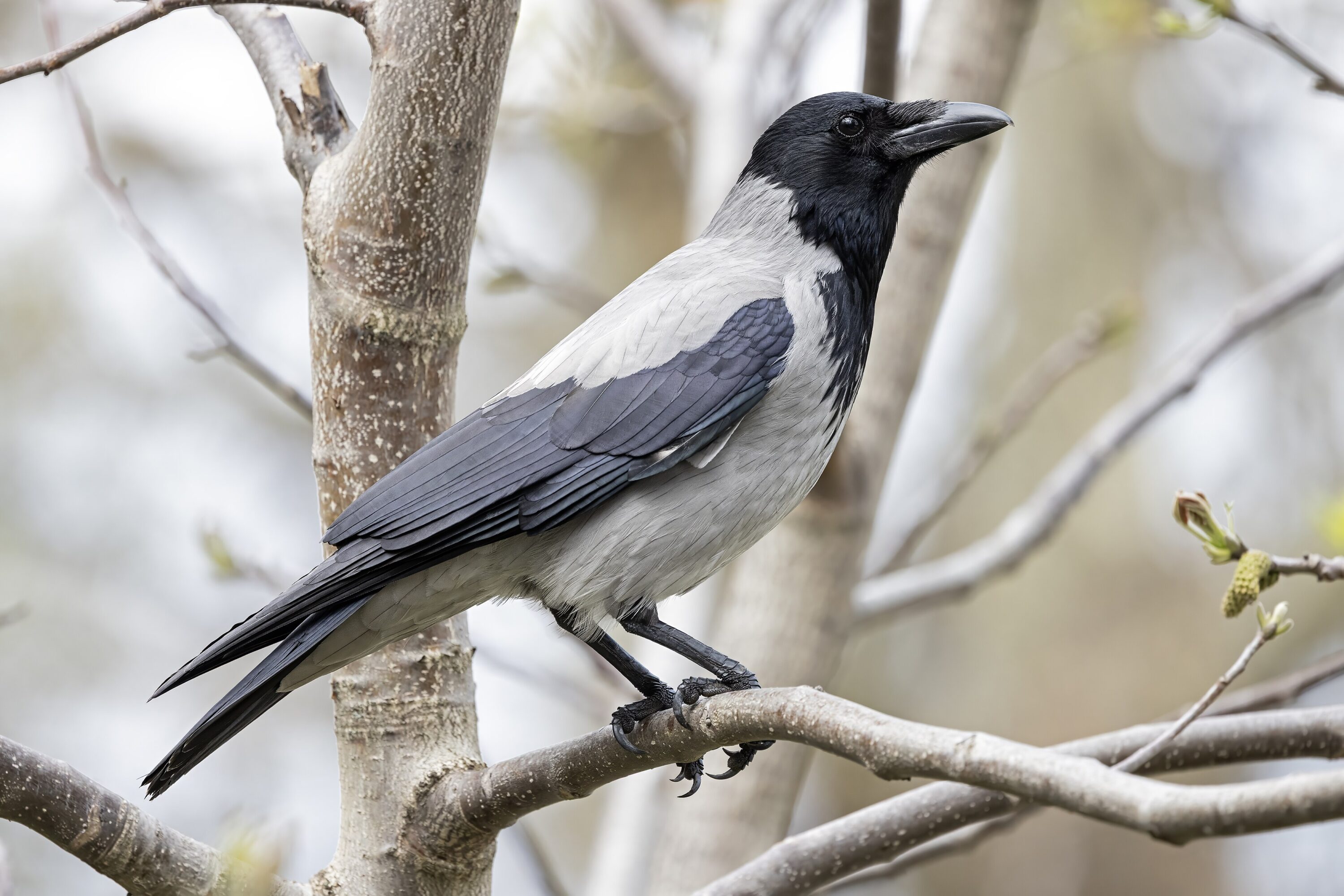
Hooded Crows Were Linked to 87 Reported West Nile Virus Bird Outbreaks in Europe
The September ECDC–EFSA report linked hooded crows to 87 reported West Nile virus bird outbreaks, Eurasian magpies to…
Read story →SPECIES IN THIS STORY
Species in this story
Independent research and conservation news archive
Did you find this information useful?
Wildlife Vagabond is independently built and maintained. Voluntary support helps cover source verification, hosting and continued work on research and conservation news.
Support Wildlife VagabondThe news archive will remain freely available.