
Marine Prey Made Up Over 95% of Great Black-backed Gull Diet Late in the Non-breeding Season
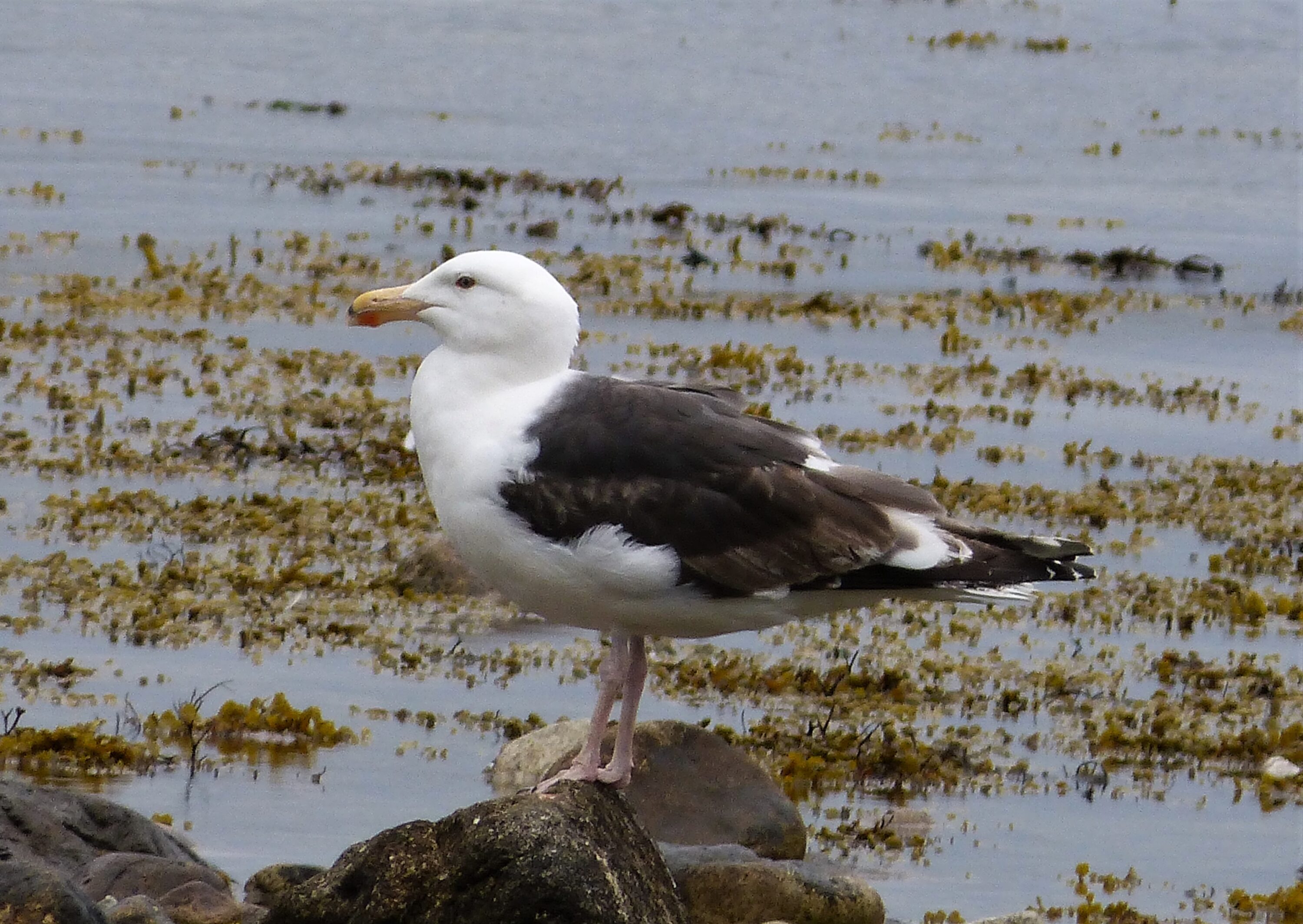
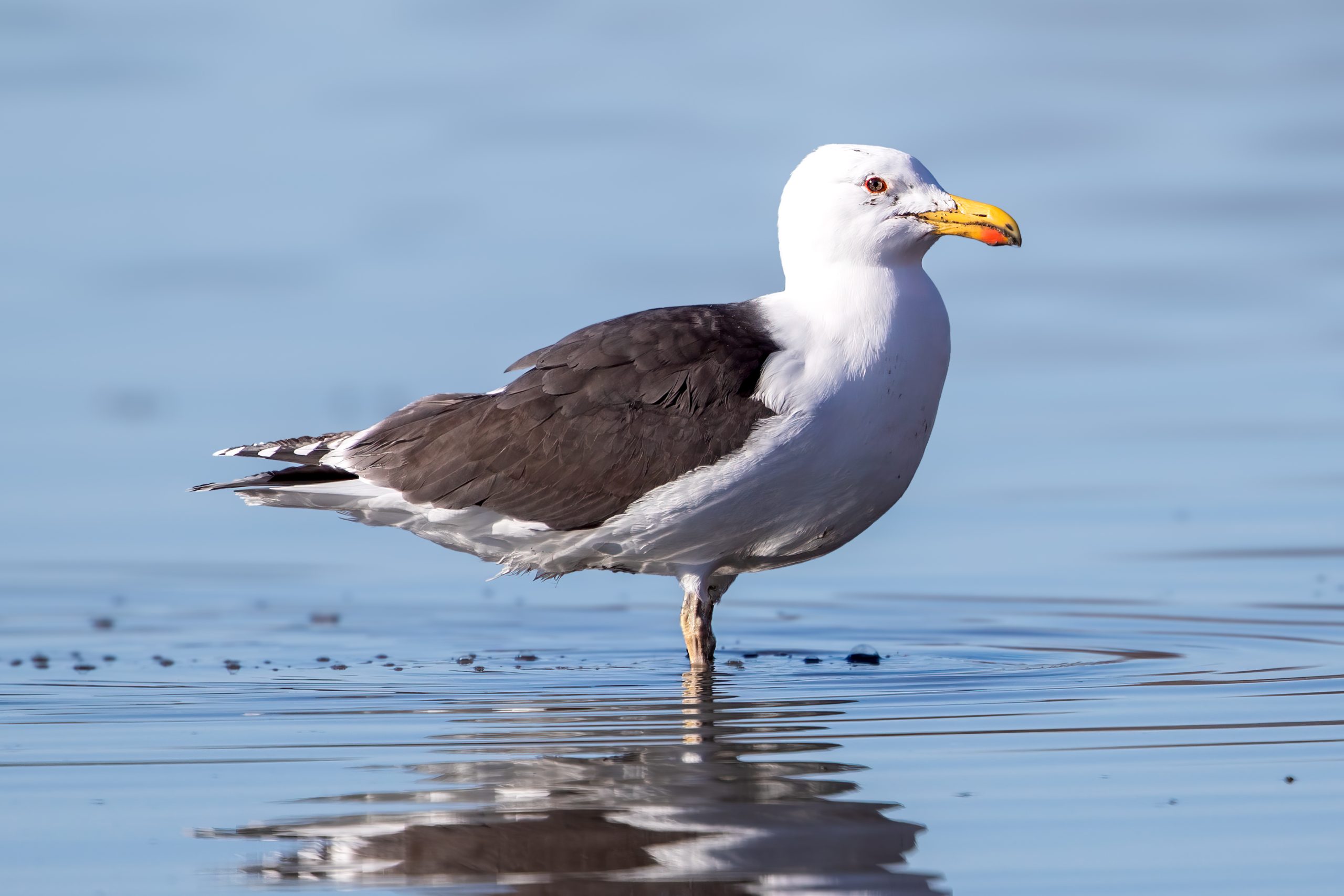
A year-round study of Great Black-backed Gulls (Larus marinus) breeding on the Isle of May in Scotland found pronounced seasonal changes in diet and trophic niche. Researchers analysed stable isotopes in feathers from 35 adults — 17 males and 18 females. The relative abundance of different isotopes in feather tissue can reflect the kinds of food from which the birds built that tissue. By using feather types grown at different times, the team reconstructed resource use during the breeding, early non-breeding and late non-breeding periods.
Marine prey dominated late in the non-breeding season
Marine prey dominated the modelled population diet in all three periods, but the contribution was greatest late in the non-breeding season, when it exceeded 95%. During breeding and early non-breeding, anthropogenic terrestrial resources such as refuse, grain and terrestrial invertebrates contributed about 19% of the modelled diet. The contribution of natural terrestrial food, represented by European rabbit, was more uncertain.
The trophic niche narrowed outside the breeding season
The population’s trophic niche — the range of resources used and trophic positions occupied — was widest during breeding and clearly narrower in both non-breeding periods. Late in the non-breeding season the gulls occupied the narrowest niche and fed at the highest trophic level. At the individual level, almost all birds relied mainly on marine resources at that time, whereas some individuals increased their use of terrestrial food substantially during breeding.
The researchers found no clear differences between males and females in trophic position or niche width in any season. They interpret the seasonal pattern as evidence that resource use in this generalist predator changes markedly through the annual cycle, with terrestrial resources becoming more important for some birds during the breeding period and a much stronger population-wide reliance on marine food later in the year. The isotope data could not resolve subtle dietary differences between the sexes or distinguish fine-scale marine sources such as natural prey from fisheries discards.
Ecology
Related news
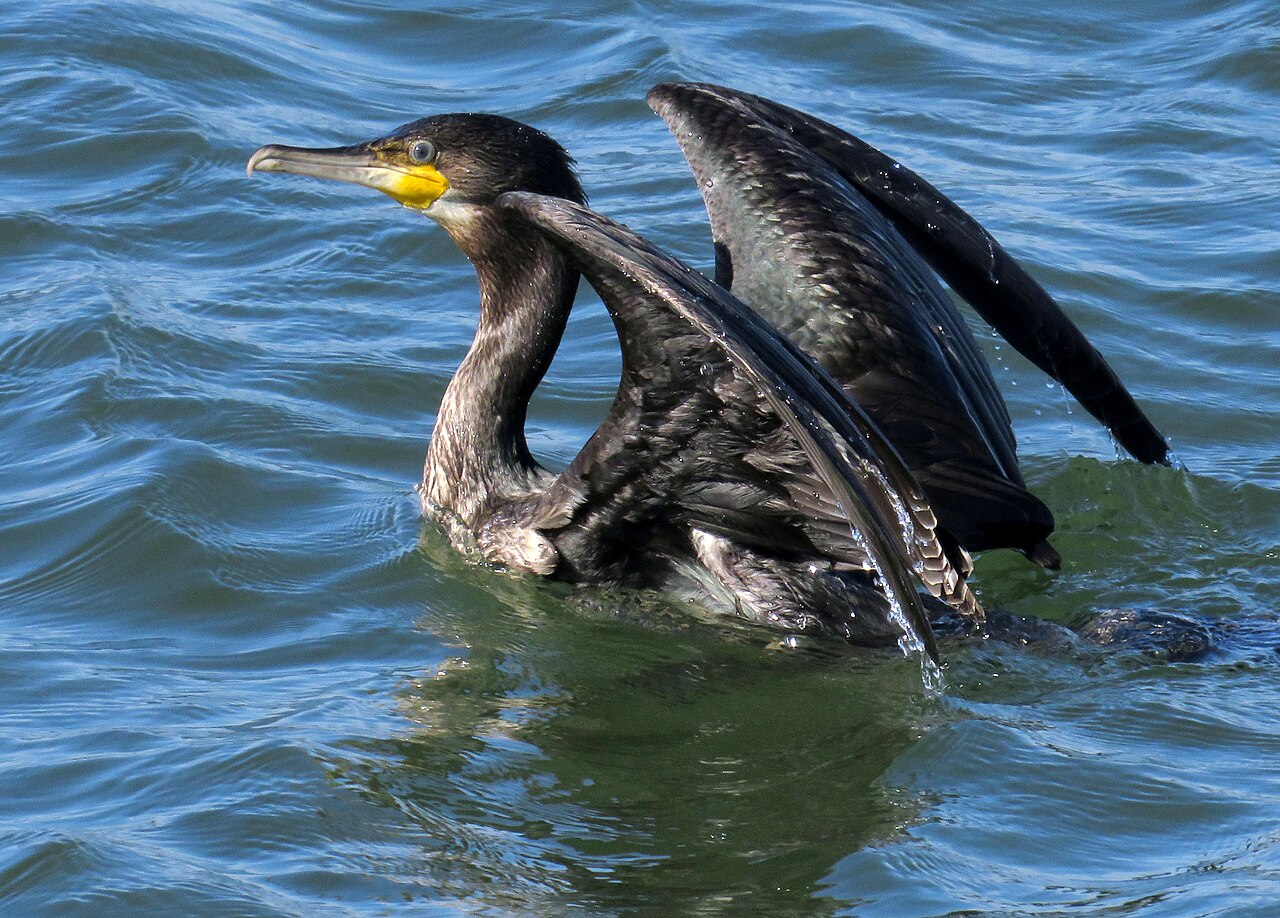
Cormorant and Large-Gull Counts Fell at a Danish Pound Net, but the Difference Disappeared Within Weeks
At one Danish pound net fitted with Looming-Eye Buoys, great cormorant and large-gull counts dropped sharply relative to…
Read story →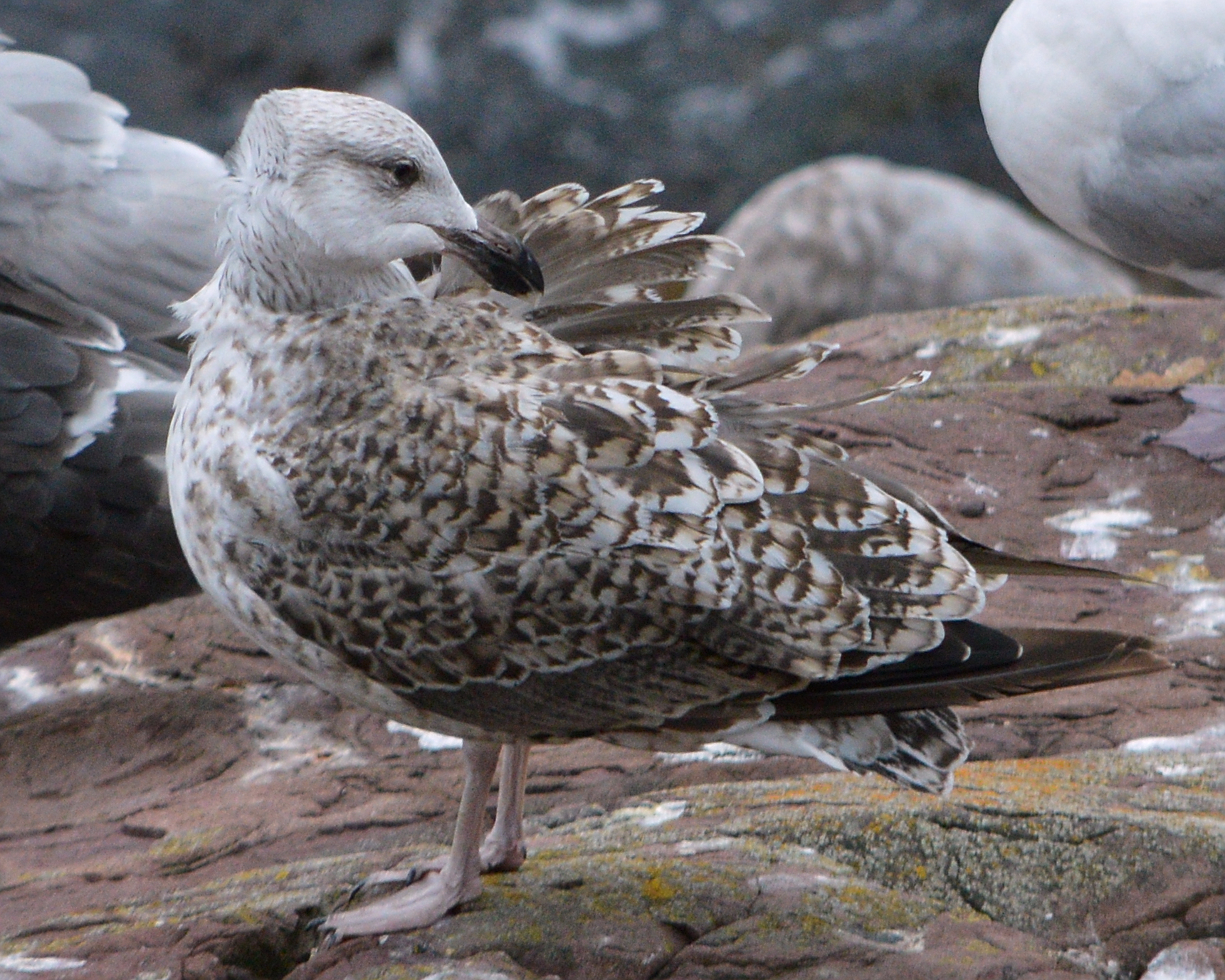
Gulls at Nova Scotia Fish Plants Carried High-Risk Multidrug-Resistant E. coli
Researchers recovered 34 cefotaxime-resistant Escherichia coli isolates from 100 gull faecal samples at three Nova Scotia fish-processing plants,…
Read story →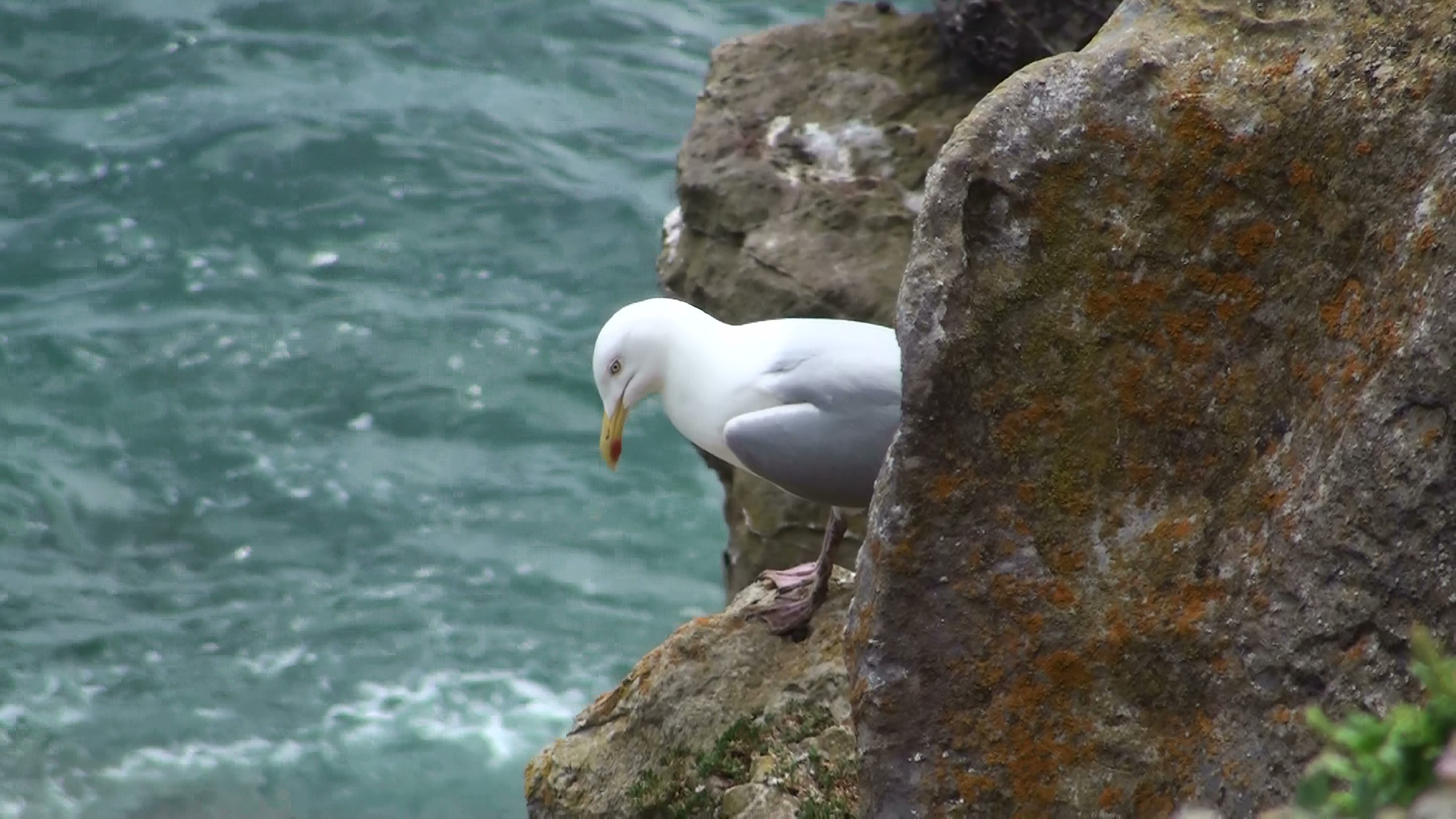
Winter Gull Survey: Great Black-backed Gull Fell 66%, Lesser Black-backed Gull 47%, Herring Gull Stayed Near 720,000
Britain’s first comprehensive winter-gull survey in two decades estimated 66.3% fewer great black-backed gulls and 47.2% fewer lesser…
Read story →SPECIES IN THIS STORY
Species in this story
Independent research and conservation news archive
Did you find this information useful?
Wildlife Vagabond is independently built and maintained. Voluntary support helps cover source verification, hosting and continued work on research and conservation news.
Support Wildlife VagabondThe news archive will remain freely available.