
Great Spotted Woodpeckers Began Laying About Two Weeks Earlier Than Grey-headed Woodpeckers in South Korea
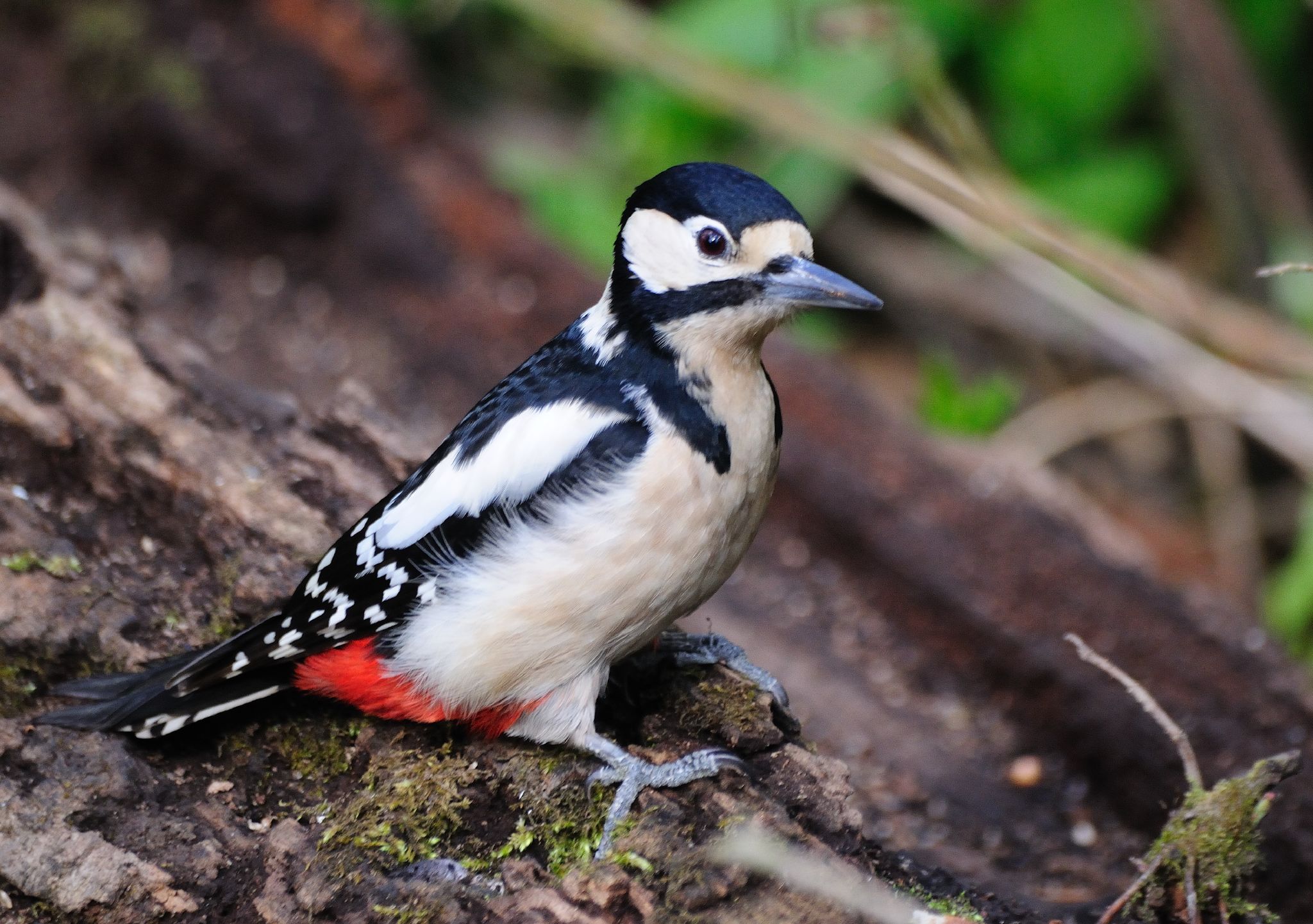
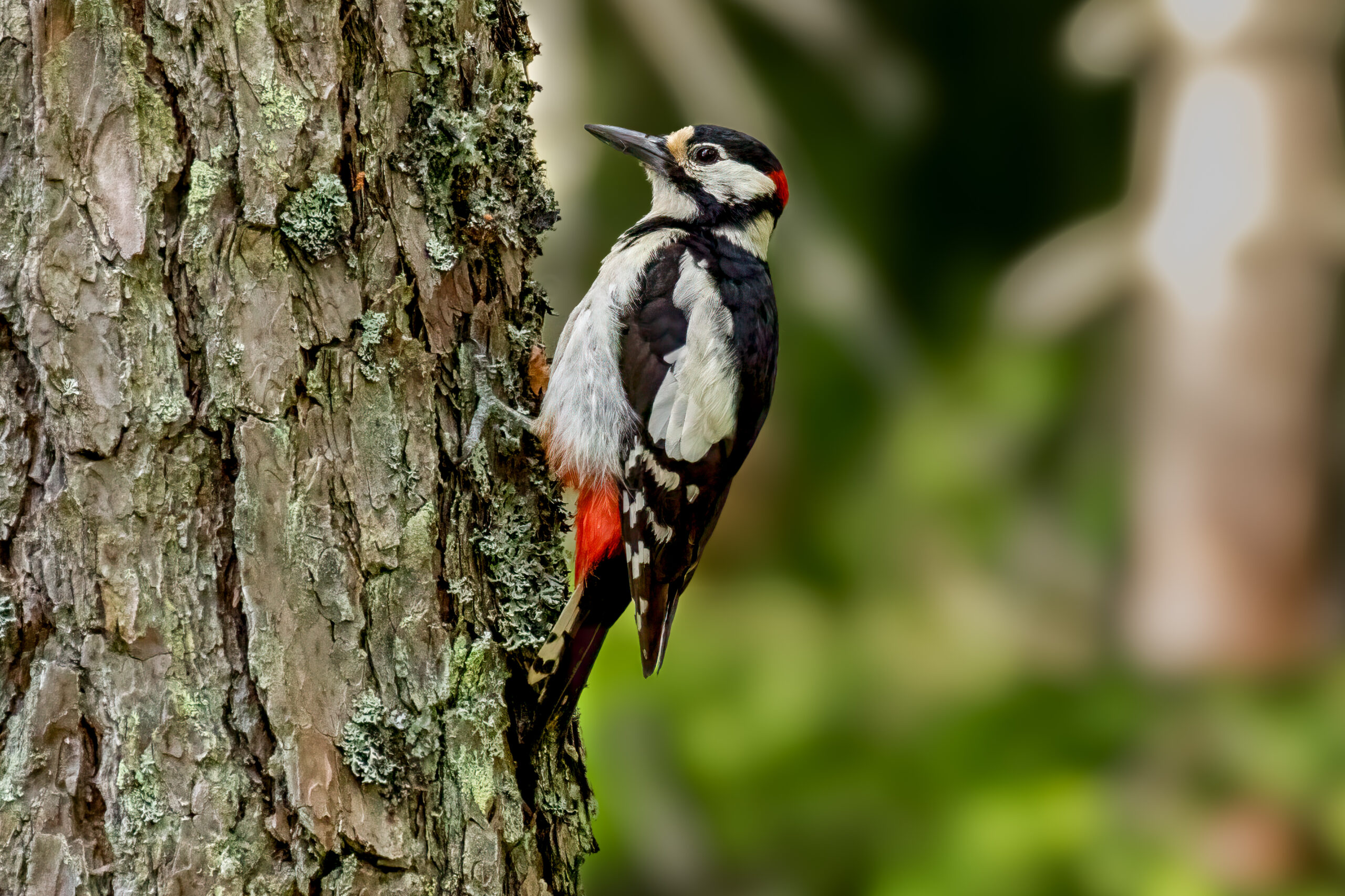
A four-year study in South Korea found that great spotted woodpeckers (Dendrocopos major) began laying eggs about two weeks earlier on average than grey-headed woodpeckers (Picus canus). The study, first published online on 19 February 2026, compared 106 breeding nests in forested areas of Seocheon and Gunsan.
Researchers followed 49 great spotted woodpecker nests and 57 grey-headed woodpecker nests from 2018 to 2021. They recorded nest-tree species and tree structure, as well as laying date, clutch size, incubation period, nestling period and hatching and fledging success. Nests were monitored from outside and inspected internally with an endoscopic camera.
Both species used many of the same nest-tree species
Both woodpeckers most often selected Paulownia coreana, Prunus sargentii and Castanea crenata for nest cavities. Despite this overlap, grey-headed woodpeckers selected taller trees with a larger diameter at breast height than great spotted woodpeckers.
The two species also differed in breeding timing and some reproductive traits. Great spotted woodpeckers began egg-laying about two weeks earlier on average, while grey-headed woodpeckers had significantly larger clutches and a longer incubation period.
Breeding success was similar
The researchers found no clear difference between the species in nestling period, hatching success or fledging success. The authors note that the larger clutch size of grey-headed woodpeckers therefore did not translate into higher breeding success under the nesting conditions studied.
Reproduction & development
Related news
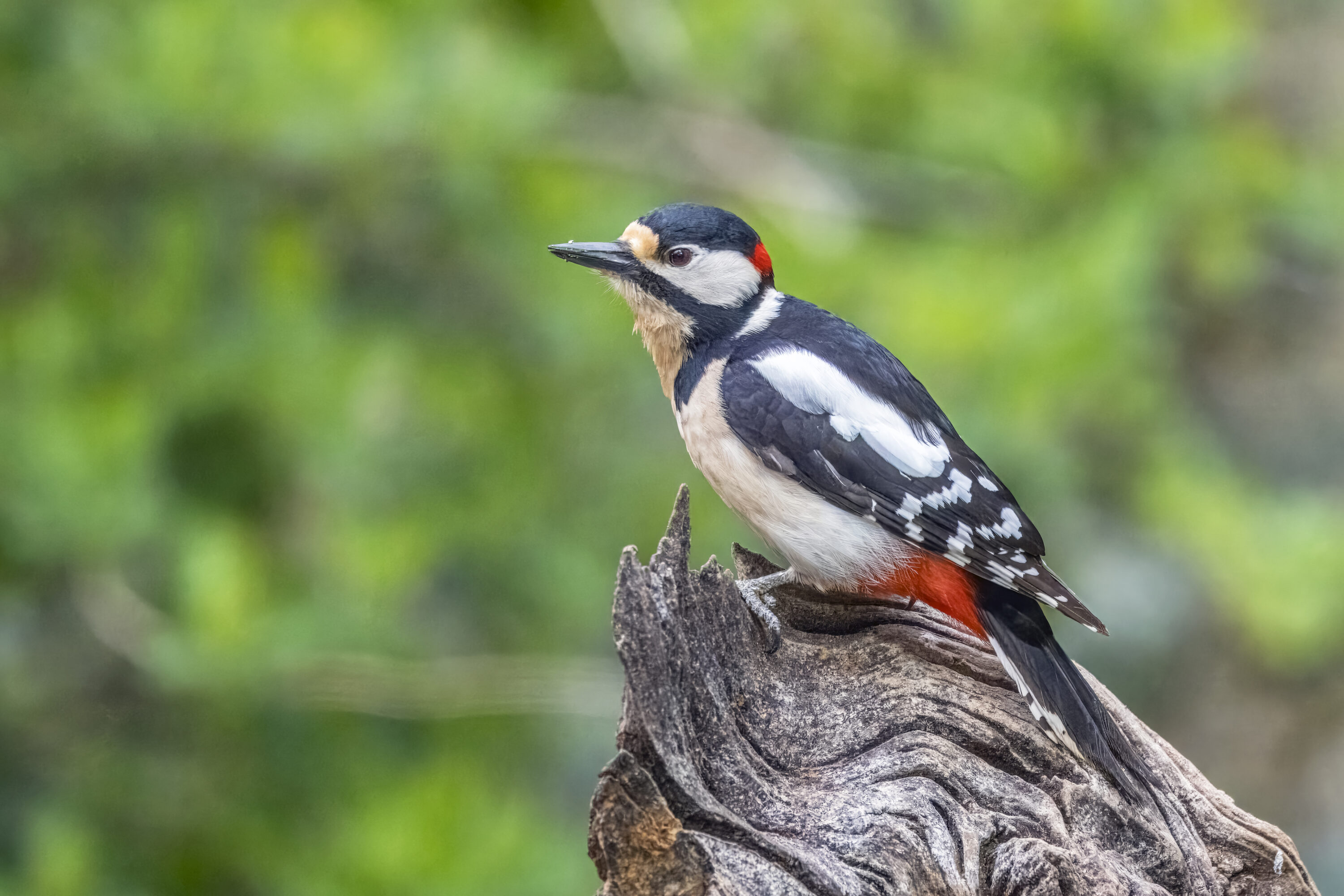
More Woodpeckers in Large, Connected Forests
In the Seoul Metropolitan Area, researchers found more Great Spotted and Japanese Pygmy Woodpeckers in large forest patches…
Read story →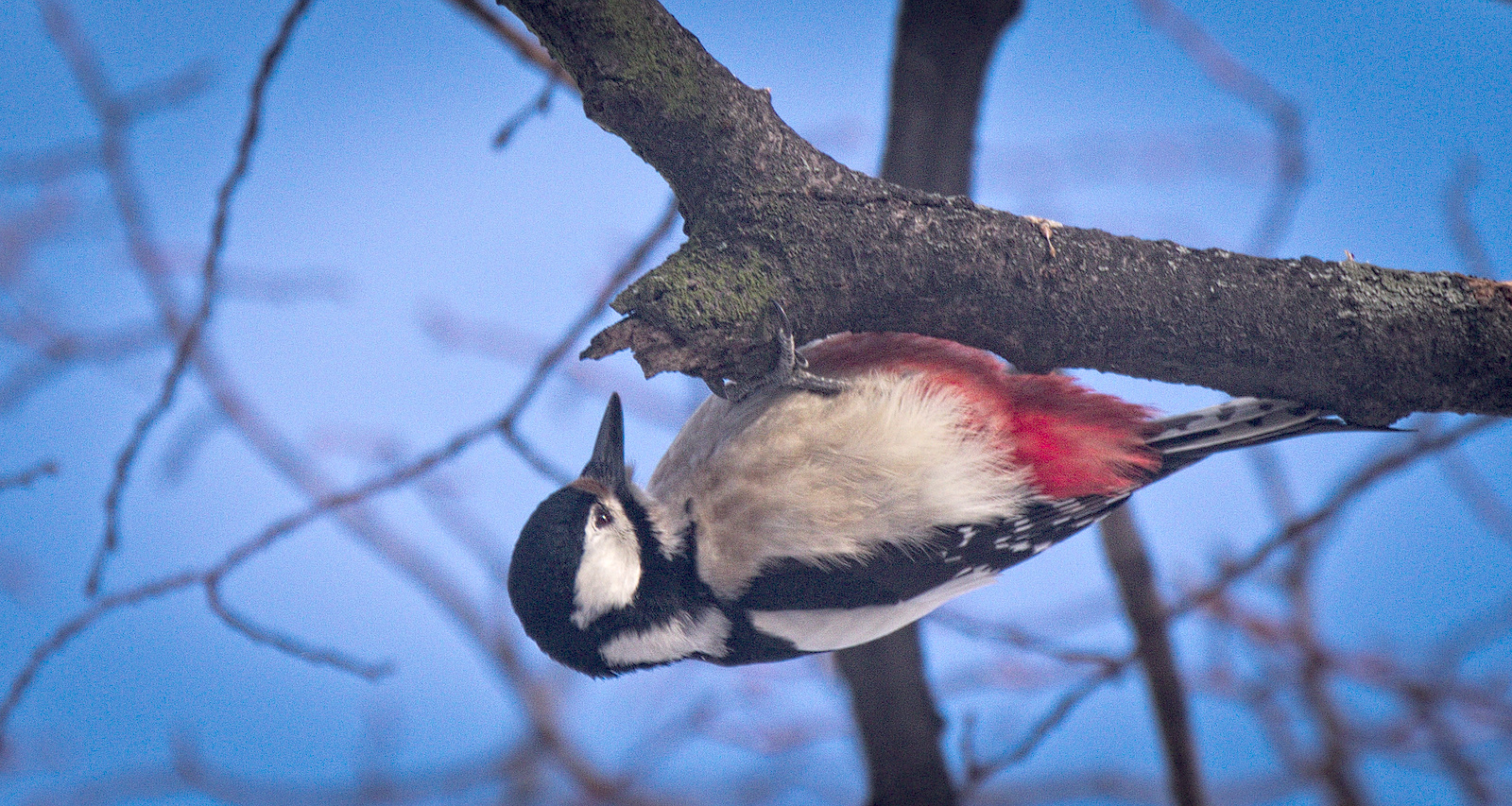
Six European Woodpeckers Shared a Common Eyelid Plan but Showed Microscopic Variation
Microscopic study of 40 woodpeckers from six European species found the same basic eyelid plan, including a fibrous…
Read story →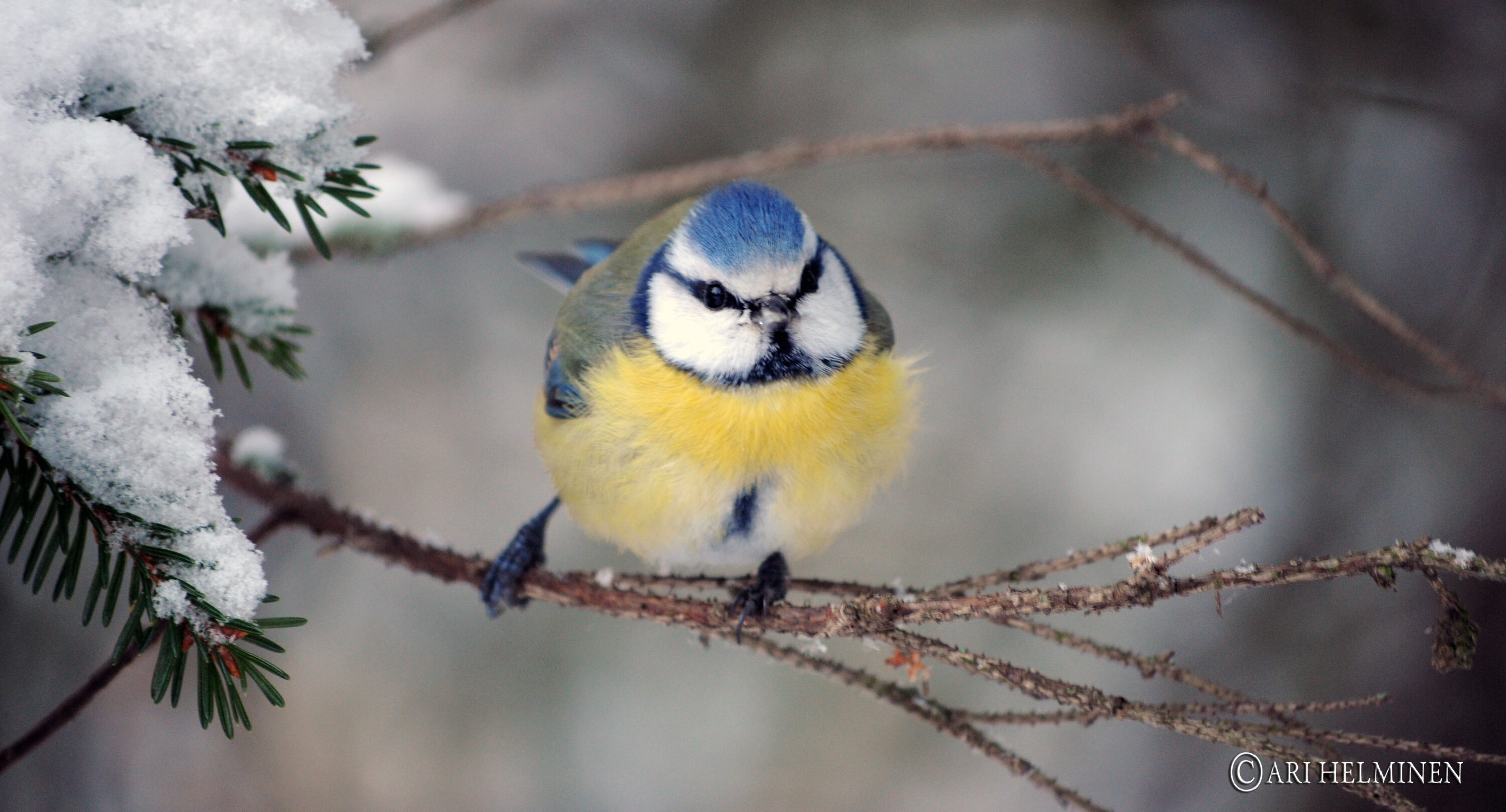
Mean Eurasian Blue Tit Winter Count Rose Fourfold in Finnish Urban Survey Plots
Across 31 Finnish settlements, mean Eurasian blue tit counts rose from 2.8 birds per standardised urban plot in…
Read story →SPECIES IN THIS STORY
Species in this story
Independent research and conservation news archive
Did you find this information useful?
Wildlife Vagabond is independently built and maintained. Voluntary support helps cover source verification, hosting and continued work on research and conservation news.
Support Wildlife VagabondThe news archive will remain freely available.