
Great Tits Had Paler Yellow Plumage in More Built-Up Urban Territories
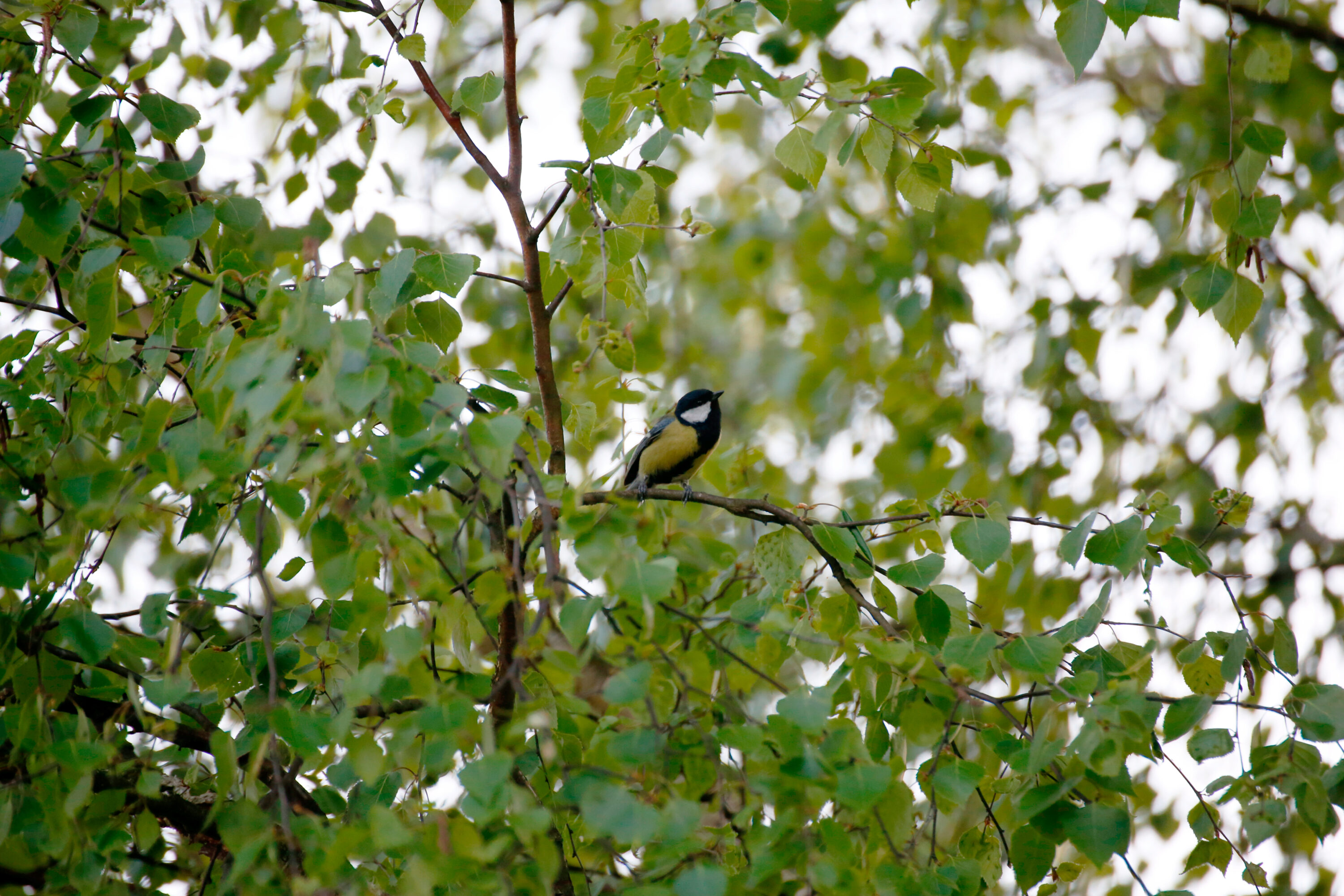
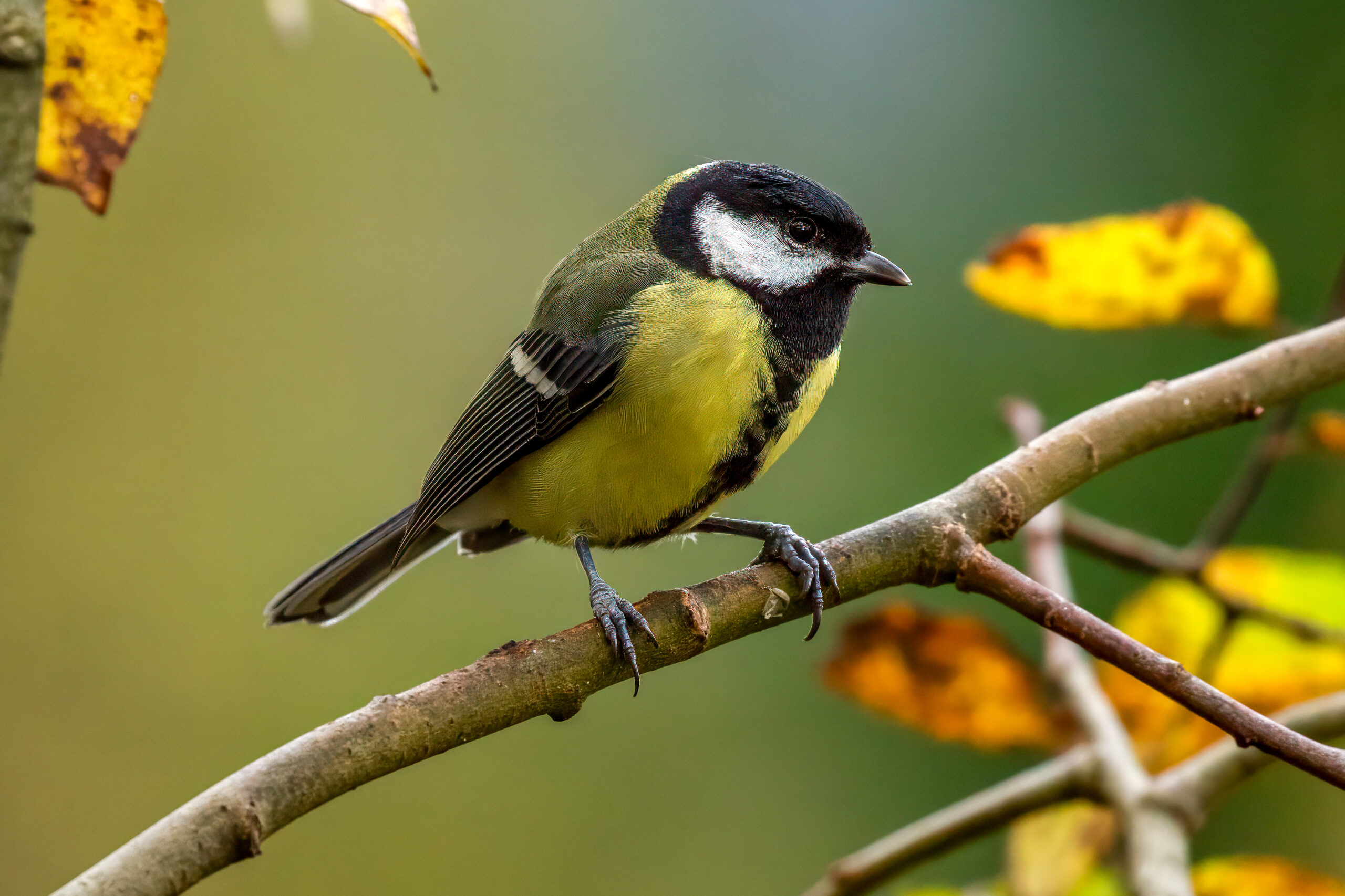
Great tits (Parus major) breeding in more heavily built-up territories had paler yellow breast plumage across six European cities. The pattern was specific to the carotenoid component of the colour: increasing impervious surface around nest boxes was associated with lower carotenoid chroma, while overall brightness and ultraviolet chroma did not show the same relationship.
The study combined 838 observations of adult great tits collected between 2005 and 2024 in Paris, Montpellier, Antwerp, Warsaw, Malmö and Harjavalta. Rather than labelling entire cities as simply “urban” or “rural”, the researchers measured how much of the area within 100 metres of each nest box was covered by buildings, roads and other impervious surfaces. The territories ranged from 0% to 88% impervious cover.
Yellow breast feathers were analysed for carotenoid chroma, a measure of how strongly carotenoid pigments contribute to the colour. Birds obtain carotenoids through food rather than producing them themselves, so feather colour can reflect both access to carotenoid-rich resources and how the body allocates these pigments among different physiological needs.
More impervious territories were linked to lower carotenoid chroma
Carotenoid chroma decreased as the proportion of impervious surface increased. The negative relationship remained when the researchers tested whether it was being driven mainly by one city, unequal sample sizes or underlying colour differences among cities.
Age also mattered. Older birds had higher carotenoid chroma than yearlings, while males tended to have more carotenoid-rich and brighter plumage than females. These effects were considered alongside local imperviousness rather than being treated as explanations for the urban pattern.
The birds were not simply duller in every optical measure
Impervious surface was not associated with overall feather brightness or ultraviolet chroma. That distinction matters because feather colour is produced by more than one physical property. A broad deterioration in feather structure or quality might be expected to affect several reflectance measures at once.
Instead, the relationship was concentrated in the component linked to carotenoid pigment deposition. The authors therefore interpret the result as more consistent with processes affecting carotenoid acquisition or allocation than with a general loss of feather quality.
Concrete itself was not identified as the mechanism
The study does not show that impervious surfaces directly make great tits pale. Built-up territories can differ from greener ones in many ways: vegetation, caterpillar and other prey availability, supplementary feeding, pollution, artificial light, noise and other environmental conditions may all change along the same urban gradient.
Reduced access to carotenoid-rich foods is one possible explanation, but it was not measured directly in this study. Pollution or physiological costs could also influence how carotenoids are allocated. The researchers therefore treat impervious surface as a broad descriptor of local urban habitat rather than a direct causal mechanism.
Fine-scale habitat differences were visible in the birds’ plumage
By using a continuous measure around individual breeding territories, the study found the same direction of colour change across cities that differ widely in geography and urban structure. Great tits occupying the most built-up local environments tended to deposit less carotenoid signal in their yellow breast feathers than birds in greener territories.
The result adds a visible phenotype to the biological responses associated with urbanisation, while leaving the underlying mechanism open. Future work will need to connect territory-scale habitat, diet, pollutant exposure, physiological condition and reproductive performance to determine why the colour difference emerges.
Ecology
Related news
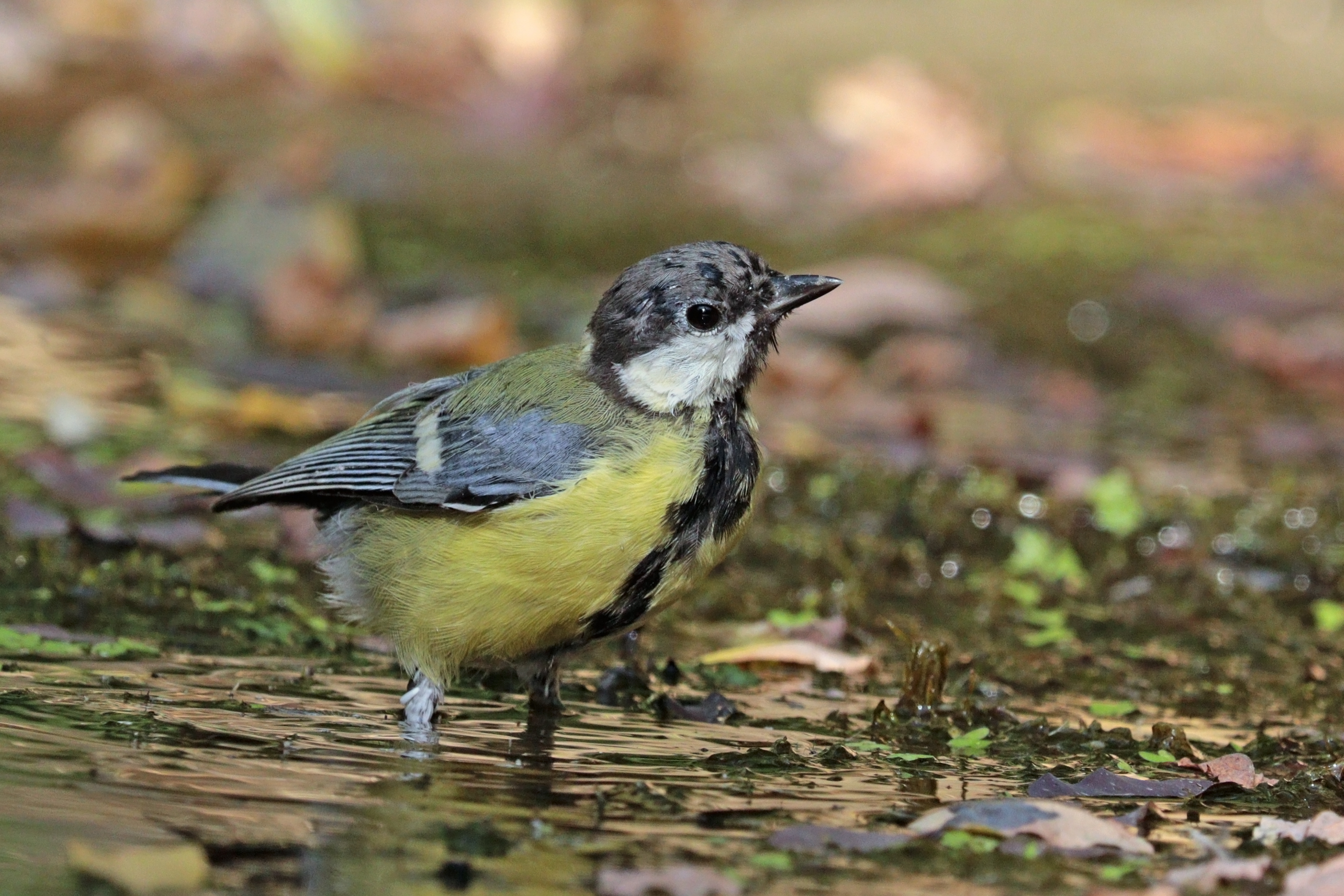
Veterinary Insecticides Were Found in Great Tit Nests in Both Urban and Protected Forest Habitats
Researchers analysed fur-containing material from 63 Great Tit nests in Hungary. Urban nests contained more insecticides and higher…
Read story →
Usutu Virus RNA Was Found Nearly Three Times as Often as West Nile Virus RNA in Southern France
Among 2,533 wild birds from 69 species in southern France, Usutu virus RNA was detected in 12.0% and…
Read story →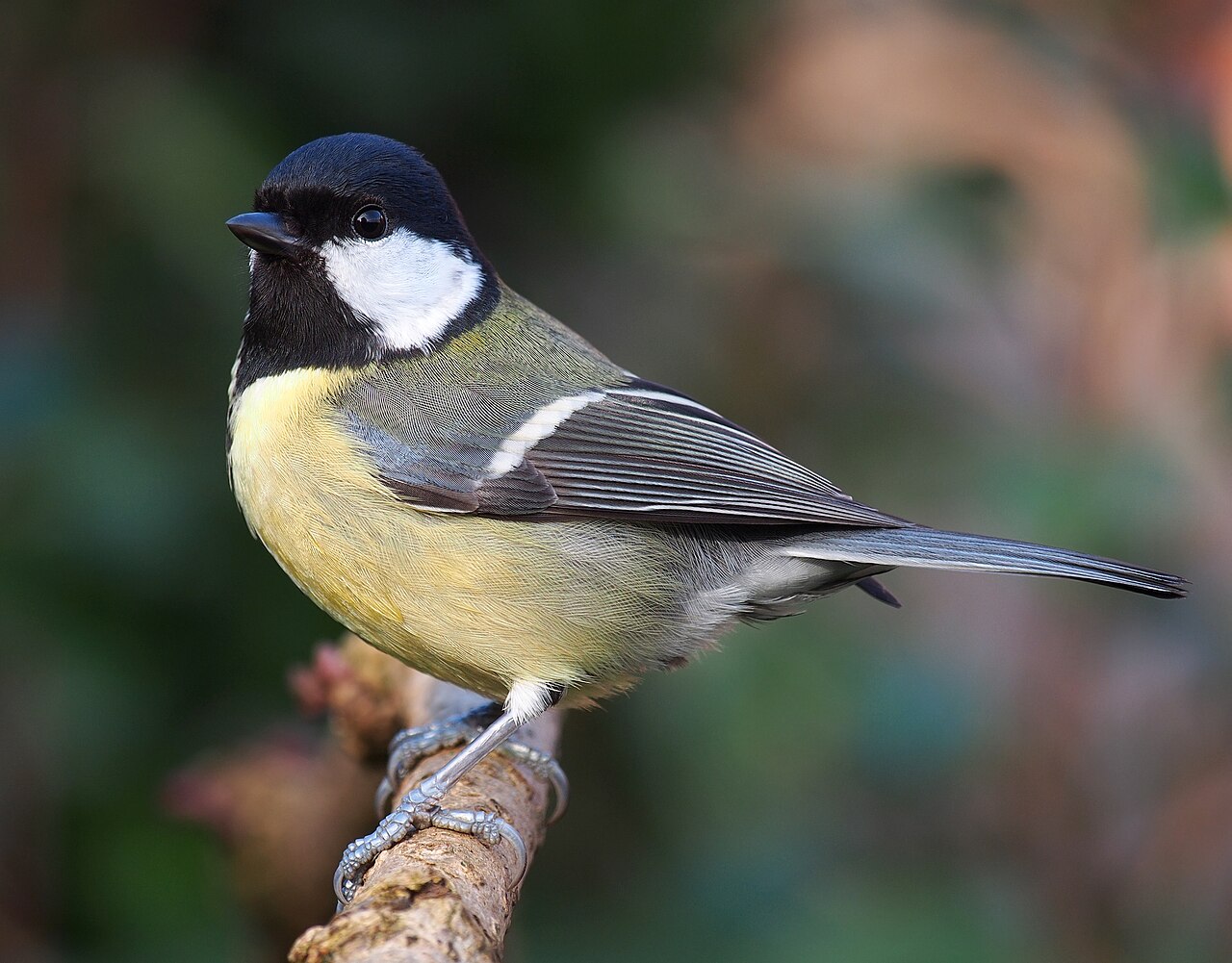
Male and Female Great Tits Built Winter Pair Bonds Differently
Great tits increasingly associated with future breeding partners through winter, but sex and age shaped how they divided…
Read story →SPECIES IN THIS STORY
Species in this story
Independent research and conservation news archive
Did you find this information useful?
Wildlife Vagabond is independently built and maintained. Voluntary support helps cover source verification, hosting and continued work on research and conservation news.
Support Wildlife VagabondThe news archive will remain freely available.