
Haemosporidian Parasites Were Detected in 46 of 47 Hooded Crows in Italy
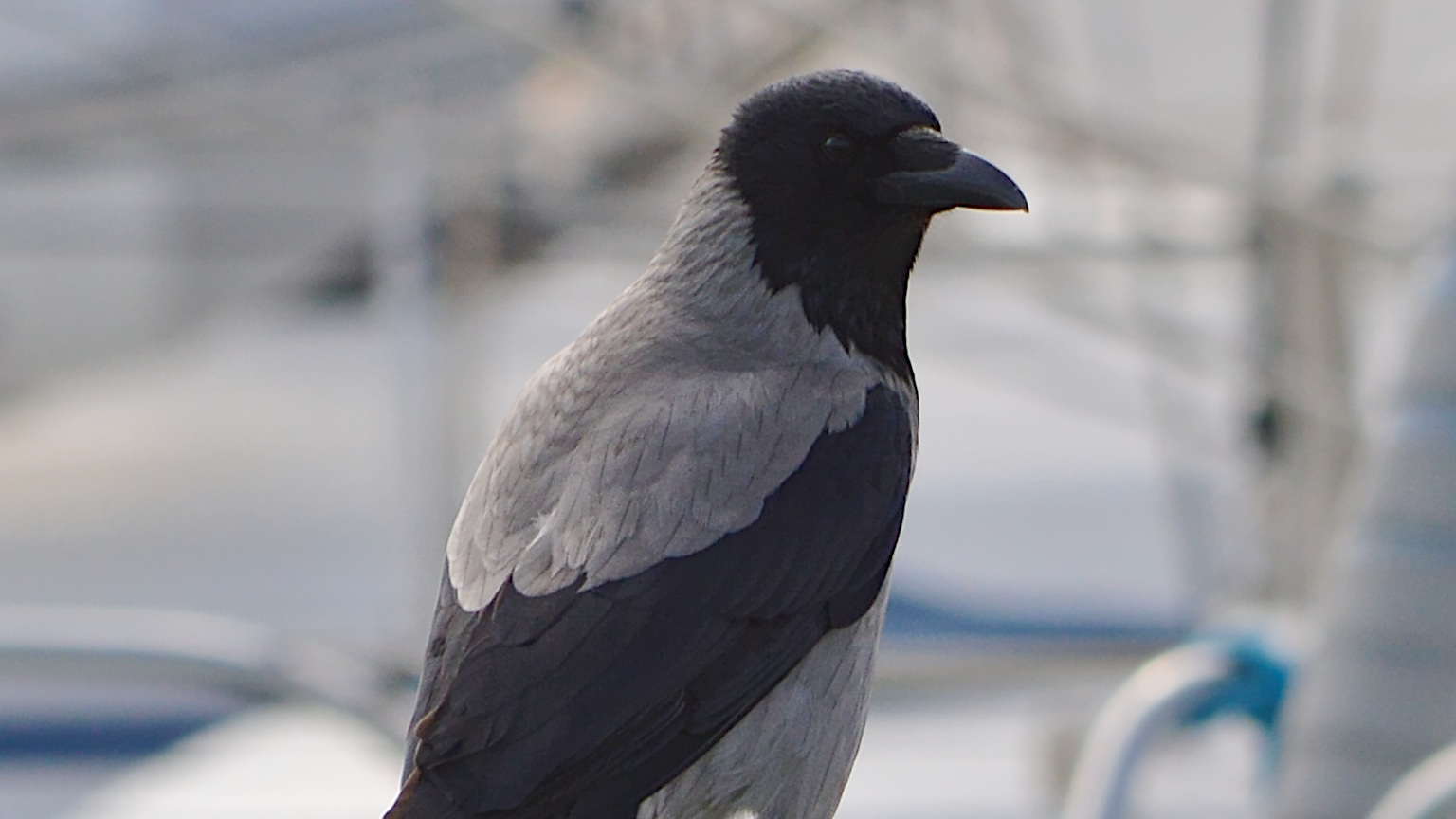
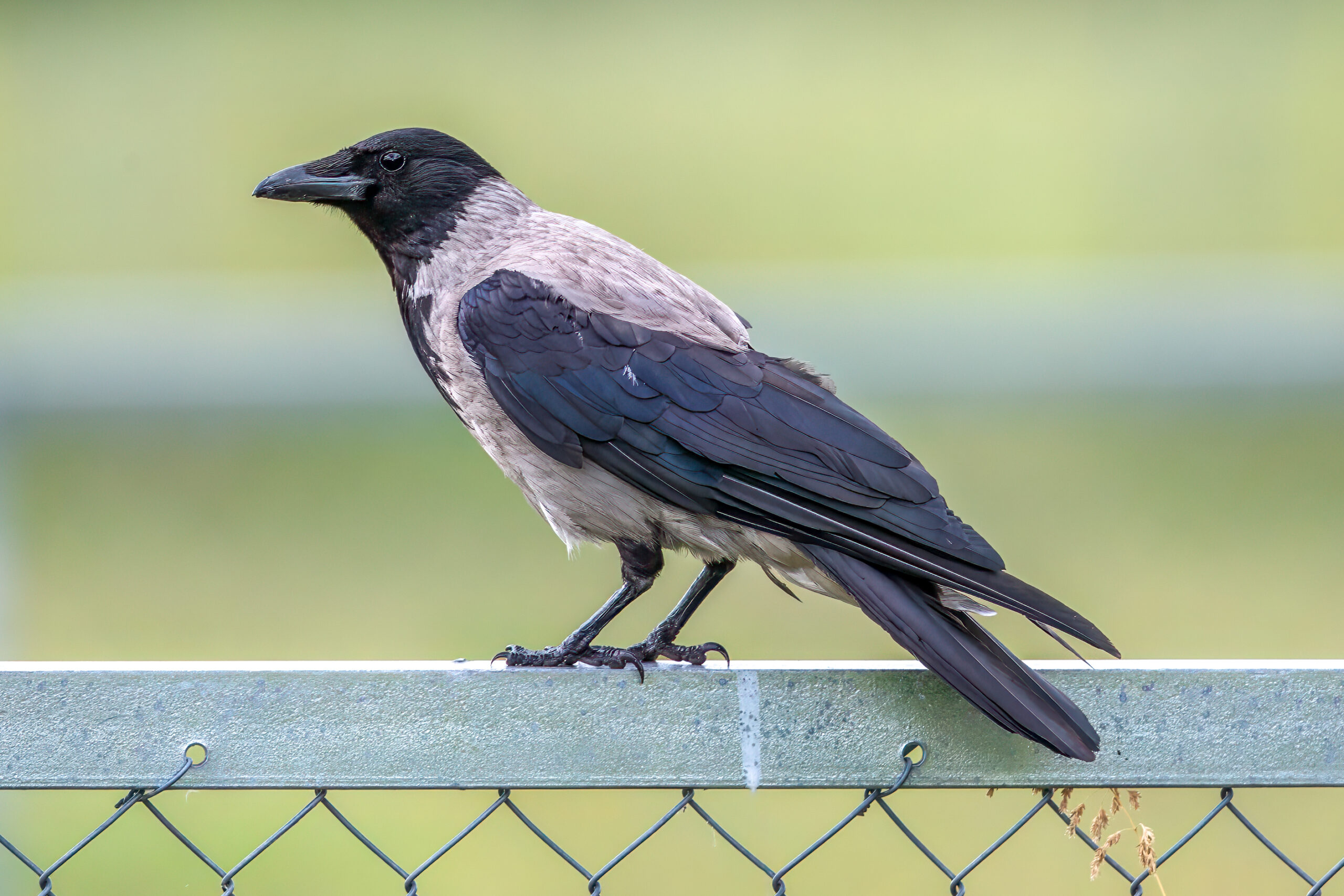
Haemosporidian parasites were detected in 46 of 47 Hooded Crows (Corvus corone cornix) examined in northwestern Italy. Haemosporidians are vector-borne blood parasites of birds and include the genera Plasmodium, Haemoproteus and Leucocytozoon. The study, published on 29 April 2026, analysed several organs from each bird to investigate both parasite diversity and where different lineages occurred inside the body.
The crows had been collected in the Province of Turin during 2010–2011 as part of an authorised wildlife-control programme. Researchers screened samples from the heart, lungs, liver, kidneys, spleen, skeletal muscle and brain using nested PCR targeting parasite mitochondrial DNA, followed by sequencing. A positive PCR result shows that parasite DNA was present in the sampled tissue, but does not by itself show how severely a bird was affected or whether it had clinical disease.
Almost every Hooded Crow carried haemosporidian parasites
Overall infection prevalence was 97.9%. Leucocytozoon parasites were detected in all 46 infected crows, while Plasmodium was detected in 24 birds and Haemoproteus in eight—52.2% and 17.4% of the infected birds, respectively. Mixed infections were common, occurring in more than two-thirds of infected birds.
Five Leucocytozoon lineages were identified
Five Leucocytozoon lineages were identified. The lineage COCOR09 dominated and was widely distributed across the examined organs, whereas other lineages showed more restricted tissue patterns. COCOR13, for example, was detected only in heart tissue.
Sequencing also identified one Haemoproteus lineage, CXPIP27, and three Plasmodium lineages—LINN1, GRW06 and SGS1—reported by the authors as first records in Hooded Crow. The three Plasmodium lineages are already known from other bird species and have broad geographic distributions.
Parasite lineages differed in tissue distribution
The researchers found a strong relationship between parasite lineage and the organs in which it was detected. Birds carrying more Leucocytozoon lineages also tended to have parasites detected in a larger number of organs.
The authors argue that sampling several organs and identifying parasites to lineage level can reveal infection patterns that would be missed by more limited screening.
Disease, parasites & microbiology
Related news
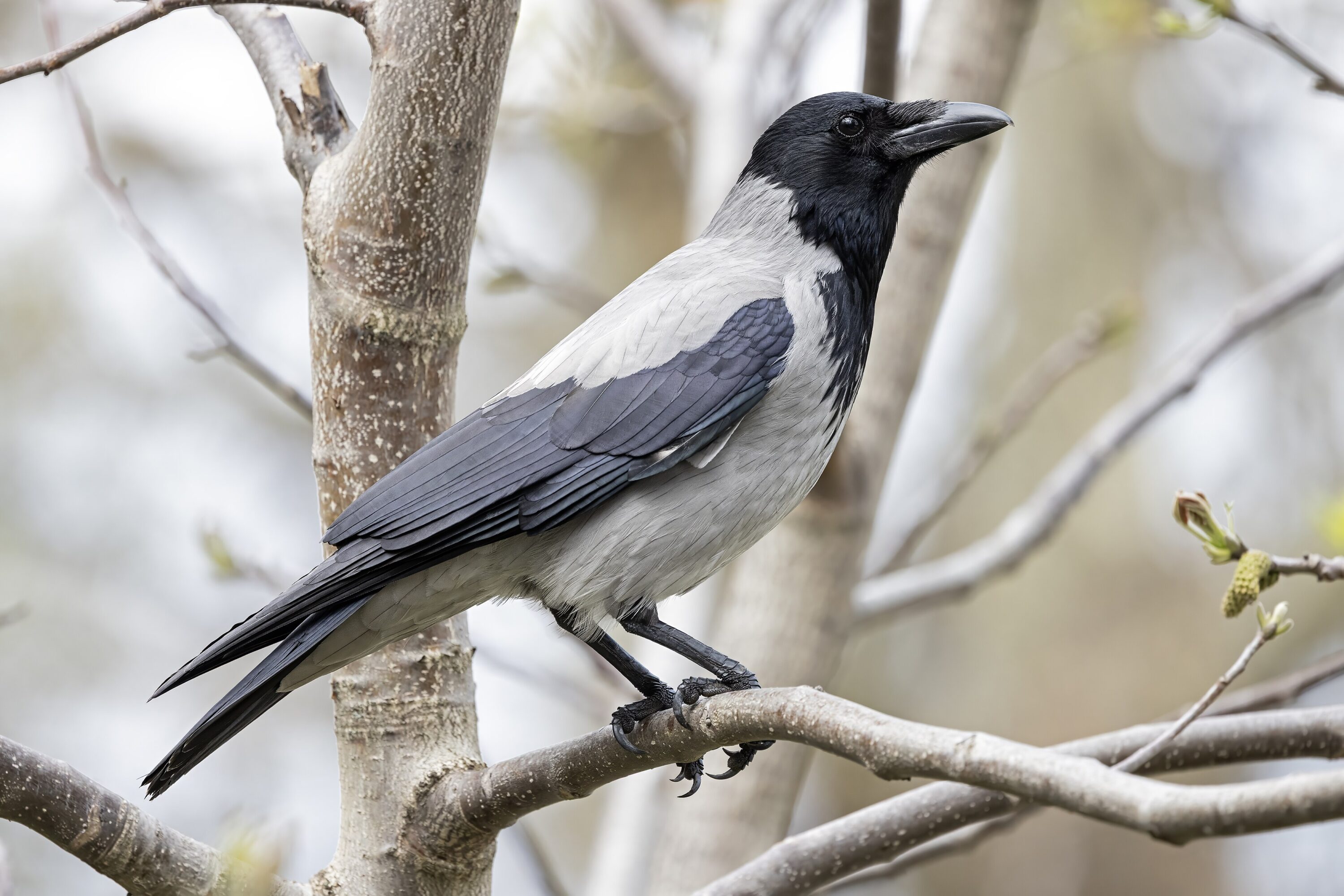
Hooded Crows Were Linked to 87 Reported West Nile Virus Bird Outbreaks in Europe
The September ECDC–EFSA report linked hooded crows to 87 reported West Nile virus bird outbreaks, Eurasian magpies to…
Read story →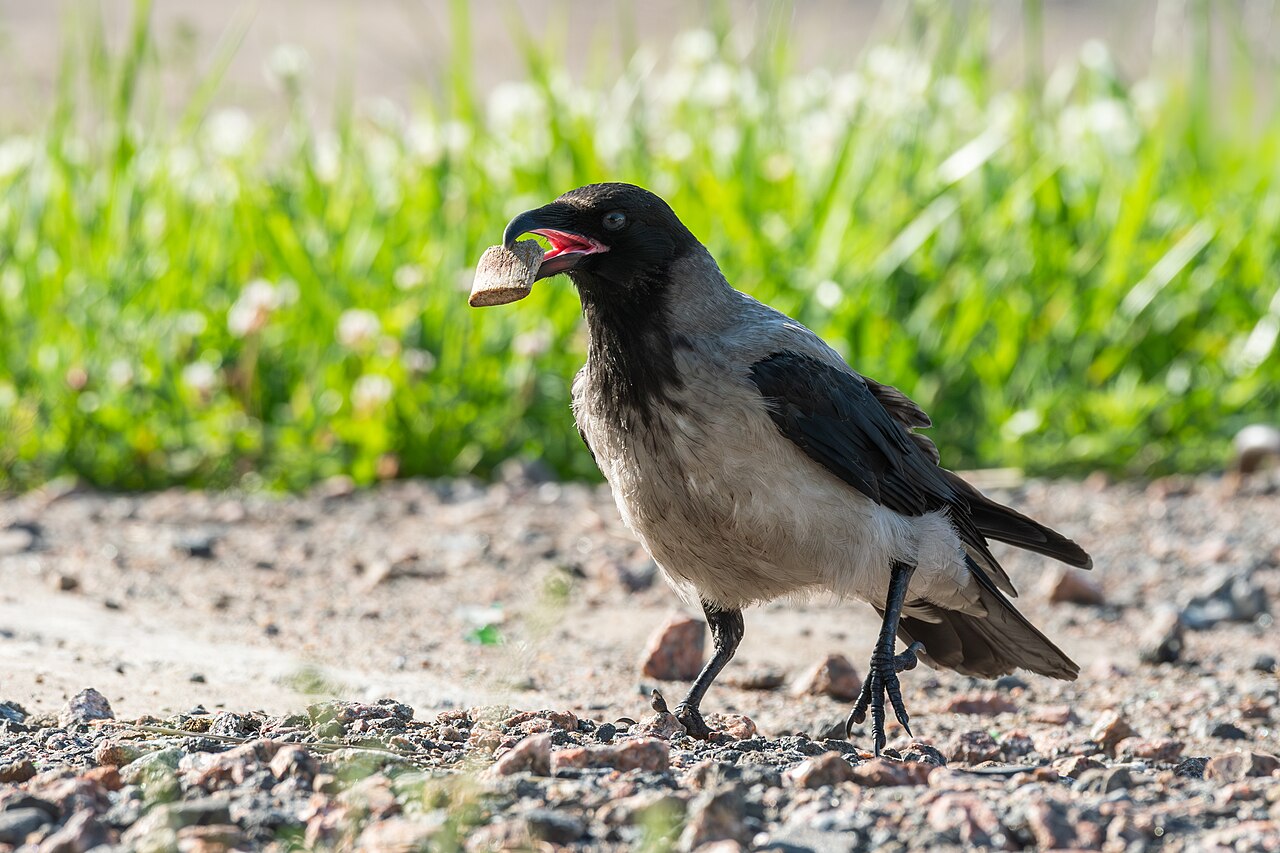
Hooded Crow Nestlings Had Low Levels of Cadmium, Lead and Arsenic in a Polish Wetland
Blood and feather samples from 29 hooded crow nestlings in Warta Mouth National Park showed low concentrations of…
Read story →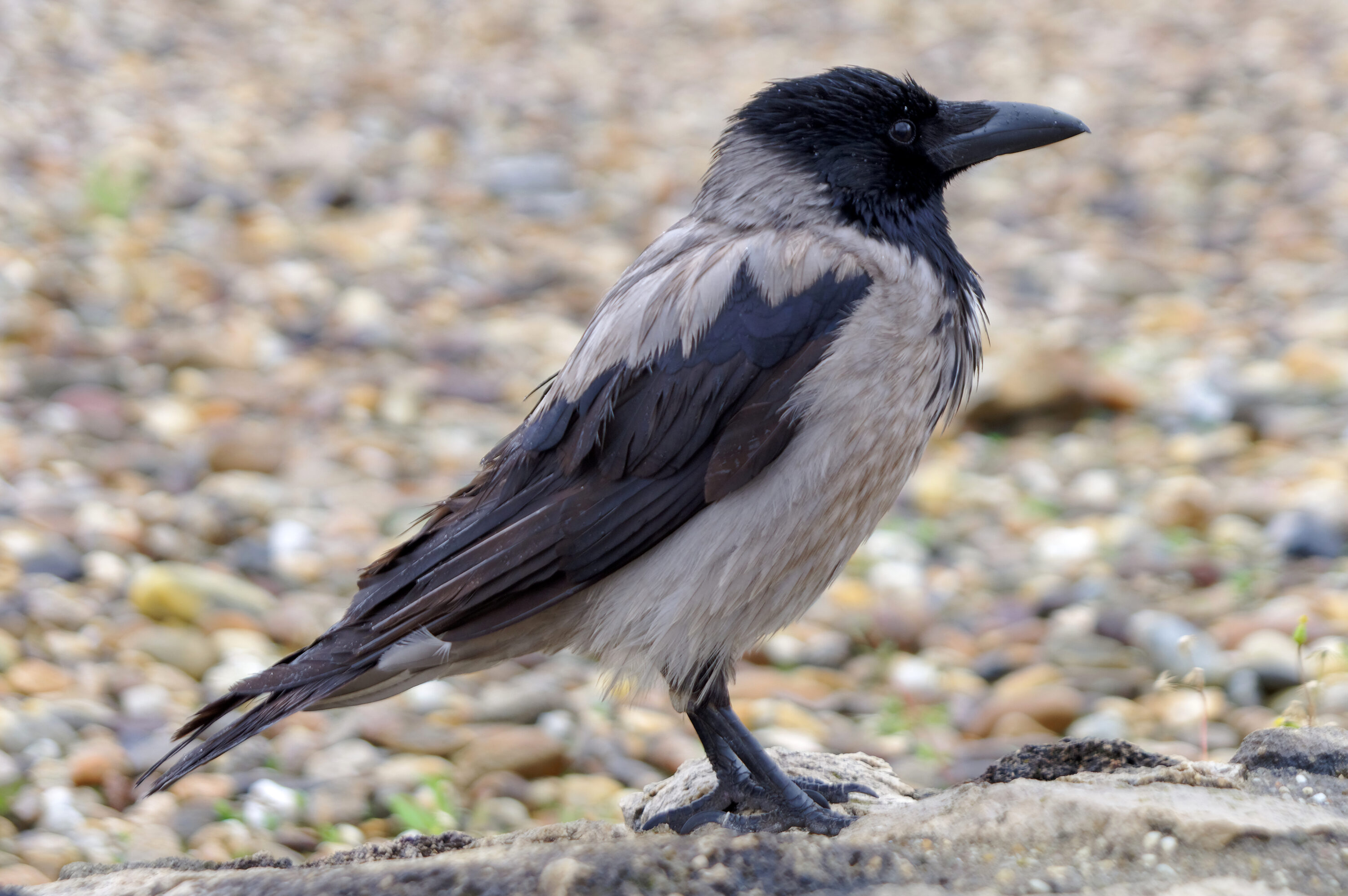
ESBL-Producing Bacteria Found in 61% of Sampled Urban Hooded Crows in Hungary
A Hungarian study found ESBL-producing bacteria in 61% of 212 urban hooded crows but only 7.7% of 52…
Read story →SPECIES IN THIS STORY
Species in this story
Independent research and conservation news archive
Did you find this information useful?
Wildlife Vagabond is independently built and maintained. Voluntary support helps cover source verification, hosting and continued work on research and conservation news.
Support Wildlife VagabondThe news archive will remain freely available.