
Direct Release of Farmed Red Deer Was Followed by 69% Mortality in Croatia
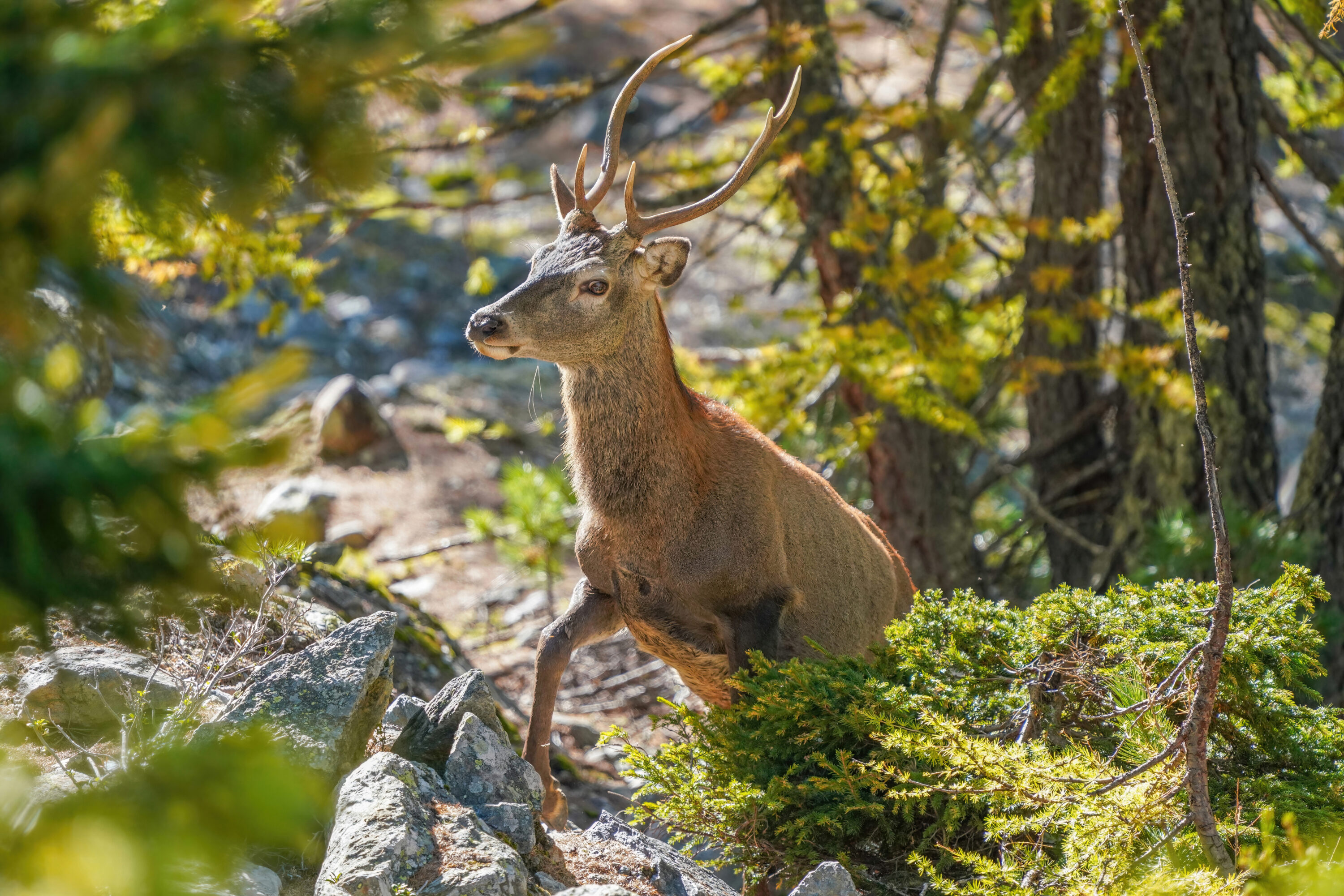
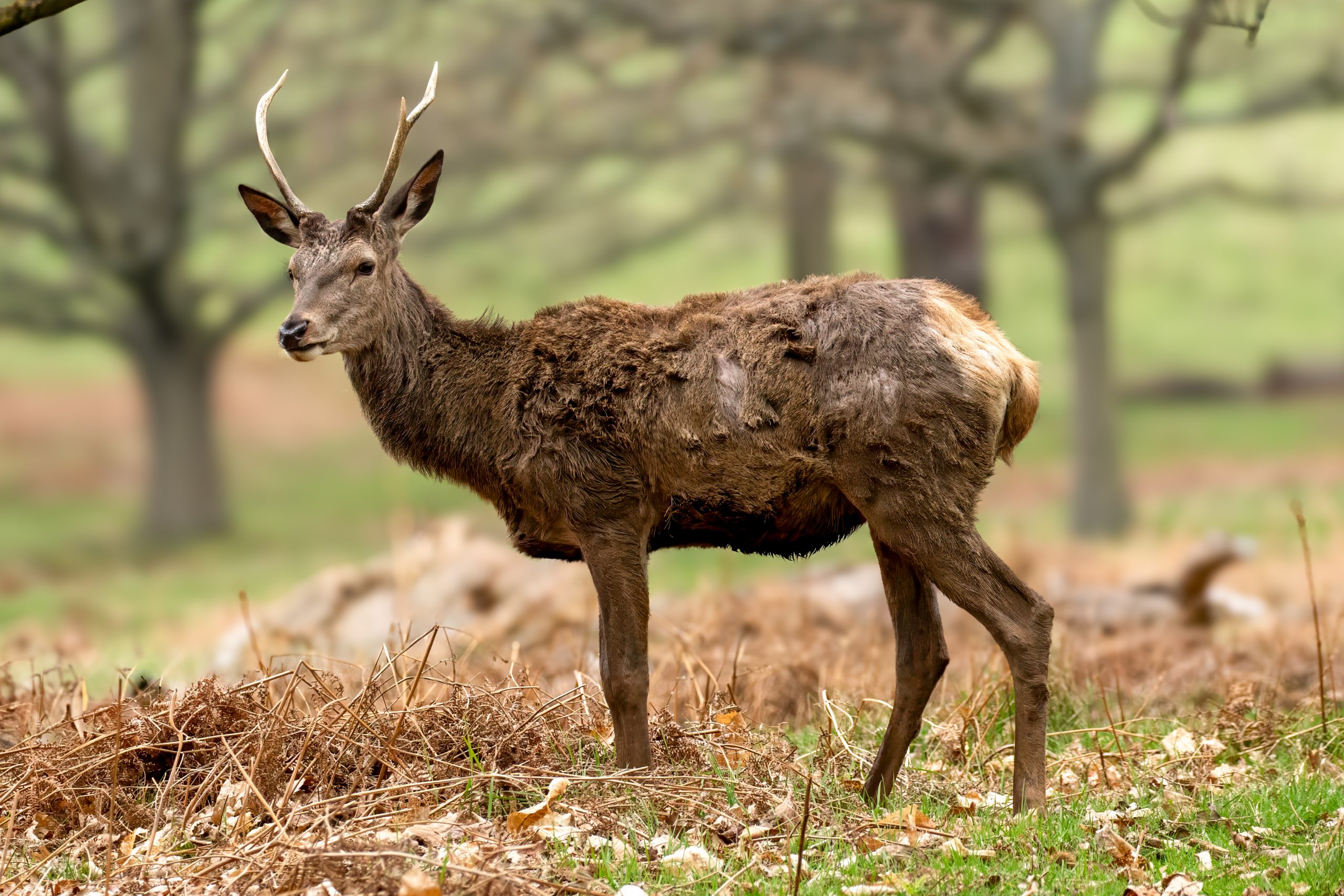
A direct, or “hard”, release of farmed red deer (Cervus elaphus) in central Croatia was followed by 69% mortality among 16 GPS-collared animals. The ten females and six males were released straight from a transport trailer without an acclimatisation period. They belonged to a reintroduction programme that began in 2017; the collared deer were released in cohorts from 2018 to 2024, and GPS monitoring of some individuals continued into 2025 and 2026.
Eleven of the 16 deer died. Poachers killed ten and a wolf killed one. Poaching was strongly sex-biased: all six males were illegally killed, compared with four of the ten females. The animals that died survived for an average of 297 days after release.
Eight deer — six females and two males — established a stable home range, taking about 68 days on average. Across the full monitoring period, mean home-range size was 27.4 km² for females and 98.4 km² for males, but the authors note that one highly dispersive male strongly influenced the male mean. The small sample, especially after the high mortality, also limited how much could be inferred about sex differences and other predictors of establishment.
The authors interpret the poor survival as evidence of the difficulties farmed deer can face after release. They also repeatedly observed low wariness towards people and suggest that repeated handling on the farm may have made some animals easier targets for poachers; this mechanism was not tested directly. For future programmes, they recommend long-term post-release monitoring and evaluating different release strategies, such as releasing wild-caught deer directly and giving farmed deer a period of acclimatisation in an enclosure before release — a soft release.
Reintroductions & translocations
Related news
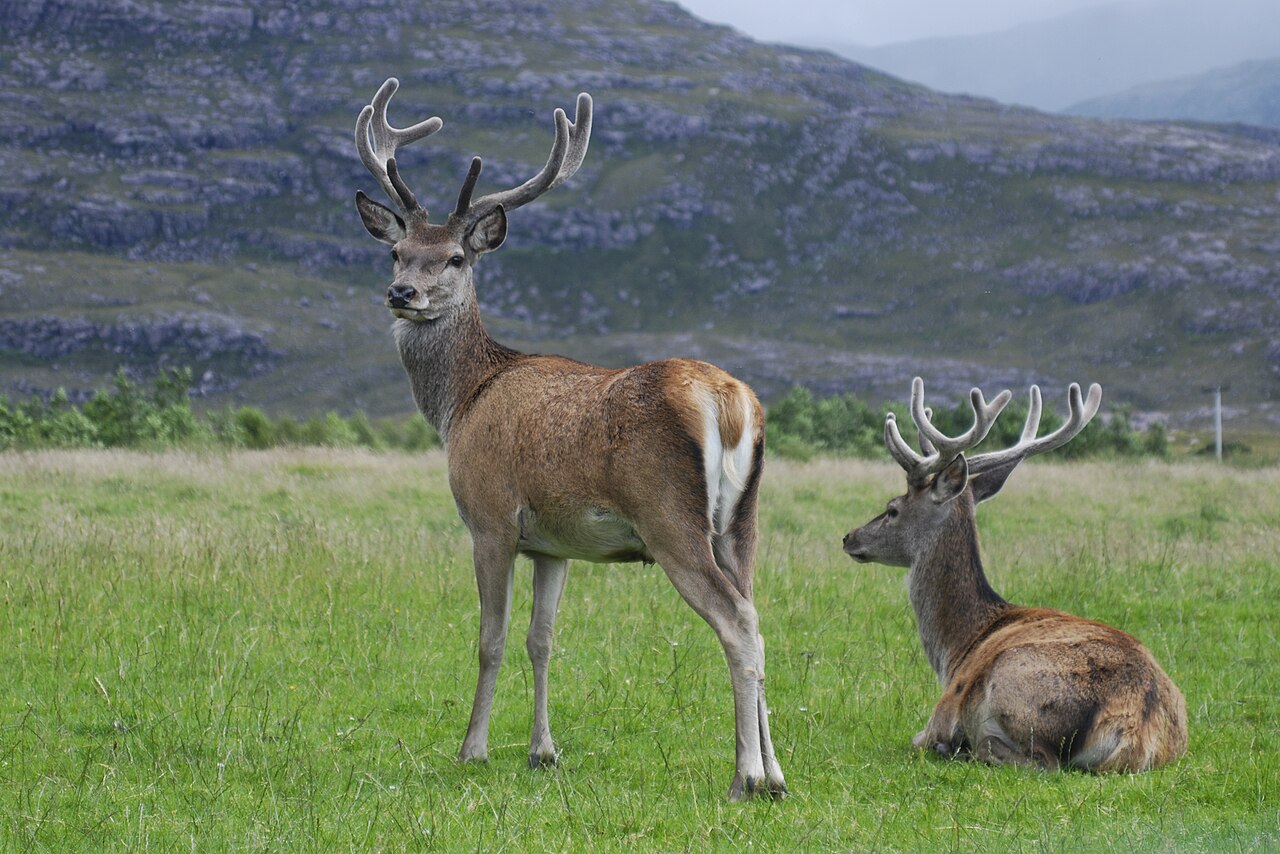
Velvet Antler Had the Most Distinct Metabolite Profile in Red and Sika Deer
A Chinese study detected 2,361 metabolites across three antler tissues from red and sika deer. Velvet antler separated…
Read story →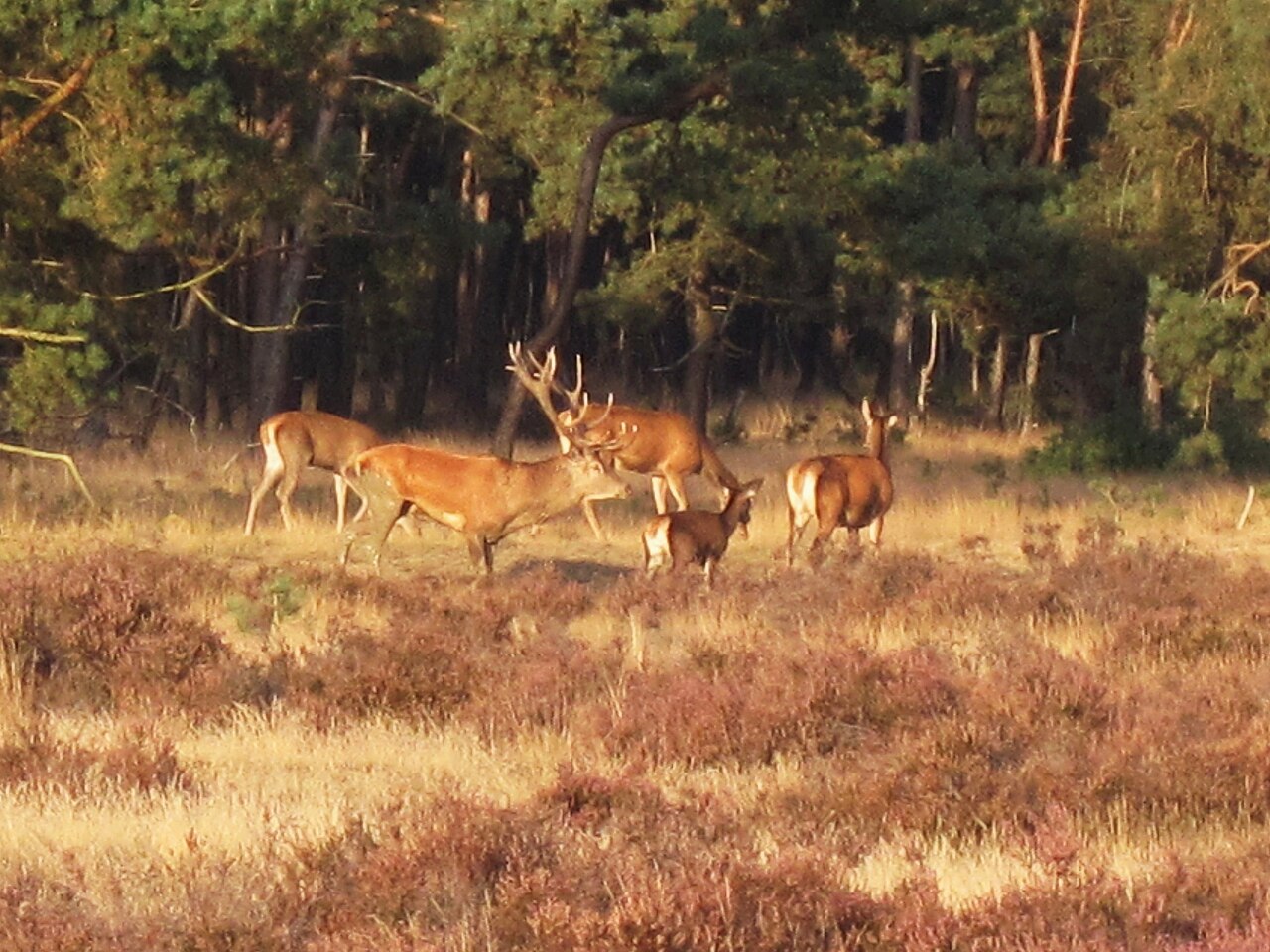
Tarim Red Deer Microbiomes Showed Greater Capacity to Break Down Reed Fibre
Under the same reed-containing diet, captive Tarim red deer had more fibre-associated gut microbes, higher cellulase and hemicellulase…
Read story →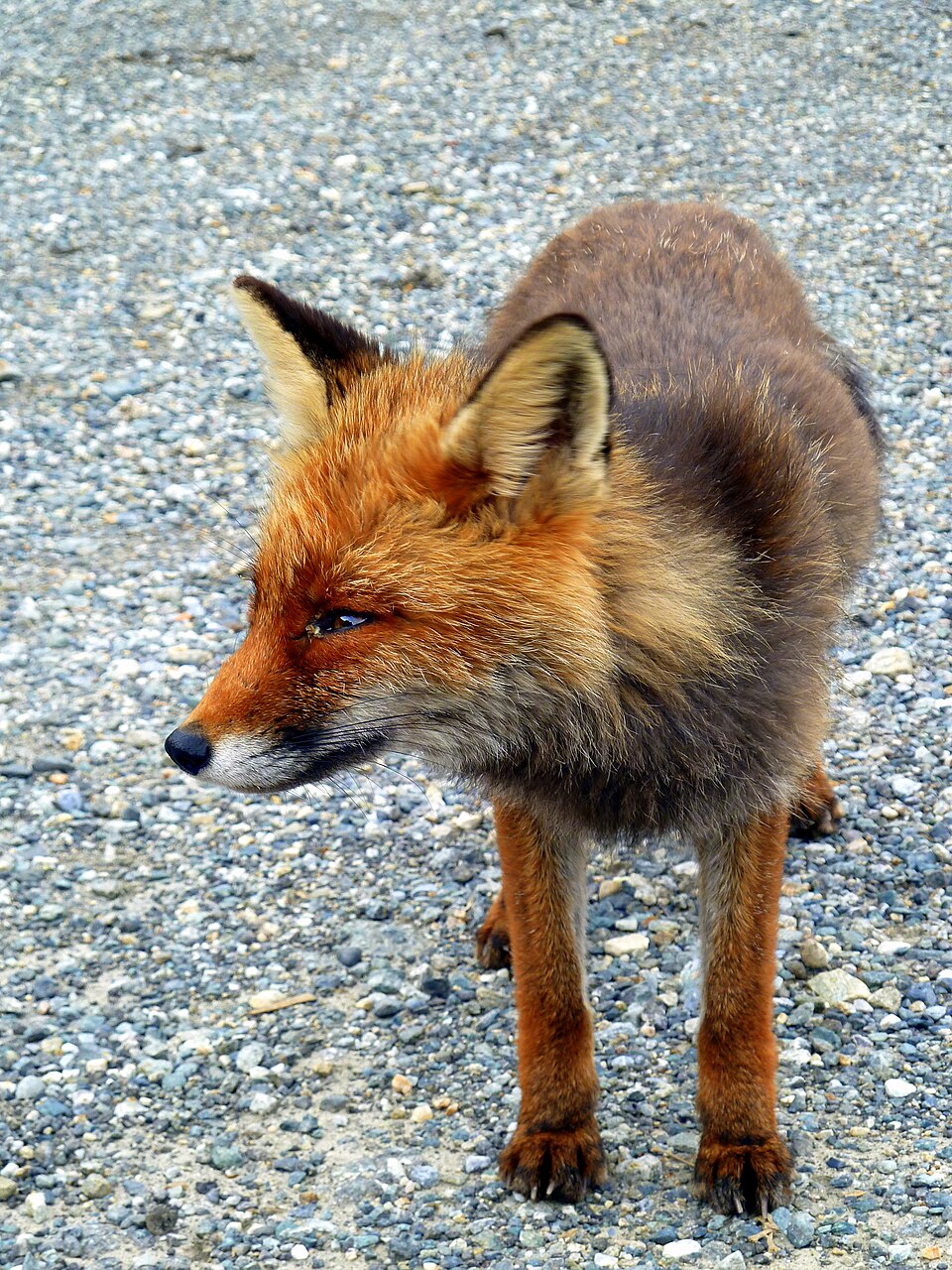
Wolf Kills Provided Plenty of Food for Red Foxes
Red foxes visited all 26 wolf-killed red deer monitored in Stelvio National Park. The amount of meat left…
Read story →SPECIES IN THIS STORY
Species in this story
Independent research and conservation news archive
Did you find this information useful?
Wildlife Vagabond is independently built and maintained. Voluntary support helps cover source verification, hosting and continued work on research and conservation news.
Support Wildlife VagabondThe news archive will remain freely available.