
Helminths Infected 92% of Feral Pigeons Sampled in Al Ain
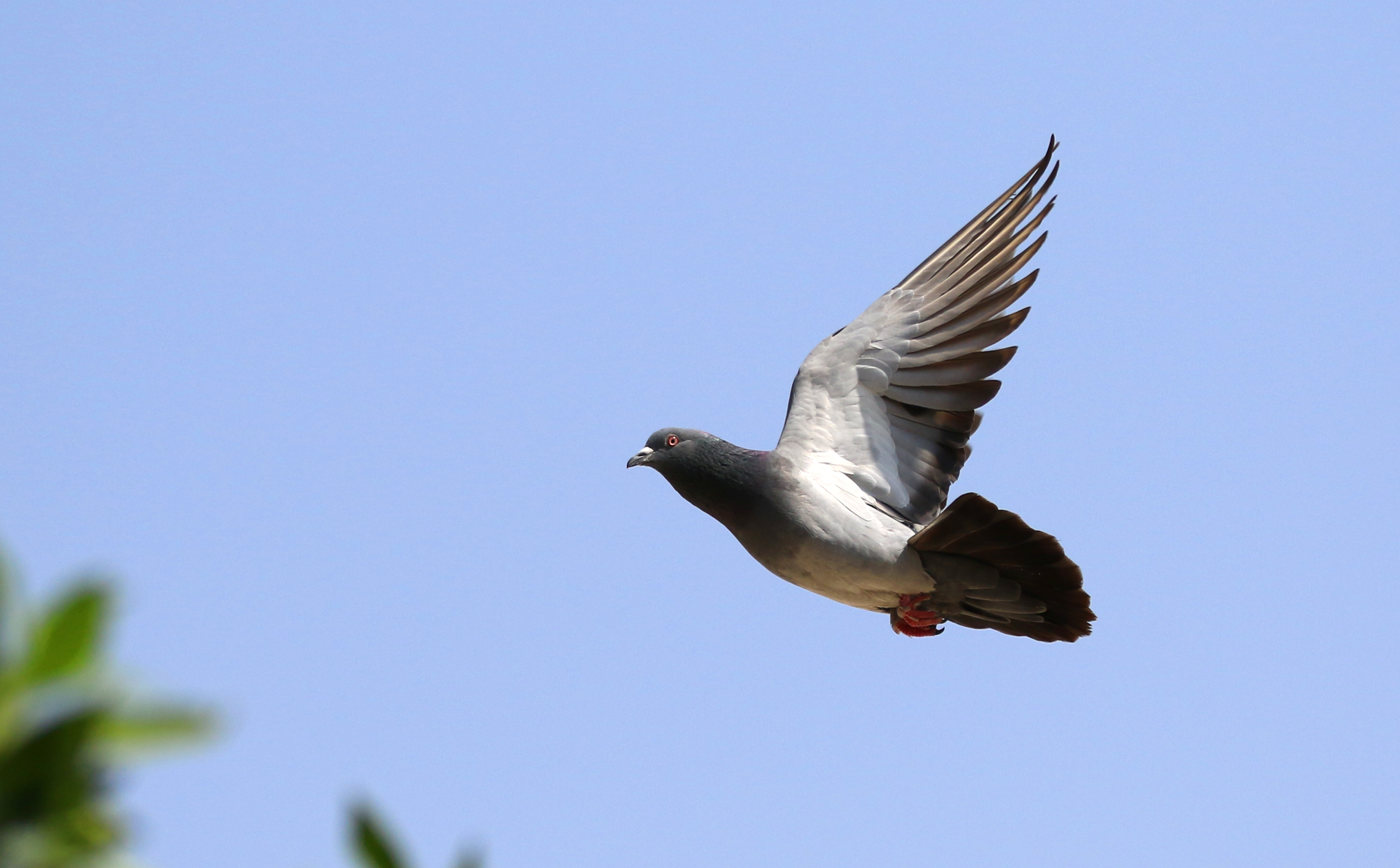
Helminth parasites were found in 92% of the feral pigeons examined in Al Ain in the United Arab Emirates, compared with 46% of domestic pigeons. The study, published on 24 February 2026, examined 100 adult pigeons and provides the first helminthological assessment of pigeons in the country.
Helminths are parasitic worms, a broad group that includes tapeworms, nematodes and flukes. Comparing feral and domestic pigeons can therefore show whether differences in environmental exposure and management are reflected in parasite transmission.
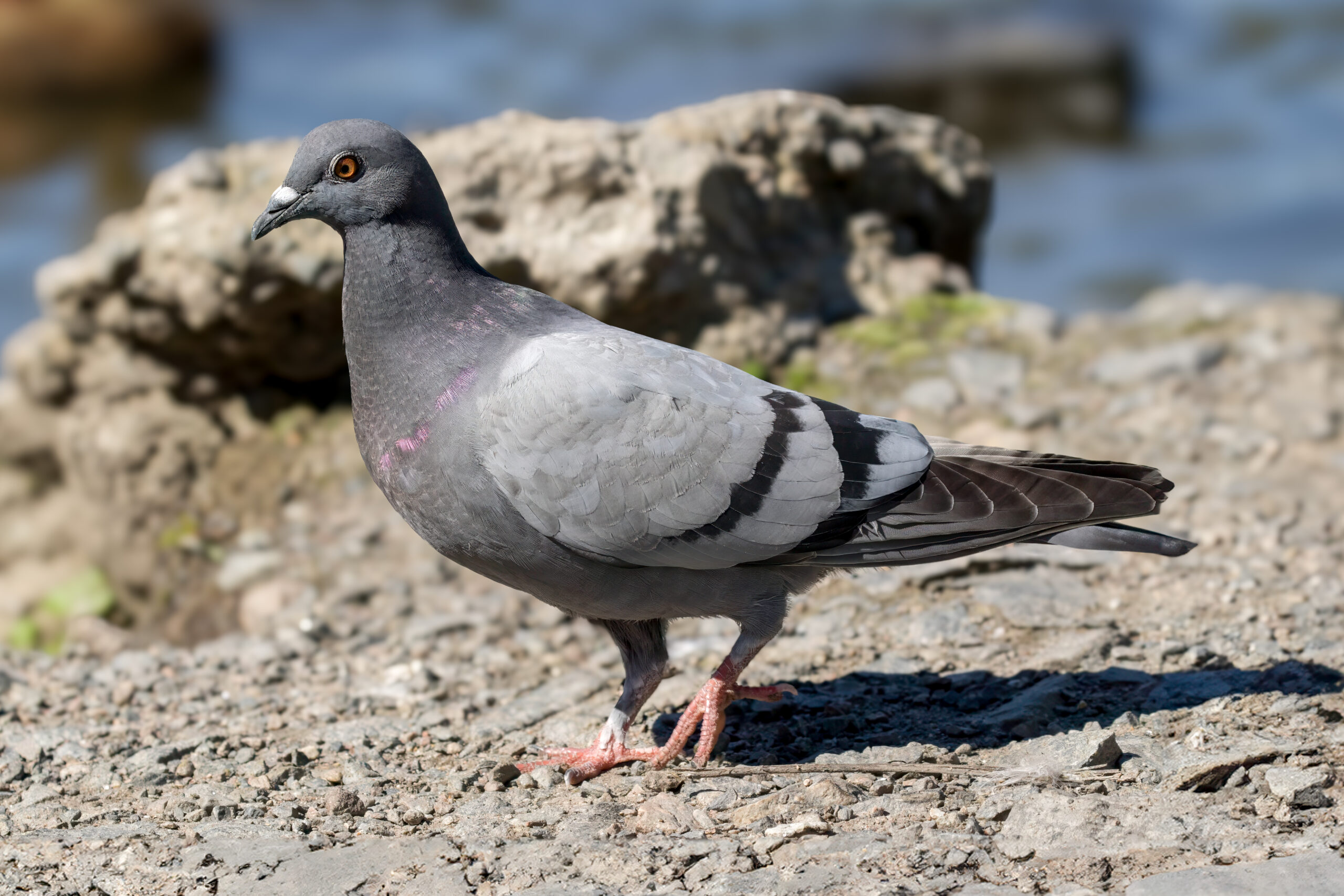
Rock dove (Columba livia) occurs in both free-ranging feral populations and domestic forms in Al Ain. The researchers examined 50 feral and 50 domestic pigeons collected between August 2023 and October 2024 through trapping and local-market acquisition.
Seven helminth species were identified
Overall, 69 of the 100 pigeons carried at least one helminth. The researchers identified seven species: the tapeworms Raillietina echinobothrida, Raillietina tetragona and Cotugnia digonopora; the nematodes Ascaridia galli, Dispharagus nasutus and Gongylonema sp.; and a trematode in the genus Brachylaima.
R. echinobothrida was the most widespread parasite, occurring in 57% of all examined pigeons, followed by C. digonopora in 21%. Forty-two percent of the pigeons carried a single helminth species, while 27% had mixed infections involving two species.
Feral pigeons had a much higher prevalence
The difference between lifestyles was pronounced: 92% of feral pigeons were infected, compared with 46% of domestic birds, a statistically significant difference. The average infection intensity was higher in feral pigeons as well, although that difference was not statistically significant.
The authors interpret the higher prevalence in feral birds in relation to their unrestricted movement, broader environmental exposure and lack of routine veterinary care. Domestic pigeons, by contrast, are more likely to experience managed conditions and preventive care.
Male pigeons had a significantly higher mean infection intensity than females, although the proportion of infected males and females did not differ significantly.
None of the seven helminth species had previously been documented from pigeons in the UAE. The records provide the first country-level reference for these parasites in feral and domestic pigeons.
Disease, parasites & microbiology
Related news
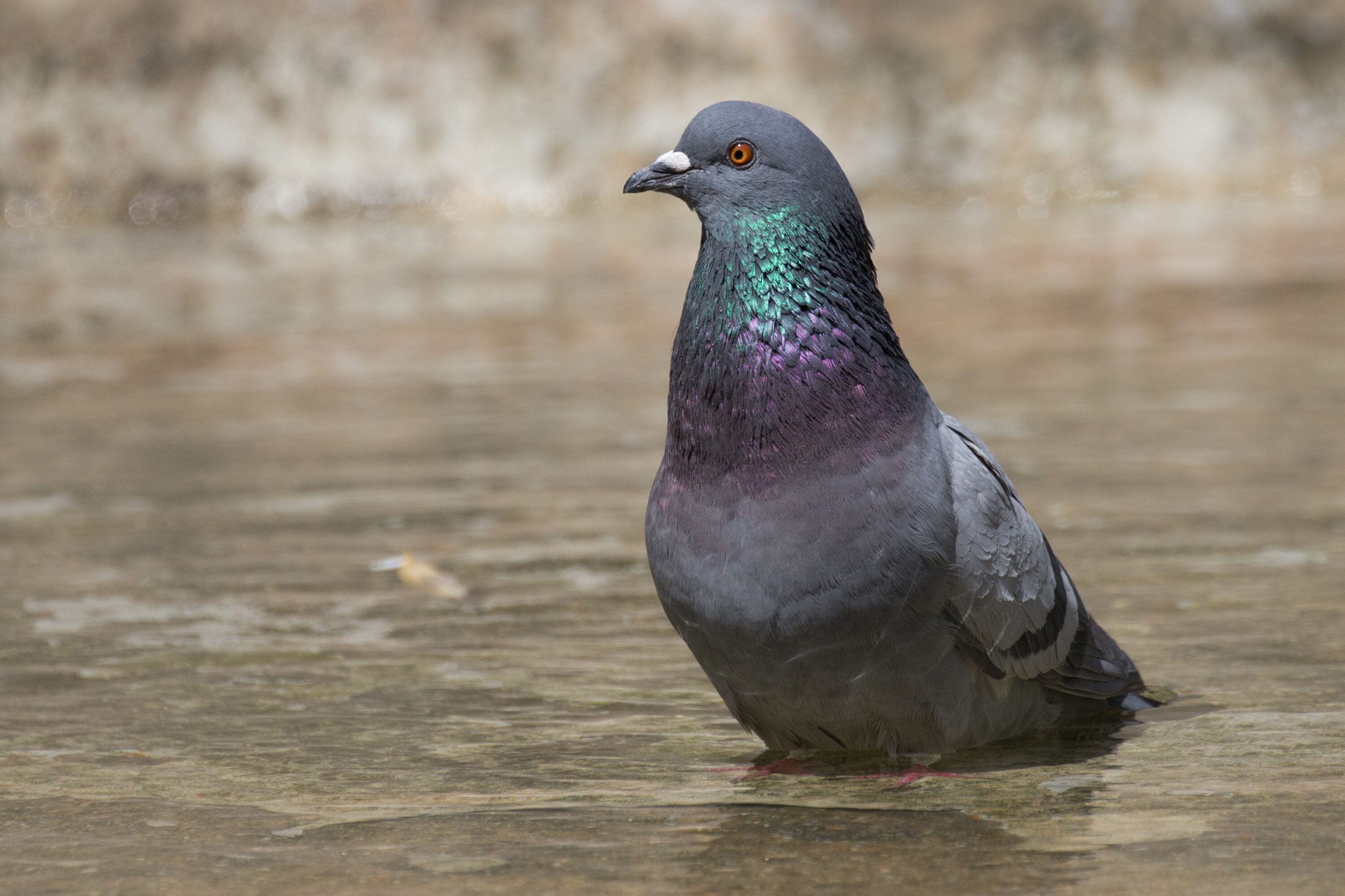
Rock Doves Preferred Predictive Information Despite a Lower Food Payoff
Seven rock doves preferred an informative option that paid on 20% of trials over a non-informative option that…
Read story →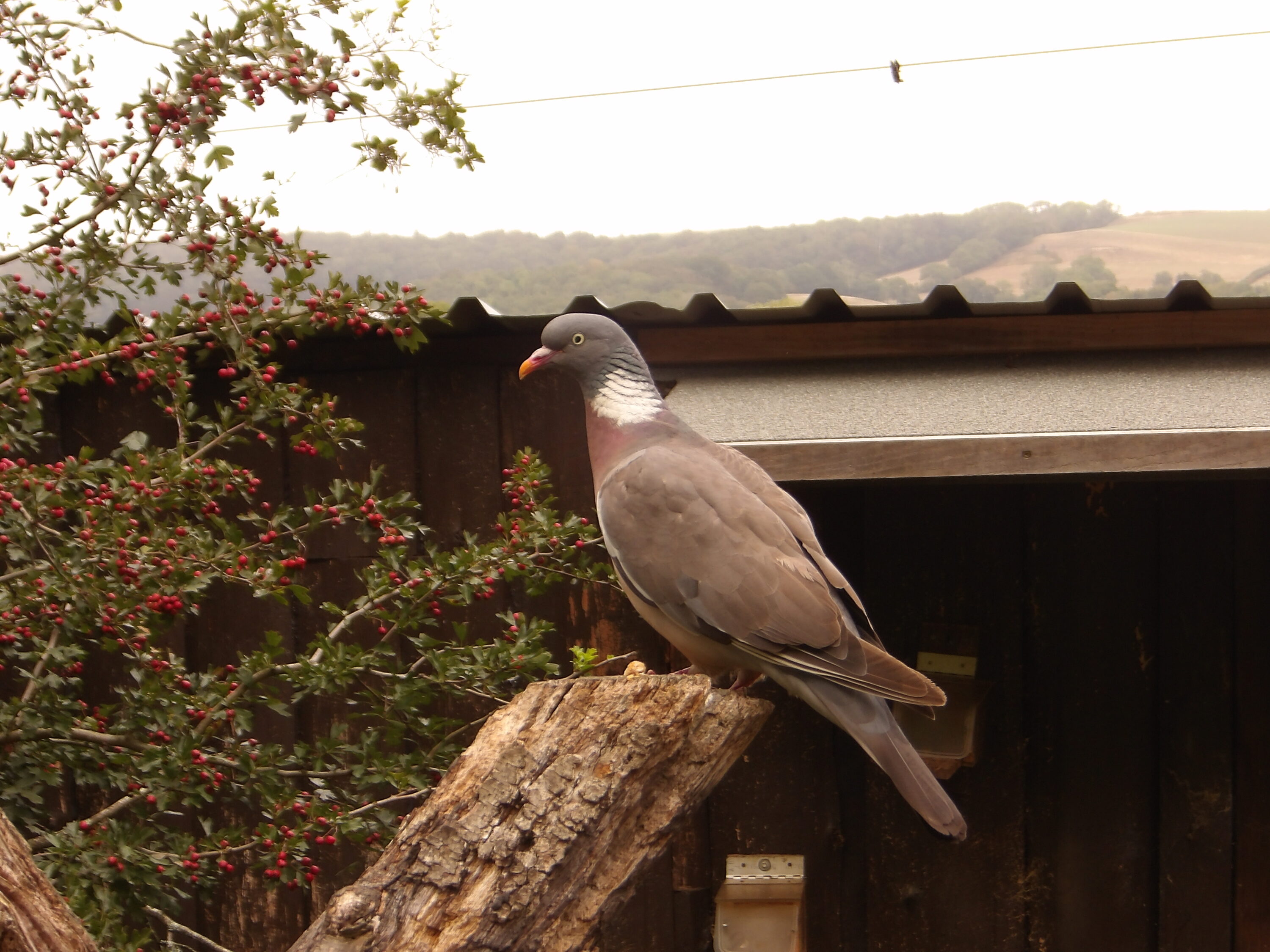
Rotavirus A Antibodies Were Common in Feral Pigeon Samples but Rare in Wood-Pigeon Samples in Germany
A German study detected rotavirus A-reactive antibodies in 79.2% of free-ranging feral pigeons and 77.0% of domestic pigeons,…
Read story →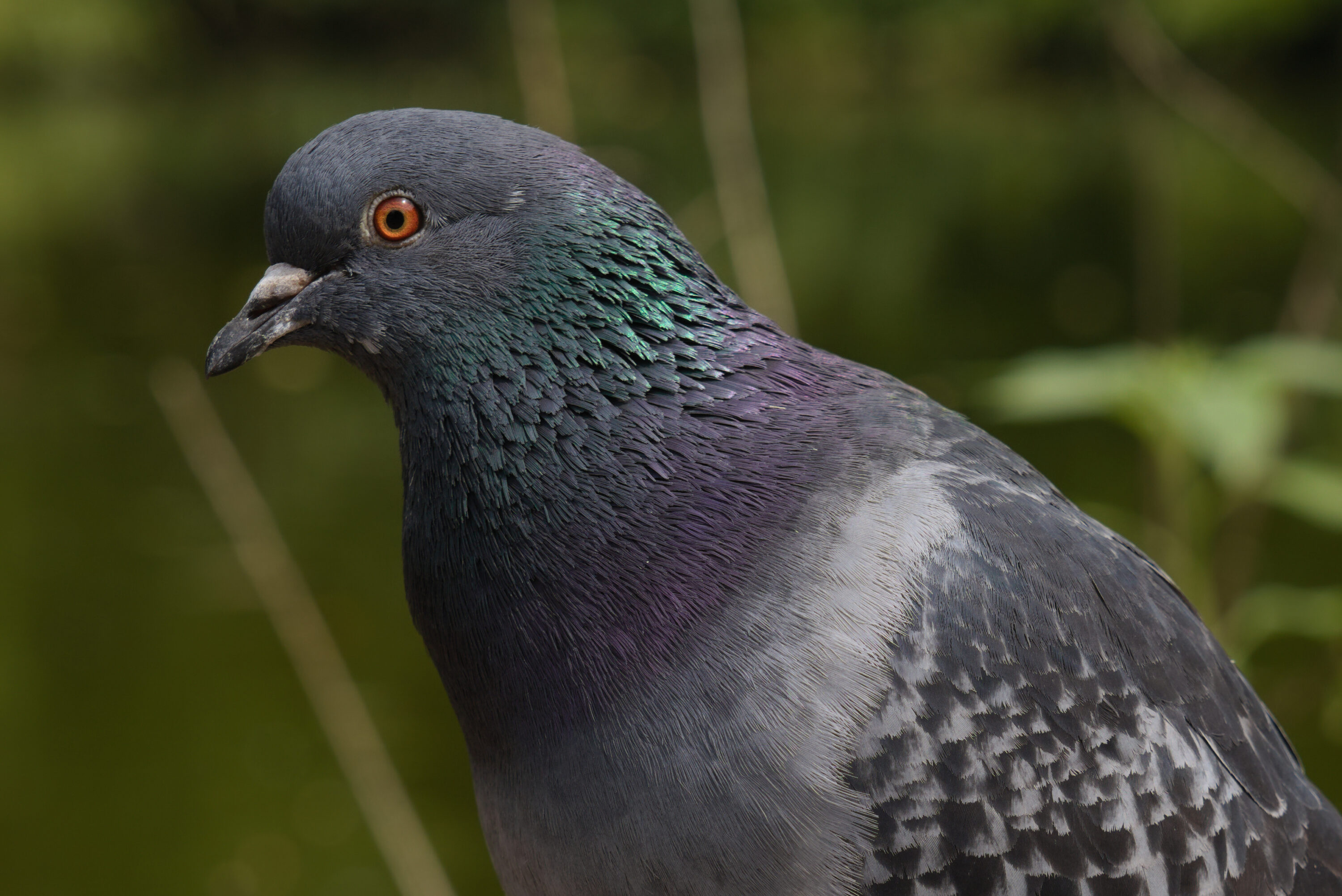
New Shiqi Pigeon Genome Placed 97.8% of Its Sequence on 41 Chromosomes
A chromosome-level genome from a female Shiqi pigeon in Zhongshan, China spans about 1.24 billion DNA bases, places…
Read story →SPECIES IN THIS STORY
Species in this story
Independent research and conservation news archive
Did you find this information useful?
Wildlife Vagabond is independently built and maintained. Voluntary support helps cover source verification, hosting and continued work on research and conservation news.
Support Wildlife VagabondThe news archive will remain freely available.