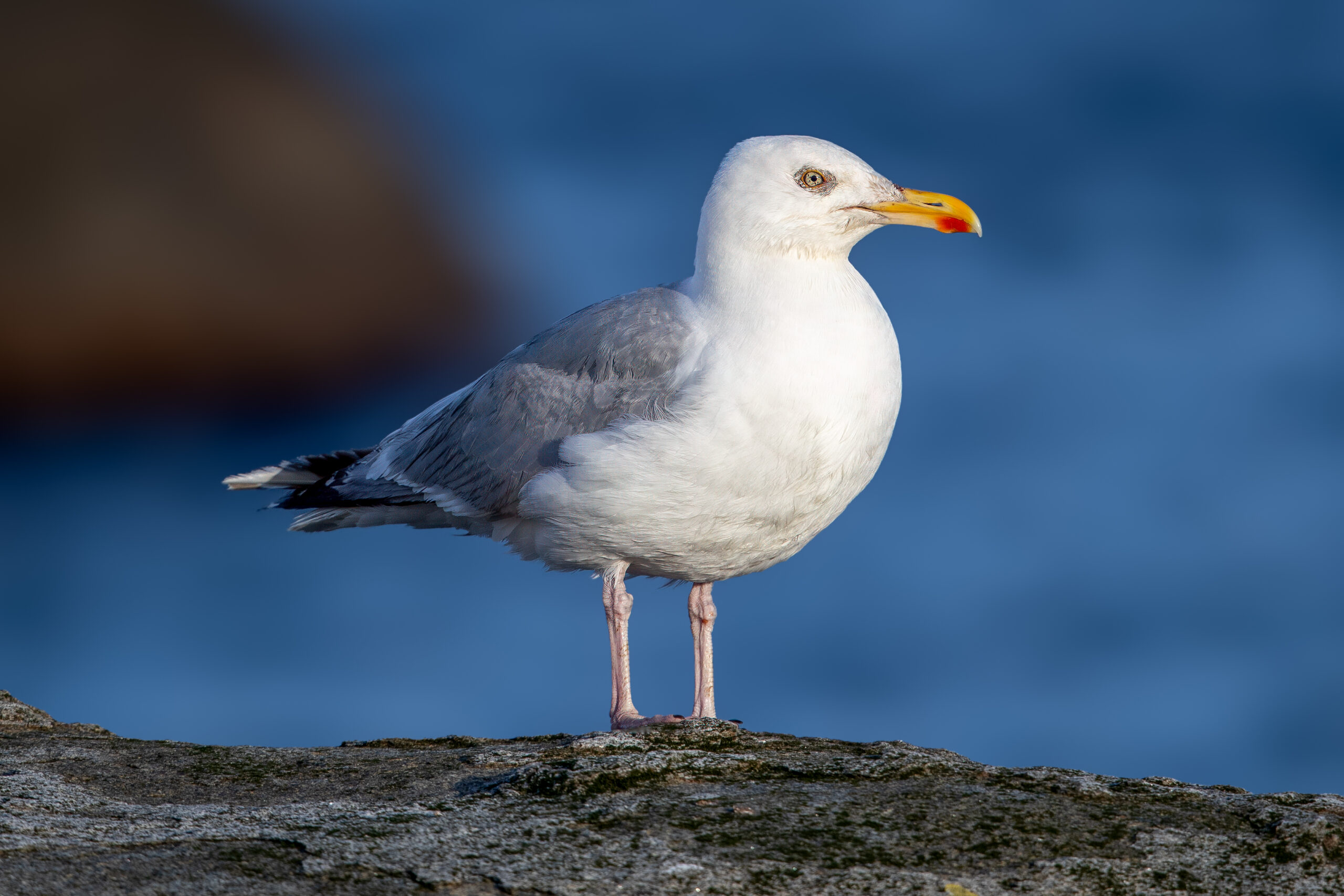
Captive Herring Gulls Had More Diverse Gut Bacteria Than Urban and Suburban Birds
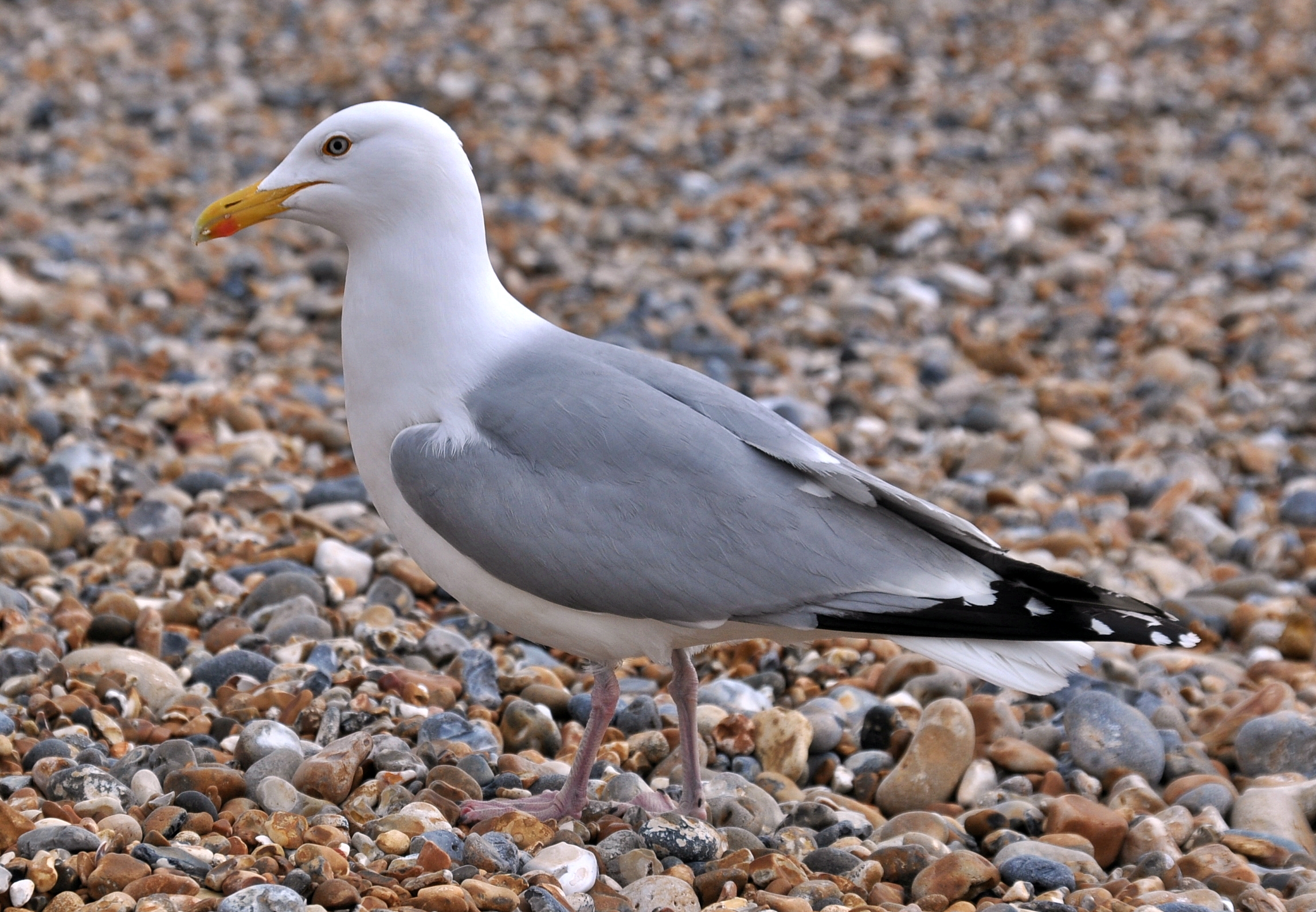
Herring gulls (Larus argentatus) living in different environments across the United Kingdom carried different faecal bacterial communities. The clearest diversity difference was in birds being cared for at Hereford Wildlife Rescue Centre, which had a more diverse microbiome than urban and suburban gulls.
The researchers collected fresh faecal samples from ten populations, including wild gulls from cities, suburbs and coastal sites as well as birds at the rescue centre. They used 16S sequencing to compare bacterial diversity and composition. Faecal samples provide a non-invasive view of the gut microbiome, although they do not capture every bacterium attached directly to the intestinal lining.
Gulls at the rescue centre had a more diverse microbiome
The bacterial communities were dominated by Bacillota and Proteobacteria. Birds at the rescue centre had higher Shannon diversity than urban and suburban gulls. This measure reflects both how many bacterial groups are present and how evenly they are represented.
The authors do not interpret greater diversity as automatically healthier. Captivity changes diet, environmental exposure and contact with other animals, and the rescue-centre birds also differed in the abundance of particular bacterial groups.
Urban and suburban gulls differed in specific bacteria
Urban gulls had more Ligilactobacillus than suburban gulls. The authors discuss pollution and diet as possible contributors: urban birds may encounter more processed food and pollutants, while suburban gulls may forage over wider areas and eat a more varied diet.
These are interpretations rather than demonstrated causes. The study compared naturally occurring populations and did not manipulate diet, pollution or other environmental factors.
Liverpool gulls stood out for Mycoplasma
Several individual sites had distinctive bacterial profiles. Mycoplasma was detected in 12 of 40 samples included in that analysis, and seven of the eight Liverpool samples were positive.
Some Mycoplasma species cause disease in birds, but others can occur as part of normal gull-associated microbiota. The sequencing did not establish a pathogenic species or clinical disease, so the Liverpool pattern is a potential health signal rather than evidence of a confirmed mycoplasmosis outbreak.
Faecal microbiomes may help monitor wild populations
Sample sizes were small and uneven among some locations, and the 16S method was better suited to broader bacterial groups than to identifying individual species. The study therefore supports population-level comparisons rather than precise diagnosis from each sample.
Its broader value is that non-invasive faecal sampling can reveal microbial differences among gull populations living under different environmental conditions. Those differences can then point researchers toward more targeted work on diet, pollution, pathogens or antimicrobial resistance.
Disease, parasites & microbiology
Related news
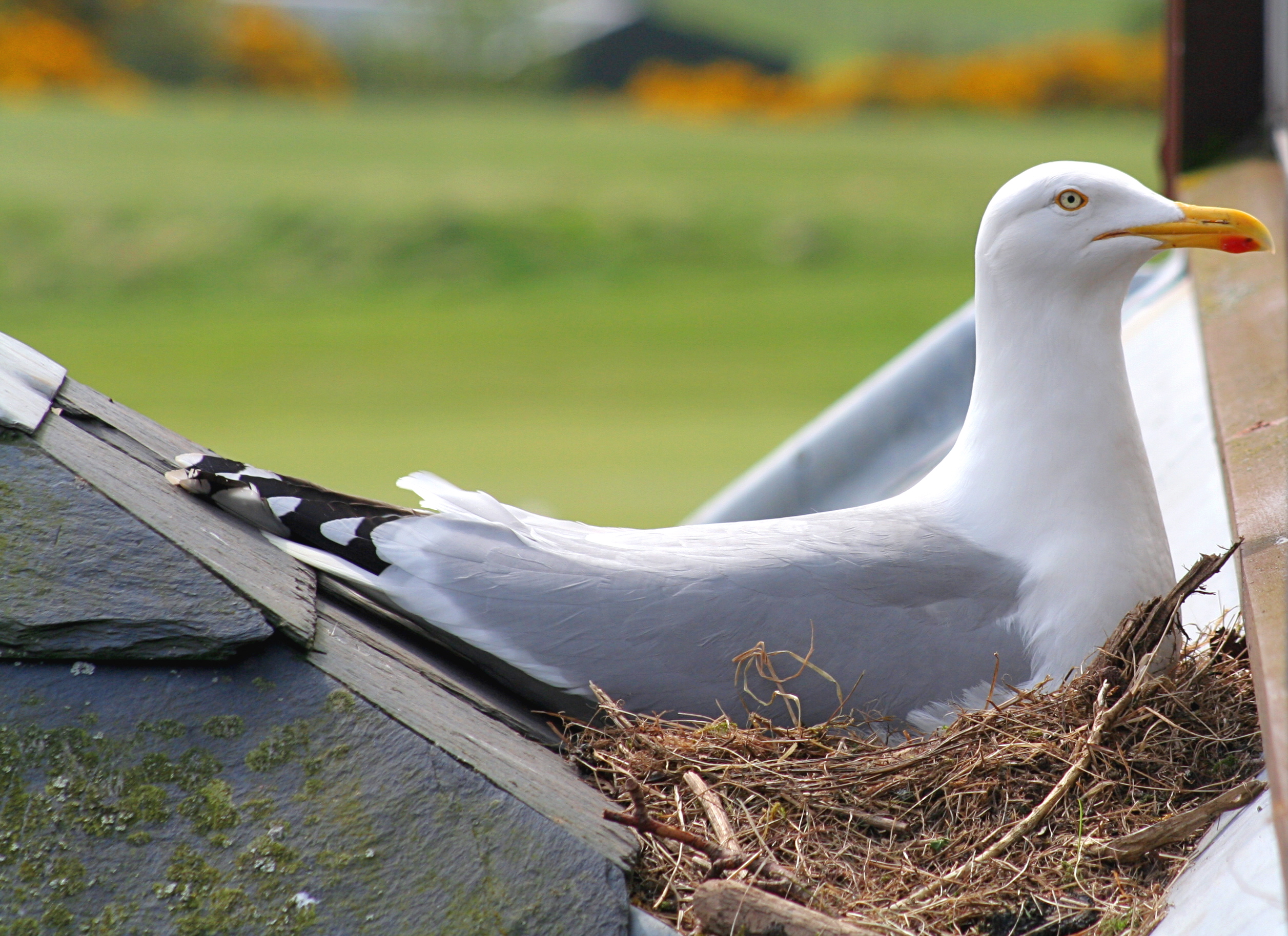
Scotland’s European Herring Gull Index Was 54% Below Its 1986 Baseline
NatureScot’s 2026 seabird indicator estimated European herring gull breeding abundance in Scotland 54% below the 1986 baseline and…
Read story →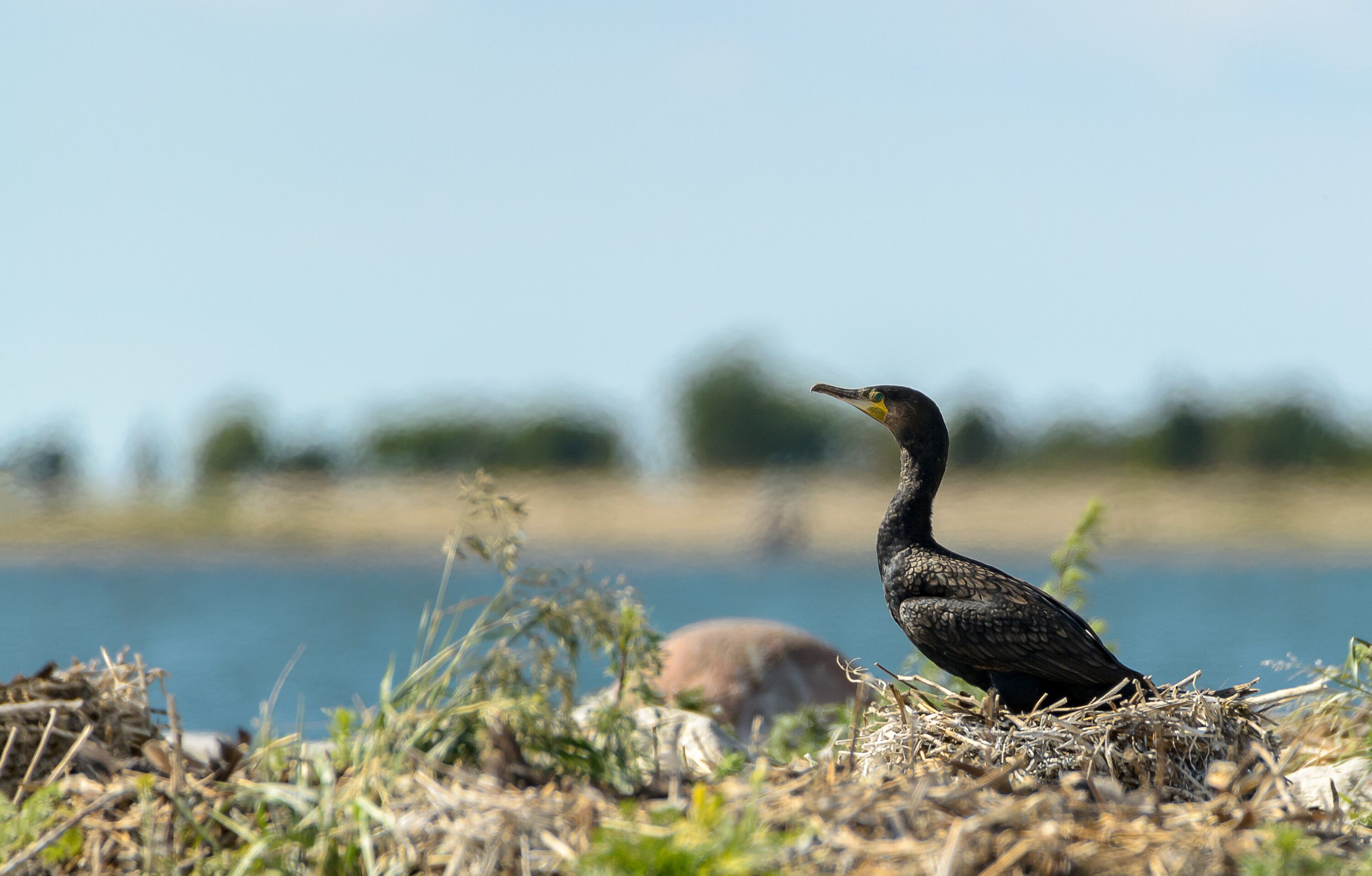
Bird Diversity Fell After Cormorant Colonies Became Established on Baltic Islands
Annual monitoring from 261 Estonian Baltic islands showed that breeding-bird diversity declined after great cormorant colonies became established…
Read story →
Cormorant and Large-Gull Counts Fell at a Danish Pound Net, but the Difference Disappeared Within Weeks
At one Danish pound net fitted with Looming-Eye Buoys, great cormorant and large-gull counts dropped sharply relative to…
Read story →SPECIES IN THIS STORY